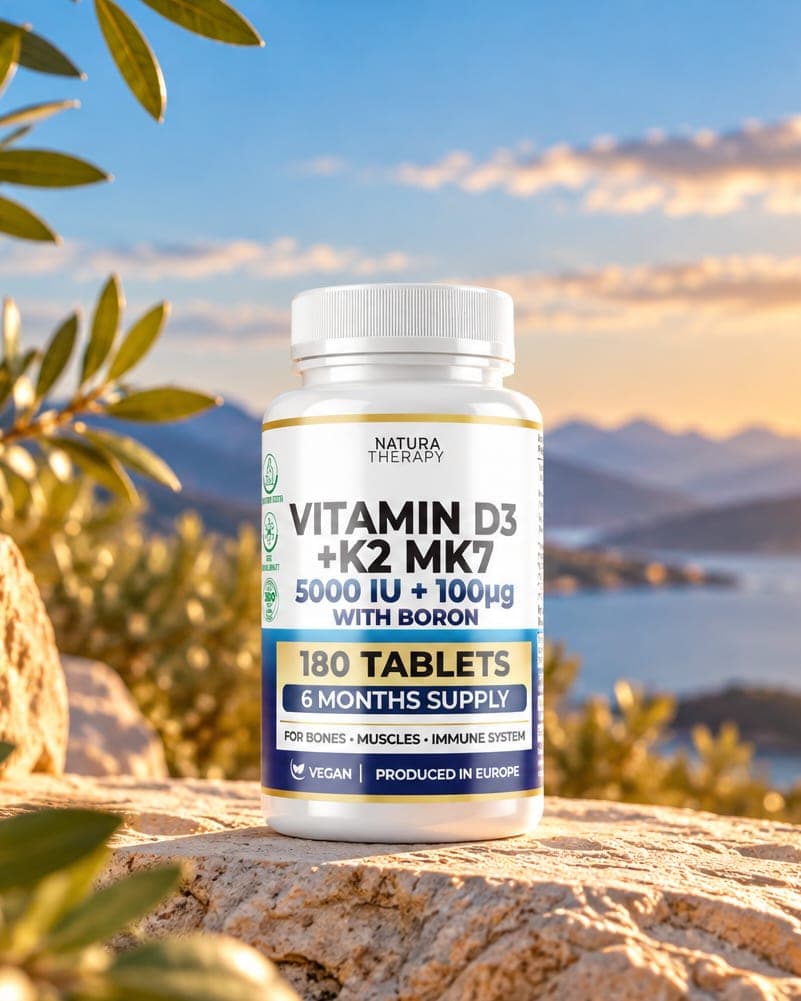
D3 + K2 + boron: why together, who it’s for and how to take it
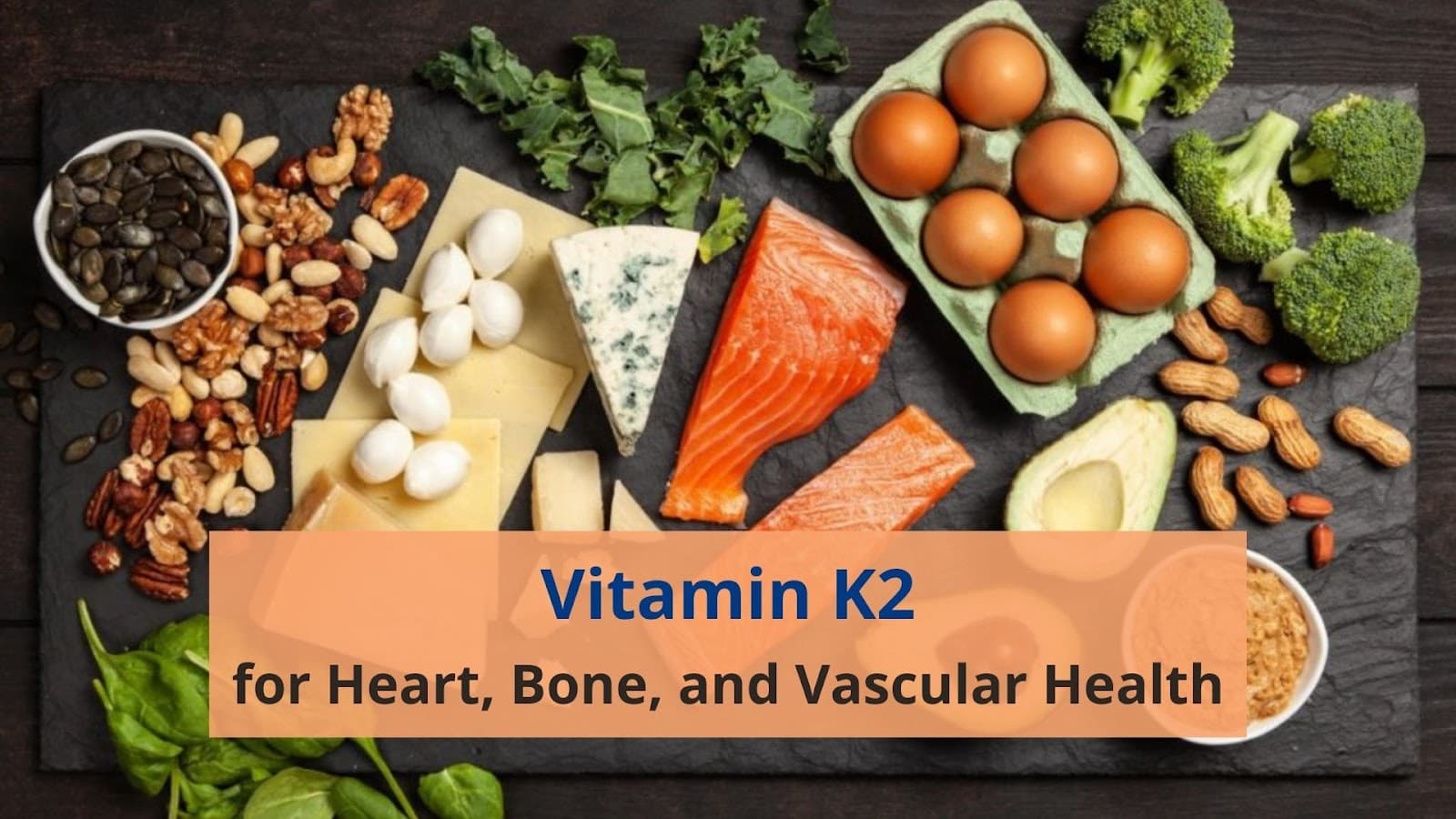
Why vitamin D3 and K2 (MK-7) go together, what boron is and how much we know about it, who D3 + K2 + Bor is for, how to take it and when to see a doctor first.
In-depth yet readable articles on herbs, prevention, hormones, immunity and everyday life, backed by real products.

Why vitamin D3 and K2 (MK-7) go together, what boron is and how much we know about it, who D3 + K2 + Bor is for, how to take it and when to see a doctor first.

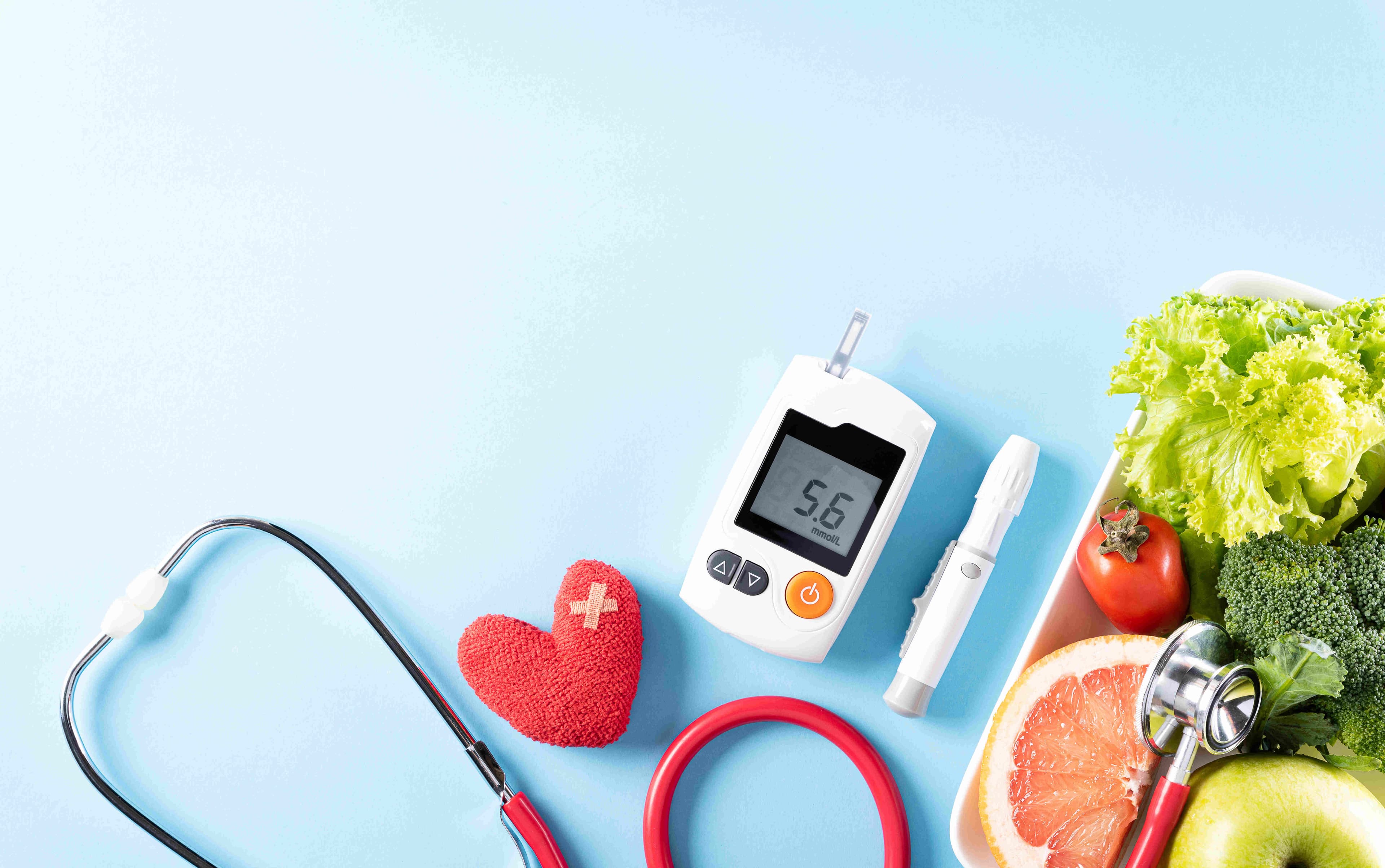
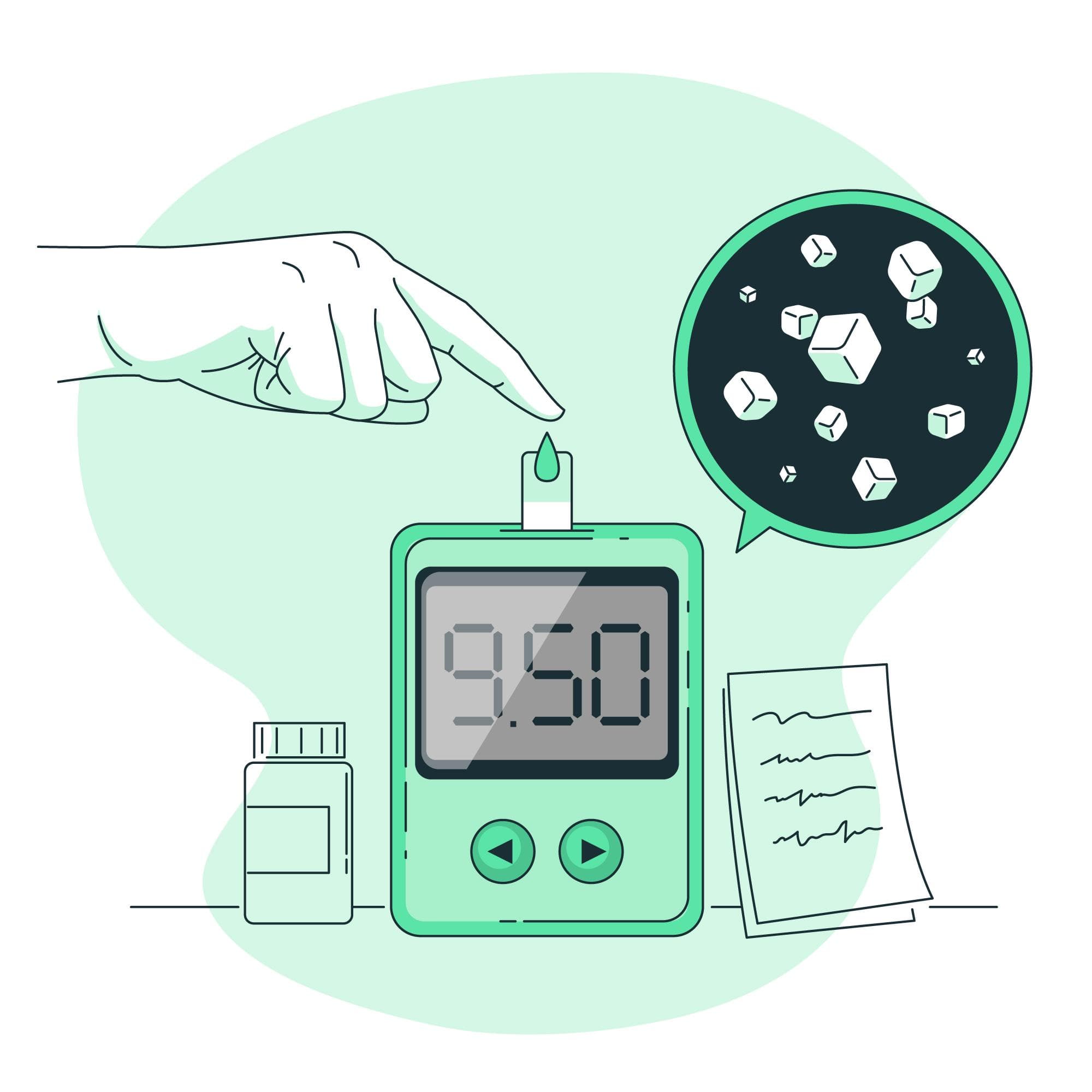
Normal fasting blood sugar and 2 hours after eating, hidden high blood sugar, HbA1c, pregnant women, children and older adults, low blood sugar and measuring at home. Table in mmol/L and mg/dL.

How many IU of vitamin D3 a day for adults, children and pregnant women, morning or evening, why with K2 and when a 25(OH)D test makes sense. A winter guide.

Quick answer Bisglycinate: the best everyday choice for most people. It is gentle on the stomach, rarely loosens stools and fits easily into an evening routine. Citrate: cheaper and well absorbed. Its mild effect on the…

Quick answer. Creatine monohydrate is taken at 3 to 5 grams a day, dissolved in water, juice or a protein shake, every day, both on training days and on rest days. A loading phase is not required: without it, your muscl…

What ashwagandha is, how and when to take it, for how long, who should be careful and how to choose a good product. No big promises, just facts.

How to tell apart thirst, heat exhaustion and heatstroke. What to do in the heat after exertion and when water is not enough. Emergency signs first.

Zinc often stays in the shadow of vitamins. In men it is linked to testosterone, fertility, immunity and prostate tissue — without megadoses and without miracles.

What to put on your face after the beach: cooling, hydration, aloe, and what not to do to red skin. After-sun is not a substitute for SPF.

How summer dries out the skin and leaves dark spots, and which simple routine keeps it fresh: cleansing, hyaluronic acid, a light cream and SPF — without ten serums.

How zinc, chromium and magnesium fit into the glucose story — through food first, with lab tests when there is a suspicion, without megadoses and with no promise of a medicine.

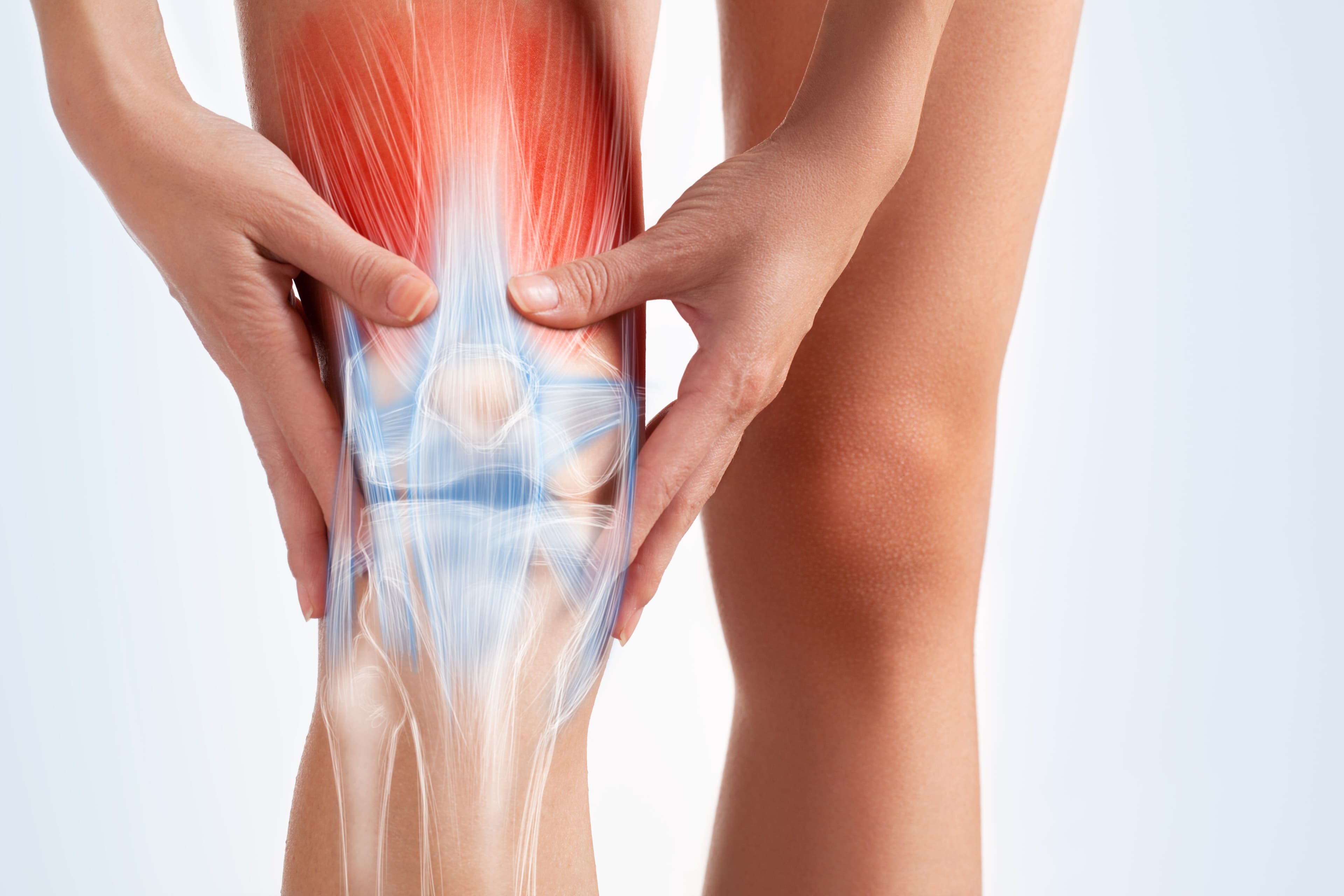
There is no secret formula: strength, vitamin D, K2, magnesium, protein and walking tie together bone, blood vessels and joints. What is marketing and what is habit.

What we know about calcium, D3, K2 and boron, and what we don’t: no promises that any supplement dissolves spurs or calcifications.

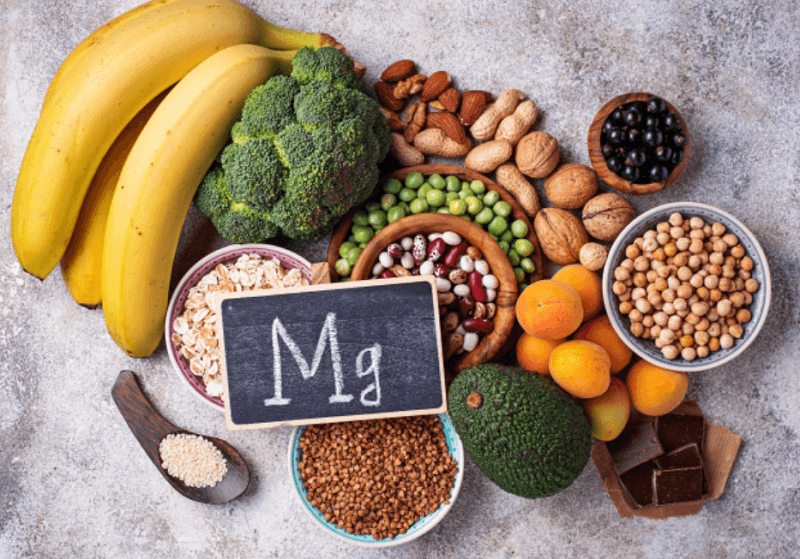
Magnesium is a cofactor for heart rhythm, muscle relaxation and ATP. Why diet often falls short, which form is well tolerated and when a supplement makes sense.

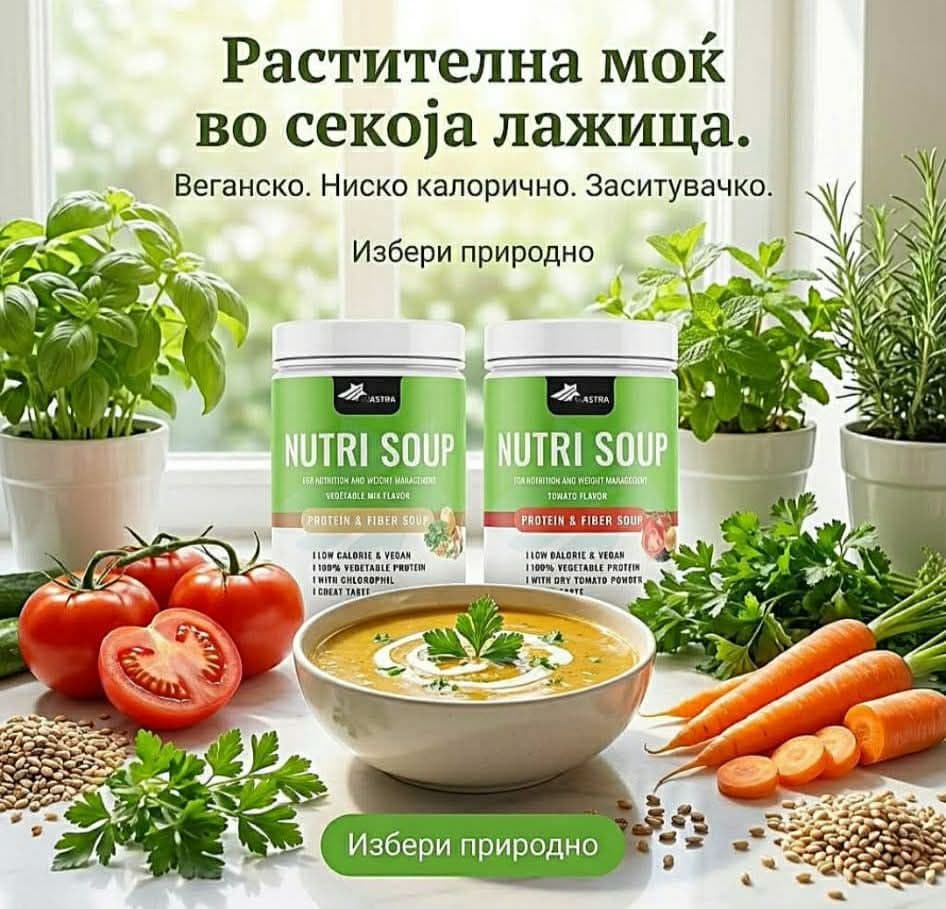
Why a breakfast with protein, fiber and salt keeps your energy up later in the day. How a vegan vegetable soup fits in — and what to do if a ready-made soup isn’t available.

Shilajit is a resinous mixture from high mountains, rich in fulvic acids. Energy and endurance are its traditional uses — quality and heavy metals are the risk.

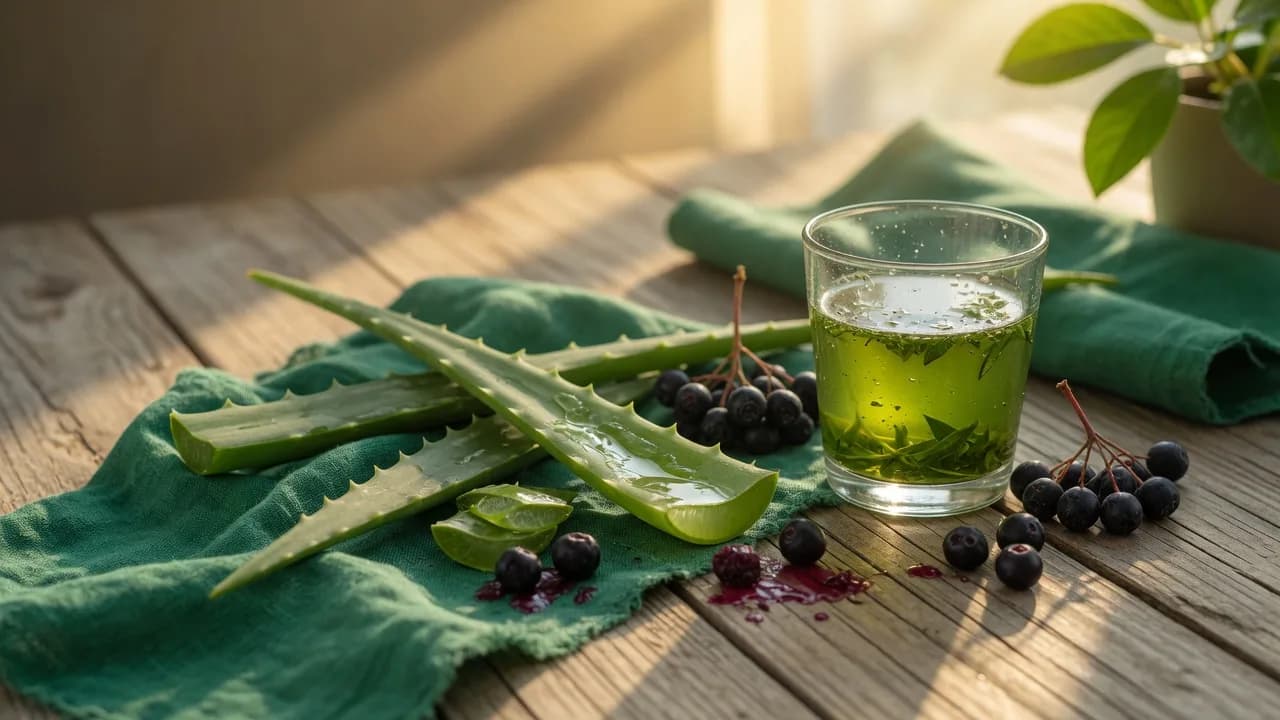
How the synergy between aloe vera, aronia and key micronutrients helps immunity, digestion and everyday vitality — no “magic pill,” just balance.

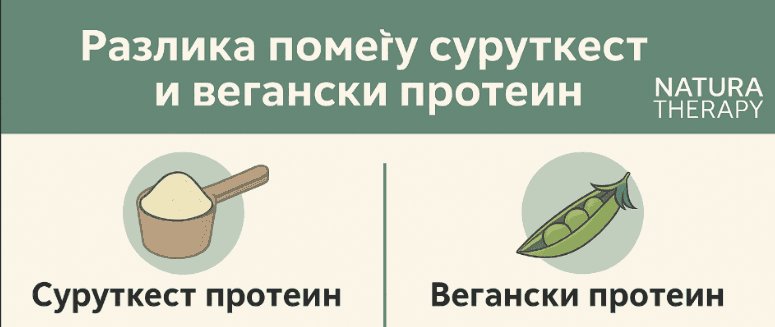
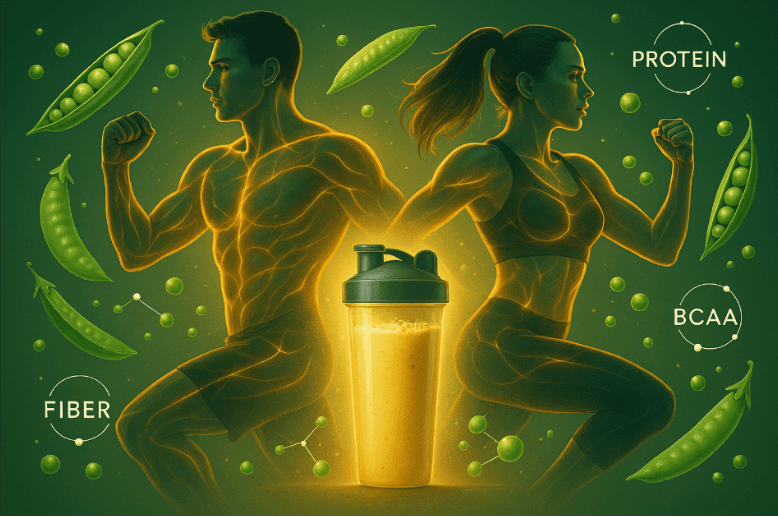
Pea or whey: amino acids, lactose, fullness and your stomach. When a plant shake is the smarter choice and when whey stays more practical.

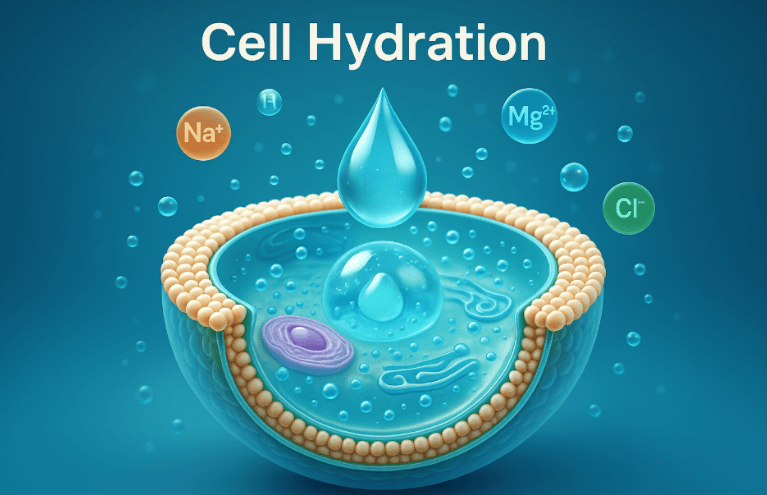
Sodium, potassium, magnesium, calcium, chloride: what they do at rest, not just in training. When food is enough and when a formula makes sense.

Protein isn’t just “fuel for muscles.” How it affects enzymes, satiety hormones and resting metabolism, and why fiber makes a meal last longer.

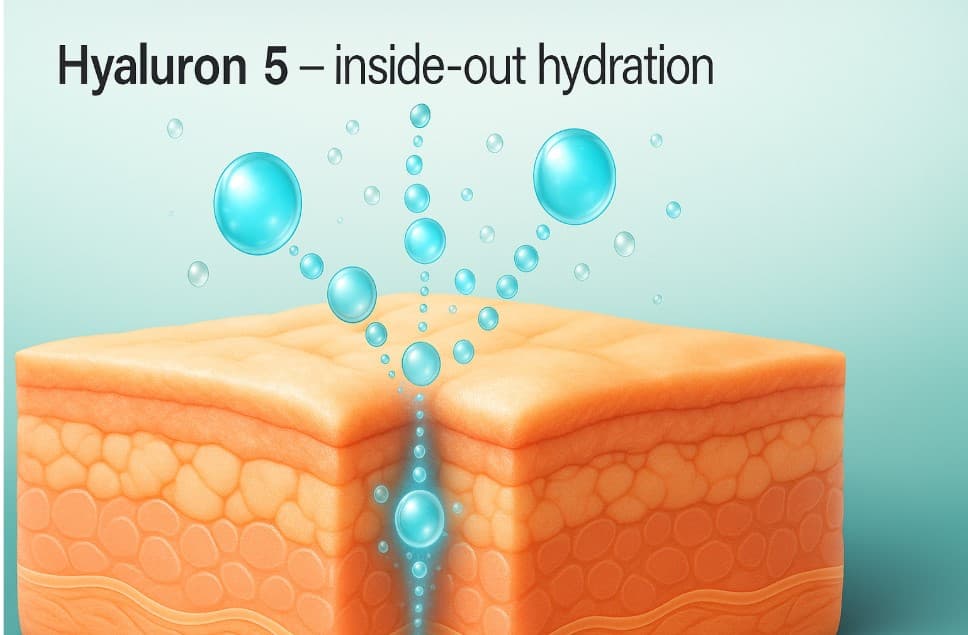
What cream, filler and oral hyaluronic acid really do. Where they overlap and where they don’t — with no promise that a powder replaces the injector.

How to cut calories without constant hunger — with protein, fiber, meal rhythm and carefully chosen supplements as part of the plan.

Insulin, cortisol, thyroid, estrogen and hunger hormones: how they affect weight loss in women and men — without promising that a supplement “fixes your hormones.”

Do BCAAs speed up fat burning? What physiology says about leucine, insulin and deficit — and why protein wins again.

Which type of collagen to choose, how and when to take it, how many grams and how soon to expect results, with a comparison of all our collagen products.

Endurance in men is sleep, blood flow, stress and training — not a single capsule. How energy changes with age and where herbs are only an add-on.

Collagen and appearance: why synthesis declines, what skin and hair feed on, and how the beauty angle differs from the joint guide.

The liver isn’t “de-fatted” with a cup of oil. Real support: less alcohol, fiber, bitter greens, movement, sleep. Milk thistle and dandelion are an extra layer. When lab tests matter more than tea.

When pain and a suspected infection are urgent, what can count as comfort at home and why herbs are not an antibiotic. Education, not a self-treatment protocol.

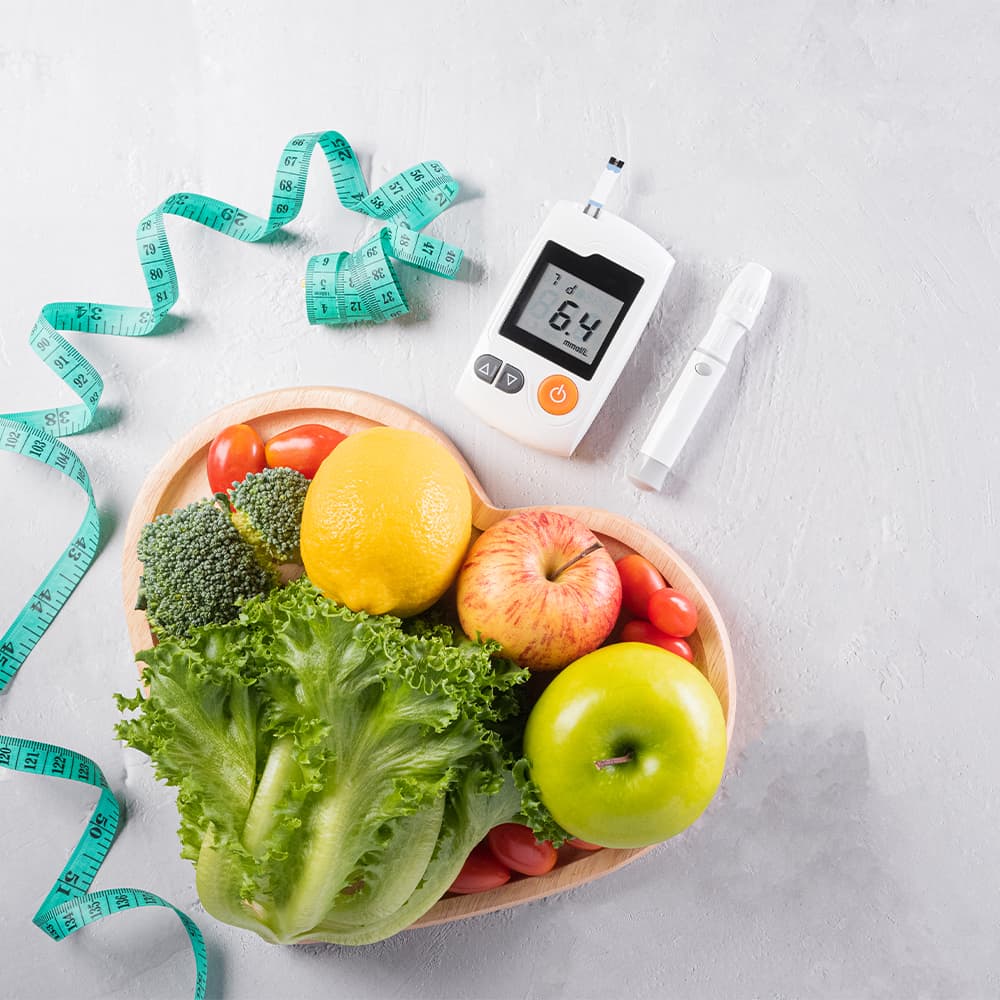
How diet, movement and habits support blood sugar control in type 2 diabetes — plus the role of supplements as an addition, not as treatment.

How to lose weight and keep the result with habits, a moderate deficit and realistic supplements — without extreme detoxes and rebound.

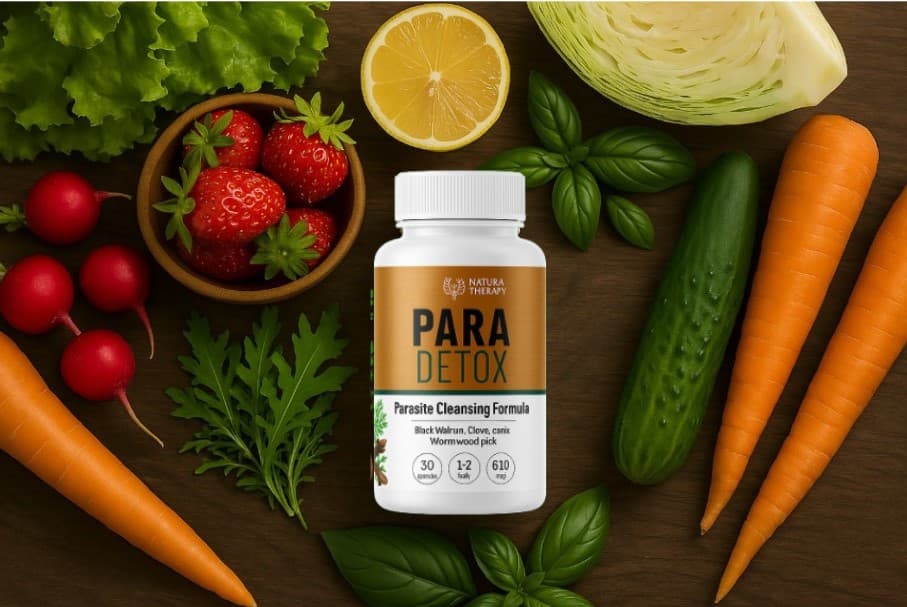
Parasites are a medical diagnosis, not spring marketing. Thorough washing of vegetables, cooking, clean water. When the stool goes for testing. Herbal formulas are only one layer — not a medicine and not a replacement for an infectious disease specialist.

A natural path means plate, movement, sleep and stress — not stopping therapy. How to put holistic habits together without myths about reversing the disease.

What natural nootropics are, which habits really raise concentration, and how to choose supplements without dangerous promises of a “genius IQ.”

What “natural” cosmetics means in practice, which ingredients are worth looking for (hyaluronic acid, vitamin C, niacinamide, aloe) and how to build a simple routine without the marketing noise.

How sleep, stress, blood flow and selected herbs relate to male vitality — a realistic look without “magic” promises and with room for professional advice.

Concentration is built with sleep, light, phone-free blocks, a cold shower and short bouts of movement. Herbs and formulas are a layer on top. A guide that doesn’t repeat the nootropics article.

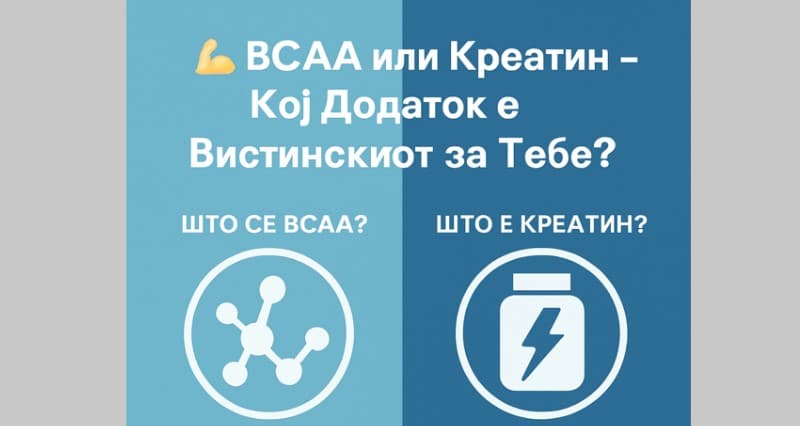
BCAA versus creatine: different mechanisms. When you need amino acids in a deficit and when you need phosphocreatine for heavy sets — without mixing in the protein vs creatine debate.

How collagen connects fascia, tendons and joints — types, nutrition, loading and when peptides make sense.

different mechanisms, different goals. When to use which, how to combine them, and typical mistakes.

The body already cleans itself through the liver, kidneys, gut, skin and lungs. Real detoxification means not getting in their way: water, fiber, sleep, less alcohol and smoke. Not weekend juices and not a medicine for fatigue.

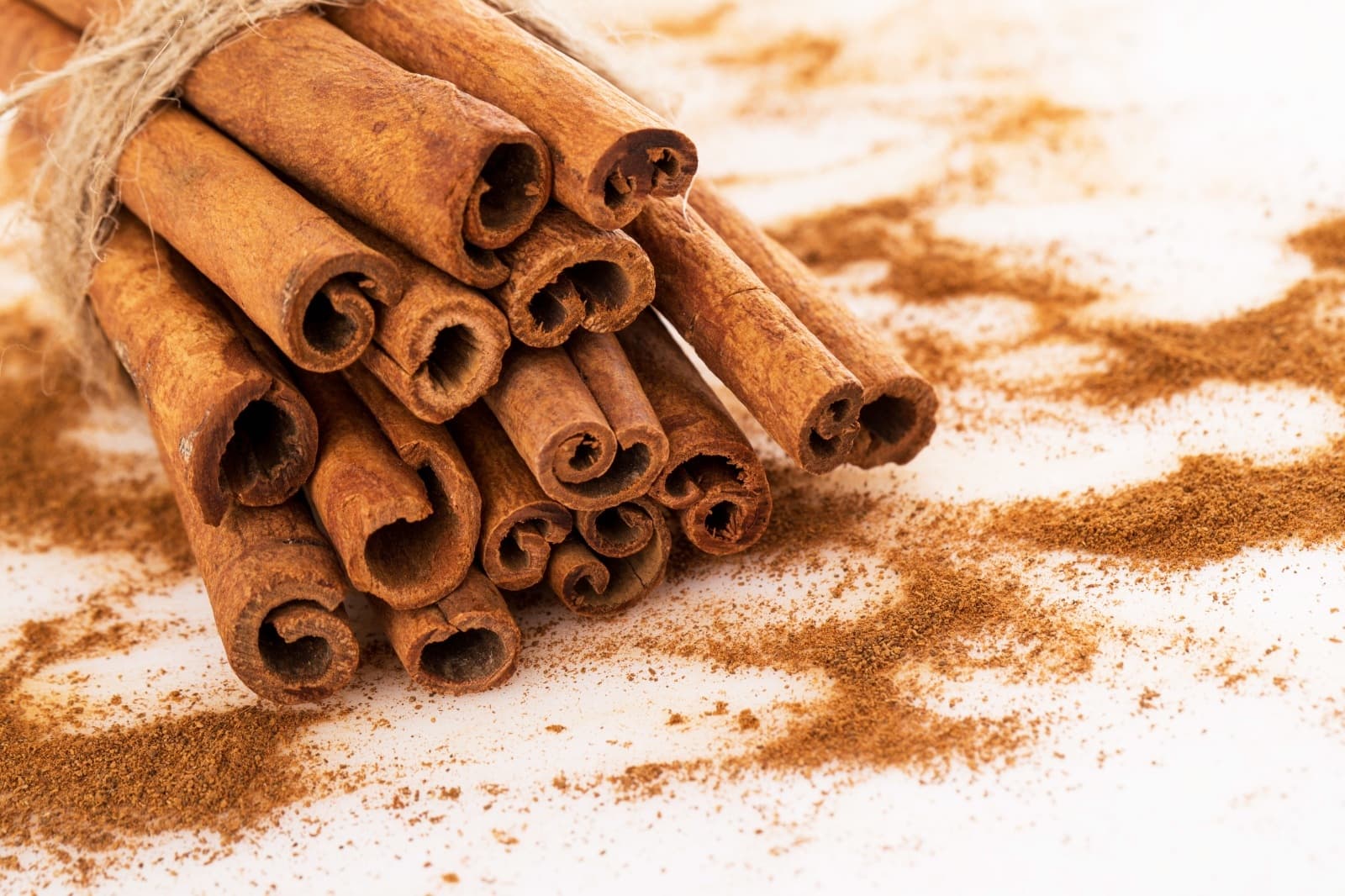
Cinnamon with diabetes as a spice, not a medicine: Ceylon versus cassia, coumarin, tea, oatmeal and when to ask an endocrinologist before capsules.

What to do when your blood sugar is high: measuring, water, a walk, the next meal and when it’s an emergency — without recipes that promise a medicine that works in five minutes.

What to eat with diabetes: the plate method, Macedonian meals, carbohydrates by portion and a one-day sample — no extreme bans and no substitute for a doctor.

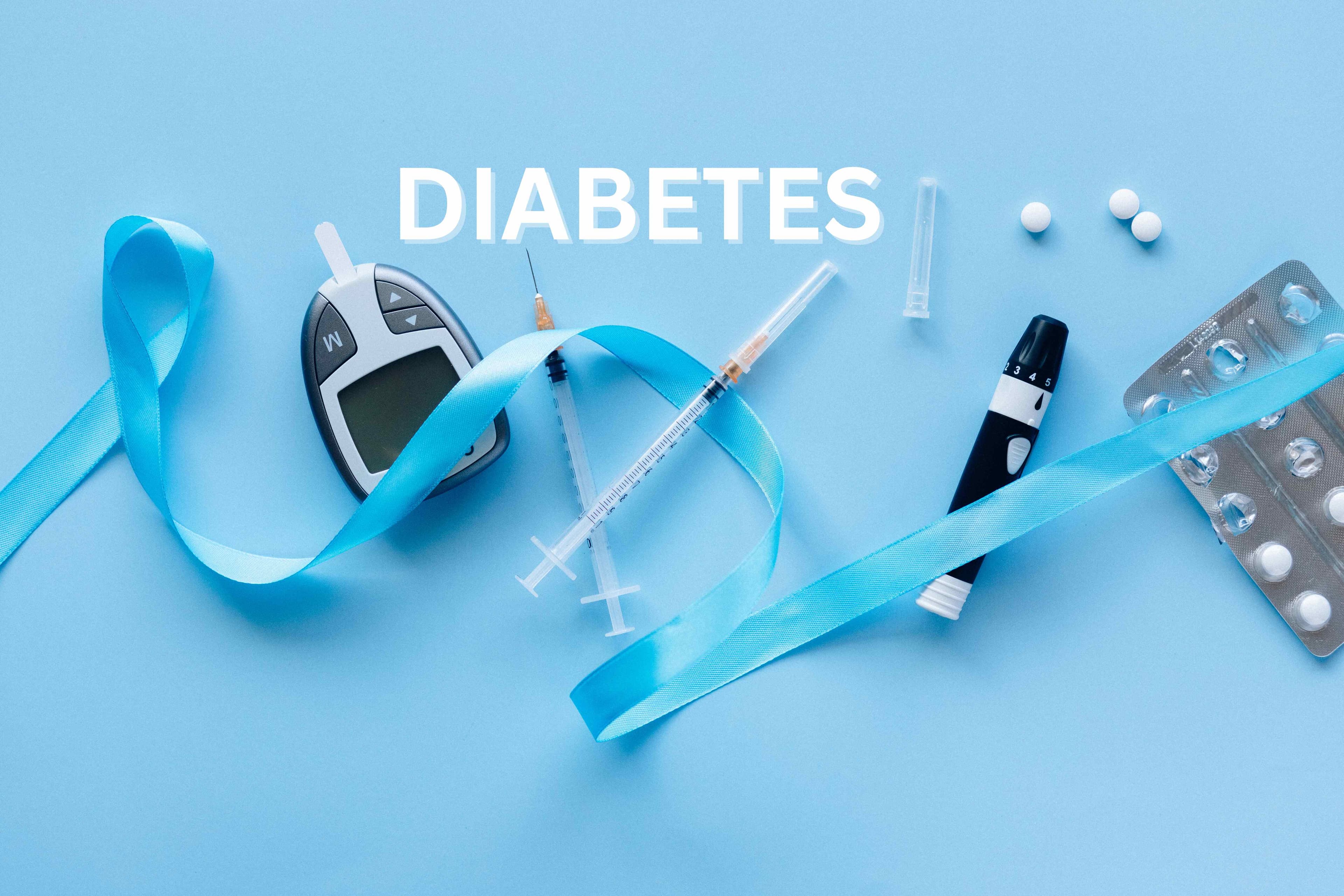
What diabetes is, what the types are, how it is monitored and which habits matter — an educational overview with no promises of miracle solutions and no substitute for a doctor.

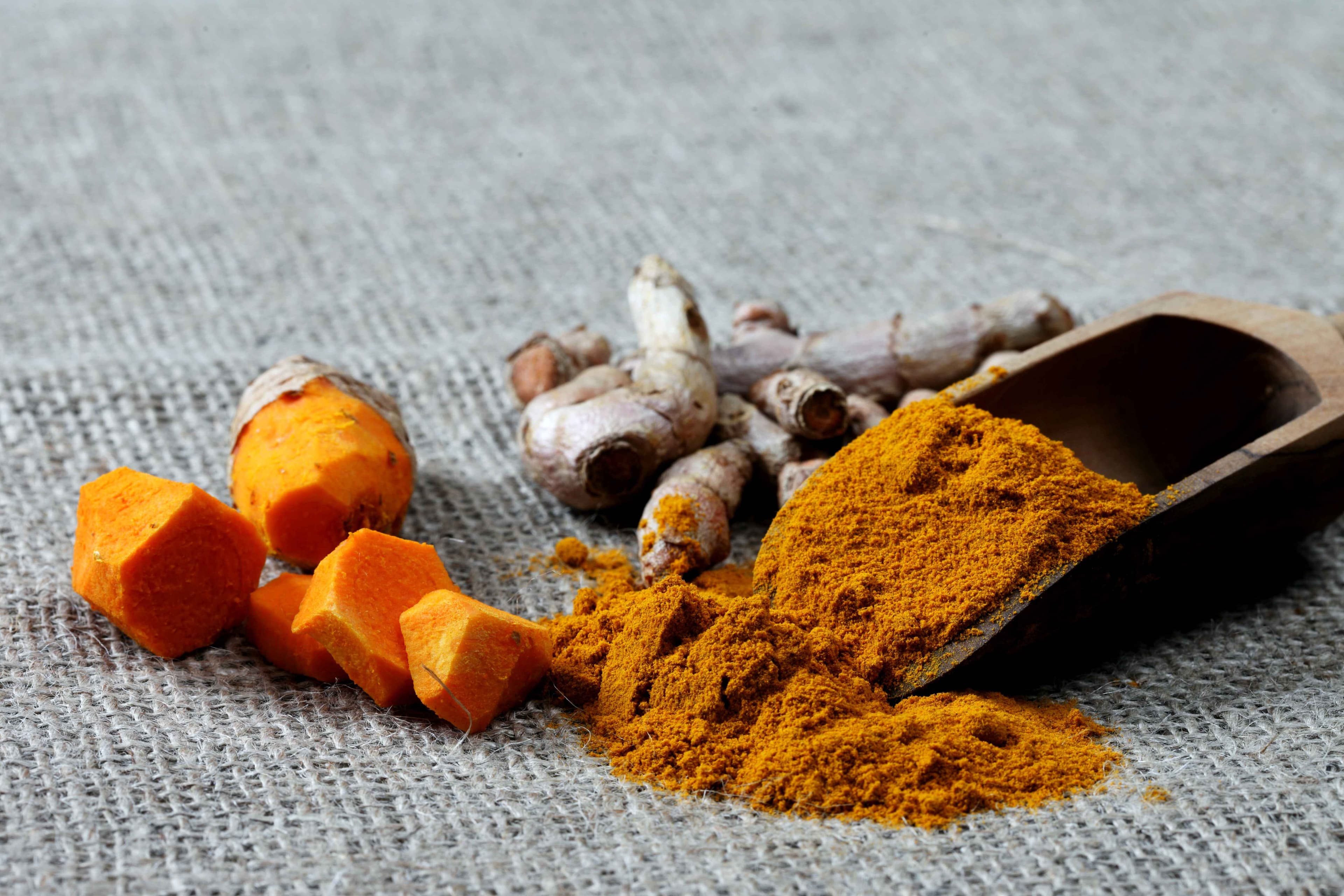
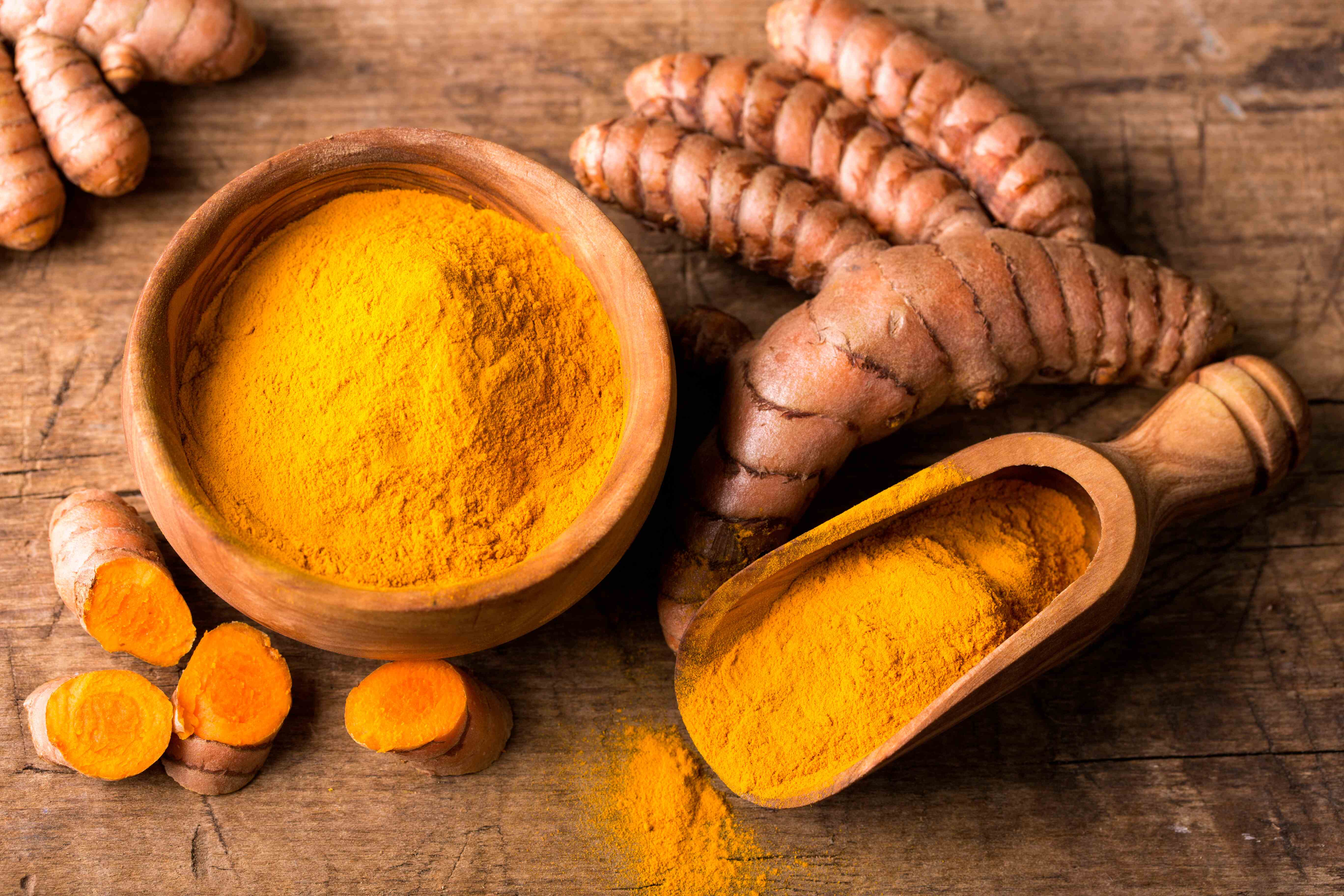
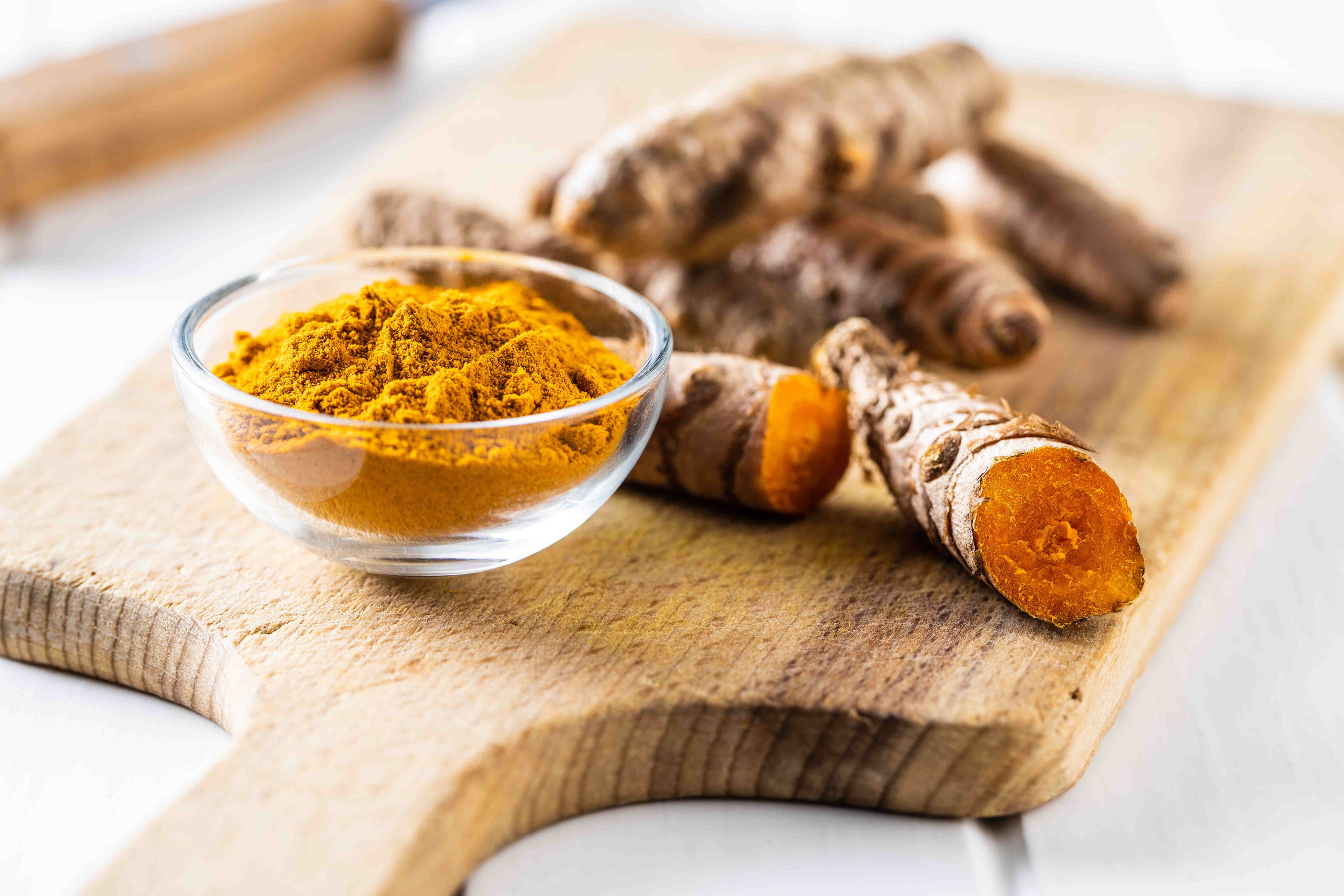
How turmeric and curcumin come into the conversation about joint pain: inflammation, limits, forms and what to do before the jar.

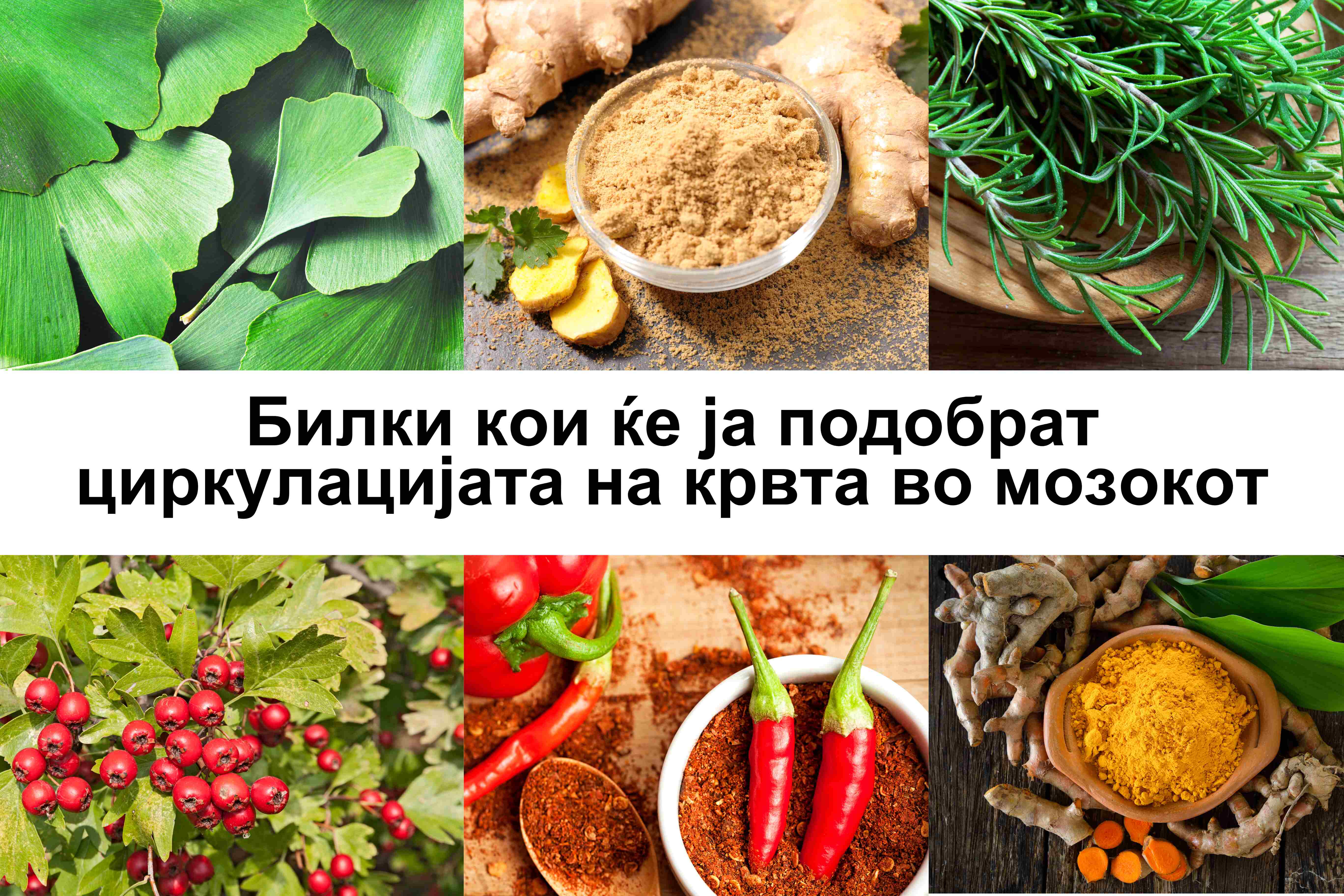
Ginkgo, rosemary, ginger, hawthorn and turmeric are the herbs most often mentioned for cerebral blood flow. What tradition says, where science is cautious, and why this is neither a list for peripheral nerves nor a medicine for stroke.

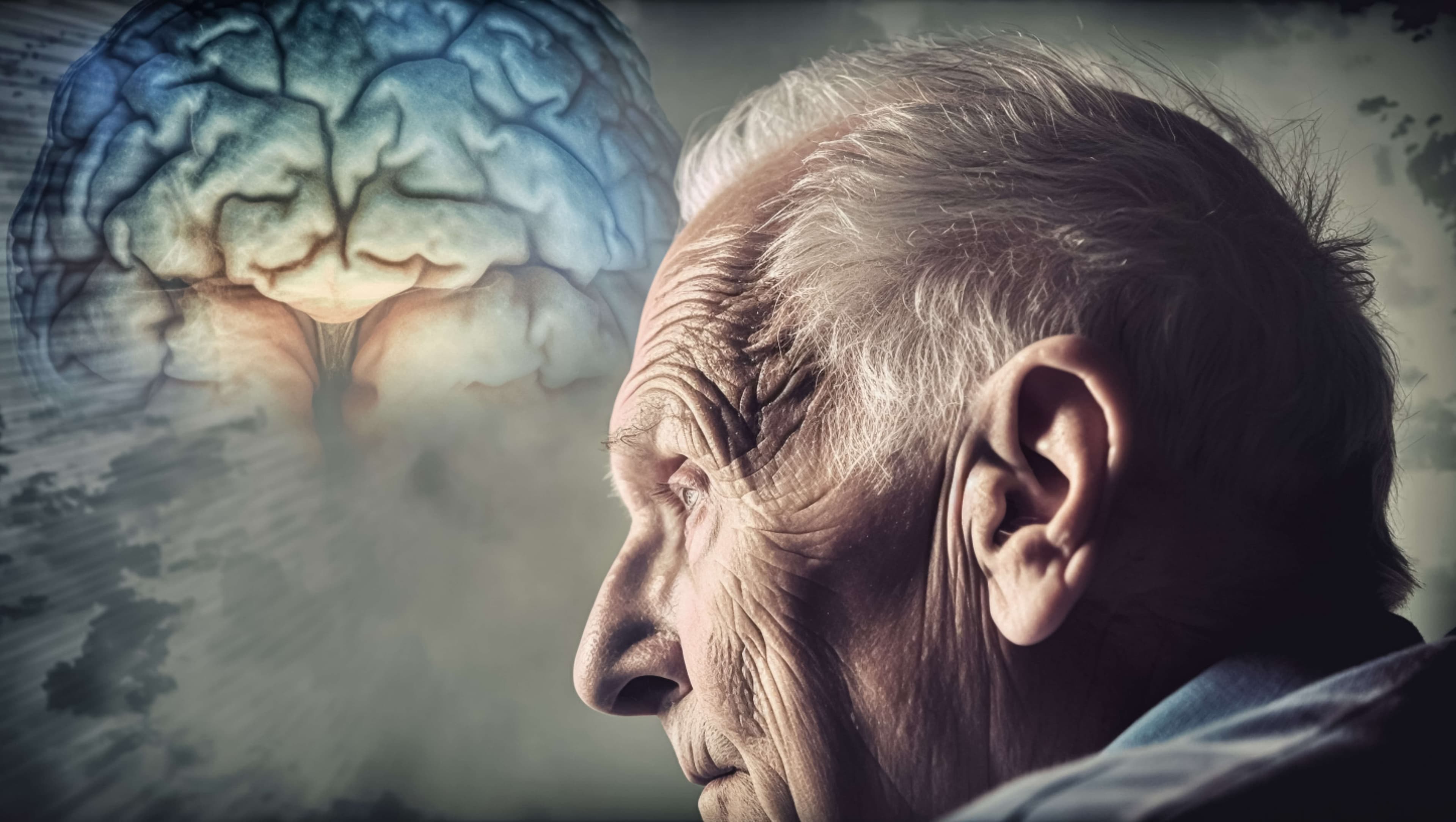
Cerebral circulation carries oxygen and glucose to the neurons and carries waste products away. An explanation without panic, the signs that mean it is an emergency, habits that support blood flow and where herbs come in as a layer — not as a medicine for stroke.

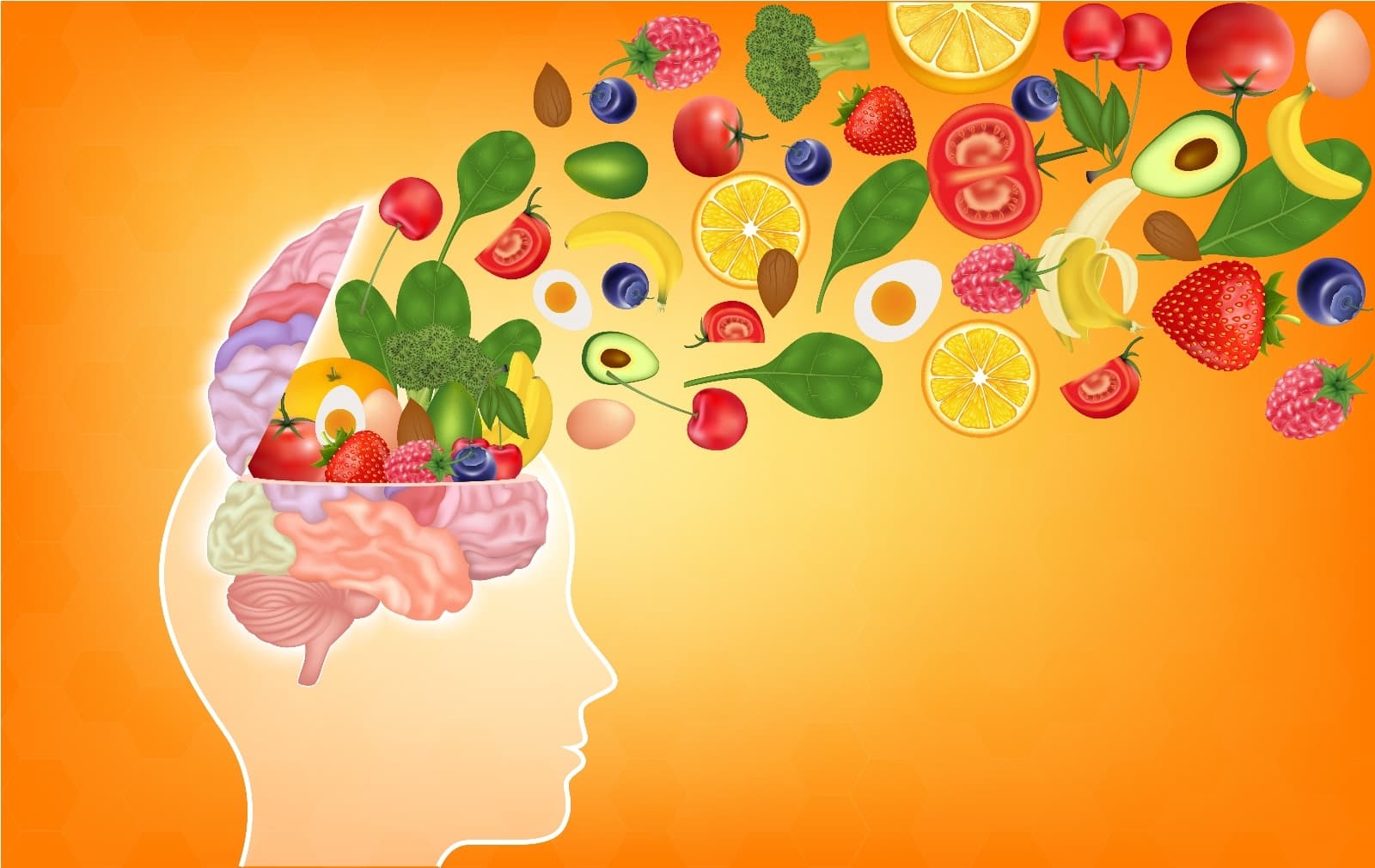
Memory isn’t “fed” by a single superfood. Omega-3, B vitamins, zinc, magnesium and stable blood sugar support working memory. A practical daily plan — no myths and no repeating the superfood list.

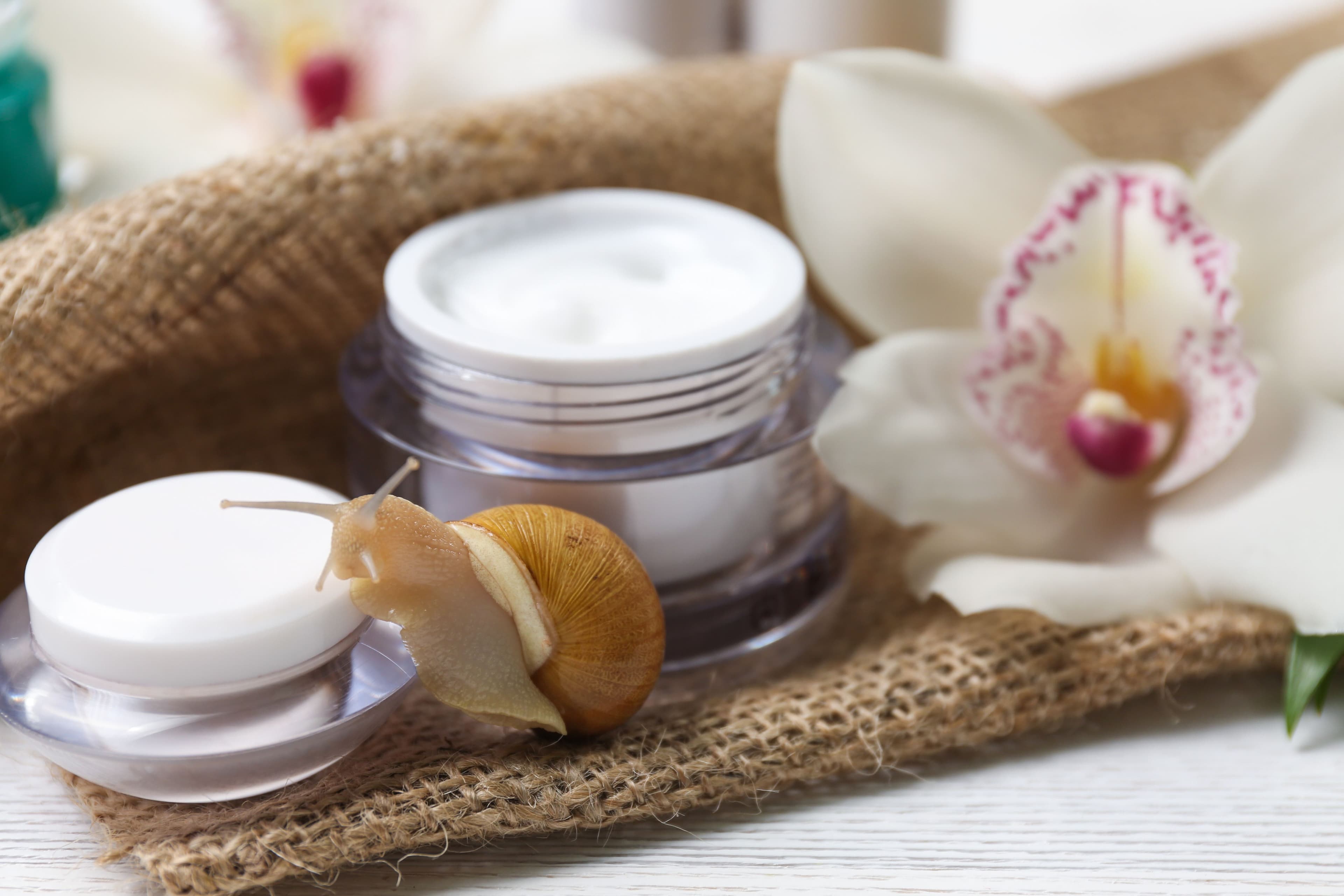
What creams with snail mucin do for the skin — hydration, barrier, glow — and how they differ from the joint capsule.

Curcumin is not magic. What this polyphenol is, why it is linked to inflammation and joints, and where the old headlines went too far.

What is attributed to the lion’s mane mushroom — focus, nerve comfort, digestion — and what remains unproven. Not a medicine for dementia.

Piperine improves the appearance of curcumin in the blood. What that means in the kitchen and in a supplement — and what the combination does not cure.

After TURP or a prostatectomy, recovery depends on the technique and on your habits. What to expect with the catheter, continence and your sex life — following the surgeon’s instructions.

Prostate cancer is often silent at first. What the risks are, what PSA measures, how the diagnosis is confirmed and why a supplement is not a cancer plan.

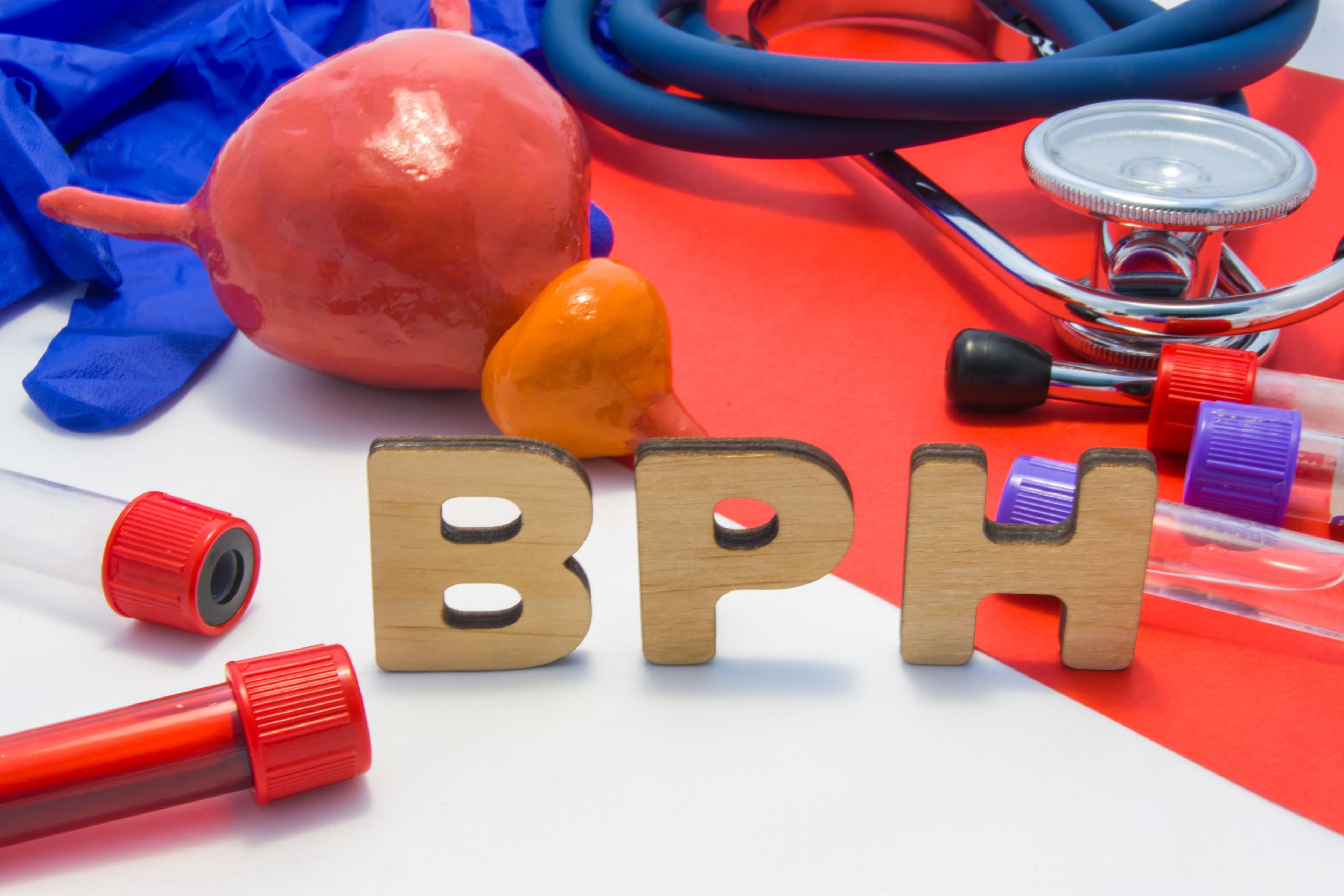
BPH is a common growth of the prostate after age 40–50. What the symptoms are, why the stream weakens and what the urologist decides — medicines, habits or surgery.

Prostatitis is not a single disease. We explain the four types, why the pain is often not caused by bacteria and why an antibiotic and a supplement are not the same thing.

Prostatitis, benign hyperplasia and prostate cancer are the three diagnoses most often confused. How they differ and why the first step is a urologist, not a supplement.

Prostate pain rarely stays in one place. Where it spreads, what causes it and which steps make sense before — and after — a visit to a urologist.

Frequent urination, a weak stream, waking at night or pelvic pain are not “normal aging.” How to tell the signs apart and when you must see a urologist.

The prostate is a small gland below the bladder in men. We explain where it is, what it does and why, with age, it deserves a regular urological checkup.

How and when to take aloe vera without home “courses” and without doses for diseases. Empty stomach versus with food, what quality juice means, who should pause and where the syrup with aronia fits in.

Dose, timing, powder versus tablet, what to mix it with and how to recognize quality spirulina — without repeating the benefits article.

What spirulina really provides: protein, pigments, minerals. Where the claims about cancer, blood pressure and detox are exaggerated — and how to choose quality.

How to use turmeric in food, tea, golden milk, liquid form or capsules, how much a day, why with black pepper, for joints, side effects and who should be careful.

What snail extract is, what the slime contains and where it makes sense — skin from the outside, joints from the inside — with no promises about medicine or cancer.

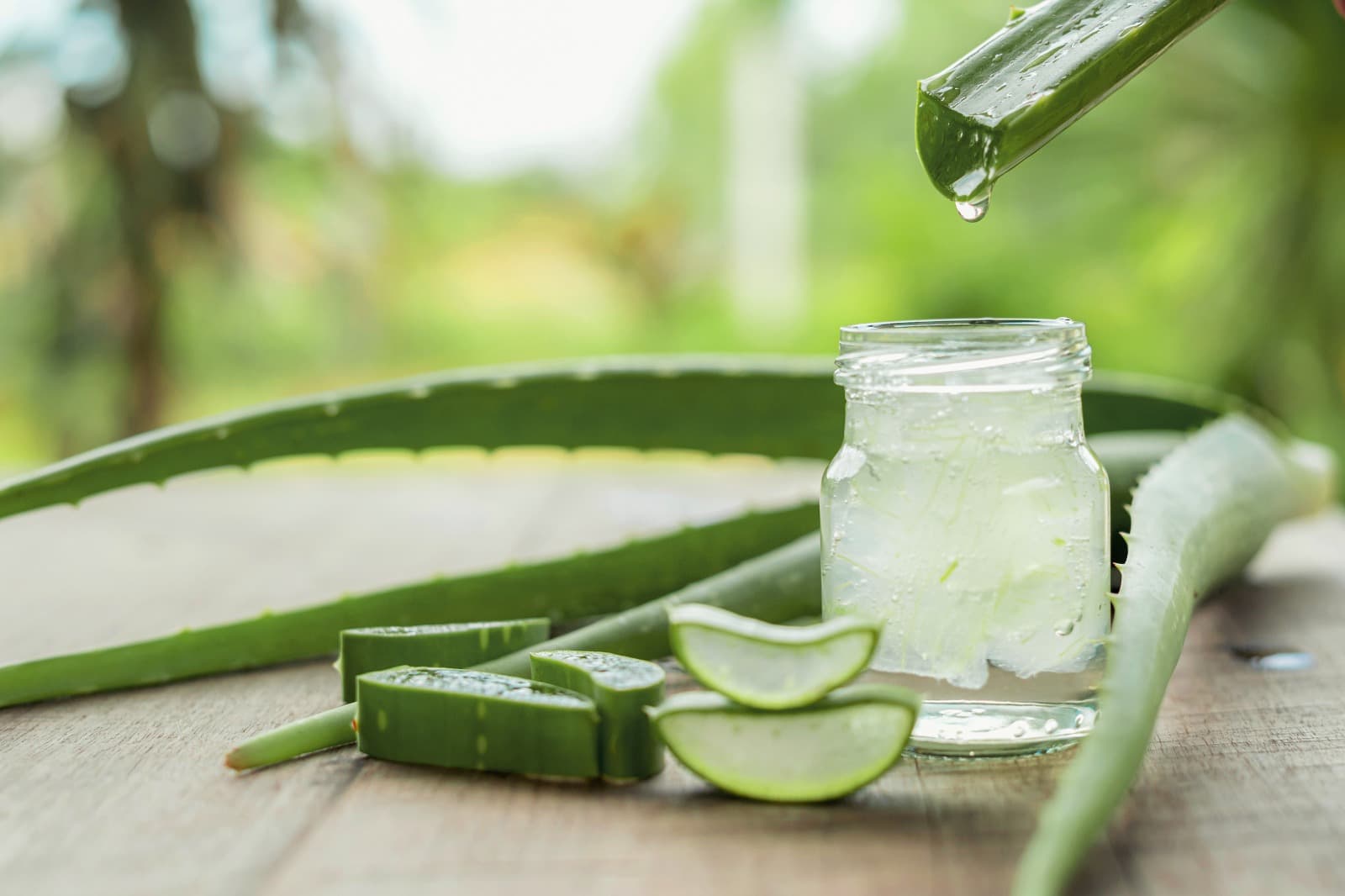
Aloe vera is not a medicine for diseases. The polysaccharides, enzymes and water in the gel are associated with digestive comfort and skin care. What’s real, what’s marketing, and where the combination with vitamin C, D3, zinc and aronia fits in.

Saw palmetto, nettle, pumpkin seeds and zinc are often sought for urinary comfort. What is tradition, what is evidence, and why herbs do not treat cancer or infection.

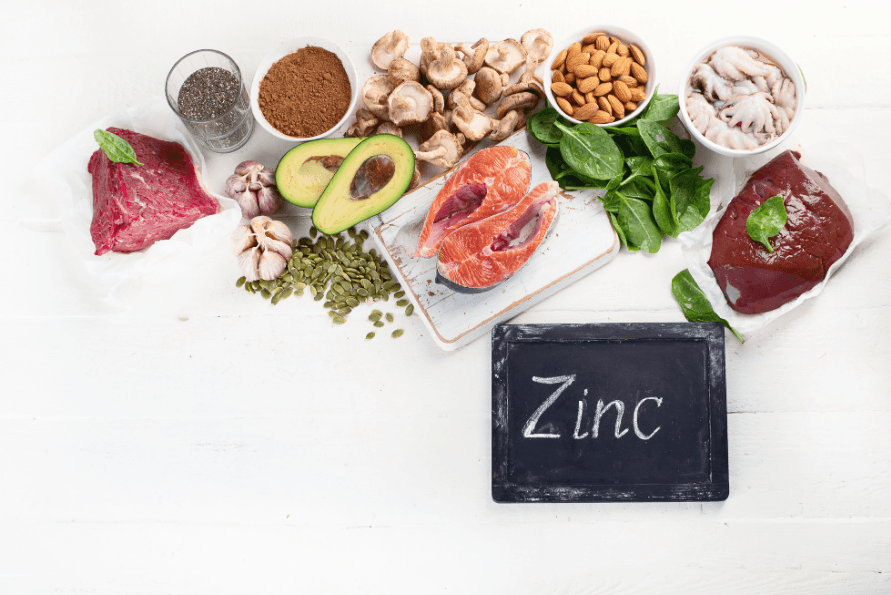
Which 15 foods provide the most zinc — from oysters and beef to pumpkin seeds, yogurt and dark chocolate — and why phytates change absorption.

Sixteen herbs linked with appetite, thermogenesis, blood sugar and digestion — with honest limits. None of them works without a deficit and sleep.

Cinnamon for weight loss without promises of fast fat melting: flavor, fullness, glycemic calm and why the calorie deficit is still the engine — not the spoonful of spice.

When to take zinc, morning or evening, on an empty stomach or with food, how many mg a day, which form to choose, what it is good for, symptoms of deficiency and what not to combine it with.

Serenoa repens is the most common herb for urinary comfort in men. Where the plant comes from, what the trials say, how much to take and which effects to watch for.

Which plants are traditionally associated with nerve comfort, sensation in the extremities and balance — plus the role of magnesium and adaptogens. For information only, with no promises of treatment.

What kind of diet is linked to a lower risk of type 2 diabetes: plant fiber, legumes, fewer processed carbohydrates — in the language of the studies, without promises.

Foods, omega-3, antioxidants and minerals that support memory, focus and nerve resilience — no hacks, with an everyday plan.

Practical guidance on sleep, diet, physical activity and hygiene for children — plus when supplements make sense, only after talking to a pediatrician. No “miracle” formulas and no diagnoses.

An educational overview: the central and peripheral nervous system, risk factors and lifestyle — no diagnoses and no promises of treatment.

From vitamins C and D to adaptogens, mushrooms and dark fruits — an overview of natural approaches to immune resilience, plus the habits without which supplements lose their point.

Curcumin from turmeric is studied for inflammation and cellular pathways. That does not make it a medicine for cancer. What is known, what is not, and why the oncologist comes first.

What high blood pressure is, which values call for a doctor and which habits help together with therapy. Supplements are not a medicine for hypertension.

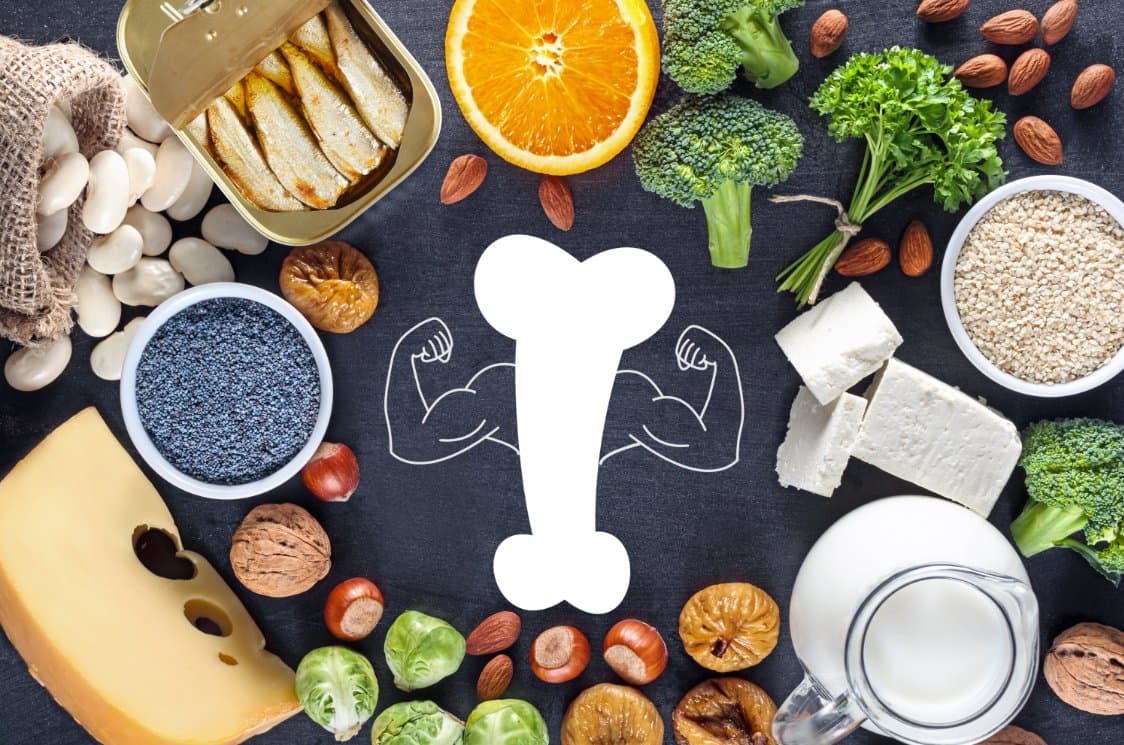
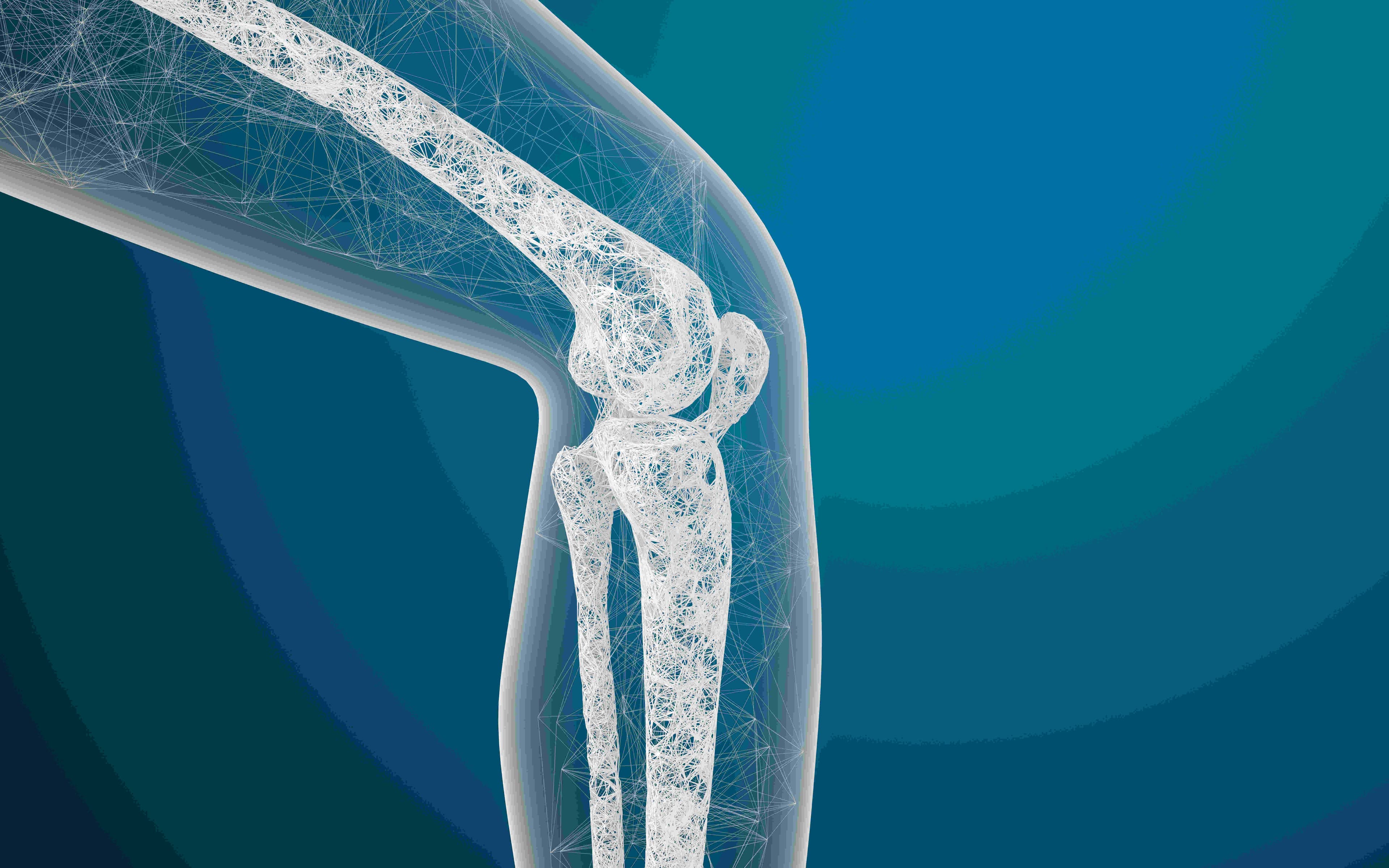
Which nutrients really support bones: calcium, D3, K2, magnesium, protein and collagen — together with movement and your doctor, without promising they work like a medicine.

What free radicals are, why the body needs antioxidants from food and why megadoses are not a medicine. Carotenoids, polyphenols and a practical plate.

The first year of daycare brings viruses — that is often learning, not “weak immunity.” School routine: sleep, lunch box, hygiene, fresh air. No adult doses. A pediatrician before any supplement. The deeper background is in the main article on children’s immunity.

How diabetes comes to be suspected: recurring symptoms, fasting tests, HbA1c and OGTT, and why only a doctor confirms the diagnosis.

Seven concrete steps for healthy weight loss that start today: goals, plate, movement, water, sleep, stress and support — no extreme diet from Monday.

When coffee stops helping: sleep, protein, water and when an amino-energy drink makes sense. You don’t have to forget coffee — just put it in its place.

Turmeric doesn’t melt kilos on its own. How the spice, curcumin and piperine fit into your plate, movement and a moderate weight plan.

Ten spices and plants that are often mentioned in connection with glucose — as a spice and a tea, not as a medicine. What tradition says, where the limits are and when to ask a doctor.

How drinks hide calories and which drinks really help satiety: water, tea, protein shakes and fiber — no miracle detox.

A daily routine for steadier glucose with diabetes: meals, walking, monitoring, sleep and when a supplement is only support — never a replacement for therapy.
Looking for a specific topic? Write to us — we read every message.
GET IN TOUCH →