The old headline presented curcumin as a miracle ingredient. We’re dropping that. Curcumin is a polyphenol from the root of turmeric (Curcuma longa). There is research on inflammatory pathways and joint comfort. No miracles, no cancer therapy, no substitute for a diagnosis.
This article is for informational purposes and does not replace medical advice. Food supplements are not medicines. Consult a doctor before use, especially if you have a chronic illness, are pregnant or breastfeeding, or take medicines. Results vary from person to person.
This is the article about the molecule. For knee pain: turmeric for joint pain. For piperine: turmeric and black pepper.
What curcumin is, in practical terms
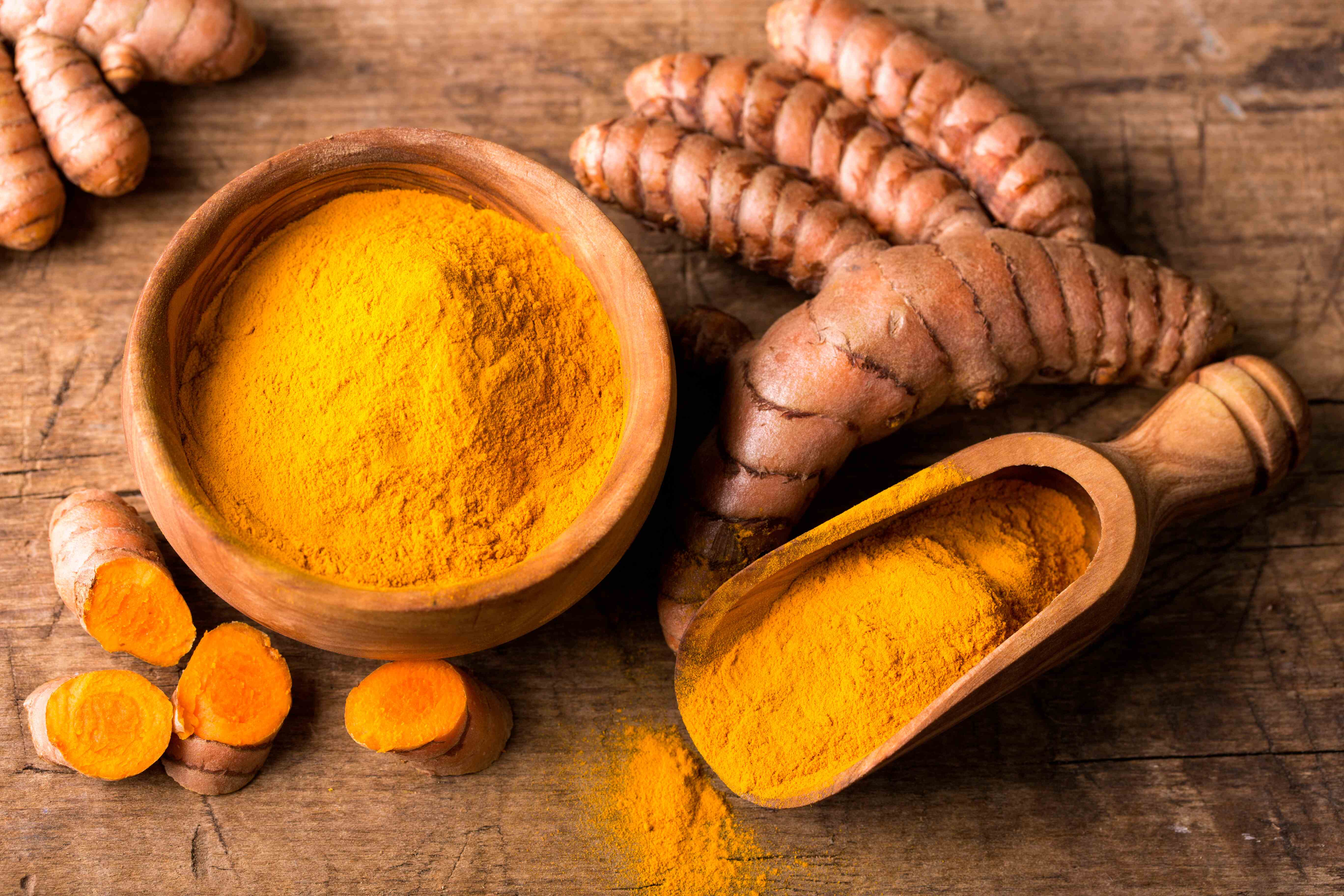
Turmeric is a spice. Curcumin is one of the yellow substances in it (together with demethoxy- and bisdemethoxycurcumin). Supermarket powder contains only a little of it. In an extract it is measured in milligrams and is often standardized (e.g. curcuminoids %).
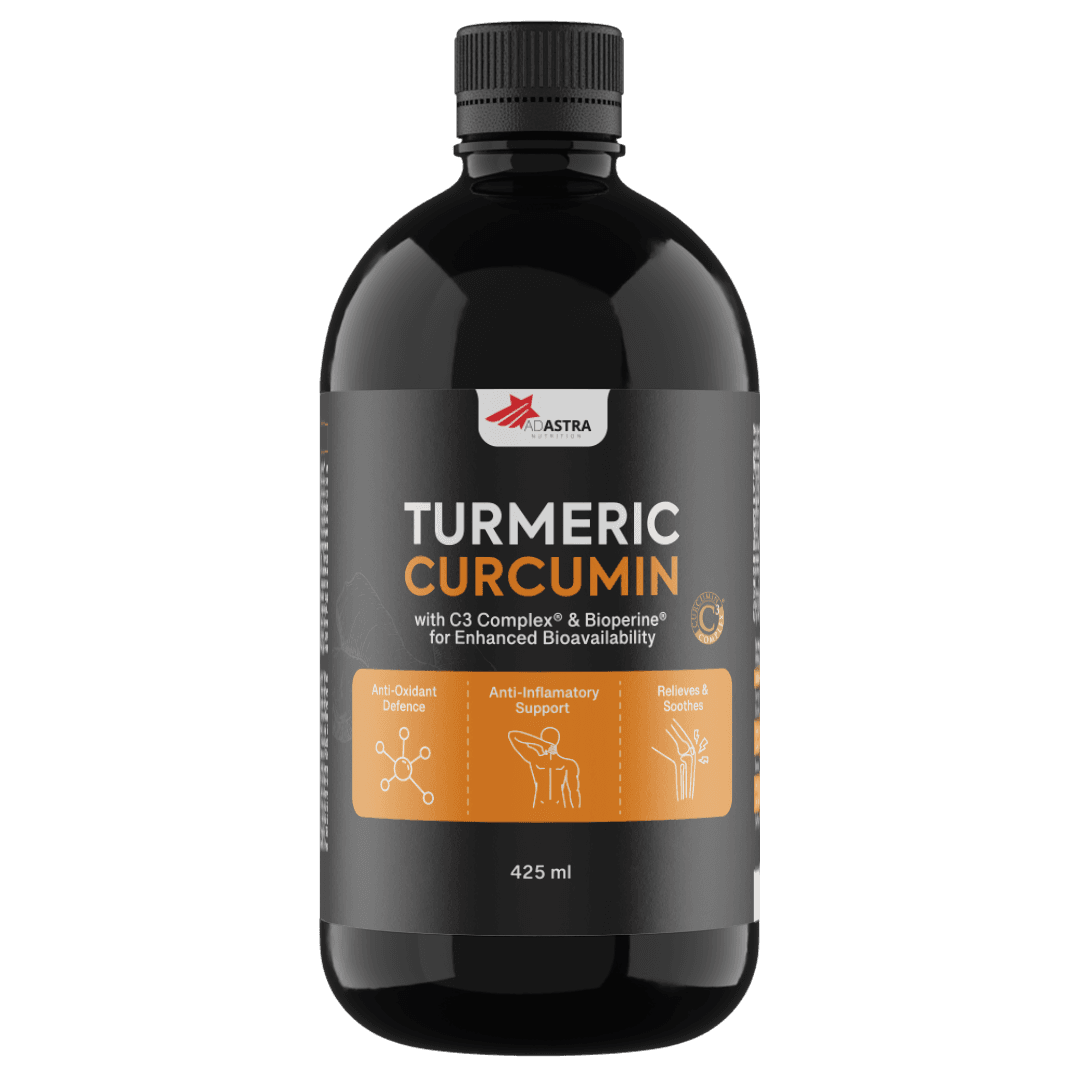
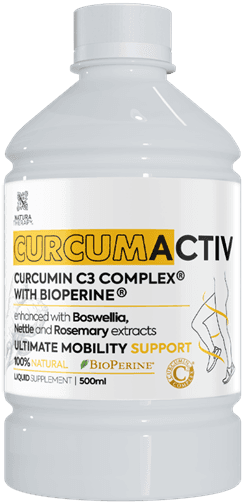
That’s why “I cook with turmeric, so I’m taking curcumin like in a study” is rarely true. That’s why formulas like Curcumactiv and Turmeric Curcumin 425 ml exist.
Why it is linked to inflammation
In the lab, curcumin interacts with signaling pathways linked to inflammation (among them NF-κB and cyclooxygenases — names that headlines love). In humans the picture is more modest: some trials in osteoarthritis report less discomfort and better function versus placebo, with variability in dose and quality.
That is an argument for nutritional support, not for the sentence “more effective than anti-inflammatory medicines.” NSAIDs, disease-modifying medicines and physical therapy have their own place. Curcumin doesn’t compete with them in a headline.
Joints — the most common reasonable case
If you’re looking for curcumin, most often your knee, hip or hand hurts from strain or age. Then:
- movement within a range you can tolerate;
- bringing your weight down if the joint carries excess load;
- standardized curcumin with piperine, according to the label, 8+ weeks;
- a doctor if there is swelling, redness, pain at night, fever.
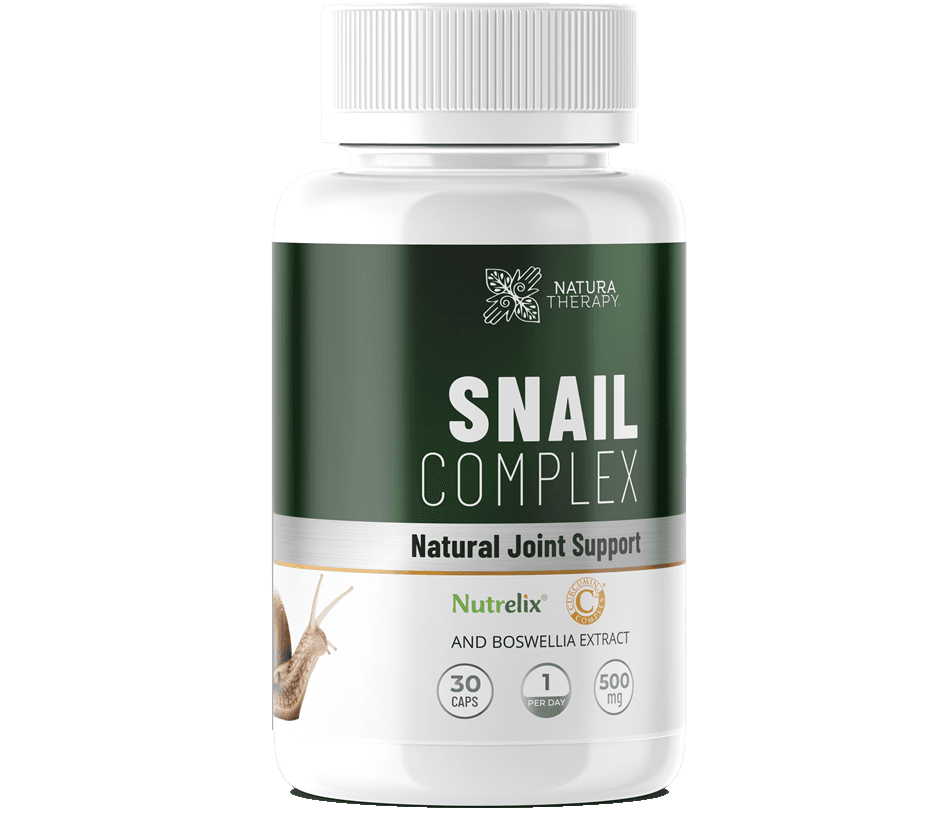
Catalog: Bones and joints. Neighbors, not substitutes: Snail Complex, collagen peptides, glucosamine sulfate.
Where older articles went wrong
- Malignant diseases. Effects on cell lines in a test tube are not therapy for a patient. Curcumin does not destroy tumors and does not stop metastases.
- Alzheimer’s, depression, “intelligence in children.” Too early, too broad, sometimes harmful as advice.
- Heart attack and atherosclerosis as an indication. A healthy lifestyle, yes; curcumin as a heart medicine — no.
- A detox that cleanses the body. The liver has its own job. A spice is not a filter.
How to take it without the theatrics
- Choose one formula: Curcumactiv or Turmeric Curcumin 425 ml, both liquid.
- Piperine is already in many formulas — don’t stack it.
- With food if your stomach bothers you.
- Don’t mix it with high doses of other yellow spices “for synergy” without a label.
- Stop if you get a rash, severe cramps or pale stools, or if your surgeon is preparing you for an operation (possible interaction with blood clotting).
Ayurvedic history is culture, not evidence for gallstones, parasites or irregular periods. With such symptoms — see a doctor.
The standardization on the label (the percentage of curcuminoids, a patented name such as C3 Complex) tells you what you are measuring. “Turmeric 500 mg” without a percentage may be almost nothing but root powder. That’s why formulas differ, and why you shouldn’t compare price per jar without looking at the composition.
Your urine or stool may turn more yellow. That isn’t “a cleanse coming out.” If you have pale stools, severe pain under the ribs or a fever — it’s not the spice, it’s a matter for a doctor.
Don’t mix up studies on root powder with studies on highly dispersible curcumin. Bioavailability is half the story; the other half is whether your joint actually hurts or you just want “an antioxidant in the drawer.”
Keep the syrup closed, with a dry cap, away from the stove. Capsules — in a dry, dark place. An expired extract doesn’t become “stronger,” just unpredictable. If you find the taste of the syrup heavy, dilute it according to the label, not according to an Instagram recipe with honey and vinegar. Don’t mix it with alcohol “for better absorption.”
What a fair eight-week course looks like
Write down your starting point: which joint, when it hurts (mornings, stairs, after sitting), which formula, which dose. Don’t change three things at once — if you started both physical therapy and curcumin, you won’t know what helped.
Week 2: your stomach. If there’s acidity, take it with food or stop. Week 4: the same route to the store — easier, the same, worse. Week 8: decision. Continue, pause, or see a doctor.
If the pain moves around, there is swelling or it wakes you up, the course ends sooner. That isn’t “you didn’t give it a chance” — that’s a clinical picture.
Side effects the headlines hide
Curcumin is often well tolerated, but it can cause nausea, reflux or diarrhea. People with gallstones should ask before taking an extract. Piperine can change how medicines are processed. We delete any sentence claiming the formula has no risks.
Frequently asked questions
- Is curcumin a medicine for inflammation?
- No. It is an ingredient in foods and supplements. It may support comfort; it does not diagnose or treat inflammatory diseases.
- Why did you drop the miracle headline?
- Because health articles must not promise miracles. A polyphenol with studies behind it is interesting enough without that label.
- Is it better than ibuprofen?
- Don’t compare them like that. A medicine has an indication, a dose and risks. A supplement is an add-on. Don’t stop a prescribed therapy.
- Can I give it to a child “for the brain”?
- Not on a blog’s advice. Children’s doses and neurological claims don’t belong here.
- Does it prevent malignant diseases?
- No. It is not an oncology therapy and does not replace screening or an oncologist.
- How long should I take it before I assess my joint?
- Often 8 weeks of consistency, together with movement. No change — reassess, don’t double the dose.
- Is golden milk enough?
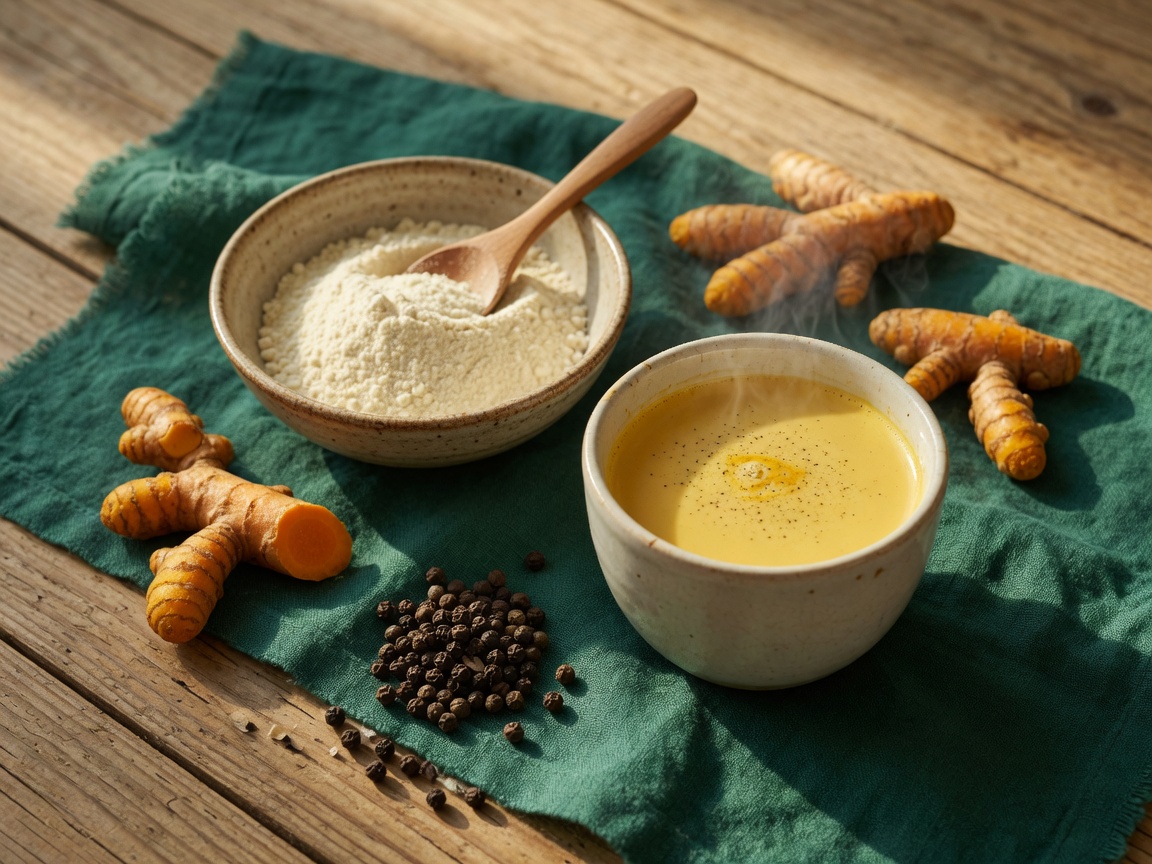
- As a ritual — yes. As a study dose of curcumin — usually not. For a measured intake, check the extract’s label.
This article is for informational purposes and does not replace medical advice. Food supplements are not medicines. Consult a doctor before use, especially if you have a chronic illness, are pregnant or breastfeeding, or take medicines. Results vary from person to person.