Diabetes is a condition in which the body doesn’t keep glucose within a safe range. Insulin — a hormone from the pancreas — is supposed to help glucose enter the cells. When insulin is lacking or works poorly, sugar stays in the blood and over the years puts a burden on the blood vessels, nerves, eyes and kidneys.
This article is for informational purposes and does not replace medical advice. Food supplements are not medicines. Consult a doctor before use, especially if you have a chronic illness, are pregnant or breastfeeding, or are taking medicines. Results are individual.
The goal here is a map: the types, why it develops, how it is monitored and where habits come in. It is not a substitute for an endocrinologist. Suspicions and tests: how to know if you have diabetes. Signs: first symptoms.
The three main types

Type 1
An autoimmune condition: the immune system destroys the beta cells that make insulin. It starts more often in children and young people, but can also appear in adults (sometimes referred to as LADA). Life depends on insulin — pens, pumps, sensors. Herbs are not an alternative.
Type 2
The most common type. Cells respond poorly to insulin, and over time the pancreas wears out. Risk factors include age, genetics, excess fat around the belly, little movement, sleep and some medicines. It can be silent for years. Therapy starts with habits and often tablets; some people later need insulin as well. That’s not a “failure” — it’s biology.
Gestational
It occurs in pregnancy when hormones reduce insulin sensitivity more than the pancreas can compensate for. It is managed with a gynecologist and an endocrinologist. After giving birth, glucose often returns to normal, but the risk of type 2 later on remains higher — which is why follow-up tests are done.
There are also rarer forms (monogenic, after pancreatitis). Those are sorted out by a specialist, not a blog.
What happens in the body
After a meal, carbohydrates turn into glucose. Insulin opens the door to muscle, liver and fat tissue. With resistance, the door is stiff: the pancreas pushes out more insulin, glucose and insulin stay high, and appetite and fat tissue get locked in a cycle. Over the years, high glucose damages both small and large blood vessels.
That is why “control” is not just one number in the morning. It is the curve across the day, HbA1c, blood pressure, lipids, feet and eyes.
Why the numbers are rising worldwide
International reports speak of hundreds of millions of adults with diabetes, mostly type 2. Behind that are more sitting, processed carbohydrates, less sleep and an older population — not “weak willpower.” In Macedonia, hundreds of thousands of diagnoses are cited, and even more unrecognized cases. Screening in at-risk groups is a public health topic, not a cosmetic one.
Complications — why early control makes sense
- Eyes — retinopathy, edema, risk to vision.
- Kidneys — protein in the urine, declining function.
- Nerves — burning, numbness, autonomic complaints.
- Feet — wounds that heal poorly.
- Heart and brain — higher risk of heart attack and stroke.
This is not about fear. This is why measuring and the medicine you have been prescribed are not bureaucracy. Habits reduce the burden; they don’t magically erase the risk.
How the condition is monitored
- Glucose meter or sensor — according to the plan.
- HbA1c every few months.
- Blood pressure, lipids, kidney markers.
- Eye and foot exams.
Targets are individual. An older person at risk of falls may have a slightly more flexible target than a young person just starting out. Don’t copy someone else’s HbA1c from a forum.
Pillars of control
A diet with protein and fiber, carbohydrate portions you know, fewer sugary drinks. Movement: a walk after meals and strength training twice a week if it’s safe. Sleep and less tobacco. Medicines exactly as prescribed. Details on the plate: diet — what to eat. On the myths: natural control without myths.
A plant-forward plate often helps, but a “vegan” cookie is not a medicine. See diet and risk.
Where supplements fit in
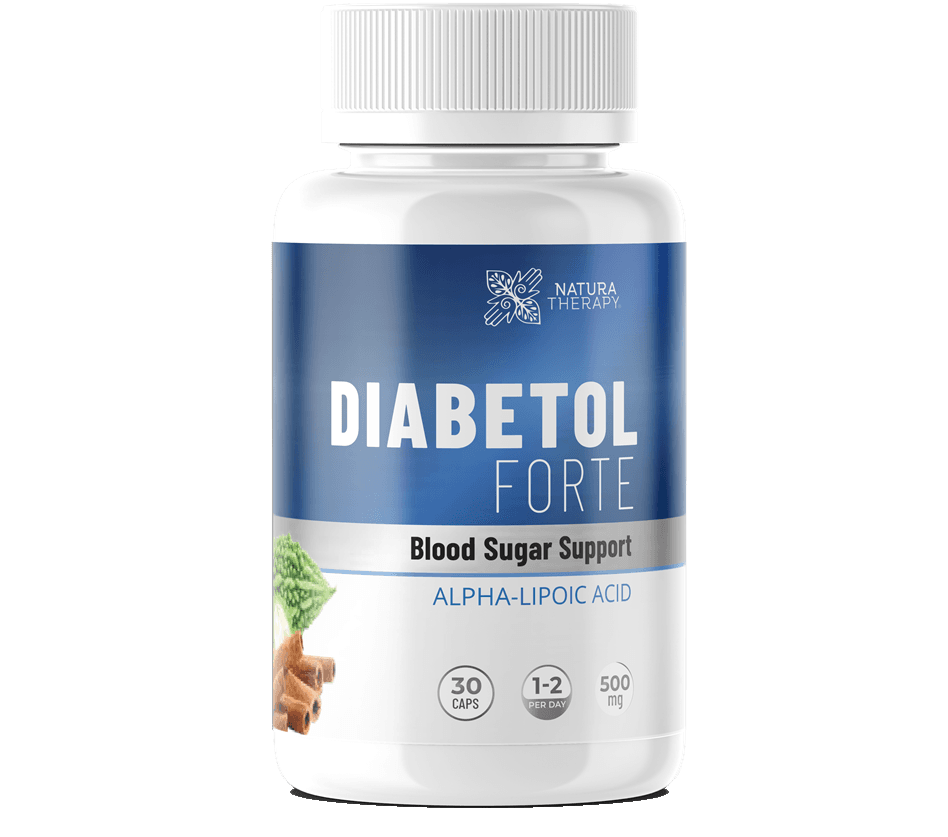
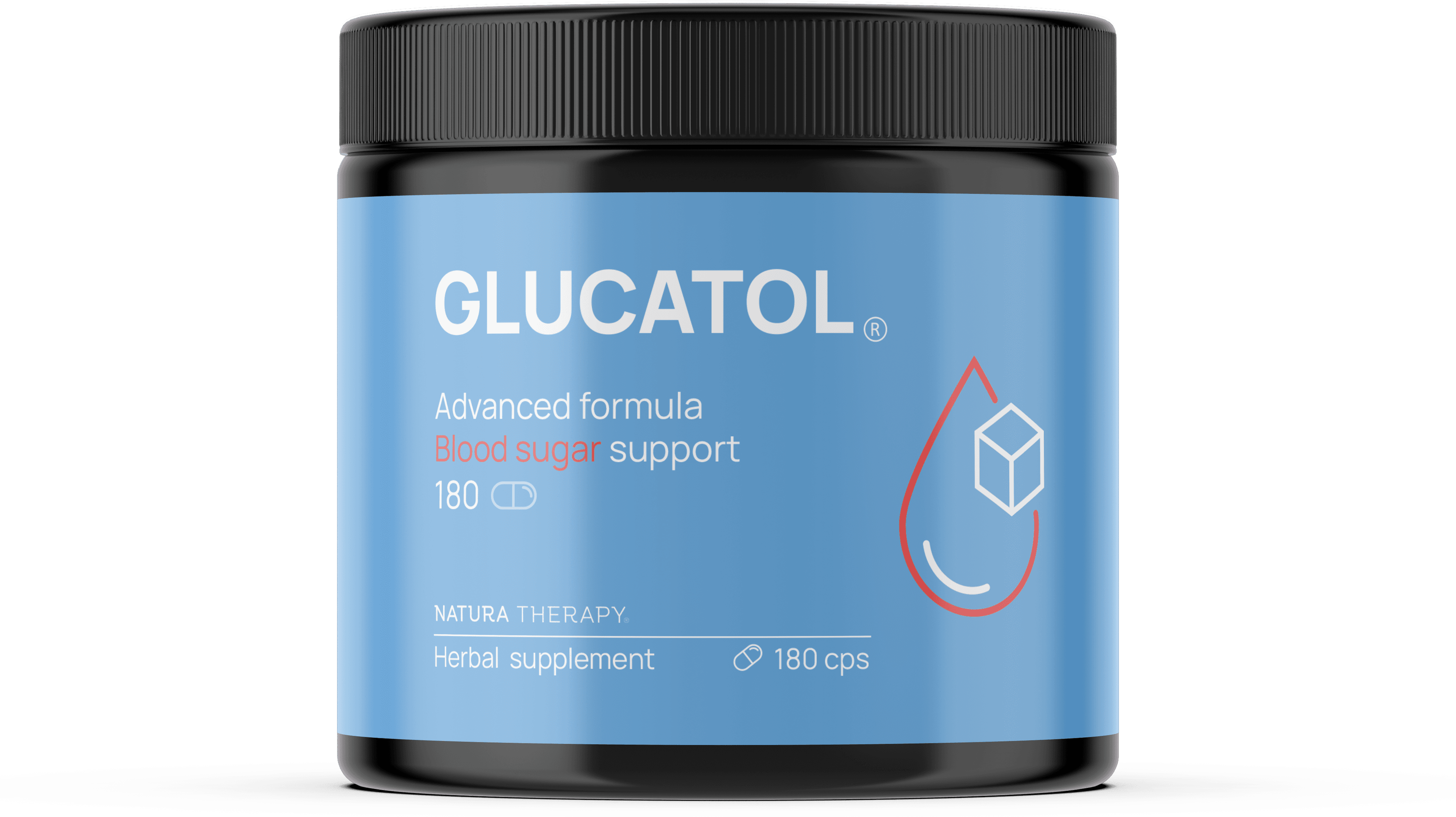
Food supplements do not treat the disease. They can be a layer if your doctor agrees — minerals, plant extracts, alpha-lipoic acid. In the Diabetes category you’ll find Diabetol Forte as a formula to support carbohydrate metabolism and Glucatol 180 as an additional option in the catalog. Neither one replaces insulin or a tablet.
On minerals specifically: sugar and mineral deficiency.
Prevention in type 2
Not everyone with the genetics will develop type 2, and not everyone without them is in the clear. What you control: steps, weight around the waist, sleep, tobacco, regular screening. Type 1 is not prevented with diet.
The team around you
A good plan rarely means just one doctor. Family doctor — screening and prescriptions. Endocrinologist — therapy and goals. Diabetes educator, if you have one — glucose meter, pens, carbohydrates. Ophthalmologist — eyes once a year or more often. Dentist — gums suffer when glucose is high. For your feet — a podiatrist or a surgeon who works with wounds. You don’t need them all at once; you need to know whom to look for.
Family is part of the team when they don’t offer cake as proof of love and when they walk with you after lunch. Explain to them that control is a long haul, not a race to a wedding.
Work, driving and travel
If you are on insulin or on a medicine that can lower blood sugar, carry a glucose meter and fast-acting carbohydrates. On a long trip, measure before you drive if you feel strange. In the heat, glucose and fluids change faster — water in your bag, not just coffee.
When you travel, take twice as many strips and medicines as you think you need, plus a prescription and contacts. Time zones mix up your therapy — agree on a plan before the flight, not at the hotel.
Mental health is not a footnote
A diagnosis brings fear, anger and shame. That affects your sleep and whether you take a reading. If you avoid the glucose meter because the number “judges you,” tell your doctor. Support is not a luxury. Control is easier when you are not alone against the numbers.
How to read news and ads
Every month a “new discovery” comes out. Questions that cut through most headlines: is it a study in humans or in mice; how many participants; is it compared with standard care; does it promise you can drop your therapy. If the answer is murky, close the tab.
Ads for a “natural product for diabetes” often steal language that should stay with the medicine and the doctor. A food supplement is described as support. If you see “guarantee” and “in 7 days,” close the page.
The year after diagnosis — a realistic rhythm
- The first month: learn to measure, to recognize low blood sugar, and to eat at similar times.
- The third month: the first HbA1c after the changes, a conversation about the dose.
- The sixth month: eyes and feet if they haven’t been checked yet, lipids and blood pressure.
- The following year: a rhythm you can sustain, not a perfect January plan.
More on the daily curve: normal glucose. On the plate: what to eat.
Numbers you hear and what they mean
HbA1c is an average, not a punishment. A glucose meter reading is a moment. A sensor shows arrows — useful if you know what to do with them. Ketones are an urgent signal in type 1 and in people who are ill, not a keto-diet fad. Don’t compare your morning number with someone else’s from a social media group: the medicines, the timing and the device are different.
If you don’t understand something in your test results, ask before you “google” it until midnight. Half of the anxiety around diabetes comes from a misread unit or from a forum that mixes up type 1 and type 2.
How to talk to children and grandchildren
Don’t tell them that sugar is poison and that you’re being punished. Tell them that the body handles blood sugar differently and that together you eat smarter. Children who see a walk after lunch learn more than they would from fear. If a child has type 1, the language is even more precise: insulin is needed like air, not as a punishment for cake.
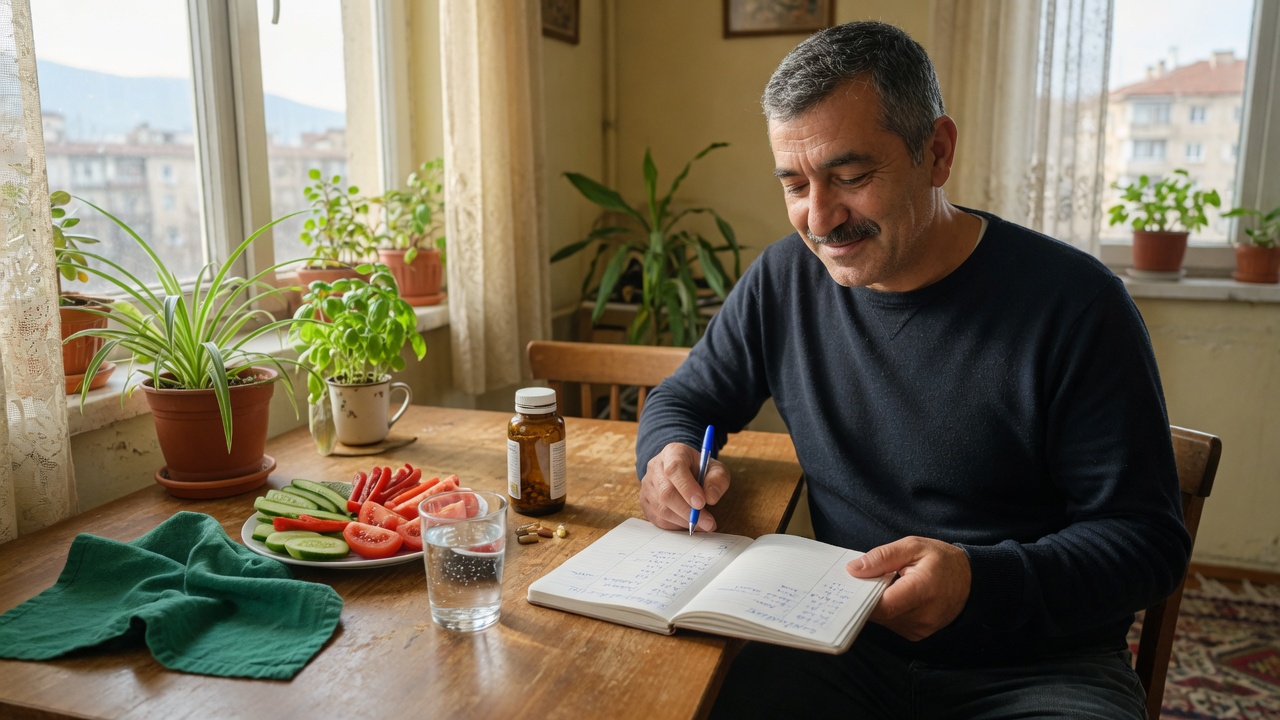
Keep one line in a notebook: medicine, dose, morning reading, how you slept. After one month you will see more than from ten headlines. That is control that belongs to you.
Frequently asked questions
- Does diabetes ever go away completely?
- Type 1 requires lifelong insulin. With type 2, some people reach remission in their numbers through a big change in weight and habits, under supervision — that is not a promise and does not mean the risk has disappeared forever.
- Is “sugar disease” caused by sugar alone?
- No. Total carbohydrates, fat around the organs, movement and genetics are all part of the story. Juice is a problem; an apple as one portion often is not.
- What is prediabetes?
- Values between normal and diabetes. It is a time for habits and control, not for panic and not for fake medicines.
- Can I have features of both type 1 and type 2?
- Some adults have autoimmune diabetes that at first looks like type 2. The specialist decides which tests (antibodies, C-peptide) make sense.
- Can I exercise?
- Usually yes, with a plan. With retinopathy, neuropathy or heart problems — ask what is safe. Carry a source of glucose if you are on insulin.
- Is a supplement like a medicine for blood sugar?
- No. Diabetol Forte and similar products are nutritional support. The therapy is managed by the doctor.
- How often should I see a doctor?
- It depends on stability. Newly diagnosed or unstable diabetes is checked more often. Ask about a schedule for HbA1c and eye exams.
- What should I tell my family?
- That it is not contagious, that the table can still be shared with smarter portions, and that their support for a walk means more than comments about “just a little cake.”
This article is for informational purposes and does not replace medical advice. Food supplements are not medicines. Consult a doctor before use, especially if you have a chronic illness, are pregnant or breastfeeding, or are taking medicines. Results are individual.