Black Friday: discounts up to 70%See the products on sale →LIMITED QUANTITIES!
•25 MIN READ

Normal blood sugar values: fasting, after eating and upper limit (table)

Normal fasting blood sugar and 2 hours after eating, hidden high blood sugar, HbA1c, pregnant women, children and older adults, low blood sugar and measuring at home. Table in mmol/L and mg/dL.

Normal blood sugar values: fasting, after eating and upper limit (table)

Quick answer. In an adult without diabetes, normal blood sugar when fasting is 3.9 to 5.5 mmol/L (70 to 99 mg/dL). Two hours after eating, normal is below 7.8 mmol/L (140 mg/dL). A fasting value from 5.6 to 6.9 is considered prediabetes, so-called hidden sugar. 7.0 mmol/L or more when fasting, measured twice, is the threshold for diabetes. For HbA1c, normal is below 5.7%, and 6.5% or more means diabetes. A single number from a glucometer is not a diagnosis, but a reason for a laboratory check.

You measured your blood sugar, there’s a number on the screen, and now you don’t know whether to relax or to worry. That’s the most common reason people here search for “upper limit of blood sugar,” “normal blood sugar values” or “blood sugar after eating.” In this guide we’ve gathered all the values in one place: fasting, after a meal, HbA1c, for pregnant women, children and older adults, in both units you’ll come across on lab results and meters.

The numbers come from the international guidelines our doctors use too: the World Health Organization, the American Diabetes Association (ADA, 2026 standards) and the guidelines of the Ministry of Health. Where they differ, we’ll also tell you why.


Diabetes

01Quick check

Blood sugar 7, 8 or 10: what your number means

For adults without diagnosed diabetes, measured with a glucose meter or in a lab. Find your number:

mmol/LFasting2 h after a mealWhat now
3.9 to 5.5mmol/LNormalNormalNothing special. A check once a year if you are at risk.
5.6 to 6.9mmol/LPrediabetes (hidden sugar)NormalRepeat in a lab and ask for an HbA1c.
7.0 to 7.7mmol/LAbove the diabetes thresholdNormalMake an appointment with your family doctor to confirm it.
7.8 to 11.0mmol/LClearly elevatedElevated, possible impaired toleranceSee a doctor in the next few days: HbA1c and OGTT.
11.1 to 13.9mmol/LVery highVery highSee a doctor the same day or the next.
above 13.9mmol/LDangerously highDangerously highUrgently, especially with vomiting, intense thirst or drowsiness.

The 3 numbers most often tested

7

Fasting blood sugar of 7

Measured twice, it is enough for a diagnosis. Once on a glucose meter, after a bad night’s sleep, it is a reason to go to the lab.

8

Blood sugar 8 after eating

For many people it is within normal, especially if measured after one hour.

10

Blood sugar 10 after eating

In a person without diabetes it is not normal and should be checked. In a person who is being treated, it is the upper limit of the target.

02Table

Normal blood sugar levels

For adults who are not pregnant, venous blood measured in a lab.

Fasting

at least 8 hours without food
5,67,0
Normal: 3.9 to 5.5 mmol/L (70 to 99 mg/dL)
Prediabetes: 5.6 to 6.9 mmol/L (100 to 125 mg/dL)
Diabetes: 7.0 mmol/L or more (126 mg/dL or more)

2 hours after 75 g of glucose (OGTT)

glucose tolerance test
7,811,1
Normal: below 7.8 mmol/L (below 140 mg/dL)
Prediabetes: 7.8 to 11.0 mmol/L (140 to 199 mg/dL)
Diabetes: 11.1 mmol/L or more (200 mg/dL or more)

HbA1c

average over 2 to 3 months, no fasting
5,7%6,5%
Normal: below 5.7% (below 39 mmol/mol)
Prediabetes: 5.7 to 6.4% (39 to 47 mmol/mol)
Diabetes: 6.5% or more (48 mmol/mol or more)
  • Random sugar, at any time: usually below 7.8 mmol/L. 11.1 mmol/L or more with symptoms is a sign of diabetes.

Full table

MeasurementNormalPrediabetesDiabetes
Fasting (at least 8 hours without food)3.9 to 5.5 mmol/L (70 to 99 mg/dL)5.6 to 6.9 mmol/L (100 to 125 mg/dL)7.0 mmol/L or higher (126 mg/dL or higher)
2 hours after 75 g of glucose (OGTT)below 7.8 mmol/L (below 140 mg/dL)7.8 to 11.0 mmol/L (140 to 199 mg/dL)11.1 mmol/L or higher (200 mg/dL or higher)
Random blood sugarusually below 7.8 mmol/L/11.1 mmol/L or higher, with symptoms
HbA1c (average over 2 to 3 months)below 5.7% (below 39 mmol/mol)5.7 to 6.4% (39 to 47 mmol/mol)6.5% or higher (48 mmol/mol or higher)

Why one lab writes 5.6 and another 6.1

American association: prediabetes from 5.6WHO and our guidelines: from 6.1

Both are correct. If you are between 5.6 and 6.1, it is not a cause for alarm but a sign to be careful and check again.

Not from a single measurement

Without clear symptoms, the doctor looks for a second result above the threshold: the same test on another day or a different test, for example HbA1c. The exception is sugar above 11.1 mmol/L with intense thirst, frequent urination and weight loss.

03Upper limit

Upper limit of blood sugar: how much is too much

When people ask about the upper limit, they usually mean one of the three numbers:

5.5fasting, mmol/LUp to 5.5 is normal. Prediabetes starts at 5.6 (at 6.1 according to our guidelines), 7.0 is the threshold for diabetes.
7.82 hours after eatingSugar rises after a meal, but by the second hour it usually drops back below this number.
11.1at any timePractically never seen in healthy people. With thirst and frequent urination, see a doctor the same day.

If you already have diabetes: your target is a different number

for most adults, capillary blood, mmol/L
Before a meal4.4 to 7.2
1 to 2 hours after a mealbelow 10.0
HbA1cbelow 7%

Your doctor sets your personal target.

04After eating

Blood sugar after eating: what is normal

A plate that is half vegetables, with baked fish, brown rice and salad, on a wooden table, seen from above

Sugar rises after every meal. That’s normal: glucose from food enters the blood, and insulin moves it into the cells.

In a healthy person, from the first bite

0 min
first bite
30 to 60 min
blood sugar peak
2 hours
usually below 7.8 mmol/L
2 to 3 hours
close to the fasting level

Rises quickly

  • white bread
  • juice
  • cake

Slower and lower

  • the same amount of carbohydrates
  • with vegetables, protein and a little oil

Count from the first bite

Not from the end of the meal.

1 hour is not 2 hours

A reading after 1 hour will show a higher number. Don’t compare them.

A meal is not an OGTT

A high number at home after a big lunch is a sign to get checked, not a diagnosis.
05In the morning

Morning fasting sugar: why it is sometimes higher

“Fasting” means

  • at least 8 hours without food or drinks with calories
  • water is allowed
  • coffee with sugar or milk
  • juice or tea with honey

Why it is higher in the morning

In the early morning hours, the body releases cortisol and growth hormone to wake up, and these raise blood sugar.

  • In a healthy person, insulin handles this and the number stays within normal.
  • With insulin resistance or diabetes, morning sugar is often the highest of the day.

The morning number is also raised by

  • late dinner
  • poor sleep
  • stress
  • a cold
  • corticosteroids
  • Tip: If you measure at home, measure in the morning before your coffee, several days in a row, and write down the numbers. One high number may be random. Five high numbers are a message for your doctor.
06Hidden sugar

Hidden sugar (prediabetes): values and how it is tested

Sugar is above normal but not yet in the diabetes range. It is called “hidden” because it usually causes no symptoms at all.

5.6 to 6.9fasting, mmol/L6.1 to 6.9 according to our guidelines
7.8 to 11.02 hours in the OGTTmmol/L
5.7 to 6.4%HbA1caverage over 2 to 3 months

Some people notice tiredness after meals, sugar cravings or dark, thickened patches on the neck and armpits, but these are not reliable signs. The only reliable way is the test. The classic signs: what are the first symptoms of diabetes.

How it is tested

1

Fasting blood sugar

From a vein, in the morning, after at least 8 hours without food.
2

HbA1c

No fasting needed. It shows the average for the last 2 to 3 months.
3

OGTT, glucose tolerance test

Sugar is measured while fasting, you drink a solution with 75 g of glucose, and it is measured again after 2 hours. It is best at catching sugar that shows up only after meals.
  • Don’t diet before an OGTT. For three days before the test, eat normally, with your usual carbohydrates, otherwise the result may be falsely abnormal. More about the tests: how to know if you have diabetes.

Who should get checked

  • everyone over 35 to 45 years of age
  • excess weight
  • diabetes in the family
  • high blood pressure or blood fats
  • women who had high blood sugar during pregnancy or have polycystic ovaries

Normal result: test again every three years. Prediabetes: every year.

The good news

Prediabetes can often be reversed. In large studies with dietary changes, more physical activity and a loss of 5 to 7% of body weight, far fewer people later developed diabetes than those who changed nothing.

07HbA1c

HbA1c: average blood sugar over the last three months

It shows what share of hemoglobin is “sugar-coated.” Red blood cells live about three months, so the test shows the average for that period and does not require fasting.

HbA1c and estimated average blood sugar

5,0%
31 mmol/mol
Normal
average blood sugar about 5.4 mmol/L
5,7%
39 mmol/mol
Onset of prediabetes
average blood sugar about 6.5 mmol/L
6,0%
42 mmol/mol
Prediabetes, higher risk
average blood sugar about 7.0 mmol/L
6,5%
48 mmol/mol
Diabetes threshold
average blood sugar about 7.8 mmol/L
7,0%
53 mmol/mol
Usual target in diabetes
average blood sugar about 8.6 mmol/L
8,0%
64 mmol/mol
Above the target for most people
average blood sugar about 10.2 mmol/L
9,0%
75 mmol/mol
High, a change in therapy is needed
average blood sugar about 11.8 mmol/L
below 7%target for most adults with diabetesyour personal target is set by your doctor

When HbA1c can mislead

  • anemia
  • after bleeding or a transfusion
  • kidney disease
  • pregnancy

In that case, the doctor relies on blood sugar.

08Special groups

Normal blood sugar in pregnant women, children and older adults

Pregnancy: stricter limits

Between weeks 24 and 28, the gynecologist usually orders an OGTT with 75 g of glucose. Gestational diabetes is diagnosed if at least one number is above the threshold:

5.1fastingmmol/L (92 mg/dL) or more
10.01 hour after the glucosemmol/L (180 mg/dL) or more
8.52 hours after the glucosemmol/L (153 mg/dL) or more

Targets for home monitoring in pregnancy

  • fasting below 5.3
  • 1 hour after a meal below 7.8
  • 2 hours after a meal below 6.7 mmol/L

A fasting sugar of 7.0 or more in pregnancy is not gestational but true diabetes, which needs an urgent consultation with a doctor. Gestational diabetes usually goes away after delivery, but the mother has a higher risk later on, so it is a good idea to get checked regularly.

Children

The diagnostic thresholds are the same as for adults: fasting below 5.6 is normal, 7.0 and above is diabetes. Signs: intense thirst, urinating at night, weight loss, tiredness. Type 1 can develop within a few days, so see a pediatrician right away.

Children who already have diabetes

International pediatric guidelines aim for sugar mostly between 4 and 10 mmol/L, fasting 4 to 8 mmol/L and HbA1c below 7%.

Older people

Without diabetes, the normal values are the same: fasting up to 5.5, after eating below 7.8. In older people who are being treated, low sugar is more dangerous than slightly higher sugar (dizziness, falls, confusion), so the targets are looser:

HealthHbA1c targetIn the morning, before a mealBefore bed
Good health, few other illnessesbelow 7.0 to 7.5%4.4 to 7.2 mmol/L4.4 to 10.0 mmol/L
Several chronic diseases or memory problemsbelow 8.0%5.0 to 8.3 mmol/L5.6 to 10.0 mmol/L
Very frail healthno strict target; the aim is no lows and no very high sugars5.6 to 10.0 mmol/L6.1 to 11.1 mmol/L
09Low blood sugar

Low sugar (hypoglycemia): signs and what to do

below 3.9low sugarmmol/L (70 mg/dL)
below 3.0seriously lowneeds a quick response

Most often in people who take insulin or certain diabetes tablets, if they skip a meal, exercise more than usual or drink alcohol.

Signs

  • shakiness
  • cold sweat
  • palpitations
  • intense hunger
  • dizziness
  • nervousness
  • paleness
  • blurred vision
  • confusion

The 15 and 15 rule

1

15 to 20 g of fast-acting sugar

A glass (150 ml) of regular juice, 3 to 4 glucose tablets or one tablespoon of sugar or honey in water.
2

Wait 15 minutes

And measure again.
3

Still below 3.9?

Repeat step 1.
4

A small meal

Once it is back up, eat some bread or fruit if your next meal is a long way off.

When nothing goes in your mouth

If the person is confused, cannot swallow or is unconscious, don’t put anything in their mouth. Call 194 or 112.

Chocolate is not good for this

Fats slow the sugar down. In people without diabetes, true hypoglycemia is rare: shakiness after a very sweet meal often comes with a normal number. If it happens to you often, tell your doctor.

10Measuring at home

How to measure your blood sugar correctly at home

Most “strange” numbers come from small mistakes.

1

Wash your hands

Use warm water and soap, then dry well. A trace of fruit, cream or sugar gives a falsely high number. If you can’t, wipe away the first drop and use the second.
2

The side of the fingertip

Not the very tip; it hurts less. Switch fingers.
3

Don’t squeeze too hard

Fluid from the tissue dilutes the drop.
4

Check the strips

Within the expiry date, box kept closed, made for your meter.
5

Write down the time

And whether it was fasting or how long after eating. Without that, the number means nothing.

How accurate is a glucose meter

European standard: within 0.83 mmol/L at low values, within 15% at higher ones
Laboratory8.0
Properly working glucose meter6.8 to 9.2

A home meter is for monitoring; a diagnosis is made only with a lab result.

mmol/L or mg/dL?

mg/dL → mmol/L: ÷ 18
126 mg/dL ÷ 18 = 7.0 mmol/L
mmol/L → mg/dL: × 185.5 × 18 = 99 mg/dL

If your meter shows numbers like 95 or 140, those are mg/dL. Here, labs and most meters use mmol/L.

If your meter suddenly shows numbers around 100 when you expect 5 or 6, it isn’t broken. Most likely it has been switched to mg/dL. Check the manual.

11Doctor

When to see a doctor

Make an appointment with your family doctor if

  • fasting sugar of 5.6 or more in two measurements
  • after eating, above 11.1 in any measurement
  • HbA1c 5.7% or higher
  • thirst, frequent urination, tiredness or wounds that heal slowly
  • over 40, overweight or with diabetes in the family, and you have never been checked

Emergency: 194 or 112

  • sugar above 13.9 with vomiting, abdominal pain, a smell of acetone, rapid breathing or drowsiness
  • low sugar with confusion or loss of consciousness
  • a child with extreme thirst and weight loss
  • If you already take medicines for blood sugar, don’t change the dose yourself, whether because of a high or a low number; call your doctor instead. If you have measured a high sugar level and want to know what to do now: how to lower your blood sugar.
12Habits

What helps keep blood sugar in the normal range

Herbal tea, cinnamon sticks, oat flakes, walnuts and fresh blueberries on a linen cloth next to hiking shoes

There is no single food or tea that “lowers” blood sugar. There are habits that together make a big difference, and they are the same ones doctors recommend first.

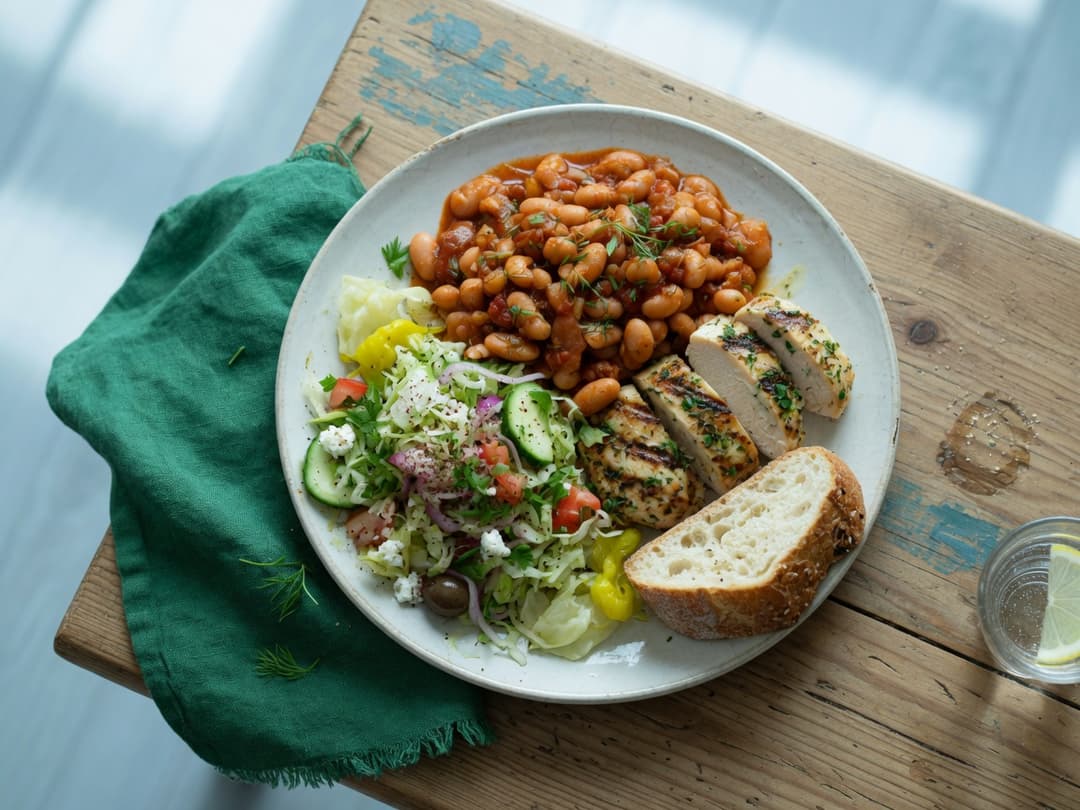
A plate with beans, salad, protein and a slice of bread

The plate method

Half vegetables, a quarter protein, a quarter carbohydrates, preferably whole grain. A menu for the whole day: what to eat.
A walk on the sidewalk after lunch

A walk after meals

Reviews of studies showed that walking right after eating reduces the sugar spike more than walking before eating or much later. 10 to 15 minutes is enough.
A glass of water next to a bowl of plant fiber

Soluble fiber

Oats, legumes, barley and glucomannan slow down the absorption of sugar from a meal.
Smiling man sitting relaxed on a light sofa in the evening

Sleep and stress

Even one bad night lowers insulin sensitivity the next day.

Fewer sugary drinks

Juices, sodas and sweetened teas raise blood sugar the fastest.

Fewer kilos

If you are overweight, losing 5 to 7% of your body weight is one of the strongest measures against prediabetes.
13Supplements

Food supplements for blood sugar: where they fit in

Supplements do not treat diabetes and do not replace medicines, diet and exercise. They are support alongside diet and therapy, when you want to support normal sugar metabolism.

What the studies show, in plain words

Diabetol Forte pack on a light table among dried herbs and flowers
EU claim

Chromium

Chromium contributes to the maintenance of normal blood glucose levels. Reviews of controlled studies in type 2 showed a small drop in fasting sugar and in HbA1c, but the studies vary widely.
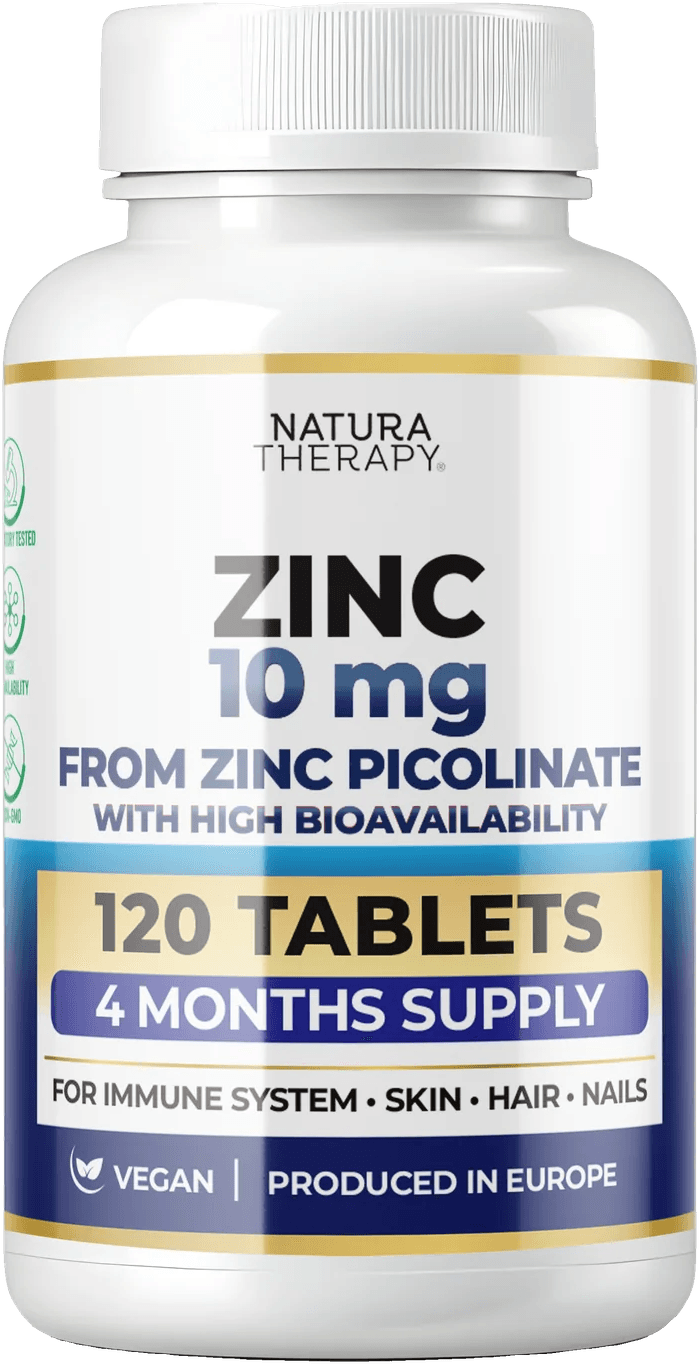
Pumpkin seeds, sesame and cheese as sources of zinc
EU claim

Zinc

Zinc contributes to normal carbohydrate metabolism.
Small studies

Bitter melon

Smaller studies in type 2 observed small improvements in fasting and after-meal sugar. Larger studies are needed.
Ground cinnamon and cinnamon sticks on a gray background
Small effect

Cinnamon

Analyses show a small effect on fasting sugar, but the results are not the same in all studies.
Magnesium Bisglycinate pack next to a glass of water on a sunny table
EU claim on fatigue

Magnesium

People with diabetes more often have low magnesium. In studies, supplementing it improved fasting sugar in these people, and insulin sensitivity in people at risk. It also contributes to the reduction of tiredness.

Dietary fiber

Glucomannan, psyllium and oat fiber slow down stomach emptying and increase the feeling of fullness.

If you take medicines for blood sugar

Insulin and some tablets, together with supplements that affect blood sugar, can lower it more than expected. Tell your doctor what you take, measure more often in the first weeks and don’t stop your therapy.

In more detail: the link between sugar and minerals and magnesium citrate, bisglycinate or magnesium + B6.

14Our products

Our support products: a comparison with price per day

Food supplements, as an addition to your diet and the therapy your doctor has prescribed. Prices are from the website.

  • Alongside diet and therapy
  • 2+1 bundles
  • Free delivery over 1,800 MKD
One formula
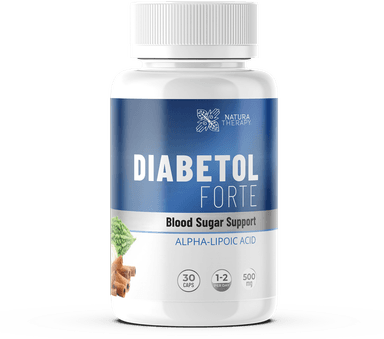
Diabetol Forte

Diabetol Forte

Chromium 200 µg + zinc 7.5 mg, bitter melon, cinnamon, alpha-lipoic
capsules before a meal
1 to 2
per pack
30
per day
≈ 40 MKD
1,200 MKDView
Herbs only
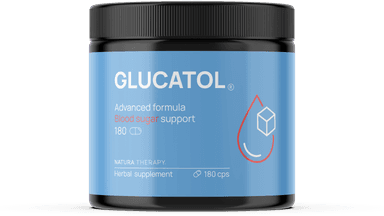
Glucatol, 180 capsules

Glucatol, 180 capsules

Bitter melon, jambolan, fenugreek, amla, turmeric, gymnema
capsules twice a day
1 to 2
per pack
180
per day
≈ 28 MKD
2,490 MKDSee
Minerals only
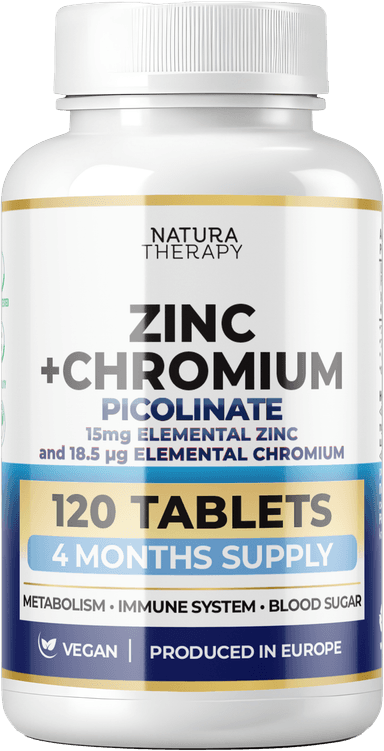
Zinc + Chromium

Zinc + Chromium

Zinc 15 mg + chromium 18.5 µg (picolinate)
tablet with a meal
1
per pack
120
per day
≈ 7 MKD
800 MKDSee

Price per day

denars per day, for the dose in parentheses
regular price2+1
Diabetol Forte, 1 capsule
30 capsules≈ 40 MKD
2+1, 3 × 30≈ 27 MKD
Glucatol, 2 capsules
180 capsules≈ 28 MKD
Zinc + Chromium, 1 tablet
120 tablets≈ 7 MKD
2+1, 3 × 120≈ 4.5 MKD
Magnesium Bisglycinate, 2 tablets
120 tablets≈ 16 MKD
Diabetol Forte pack on a light table among dried herbs and flowers
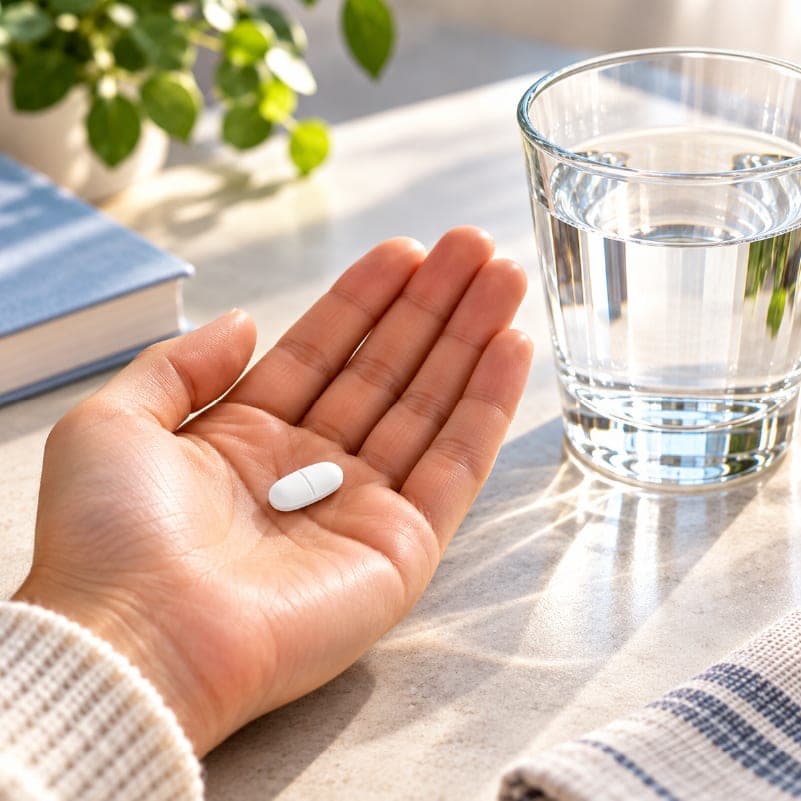
A white tablet on a palm next to a glass of water

Full overview

ProductWhat it containsDosePack sizePricePrice per day
Diabetol Fortechromium 200 µg, zinc 7.5 mg, bitter melon, cinnamon, alpha-lipoic acid1 to 2 capsules before a meal30 capsules1,200 MKDabout 40 MKD (1 capsule)
Diabetol Forte 2+1same, three boxes1 capsule90 capsules2,400 MKDabout 27 MKD
Glucatolbitter melon, jambolan, fenugreek, amla, turmeric, gymnema1 to 2 capsules twice a day180 capsules2,490 MKDabout 28 MKD (2 capsules)
Zinc + Chromiumzinc 15 mg + chromium 18.5 µg (picolinate)1 tablet with a meal120 tablets800 MKDabout 7 MKD
Zinc + Chromium 2+1same, three boxes1 tablet360 tablets1,600 MKDabout 4.5 MKD
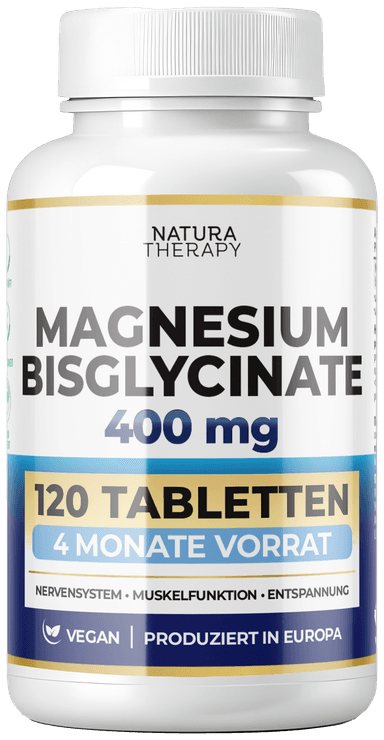
Magnesium Bisglycinate400 mg magnesium bisglycinate per tablet2 tablets a day120 tablets975 MKDabout 16 MKD

How to choose

Delivery is 150 MKD, and free over 1,800 MKD.

15Questions

Most common questions about blood sugar

What is a normal fasting blood sugar level?+

In an adult without diabetes, normal fasting sugar is 3.9 to 5.5 mmol/L (70 to 99 mg/dL). 5.6 to 6.9 is prediabetes, and 7.0 mmol/L or more in two measurements is diabetes. Some labs set the upper limit at 6.1 mmol/L, following the World Health Organization.

What should blood sugar be 2 hours after eating?+

In a healthy person, sugar two hours after the start of a meal is below 7.8 mmol/L (140 mg/dL). 7.8 to 11.0 in a glucose tolerance test means impaired tolerance, and 11.1 or more means diabetes. In people with diabetes, the after-meal target is usually below 10.0 mmol/L.

What is the upper limit of blood sugar?+

The upper normal limit is 5.5 mmol/L fasting and 7.8 mmol/L two hours after eating. Sugar of 11.1 mmol/L or more at any time, with thirst and frequent urination, is a sign of diabetes and needs a checkup the same day.

Is a fasting sugar of 7 diabetes?+

A fasting sugar of 7.0 mmol/L, measured in a lab twice on different days, is the threshold for diabetes. One reading on a glucose meter is not enough for a diagnosis. Repeat the test in a lab and ask for an HbA1c.

Sugar of 8 or 10 after eating: is it dangerous?+

A sugar of 8 mmol/L one hour after eating can be normal. Two hours after eating, above 7.8 is elevated, and 10 mmol/L in a person without diabetes is not normal and should be checked by a doctor. In people who are being treated, 10 after a meal is the upper limit of the target.

What is hidden sugar and how is it tested?+

Hidden sugar, or prediabetes, is sugar above normal but below the threshold for diabetes: fasting 5.6 to 6.9 mmol/L, HbA1c 5.7 to 6.4%, or 7.8 to 11.0 two hours into the glucose tolerance test. It usually has no symptoms. It is detected with a fasting sugar test, HbA1c and an OGTT.

What is HbA1c and what should it be?+

HbA1c shows your average sugar over the last two to three months and does not require fasting. Below 5.7% is normal, 5.7 to 6.4% is prediabetes, and 6.5% or more is diabetes. For most people with diabetes, the target is below 7%.

What is normal blood sugar in pregnancy?+

In pregnancy the limits are stricter. Gestational diabetes is diagnosed if, in the test with 75 g of glucose, fasting sugar is 5.1 or more, 10.0 or more after 1 hour, or 8.5 mmol/L or more after 2 hours. The monitoring targets are below 5.3 fasting and below 6.7 mmol/L two hours after a meal.

What sugar level is too low?+

Sugar below 3.9 mmol/L (70 mg/dL) is low, and below 3.0 mmol/L is seriously low. Signs include shakiness, sweating, hunger, palpitations and confusion. Take 15 to 20 g of fast-acting sugar, for example a glass of juice, and measure again after 15 minutes.

How do you convert mg/dL to mmol/L?+

Divide the mg/dL number by 18. For example, 100 mg/dL is 5.6 mmol/L, 126 mg/dL is 7.0 mmol/L, and 200 mg/dL is 11.1 mmol/L. To go from mmol/L to mg/dL, multiply by 18.

This text is for information only and is not a substitute for an examination and advice from a doctor. Only a doctor can diagnose diabetes, based on laboratory findings. Food supplements are not medicines and are not a substitute for a varied and balanced diet, a healthy lifestyle and the prescribed therapy. Do not exceed the recommended daily dose. Keep out of reach of children.

Sources 9
  1. American Diabetes Association Professional Practice Committee, “Standards of Care in Diabetes 2026,” Diabetes Care 2026;49(Suppl 1): section 2 “Diagnosis and Classification of Diabetes” (doi:10.2337/dc26-S002), section 6 “Glycemic Goals, Hypoglycemia, and Hyperglycemic Crises” (doi:10.2337/dc26-S006), section 13 “Older Adults” (doi:10.2337/dc26-S013), section 15 “Management of Diabetes in Pregnancy” (doi:10.2337/dc26-S015)
  2. World Health Organization, “Definition and diagnosis of diabetes mellitus and intermediate hyperglycaemia” (WHO/IDF) and “Use of glycated haemoglobin (HbA1c) in the diagnosis of diabetes mellitus”
  3. WHO, “Diagnostic criteria and classification of hyperglycaemia first detected in pregnancy”
  4. Ministry of Health of the RNM, Guidelines for the practice of evidence-based medicine: “Diabetes: definition, differential diagnosis and classification” and “Treatment and monitoring in type 2 diabetes”
  5. ISPAD Clinical Practice Consensus Guidelines 2022, “Glycemic targets and glucose monitoring for children, adolescents, and young people with diabetes” (doi:10.1111/pedi.13455)
  6. NICE NG3, „Diabetes in pregnancy“
  7. ISO 15197:2013, accuracy requirements for blood glucose self-testing systems
  8. ADAG formula for estimated average glucose (eAG); reviews of studies: walking after meals (PMID 36715875), chromium in type 2 (PMID 32730903), bitter melon (PMID 38784554), cinnamon (PMID 37818728), magnesium (PMID 34836329)
  9. Regulation (EU) No 432/2012 (health claims for chromium, zinc, magnesium)
RECOMMENDED FOR THIS TOPIC

Related products

We use cookies to analyze traffic and improve your experience. See our privacy policy.