When we talk about blood sugar, we usually think of bread and sweets. The quieter side is whether the body has the minerals involved in insulin pathways. Zinc, chromium and magnesium are not a medicine for diabetes. But a long-term deficiency can make blood sugar control, already difficult, even harder.
This article is for informational purposes and does not replace medical advice. Food supplements are not medicines. Consult a doctor before use, especially if you have a chronic illness, are pregnant or breastfeeding, or are taking medicines. Results are individual.
Plate and therapy first, then lab tests, and only then a bottle. A framework for habits: control without myths.
Zinc — storage and release of insulin
Zinc is part of the structure of insulin granules in the pancreas and of many enzymes. Deficiency is seen more often in people with a poorly varied diet, chronic gut complaints or heavy sweating. Signs a doctor links to low zinc can include frequent infections, wounds that heal slowly, changes in taste — but the same signs also have other causes.

Food: meat, shellfish if you eat them, pumpkin seeds, legumes, eggs. Don’t take a high dose of zinc for months — overdoing it suppresses copper and upsets the stomach.
Chromium — a cofactor alongside insulin
Chromium is mentioned as a trace element that takes part in the action of insulin. The evidence for supplementation in diabetes is mixed: some papers see a modest effect, others do not. That is why chromium is not prescribed as a replacement for medicine.
Food: whole grains, broccoli, meat, eggs. A supplement makes sense if your doctor thinks your intake is low or if the formula is part of a broader composition, not as “chromium therapy.”
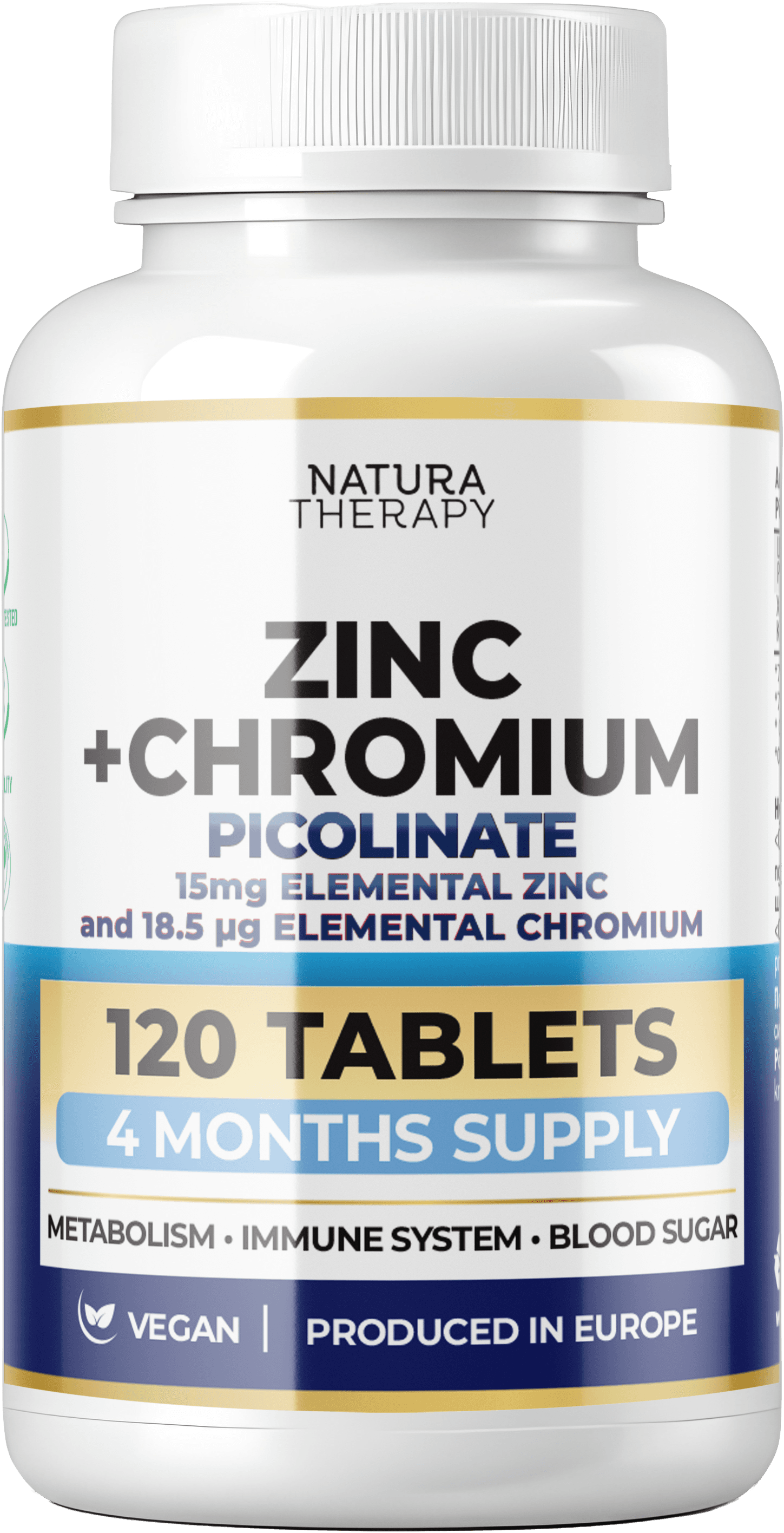
In the catalog you will find Zinc + Chromium as mineral support. Combined formulas such as Diabetol Forte also carry zinc and chromium together with plant extracts — again a supplement, not a medicine. Glucatol 180 is an additional option in the Diabetes category.
Magnesium — muscle, sleep and insulin sensitivity
Magnesium takes part in hundreds of reactions, including energy metabolism. Low intake is common: few leafy greens, nuts and whole grains, more processed food. Some people with type 2 have lower magnesium — that does not mean a magnesium tablet solves the disease, but that it is worth checking.

Food: pumpkin seeds, almonds, spinach, beans, dark chocolate in small amounts. A supplement (citrate, bisglycinate, etc.) can help with cramps and sleep when there is a deficiency; diarrhea is a sign that the dose is high. With kidney disease — only with a doctor.
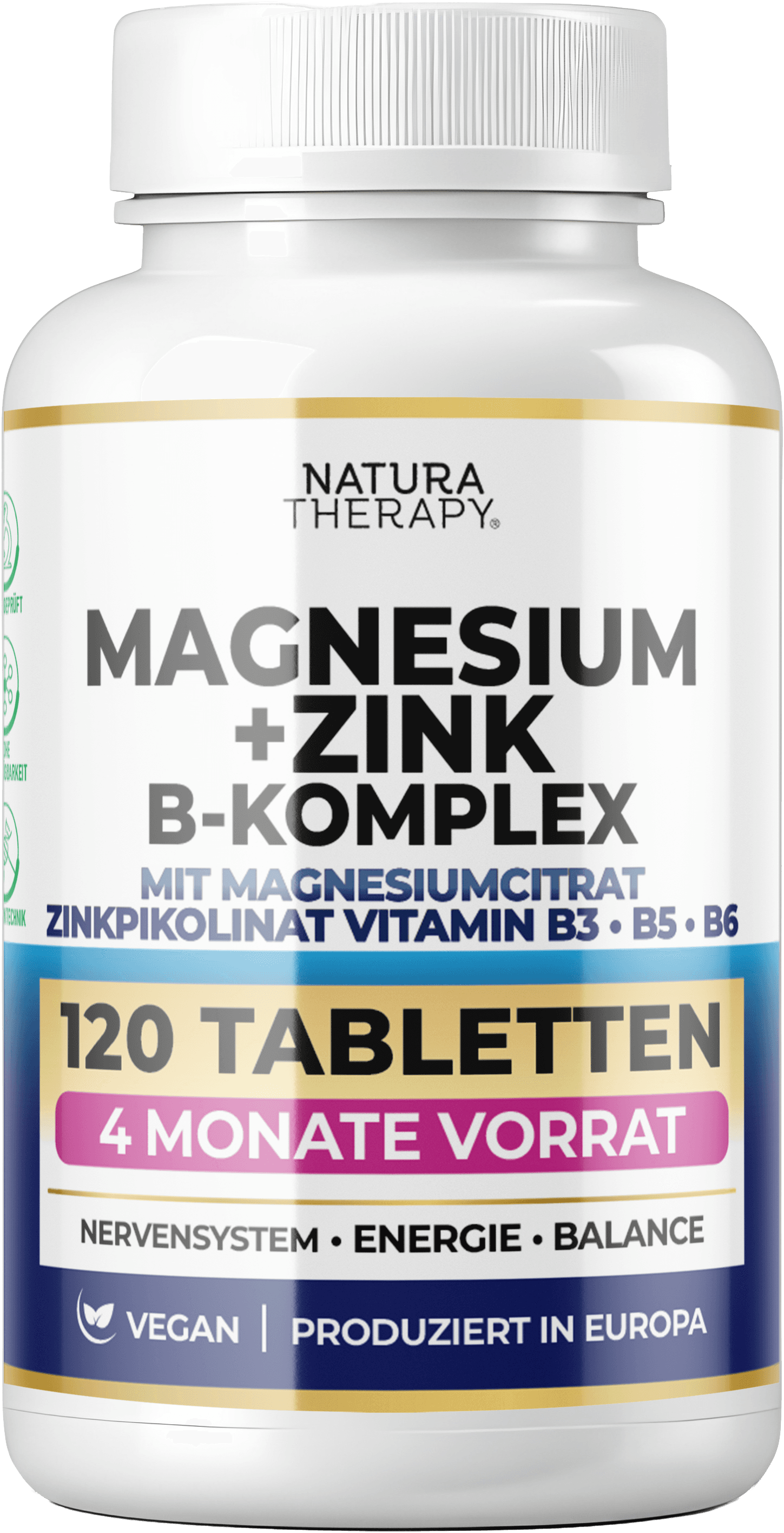
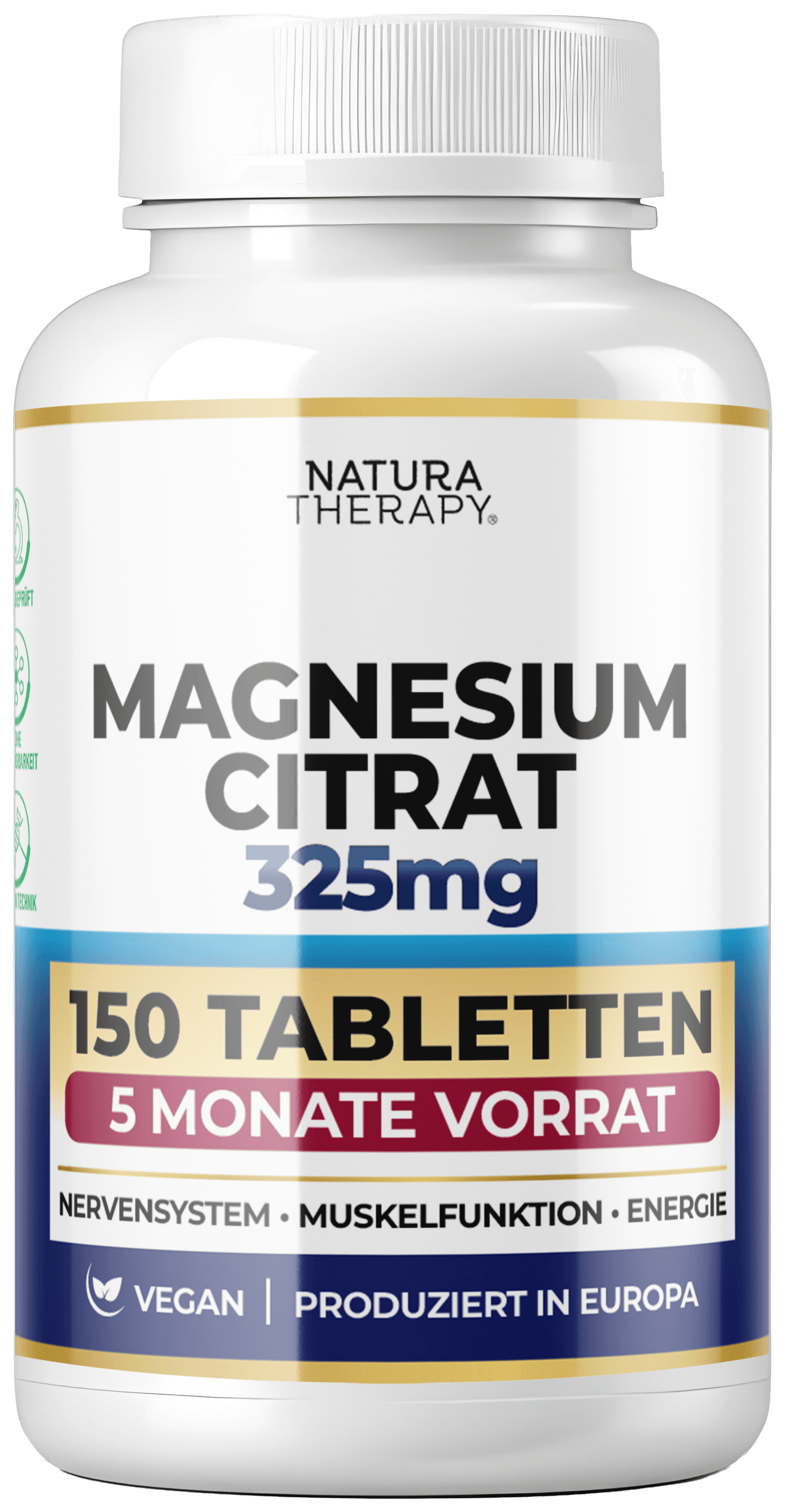
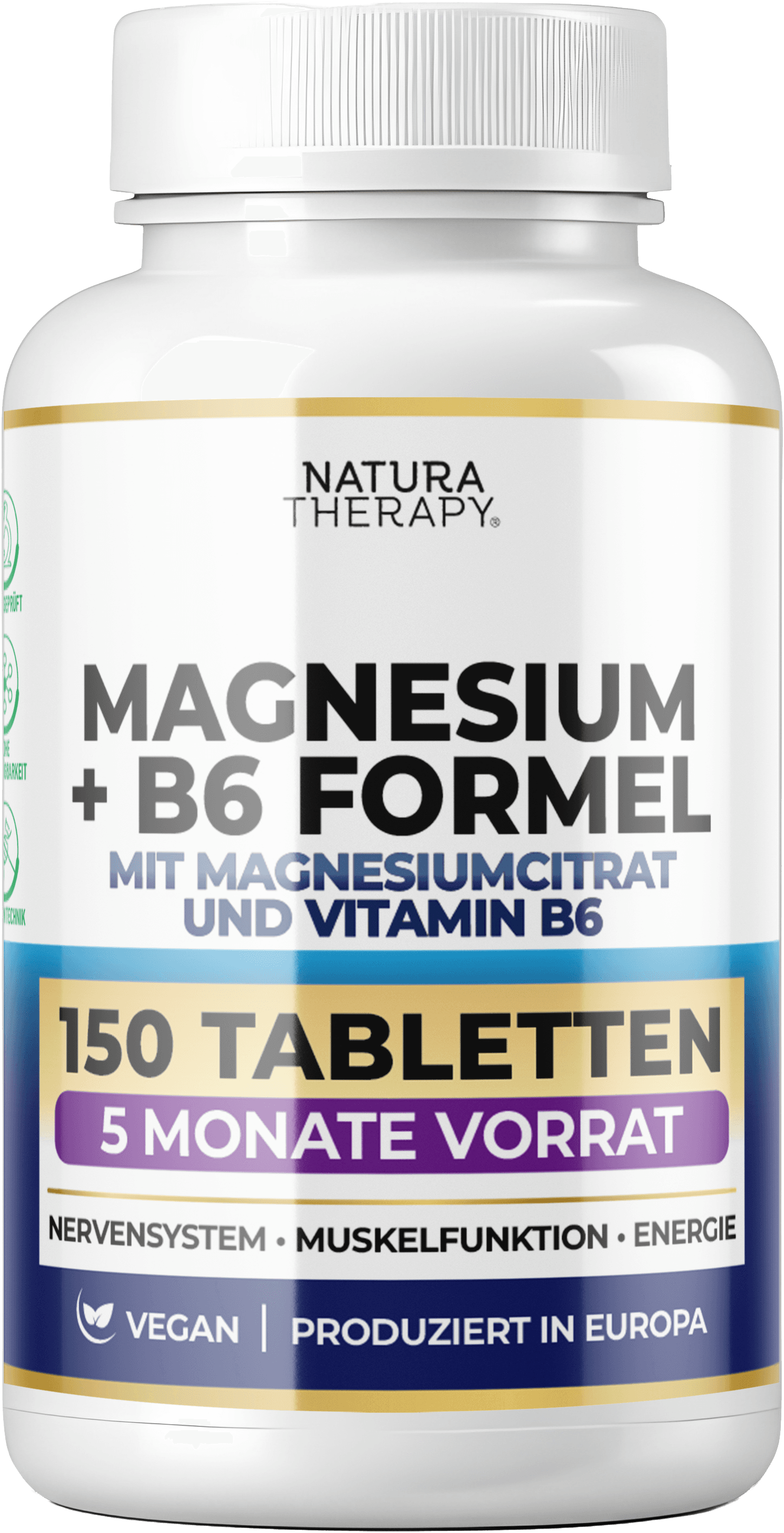
Related products: Magnesium Citrat, Magnesium + B6, Magnesium + Zinc + B-Complex.
Other micronutrients that get mentioned
- Vitamin D — often low; it is measured, not guessed.
- B vitamins — nerve metabolism; a deficiency is confirmed by testing, megadoses are not “loaded up” blindly.
- Alpha-lipoic acid — an antioxidant in some support formulas; it is not a medicine for neuropathy without a doctor.
Herbs are not minerals, but they are often sold in the same basket. Tell them apart: ten plants.
How to check whether you have a deficiency
- Tell your doctor what you eat and which medicines you take (diuretics and pump inhibitors affect magnesium).
- Lab tests based on suspicion — not a panel of 40 markers “just in case” without a plan.
- Correct it through food for 4–6 weeks.
- A supplement only if there is a clear gap or if your doctor includes it in your regimen.
- Don’t stack three multivitamins + separate zinc + separate chromium.
Food before the bottle — a short list
- Breakfast: oats + seeds + yogurt.
- Lunch: beans or lentils + a green salad.
- Dinner: fish or eggs + broccoli.
- Snack: a handful of pumpkin seeds instead of chips.
The plate for glucose: what to eat. Daily control: normal glucose.
Medicines that affect minerals
Some diuretics lower magnesium and potassium. Proton pump inhibitors, with long-term use, can affect magnesium. Metformin is linked to B12 more than to zinc, but still give the full list. Don’t stop a medicine to “save a mineral” — correct the deficiency with your doctor.
Frequently asked questions
- Does low zinc cause diabetes?
- Not as the only cause. Zinc takes part in insulin processes, but type 2 is multifactorial. The deficiency is corrected; it is not treated as the root of the disease.
- Should everyone with diabetes take chromium?
- No. The evidence is mixed. The decision is individual, made with a doctor, not based on an ad.
- Can magnesium make my blood sugar drop suddenly?
- Usually not the way insulin does. Still, mention it if you are starting a supplement, especially with kidney problems.
- Should I get a blood zinc test on my own?
- Serum zinc does not always tell the whole story. The doctor interprets it together with your diet and symptoms.
- How do I avoid overdosing?
- One product, one label — not three that contain the same mineral. Long-term intake of zinc in high doses without supervision is not wise.
- Does Diabetol Forte cover the minerals?
- It contains zinc and chromium in the formula, along with other ingredients. That does not mean you need extra separate zinc. Check the labels together with a pharmacist.
- What matters more — a mineral or a walk after lunch?
- The walk and the plate. A mineral corrects a gap; it is not a substitute for movement.
This article is for informational purposes and does not replace medical advice. Food supplements are not medicines. Consult a doctor before use, especially if you have a chronic illness, are pregnant or breastfeeding, or are taking medicines. Results are individual.