Black Friday: discounts up to 70%See the products on sale →LIMITED QUANTITIES!
•20 MIN READ

Zinc: when to take it, how many mg a day and what it is good for (guide)

When to take zinc, morning or evening, on an empty stomach or with food, how many mg a day, which form to choose, what it is good for, symptoms of deficiency and what not to combine it with.

Zinc: when to take it, how many mg a day and what it is good for (guide)

Quick answer. Zinc is best absorbed on an empty stomach, about one hour before a meal or two hours after a meal. Morning or evening doesn’t make a decisive difference; what matters is that you take it every day at the same time. If it makes you nauseous on an empty stomach, take it with a light meal — that is perfectly fine. Adults need about 8 mg (women) to 11 mg (men) of zinc a day, and the usual dose in a tablet is 10 to 15 mg. Don’t take it at the same time as iron or calcium tablets or some antibiotics; space them a few hours apart.

Zinc is one of the most searched-for minerals here. People search for it as “zinc,” “cink vitamin,” “when to take zinc” or “vitamin cink dejstvo.” Although many call it a vitamin, zinc is actually a mineral, a trace element the body can neither make nor store in larger amounts. That is why it needs to come in every day, from food or from a supplement.

In this guide we answer what you ask us most often: when to take it, how many mg, which form to choose, what it is good for, what the signs of deficiency are and what not to combine it with.
Immunity

01Basics

What zinc does in the body

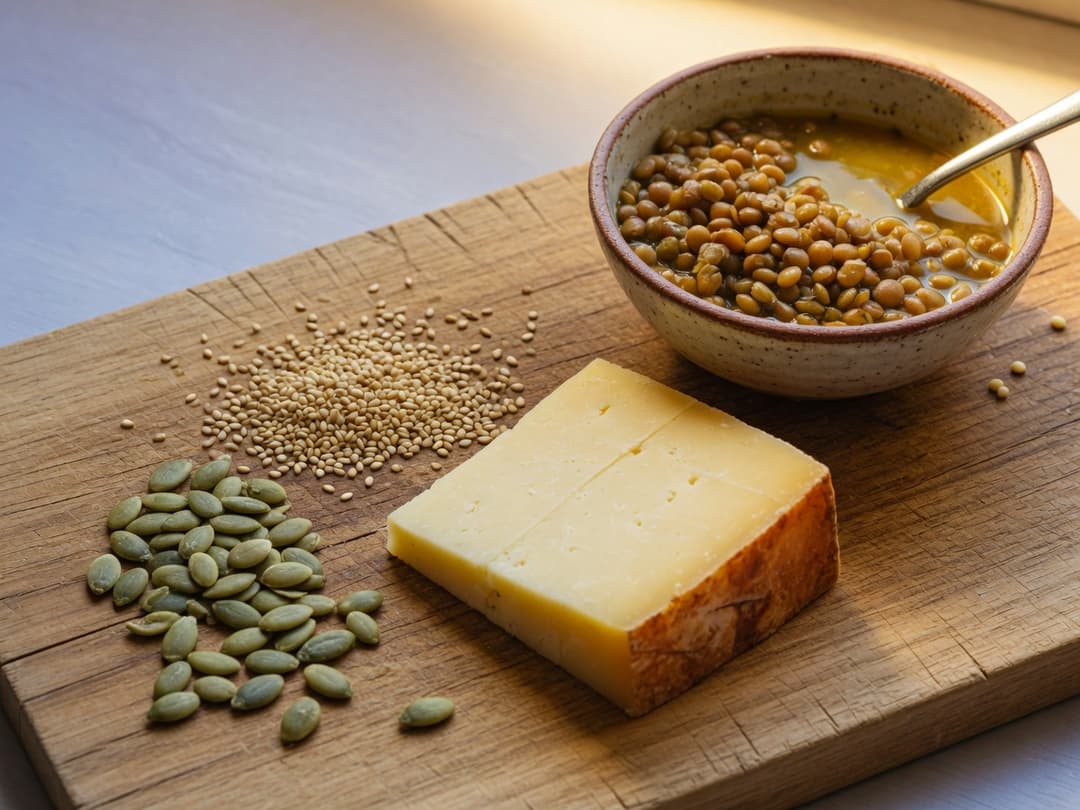
Pumpkin seeds, sesame and cheese as sources of zinc

Zinc takes part in the work of hundreds of enzymes. Without it, the body has a harder time building proteins and DNA, heals wounds more slowly and responds more weakly to infections.

Most of our zinc is in the muscles and bones, and there is also a lot in the skin, the eyes and, in men, the prostate. The body can neither make it nor store it in larger amounts, so it needs a fresh supply every day.

Zinc contributes to

Immunity

the normal function of the immune system

Skin, hair and nails

their normal maintenance

Testosterone

a normal level in the blood

Fertility

normal fertility and reproduction

Vision and bones

normal vision and normal bones

Cells

protection from oxidative stress

Brain and metabolism

normal cognitive function and the metabolism of proteins, carbohydrates and fats
02When

When to take zinc: morning or evening, with or without food

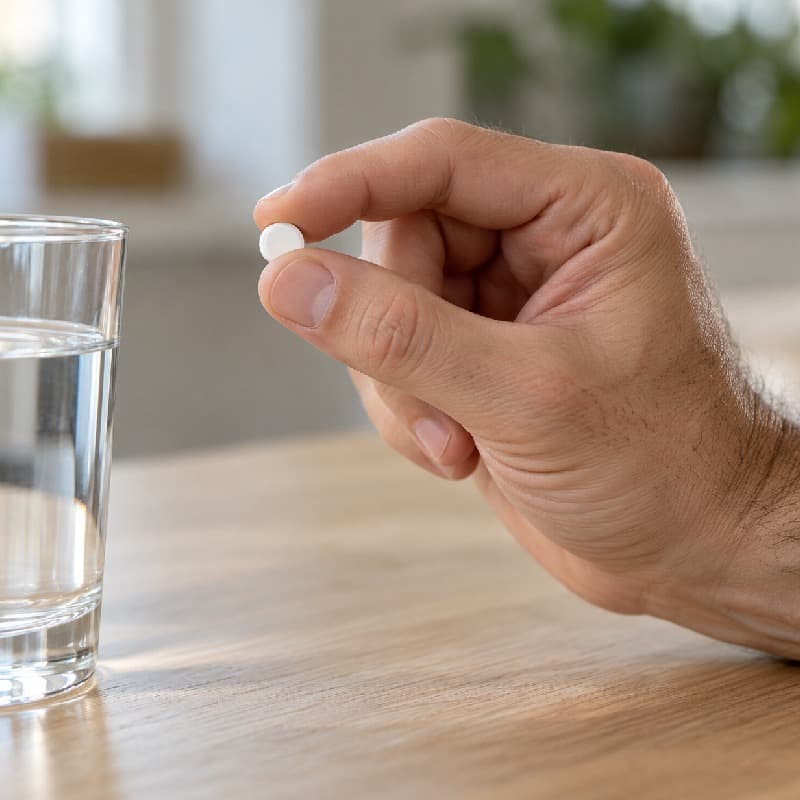
A white tablet held between the fingers next to a glass of water

It is absorbed best on an empty stomach

Food, especially whole grains, legumes and seeds, contains phytates that bind zinc in the gut.

1 hourbefore breakfastwith a glass of water
2 hoursafter a meal

If it makes you nauseous, take it with food

Nausea on an empty stomach is the most common side effect. In that case, take it right after a light meal, such as yogurt, eggs or fruit, not with a plate of beans or whole-grain bread. A little less will be absorbed, but you will take it regularly, and that matters more.

Morning or evening?

No study has shown that one is better. Choose a time you will remember every day:

TimingWhen it’s a good choiceWhat to watch out for
In the morning, before breakfastIf you have a sturdy stomach and want the best absorptionIf you drink coffee or tea, wait a little; if it makes you nauseous, move it to after breakfast
With breakfast or lunchIf you feel nauseous on an empty stomachDon’t take it at the same time as an iron or calcium tablet
In the evening, 2 hours after dinnerIf you tend to forget in the morning or take iron in the morningAn empty stomach before bed makes some people nauseous
In the evening with magnesiumIf you have an evening routine with magnesiumMagnesium and zinc go together without problems in usual doses
  • How long? Zinc is not a “for when I come down with something” tablet. It is best to take it regularly for a few months, for example in fall and winter, and then take a break or check whether your diet gives you enough.
03Dose

How many mg of zinc a day

8 mgwomena day, from all sources
11 mgmena day, from all sources
10 to 15 mgusual tabletfits well alongside food

Recommended daily amounts

from all sources combined, food and supplements
Children aged 1 to 33 mg
Children aged 4 to 85 mg
Children aged 9 to 138 mg
Boys aged 14 to 1811 mg
Girls aged 14 to 189 mg
Women8 mg
Men11 mg
Pregnant women11 mg
Breastfeeding women12 mg

Is more better?

No. A higher dose does not mean a better effect, and higher doses make sense only short term and on a doctor’s advice. Before you start, check whether you already take a multivitamin or a combined product with zinc, so you don’t double the dose.

Check the elemental zinc

On the label, what matters is the figure for zinc, not the weight of the whole compound.

47 mg zinc picolinate→10 mg zinc

Most adults get about 9 to 13 mg from food. Vegetarians and vegans need more, because phytates from plant foods reduce absorption.

04Forms

Forms of zinc: bisglycinate, picolinate, citrate, gluconate, oxide

All forms deliver the same zinc; they differ in how much zinc the compound contains, how well it is absorbed and how gentle it is on the stomach.

Our pick

Zinc picolinate

Zinc in the compoundabout 20%
Absorption: Good; in a small comparative study it raised zinc levels in the body more than citrate and gluconate
A popular form in supplements, usually gentle on the stomach
Well absorbed

Zinc bisglycinate

Zinc in the compoundabout 25 to 30%
Absorption: Good; in one study more zinc reached the blood than from gluconate
Bound to the amino acid glycine, gentle on the stomach
Well absorbed

Zinc citrate

Zinc in the compoundabout 31%
Absorption: Good, similar to gluconate
Small tablet, pleasant taste
Well absorbed

Zinc gluconate

Zinc in the compoundabout 14%
Absorption: Good
The most common in pharmacies and in throat lozenges
Well absorbed

Zinc oxide

Zinc in the compoundabout 80%
Absorption: The poorest of those listed
A lot of zinc on paper, less in the body
Least well absorbed

Zinc sulfate

Zinc in the compoundabout 23%
Absorption: Good
More often causes nausea on an empty stomach
Good, but causes nausea more often

Which form should you choose?

  • Picolinate, bisglycinate, citrate and gluconate are good choices, and the differences between them are not huge.
  • Regularity and the dose matter more.
  • Oxide is the cheapest, but it is the least absorbed.
  • If your stomach bothers you, bisglycinate and picolinate are usually the gentlest.

All our zinc products contain zinc picolinate.

05Studies

What zinc is good for: what the studies show

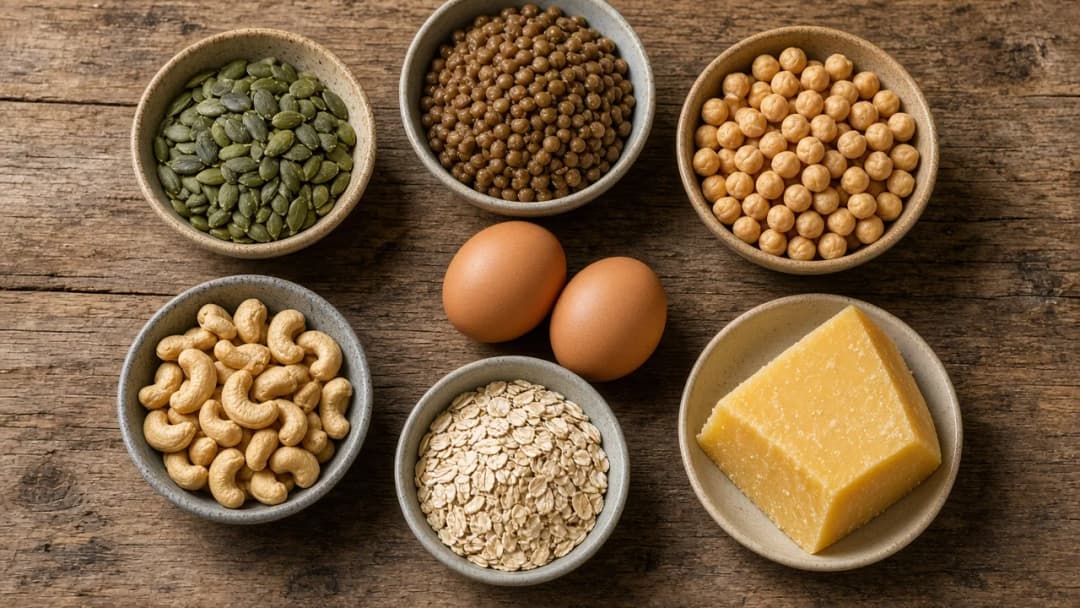
Pumpkin seeds, lentils, chickpeas, cashews, oat flakes, eggs and a piece of hard cheese in small dishes on a wooden table

What all the studies have in common: zinc helps most when you don’t have enough of it, not as a “shield” for everyone.

about 2 daysshorter coldwith lozenges from the first day
a few weeksfor fewer pimplesin acne, with regular use

Immunity and colds

When zinc is low, colds come more often and last longer. Zinc lozenges taken on the first day of symptoms shortened a cold by about two days. Regular use in people who are not sick has not been shown to prevent colds.

Skin and acne

People with acne have, on average, lower zinc levels in the blood. In studies, zinc tablets reduced the number of inflamed pimples, alone or alongside other treatments. The effect shows after a few weeks. It is also useful for wound healing.

Hair and nails

Lower zinc is often found in people with hair loss. If the hair loss is due to a deficiency, bringing zinc back to normal helps. If your zinc is already fine, extra zinc will not make your hair stronger. Also check your iron, vitamin D3 and thyroid gland.

Men’s health and fertility

In men with low zinc, bringing it back to normal raised testosterone; with normal zinc, extra tablets do not increase it. A large study showed that zinc with folic acid did not improve sperm or the number of births.

In short

Cold
Lozenges started on the first day shortened it by about 2 days
At the start of a cold
Helps
Prevention of colds
Little or no effect in healthy people
With low intake
No
Acne
Fewer inflamed pimples
After a few weeks of regular use
Helps
Hair
Helps if the shedding is due to a deficiency
With low zinc
If deficient
Testosterone
Rises in men with low zinc
With low zinc
If deficient
Male fertility
Zinc with folic acid did not improve sperm quality
Not a treatment for infertility
No

More on men’s health: Zinc for men’s health.

06Deficiency

Symptoms of zinc deficiency

The signs are general and easily confused with other causes, but they are worth paying attention to if they appear together:

  • more frequent colds and infections that last longer
  • wounds that heal slowly
  • hair loss and brittle nails
  • a weaker sense of taste or smell
  • reduced appetite
  • dry skin, a rash around the mouth or on the fingers
  • diarrhea, especially in children
  • White spots on the nails are most often not from zinc deficiency, but from small knocks to the nail.
A man walking through an autumn park

Who needs more

  • vegetarians and vegans
  • pregnant and breastfeeding women
  • older adults
  • Crohn’s disease, celiac disease or after stomach surgery
  • more alcohol
  • long-term use of diuretics for high blood pressure

A blood test for zinc does not always show the full picture, so the doctor also looks at diet and symptoms.

07Food

Foods rich in zinc

Foods of animal origin contain the most zinc, and in the most easily used form.

Zinc per serving

the scale goes up to 6 mg; oysters go beyond it
Oysters (85 g)about 28 to 32 mg
Beef (100 g)about 4 to 5 mg
Cooked oats (1 cup)about 2.3 mg
Pumpkin seeds (30 g)about 2.2 mg
Kashkaval or hard cheese (40 g)about 1.5 mg
Cooked lentils (½ cup)about 1.3 mg
Egg (1 large)about 0.6 mg

Phytates bind zinc

Legumes, seeds and whole grains contain zinc, but phytates bind it. If you soak them in water for a few hours before cooking or eat them fermented (sourdough, kefir), you will get more of it.

08Combinations

What to combine zinc with, and what not

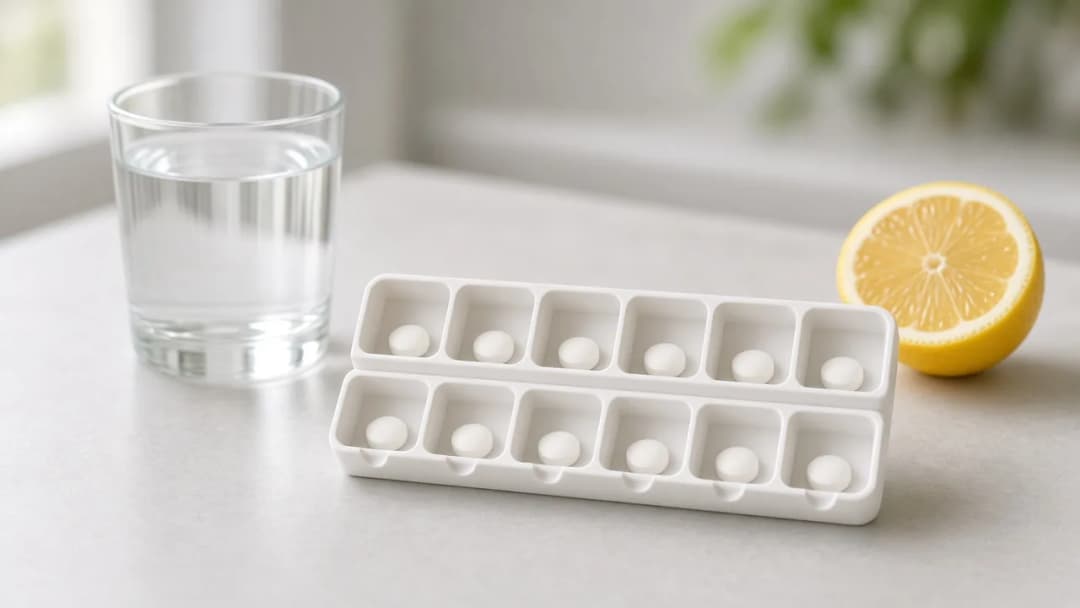
A white weekly pill organizer with morning and evening compartments, a glass of water and half a lemon on a light table

A simple daily routine

In the morning, before breakfast
Zinc with a glass of water.
With a meal
D3, if you take it, with a meal that contains fat.
Before bed
Magnesium.
CombinationIs it OKPractical tip
Zinc and magnesiumYesThey go together in usual doses; many people take magnesium in the evening and zinc in the morning
Zinc and vitamin D3YesD3 is better taken with a meal that contains fat, zinc before a meal; if it is easier, take them together with breakfast
Zinc and vitamin CYesA common combination for immunity, no problem
Zinc and copperYesThe two minerals are in balance; if you take zinc for a longer time, a varied diet with nuts, seeds and legumes also provides copper
Zinc and ironSpace them apartIron tablets of 25 mg or more reduce zinc absorption; take them at least 2 hours apart
Zinc and calciumSpace them apartLarge doses of calcium reduce absorption; take them at different times of the day
Antibiotics (ciprofloxacin, doxycycline, etc.)Space them apartThe antibiotic 2 hours before or 4 to 6 hours after the zinc
Diuretics for blood pressureCautionSome increase zinc loss in the urine; ask your doctor whether you need more

More details: magnesium bisglycinate in the evening and Vitamin D3: how many IU a day and when to take it.

09Side effects

Side effects of zinc

In usual doses, zinc is well tolerated. The most common are:

Nausea

If taken on an empty stomach. The solution is to take it after a light meal.

Metallic taste

In the mouth, more often with lozenges.

Stomach discomfort

If the dose is high.

A few practical tips

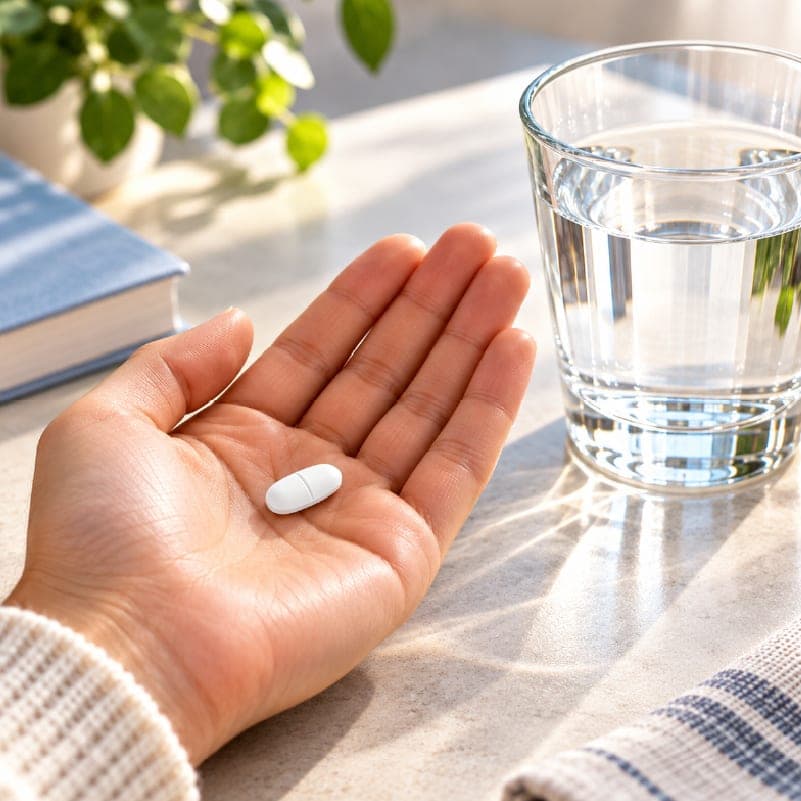
A white tablet on a palm next to a glass of water
1

One tablet a day

Start with one and don’t double the dose “to make it work faster.”
2

Add up the milligrams

Don’t combine two zinc products without adding them up.
3

Pregnancy and breastfeeding

Zinc is important, but agree on the dose with your gynecologist, especially if you already take prenatal vitamins.
10Children

Zinc for children

3 mgat age 1
8 mgat age 13

Children usually cover their needs with meat, eggs, dairy products and legumes. A supplement makes sense for very picky children, on a vegetarian diet or on a pediatrician’s advice.

Children’s measure

The 10 mg tablets are for adults; for children, choose a product with a children’s serving. For example, with our liquid vitamin C with D3 and zinc, children aged 11 to 14 take a smaller serving of 10 ml.

11Our products

Our zinc products compared, with prices

All of them use zinc picolinate. Prices are as listed on the site.

  • Zinc picolinate
  • 2+1 bundles
  • Free delivery over 1,800 MKD
All year
Zinc 365

Zinc 365

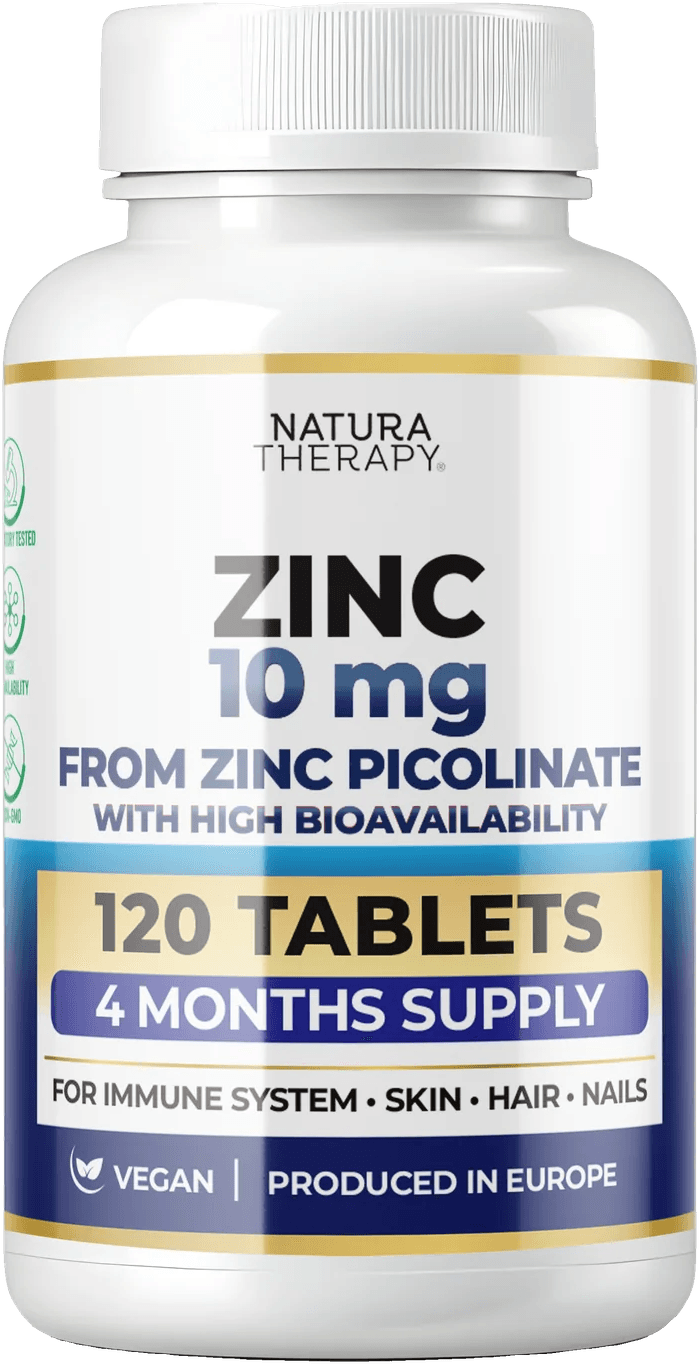
10 mg zinc (from 47.1 mg zinc picolinate), vegan
tablet
1
tablets
365
per day
≈ 3.4 MKD
1,250 MKDView
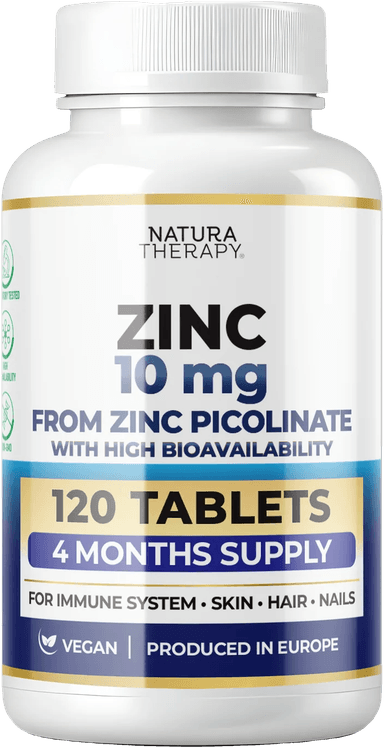
Zinc 120

Zinc 120

10 mg zinc picolinate, vegan
tablet
1
tablets
120
per day
≈ 4.2 MKD
500 MKDView
Cheapest
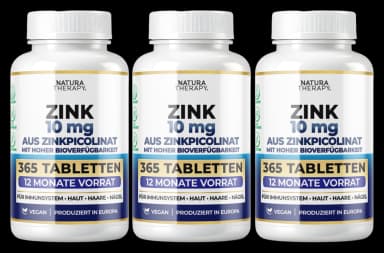
Zinc 2+1

Zinc 2+1

Three boxes of 365 tablets each
tablet
1
tablets
1.095
per day
≈ 2.3 MKD
2,500 MKDView
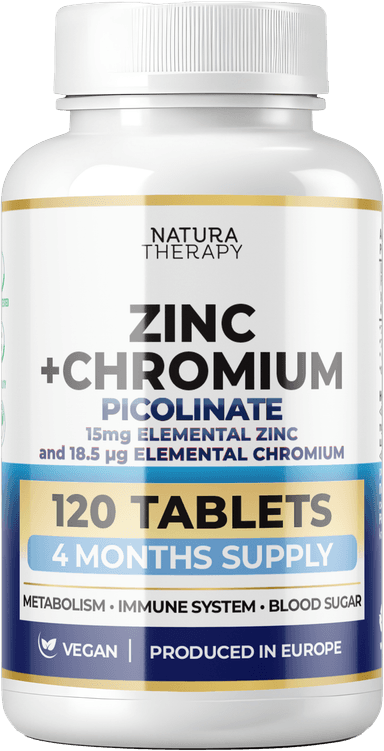
Zinc + Chromium

Zinc + Chromium

15 mg zinc picolinate + chromium picolinate 18.5 µg
with a meal
1
tablets
120
per day
≈ 6.7 MKD
800 MKDSee
Liquid
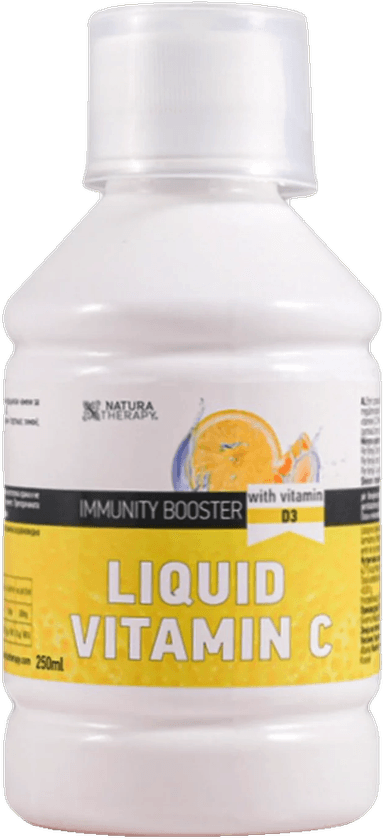
Liquid Vitamin C

Liquid Vitamin C

15 mg zinc in 15 ml, vitamin C 1000 mg, D3 2000 IU
after a meal
15 ml
measures
16
per day
≈ 18 MKD
295 MKDView

Price per day

denars a day, for 1 tablet or 15 ml
regular price2+1
Zinc 2+1≈ 2.3 MKD
Zinc 365≈ 3.4 MKD
Zinc 120≈ 4.2 MKD
Zinc + Chromium 2+1≈ 4.4 MKD
Magnesium + Zinc + B-Complex 2+1≈ 5.6 MKD
Zinc + Chromium≈ 6.7 MKD
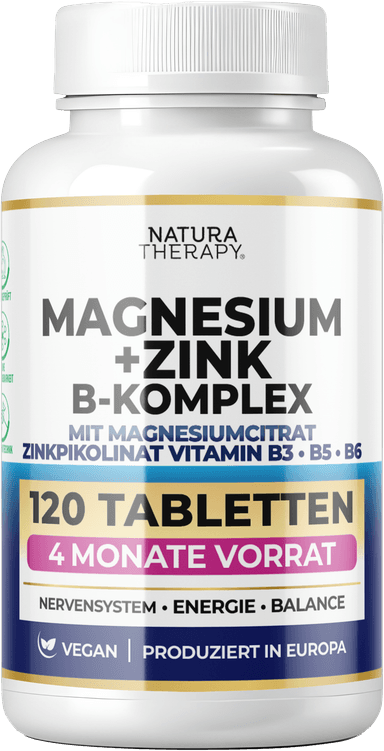
Magnesium + Zinc + B-Complex≈ 8.3 MKD
Liquid Vitamin C, 15 ml≈ 18 MKD
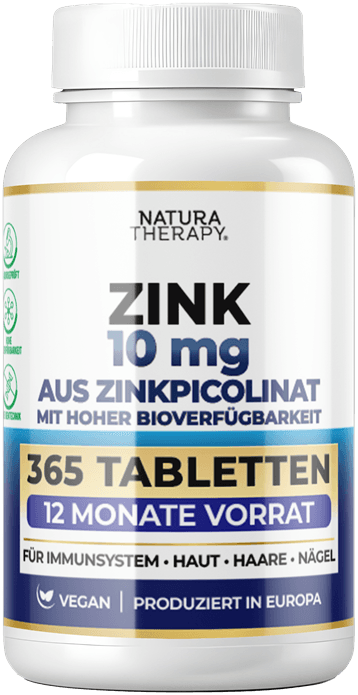
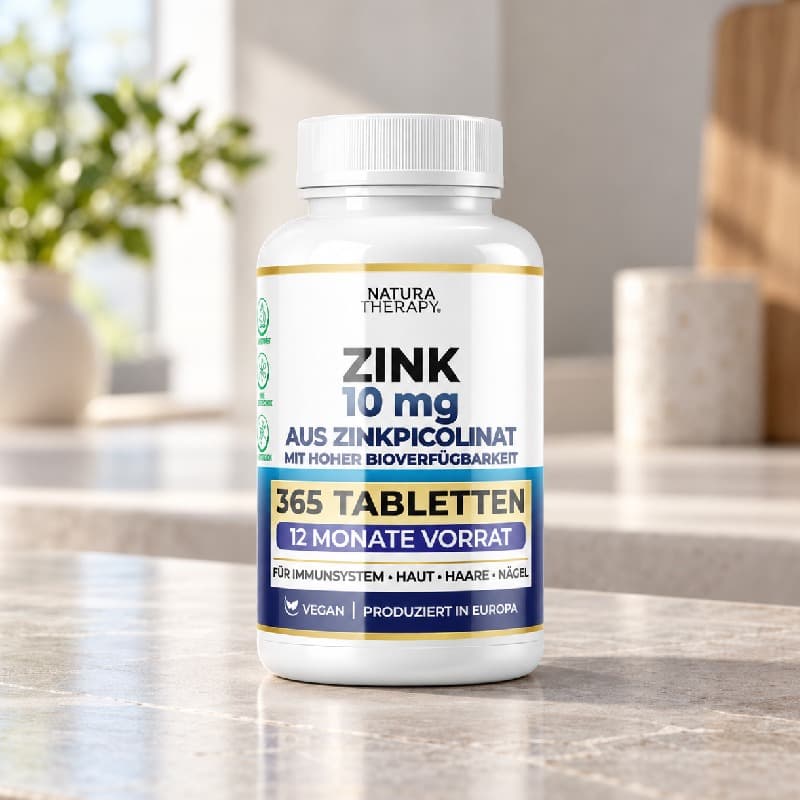
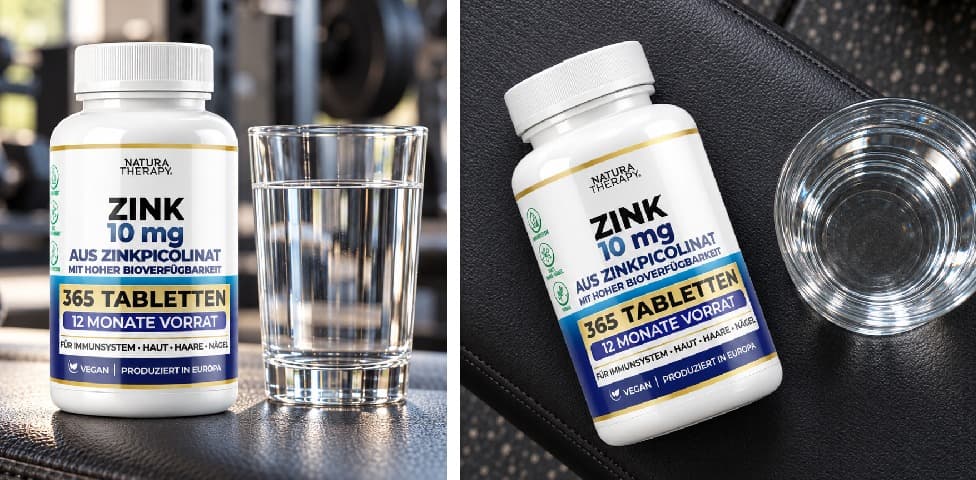
A bottle of Zinc 10 mg on a light stone countertop
A bottle of Zinc 10 mg next to a glass of water on a gym bench

Full overview

ProductZinc per doseWhat else it containsDosePack sizePricePrice per day
Zinc 36510 mg (from 47.1 mg zinc picolinate)vegan1 tablet a day365 tablets1,250 MKDabout 3.4 MKD
Zinc 12010 mg (zinc picolinate)vegan1 tablet a day120 tablets500 MKDabout 4.2 MKD
Zinc 2+110 mgthree boxes of 365 tablets each1 tablet a day1,095 tablets2,500 MKDabout 2.3 MKD
Zinc + Chromium15 mg (zinc picolinate)chromium picolinate 18.5 µg1 tablet with a meal120 tablets800 MKDabout 6.7 MKD
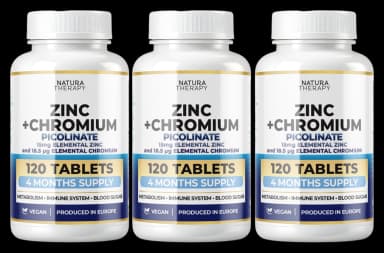
Zinc + Chromium 2+115 mgthree boxes1 tablet with a meal360 tablets1,600 MKDabout 4.4 MKD
Magnesium + Zinc + B-Complex3 mg (zinc picolinate)80 mg magnesium (citrate), B3, B5, B61 tablet with a meal120 tablets1,000 MKDabout 8.3 MKD
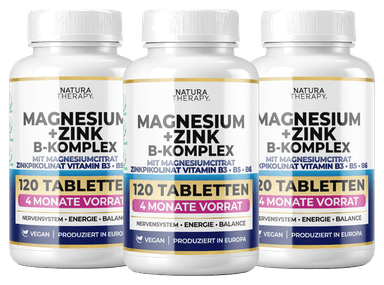
Magnesium + Zinc + B-Complex 2+13 mgthree boxes1 tablet with a meal360 tablets2,000 MKDabout 5.6 MKD
Liquid Vitamin C15 mg in 15 ml (zinc picolinate)vitamin C 1000 mg, D3 2000 IU15 ml after a meal250 ml (16 measures)295 MKDabout 18 MKD

Zinc as a gift in a bundle

Zinc 120 (10 mg, 120 tablets) comes free in these bundles:

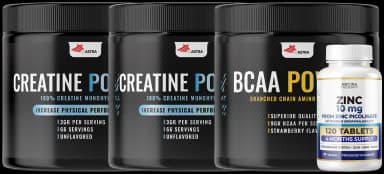
2× Creatine + BCAA + Zinc
Two packs of Creatine Monohydrate, BCAA and Zinc 120 as a gift
1,400 MKDZinc 120 as a gift
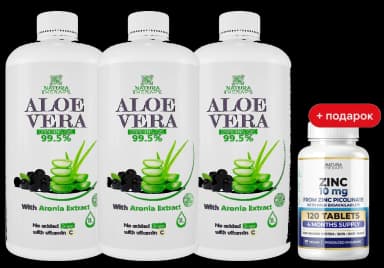
Aloe & Aronia 2+1 + Zinc
Three 1 L Aloe & Aronia syrups and Zinc 120 as a gift
1,950 MKDZinc 120 as a gift

How to choose

Delivery is 150 MKD, and free over 1,800 MKD.

12Questions

Most common questions about zinc

When should you take zinc, in the morning or in the evening?+

Either morning or evening works; what matters is taking it at the same time every day. It absorbs best on an empty stomach, about one hour before eating or two hours after eating.

Should zinc be taken on an empty stomach or with food?+

It absorbs best on an empty stomach. If it makes you nauseous, take it after a light meal, such as yogurt or eggs, but not with whole grains or beans.

How many mg of zinc do I need a day?+

Women need about 8 mg and men 11 mg a day from all sources. A 10 to 15 mg tablet is a usual supplement dose.

Which form of zinc is best?+

Picolinate, bisglycinate, citrate and gluconate absorb well and are gentle on the stomach. Oxide is the least absorbed. Regular use and the right dose matter more than the form.

Can zinc and magnesium be taken together?+

Yes, in usual doses they go together and are often in the same product. If you like, take zinc in the morning and magnesium in the evening before bed.

Can zinc be taken with vitamin D3?+

Yes. D3 absorbs better with a meal that contains fat, and zinc before a meal, but if it is easier for you, you can take them together with breakfast.

What should zinc not be taken with?+

Not at the same time as iron or calcium tablets, antibiotics such as ciprofloxacin and doxycycline, or whole grains and legumes. Keep them at least 2 hours apart, and take the antibiotic 2 hours before or 4 to 6 hours after the zinc.

What are the symptoms of zinc deficiency?+

More frequent colds, slow wound healing, hair loss, brittle nails, a weaker sense of taste or smell, poor appetite and dry skin or a rash. Vegetarians, pregnant and breastfeeding women and older people have a greater need.

Does zinc help with acne and hair?+

People with acne and hair loss often have lower zinc. Zinc tablets reduced the number of inflamed pimples, and for hair they help if the hair loss is due to a deficiency.

What are the side effects of zinc?+

Most often nausea on an empty stomach, a metallic taste and stomach discomfort. They are easiest to avoid if you take it after a light meal and stick to the dose on the pack.

This text is for information only and is not a substitute for advice from a doctor or pharmacist. Food supplements are not medicines and are not a substitute for a varied and balanced diet and a healthy lifestyle. Do not exceed the recommended daily dose. Keep out of reach of children.

Sources 5
  1. NIH Office of Dietary Supplements, „Zinc: Fact Sheet for Health Professionals“
  2. European Food Safety Authority, „Scientific Opinion on Dietary Reference Values for zinc“
  3. Regulation (EU) No 432/2012 (health claims for zinc)
  4. WHO and UNICEF, “Clinical Management of Acute Diarrhoea”
  5. Cochrane review on zinc for colds (PMID 38719213); review on zinc for acne (PMID 32860489); review on zinc and androgenetic hair loss (PMID 34708926); study on zinc and testosterone (PMID 8875519); study on zinc and folic acid in male fertility (PMID 31910279); comparison of the absorption of zinc citrate, gluconate and oxide (PMID 24259556); comparison of zinc picolinate, citrate and gluconate (PMID 3630857); comparison of zinc bisglycinate and gluconate (PMID 18271278); review of zinc forms (PMID 39770891); study on iron and zinc absorption (PMID 14594790)
RECOMMENDED FOR THIS TOPIC

Related products

We use cookies to analyze traffic and improve your experience. See our privacy policy.