A normal glucose level in a person with diabetes doesn’t come from a single “magic” food. It’s the sum of meals that don’t cause sharp spikes, regular measuring, movement, sleep and the therapy your doctor manages. This article is educational and does not replace a visit to an endocrinologist.
This article is for informational purposes and does not replace medical advice. Food supplements are not medicines. Consult a doctor before use, especially if you have a chronic illness, are pregnant or breastfeeding, or are taking medicines. Results are individual.
In Macedonia it’s often cited that hundreds of thousands of people live with diabetes or are borderline. If you already have a diagnosis, the goal isn’t “a perfect number once a month,” but a steadier curve through the day — and fewer surprises in the morning.
What “normal” means when you already have diabetes
Target values are set by your doctor according to the type of diabetes, your age, medicines and accompanying conditions. For one person “good” may be a narrower range; for another, a slightly wider one to avoid hypoglycemia.
- Fasting and pre-meal glucose — according to your plan.
- The reading 1–2 hours after eating — how high the spike is.
- HbA1c — a three-month average, not a snapshot of one day.
- Symptoms: thirst, tiredness, tremor, blurred vision — don’t ignore them.
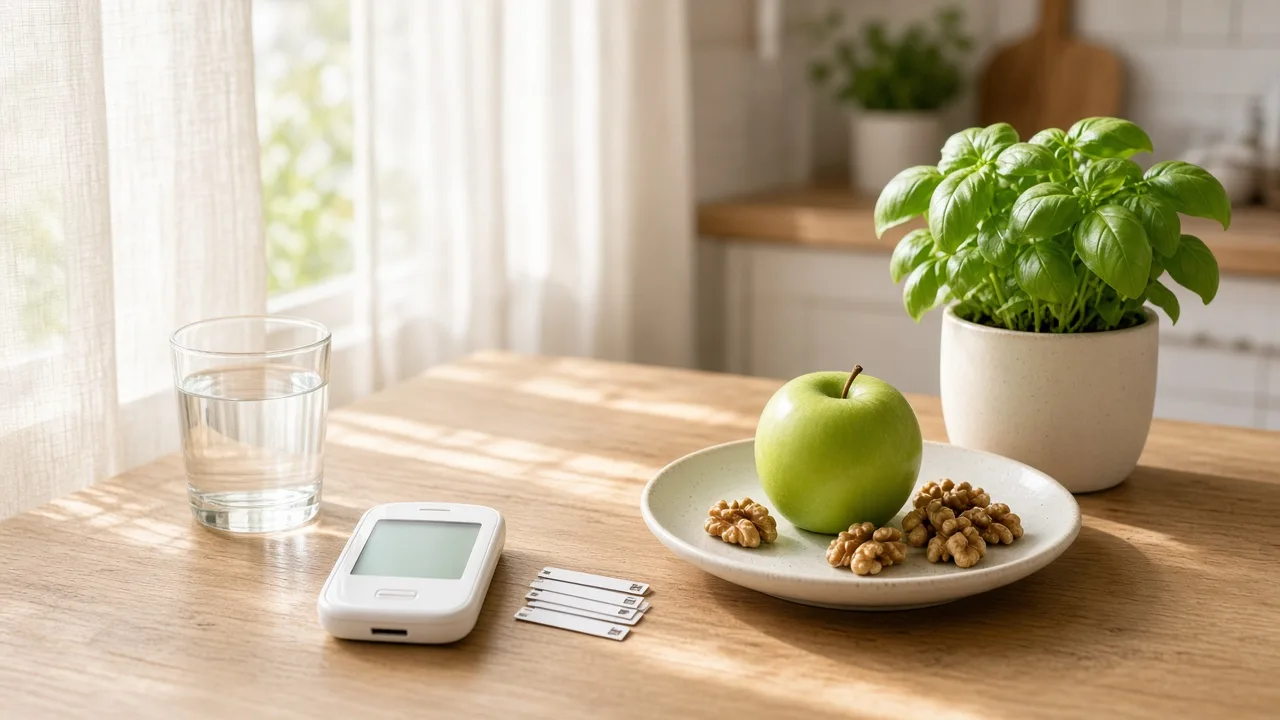
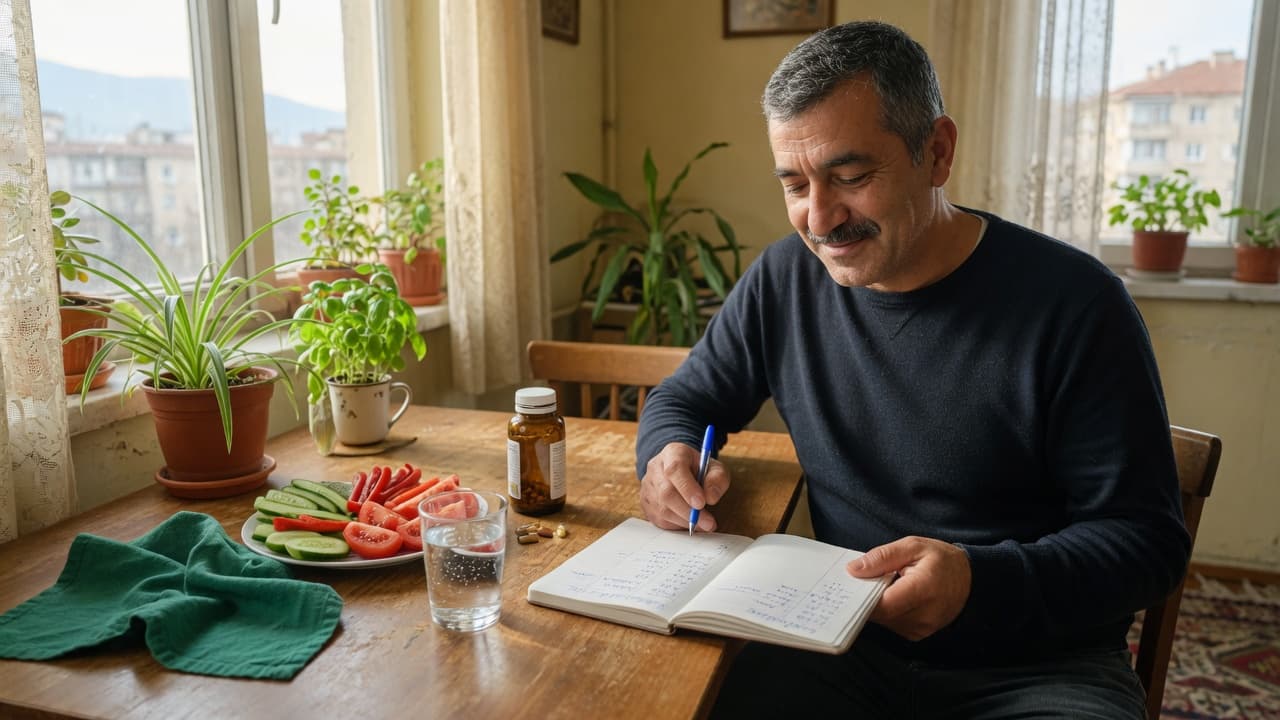
Self-monitoring with a glucose meter (or a sensor, if one has been prescribed for you) is feedback that “feeling” can’t give. Write down what you ate and how much you moved — after two weeks you’ll see patterns.
A daily framework that works for most people
You don’t need a perfect restaurant-style plan. You need a routine you can keep up in Skopje, Bitola or a village — with bread on the table, a family lunch and little time.
- Eat at similar times. Long gaps between meals, followed by a big spike, make your glucose swing.
- On every plate: protein + vegetables/fiber + a quality carbohydrate in a portion you know.
- A 10–15 minute walk after the main meal, if your doctor allows it.
- Water throughout the day. A sweet drink is not a “small pleasure” — it’s a fast spike.
- Sleep 7–8 hours. One bad night often shows up in the morning reading.
More on lifestyle — without myths about miracle solutions — in the guide Type 2 diabetes: natural control through lifestyle.
The meal that doesn’t send the curve up sharply
The order on your plate matters. Vegetables and protein first, then bread, rice or potatoes. White bread on its own, on an empty stomach, gives many people a sharper spike than the same slice of bread alongside beans and salad.
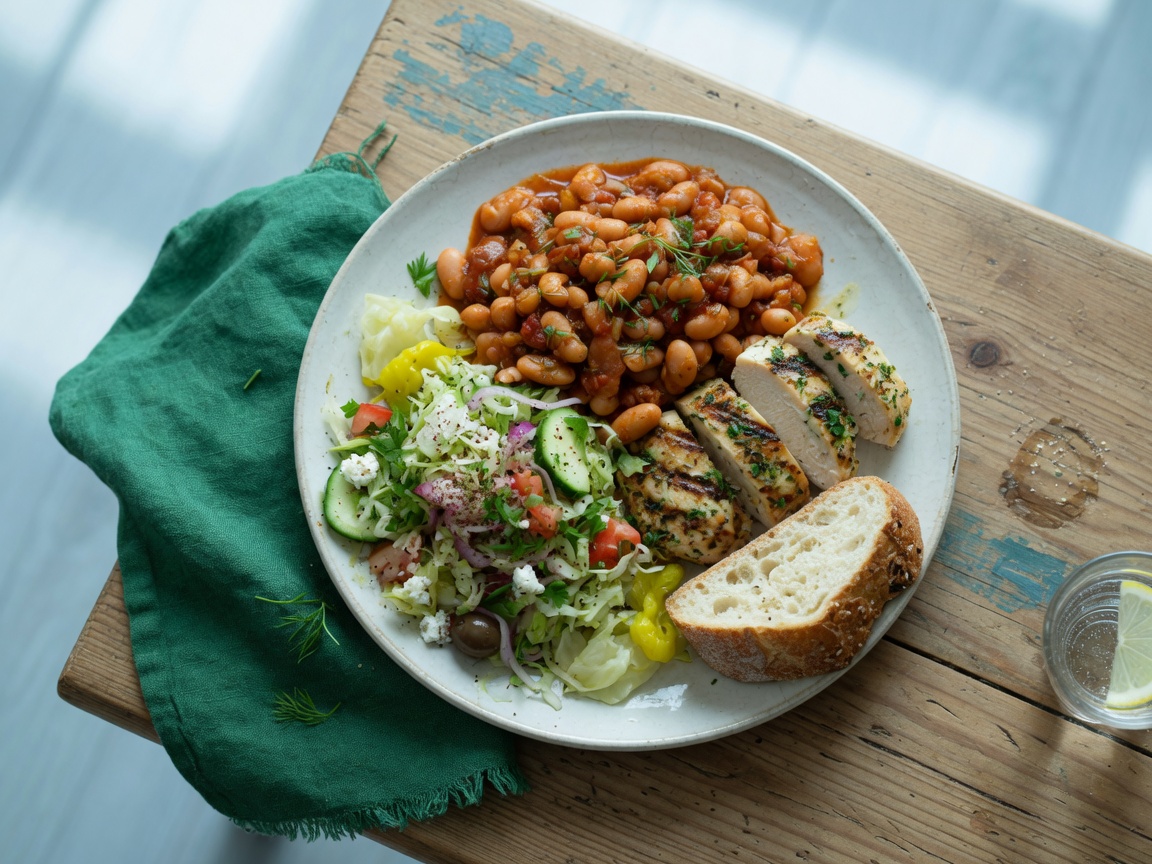
- Good mainstays: beans, lentils, chickpeas, yogurt, eggs, fish, chicken, cheese in a moderate portion.
- Carbohydrates that work better: oats, bulgur, a measured slice of whole-grain bread, fruit eaten whole.
- Limit: juices, sodas, boza, baklava “just a little,” white rolls between meals.
A specific list of what to eat and a sample day are in diabetes diet: what to eat. If you’re still putting together foods for prevention, also see the diet linked to lower risk.
Monitoring without panic and without ignoring it
Measure in the same situations: in the morning on an empty stomach, before lunch, 1–2 hours after lunch, before bed — as your doctor instructs. One high number isn’t a disaster. A series of high numbers is a signal to call your doctor, not to change your dose yourself.
- Wash your hands before a finger-prick test. Fruit juice on your finger gives a false reading.
- Don’t chase “perfection” by skipping meals if you’re on insulin or on medicines that can lower blood sugar.
- Carry a fast-acting carbohydrate if you are at risk of hypoglycemia (glucose tablets, juice) — agree on it with your doctor.
If you’re looking for how to respond when your number is already high, read how to lower your blood sugar — again as habits, not as an emergency “kitchen medicine.”
Movement that “uses up” glucose
Muscle is a big consumer. You don’t need a gym. What helps: a walk after lunch, stairs instead of the elevator, 2–3 short strength sessions a week for the legs and back. With neuropathy, retinopathy or heart risks — have your doctor approve the program.

Avoid a long stretch of sitting after a heavy meal. Even 10 minutes down the hallway or around the building is better than nothing.
Sleep, stress and morning spikes
Cortisol naturally raises glucose in the morning. If you sleep little, work shifts or wake up worried, your morning number is often stubborn. A fixed bedtime, less screen time in bed and a realistic cutoff for coffee after 16h are part of control — even if they sound trivial.
Chronic stress isn’t solved with a supplement. Short breathing breaks, a walk and talking to your doctor if anxiety is eating into your sleep are more serious tools than an “anti-stress tea” alone.
Where supplements fit — and where they don’t
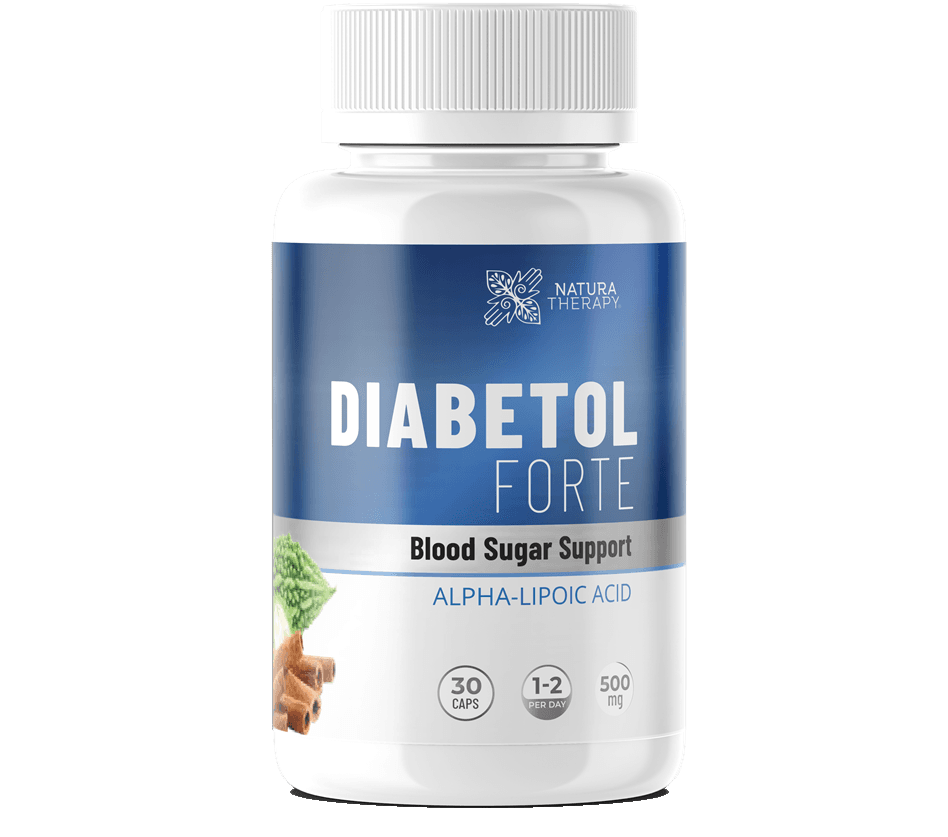
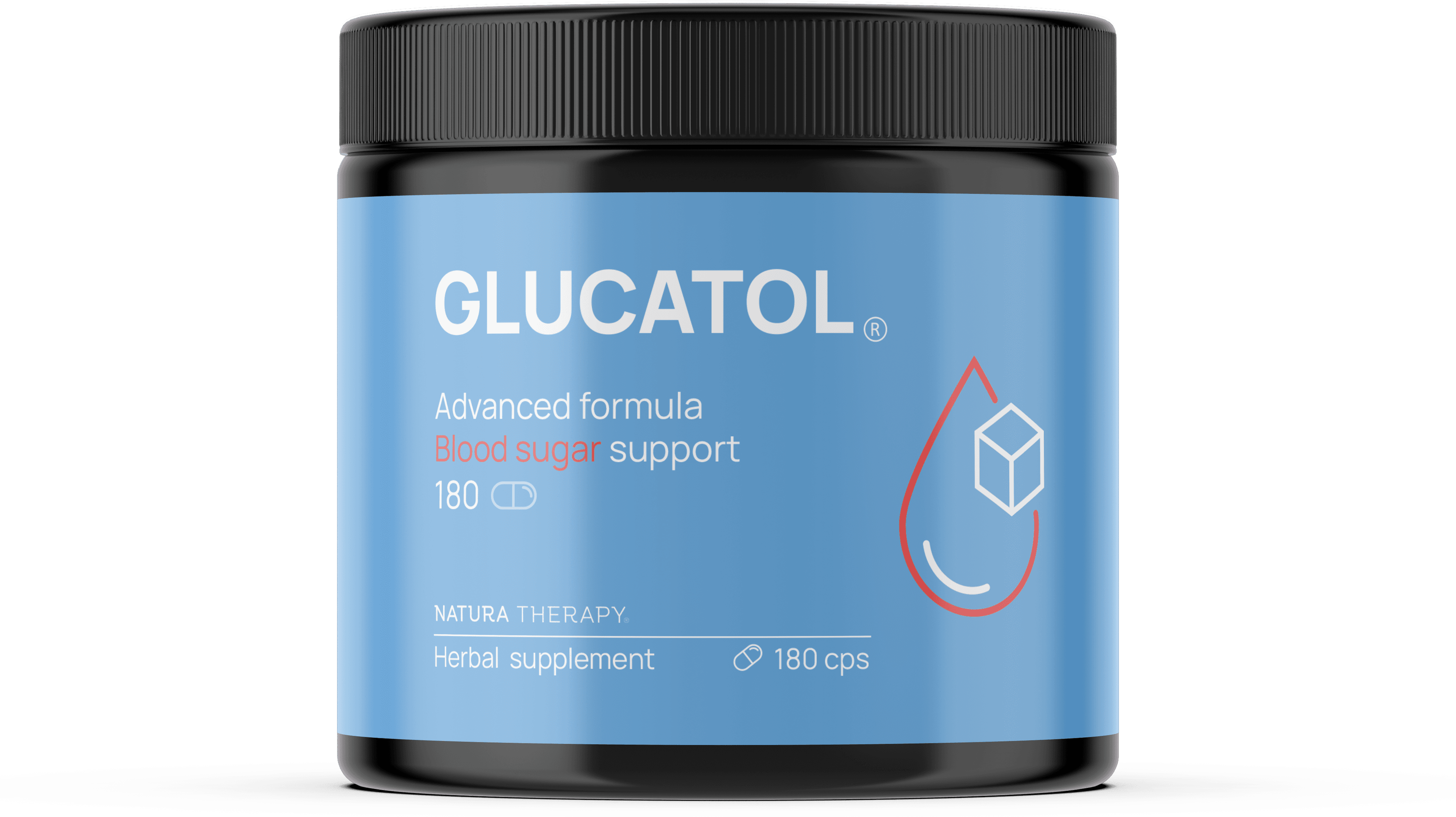
A food supplement doesn’t keep your glucose in check in place of therapy. It can be a layer on top of diet and exercise, if your doctor agrees. In the Diabetes category you’ll find formulas positioned as support for carbohydrate metabolism, for example Diabetol Forte (alpha-lipoic acid, cinnamon extract, bitter melon, zinc and chromium) or a larger pack such as Glucatol 180 — always according to the label, not as a medicine.
- Tell your endocrinologist before you start — especially if you’re on insulin, metformin or sulfonylureas.
- During the first weeks, measure more often. Don’t stop a prescribed medicine because “I’m starting herbs.”
- Kitchen herbs (cinnamon, ginger) are spices, not a dose of medicine. More in how to take cinnamon with diabetes.
Safety red flags
Seek emergency help with: severe vomiting, confusion, deep breathing, a smell of acetone, very high glucose with thirst that won’t stop, or severe hypoglycemia that doesn’t come up with carbohydrates. These aren’t situations for blog advice.
For signs that often appear before a diagnosis, see the first symptoms of diabetes.
Frequently asked questions
- How often should I check my glucose if I’m on tablets?
- It depends on the medicine and on how stable your values are. Many people measure in the morning and occasionally after a meal. Your doctor gives the exact schedule — don’t copy it from social media.
- Does a walk after lunch really help?
- For many people, 10–15 minutes of light movement eases the spike after eating. It’s a habit, not a replacement for therapy.
- Can I stop my medicine if the numbers are good?
- Not on your own. Good numbers are often the result of exactly that therapy plus habits. Any dose change — only with an endocrinologist.
- Does Diabetol Forte maintain glucose instead of diet?
- No. Diabetol Forte is a food supplement for support, not a medicine, and not a replacement for meals, monitoring and prescribed therapy.
- What should I do if I’m always high in the morning?
- Check your dinner (late pasta, fruit yogurt, alcohol), your sleep and whether dinner is too far from bedtime. Then talk to your doctor — it may be the dawn effect, not just a “bad dinner.”
- Is fruit forbidden?
- Not as a rule. Whole fruit with a meal usually works better than juice. Portion and type matter — agree on them with a nutritionist or doctor.
- When should I call urgently?
- With signs of severe hypo- or hyperglycemia, vomiting, confusion or if you can’t keep fluids down. Don’t wait for it “to pass by tomorrow.”
This article is for informational purposes and does not replace medical advice. Food supplements are not medicines. Consult a doctor before use, especially if you have a chronic illness, are pregnant or breastfeeding, or are taking medicines. Results are individual.