
Brain circulation is the system that carries oxygen and glucose to the neurons and carries waste products away. The brain has almost no reserve: if blood flow drops suddenly, the cells suffer within minutes. That is why the topic is serious — and why it isn’t solved with a “cleansing” tea.
This article is an educational map: what normal blood flow is, which factors change it, which signs call for emergency help and what you can realistically do every day. Herbs are a separate topic — herbs for blood circulation in the brain. Catalog: Brain and nervous system.

What “brain circulation” means
Two main arterial pathways feed the brain: the carotid arteries (at the front, on the sides of the neck) and the vertebral arteries (at the back, along the spine). They connect in a circle at the base of the brain, so if one branch is narrower, the other partly compensates. The veins and sinuses return the used blood to the heart.
Autoregulation keeps blood flow relatively stable even when the pressure in the body changes within a reasonable range. When blood pressure is chronically high, the vessel walls thicken. When it is too low, or the heart pumps weakly, the brain gets less oxygen — fog, dizziness and tiredness set in.
- Neurons need continuous glucose and oxygen, not a “course” once a month.
- Waste products have to be carried away; stagnation is not a cosmetic problem.
- Your neck, posture and tension can affect comfort, but they don’t explain every symptom.
What changes blood flow in everyday life
Blood pressure and the heart
High blood pressure is a silent risk for the blood vessels. Low blood pressure — especially with dehydration, anemia or some medicines — causes dizziness when you stand up. Heart rhythm and the pump are the engine: if the engine runs unevenly, the brain feels it first.
Blood, glucose, breathing
Anemia, smoking, poor sleep and wild swings in blood sugar change oxygen delivery. Sleep apnea is an underestimated factor in morning fog. Chronic stress tightens peripheral circulation and keeps the body in “fight” mode, not in recovery.
Movement vs. sitting
Sitting for long periods with your neck bent in front of a screen is not a diagnosis, but it is a common context for tension, shallow breathing and the afternoon slump. Short walks and changing position are cheaper than any extract.

When it’s urgent — not a supplement
Stroke and transient ischemic attacks are medical emergencies. A supplement, ginkgo or a “cleanse” has no place here.
- Sudden weakness or numbness on one side of the face, arm or leg.
- Slurred speech, words that “won’t come out,” sudden confusion.
- A sudden, worst-ever headache, double vision, loss of balance.
- Symptoms that last minutes and then pass — still get an urgent checkup; it may be a warning.
This article does not teach you how to “open up blood vessels” at home. Anticoagulant medicines, surgical procedures and rehabilitation are strictly a doctor’s domain.
Habits that genuinely support blood flow
- Movement on most days. A brisk 20–30 minute walk increases cardiac output and subjective clarity.
- Salt, water, alcohol within limits. Dehydration makes the foggy feeling thicker; too much alcohol damages both the heart and sleep.
- Smoke — zero. Smoking narrows the blood vessels and steals oxygen. This is the strongest “natural” move that many people keep putting off.
- Sleep and morning light. The circadian rhythm affects blood pressure and attention the next day.
- A plate that feeds your blood vessels. Omega-3, polyphenols, potassium from vegetables — see 13 superfoods for the brain. This isn’t a list article; you’ll find the portions there.
Where herbs and formulas fit in
The herbal tradition (ginkgo, rosemary, ginger, hawthorn) is concerned with comfortable blood flow and subjective clarity. The evidence is mixed, the doses matter, and interactions with blood thinners are real. For that map, go to herbs for cerebral blood flow.
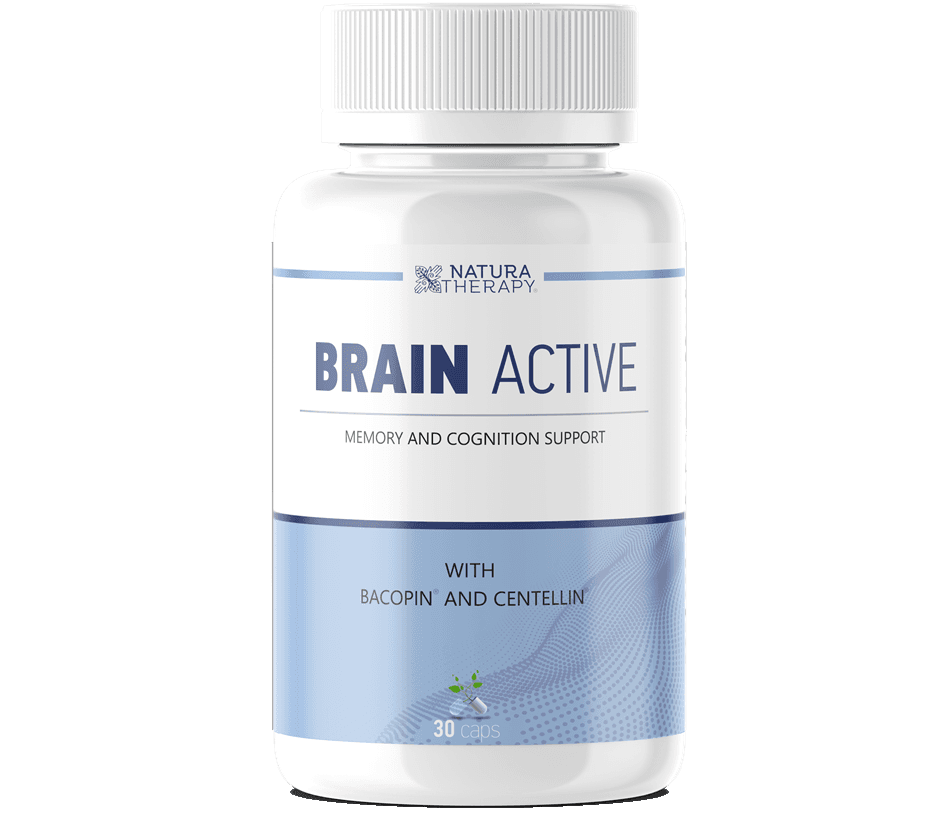
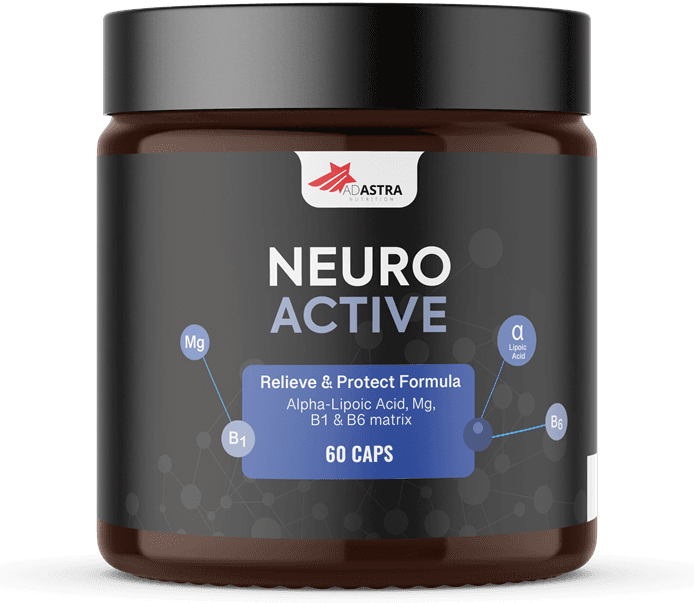
For everyday cognitive support in adults, people often look at Brain Active. For nervous comfort and a broader herbal complex — Neuro Active. Brain Active is not a medicine for stroke, stenosis or dementia, and neither is Neuro Active.
Peripheral tingling and nerve discomfort in the limbs are a different topic: 10 herbs for the peripheral nervous system.
Frequently asked questions
- Is “poor brain circulation” a diagnosis?
- In everyday speech, that is how people describe fog, dizziness or tiredness. Medically, it can be blood pressure, anemia, apnea, medicines, anxiety or a real vascular problem. The diagnosis is made by a doctor, not by a blog headline.
- Does ginkgo help on its own?
- Ginkgo is the most studied herb for cerebral comfort, but it is not universal and not safe for everyone (especially with anticoagulants). Details and limits are in the article on herbs.
- Does coffee improve circulation?
- Caffeine briefly raises alertness and may tighten or change blood flow, depending on the person. Late coffee ruins sleep — and sleep is part of vascular health.
- Which habit gives you the most in a month?
- Quitting cigarettes if you smoke, a walk on most days, blood pressure kept under control with a doctor, and steady sleep. A supplement is the fourth step, not the first.
- Can Brain Active replace a checkup with a neurologist?
- No. The formulas are nutritional support for adults. With sudden neurological signs or progressive symptoms — get an urgent or scheduled medical assessment.
- Does dehydration really feel like “brain fog”?
- For many people, yes. Start with water and a sensible amount of salt before you buy an extract. In heat or during long exertion, see the topic of electrolytes too.
This article is for informational purposes and does not replace medical advice. Food supplements are not medicines. Consult a doctor before use, especially if you have a chronic illness, are pregnant or breastfeeding, or are taking medicines. Results are individual.