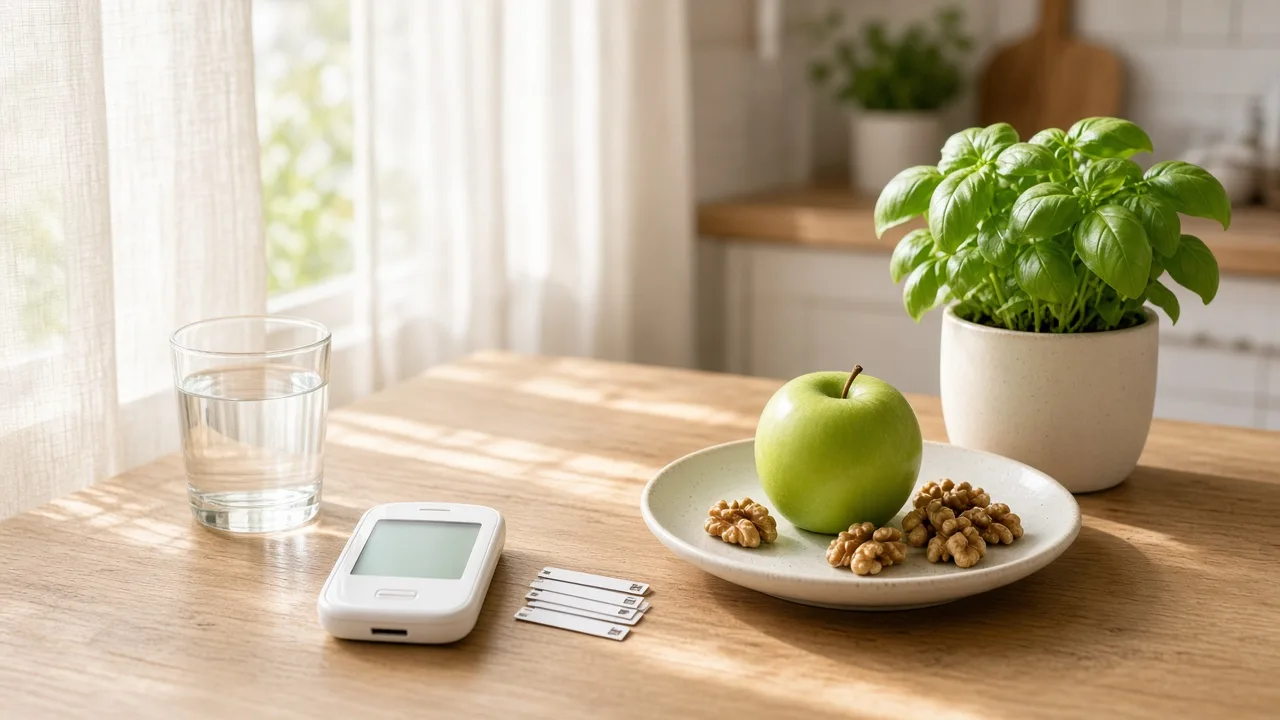

Children’s immunity is a topic that worries every parent — especially in fall and winter. It’s important to start with clarity: a child’s immune system learns through contact with the environment; the goal is not “zero illnesses,” but resilience, good sleep and timely medical care.
Always consult a pediatrician before giving food supplements, syrups or herbs to a child — especially under 3–4 years of age, or if the child has chronic illnesses or allergies or takes medicines. This article is for information only and does not replace an examination.


The basics: more powerful than any capsule
- Age-appropriate sleep — a child who doesn’t get enough sleep gets sick more often and recovers more slowly.
- Varied food — vegetables, fruit, protein, whole grains; limit sugary drinks.
- Physical activity and fresh air — outdoor play supports immune regulation and mood.
- Hygiene without extremes — handwashing, but no sterile “bubble” environment.
- Vaccinations according to the schedule — key medical protection; confirm with your pediatrician.
- Screens and stress — overtiredness and late screen time make sleep and overall resilience worse.
When to see a doctor (not a supplement)
A high fever that won’t come down, difficulty breathing, refusing fluids, rashes, being very out of sorts or recurring infections — these are reasons for a medical assessment. Don’t experiment with “adult” doses.

Micronutrients parents often ask about
Deficiencies are determined through a medical history and, if needed, tests. Don’t give high doses “prophylactically” without advice.
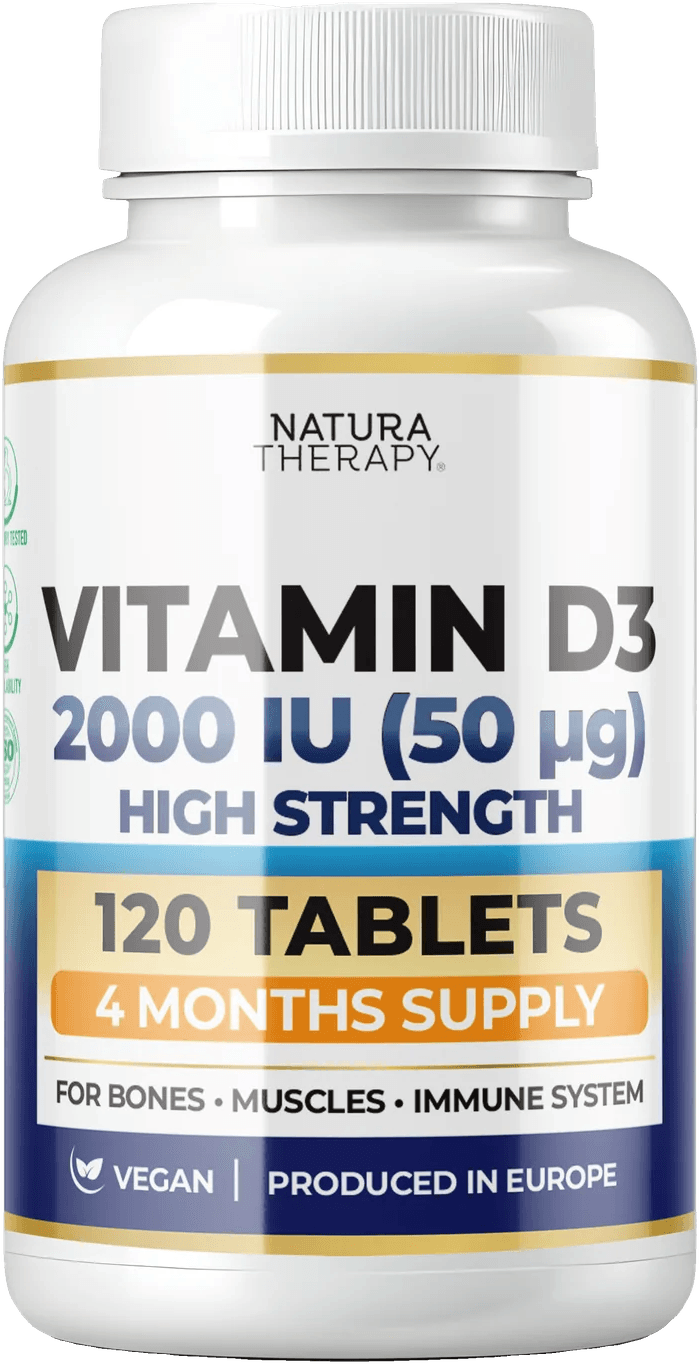
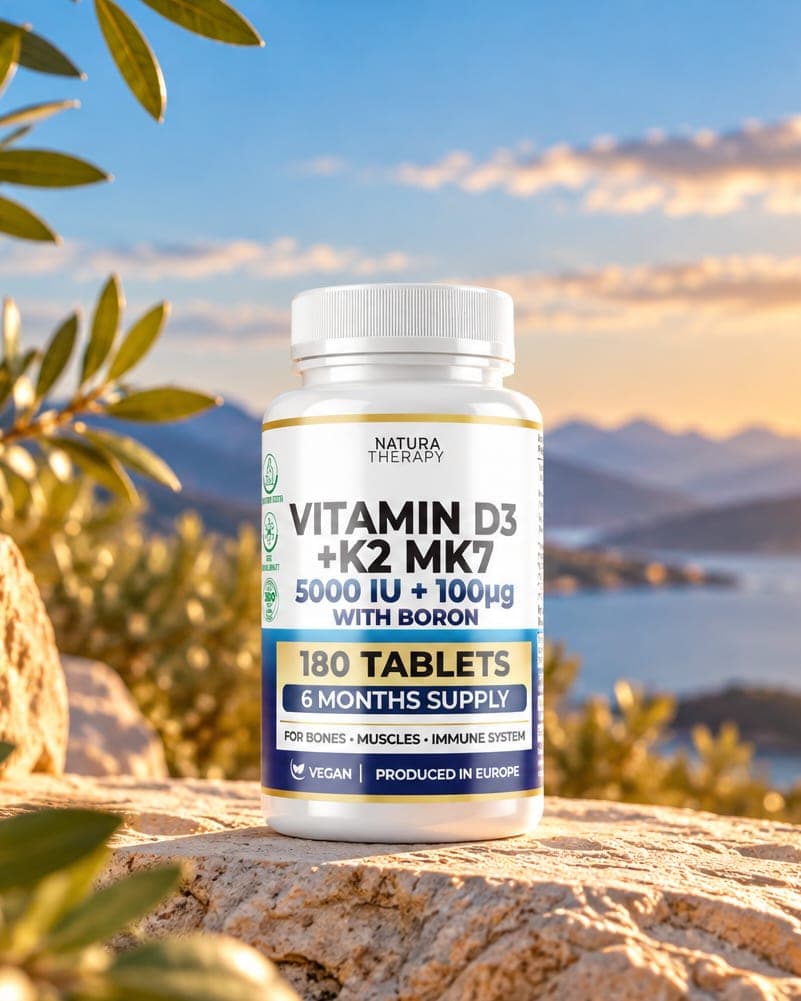
- Vitamin D — often considered when there is little sunshine; dosing in children is specific to age. For adult formulas, see Vitamin D3 2000 IU — do not give them directly to children without a pediatrician.
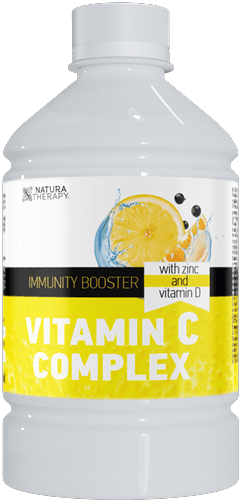
- Vitamin C — from food (citrus fruits, peppers, kiwi) and, if needed, products suited to the child’s age; an example of an adult/general formula: Vitamin C Complex.
- Zinc and iron — only when a need has been established; overdose is a risk.
Herbal syrups and “immune” formulas
Some families use black elderberry syrups or multivitamin combinations during cold season. The choice should be:
- With a clear age indication on the label.
- Without questionable ingredients for young children.
- Approved by a pediatrician in case of chronic conditions or allergies.
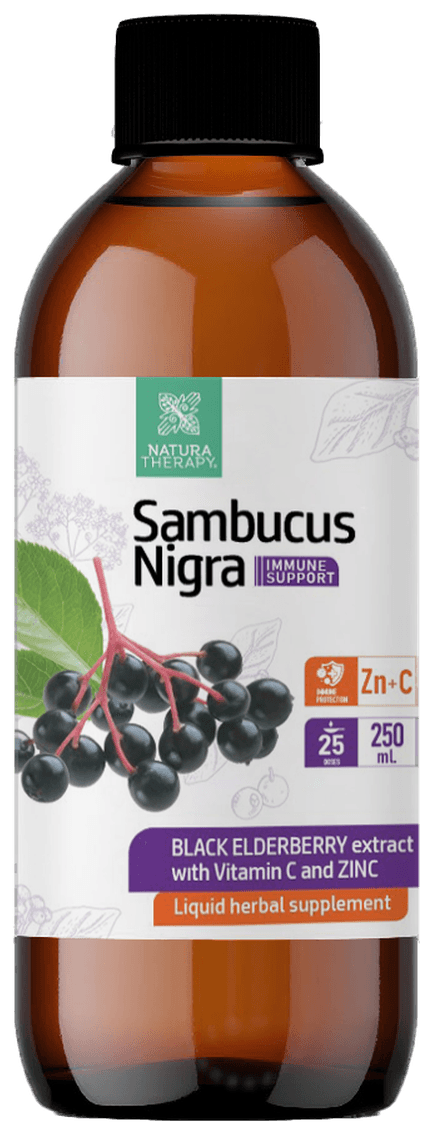
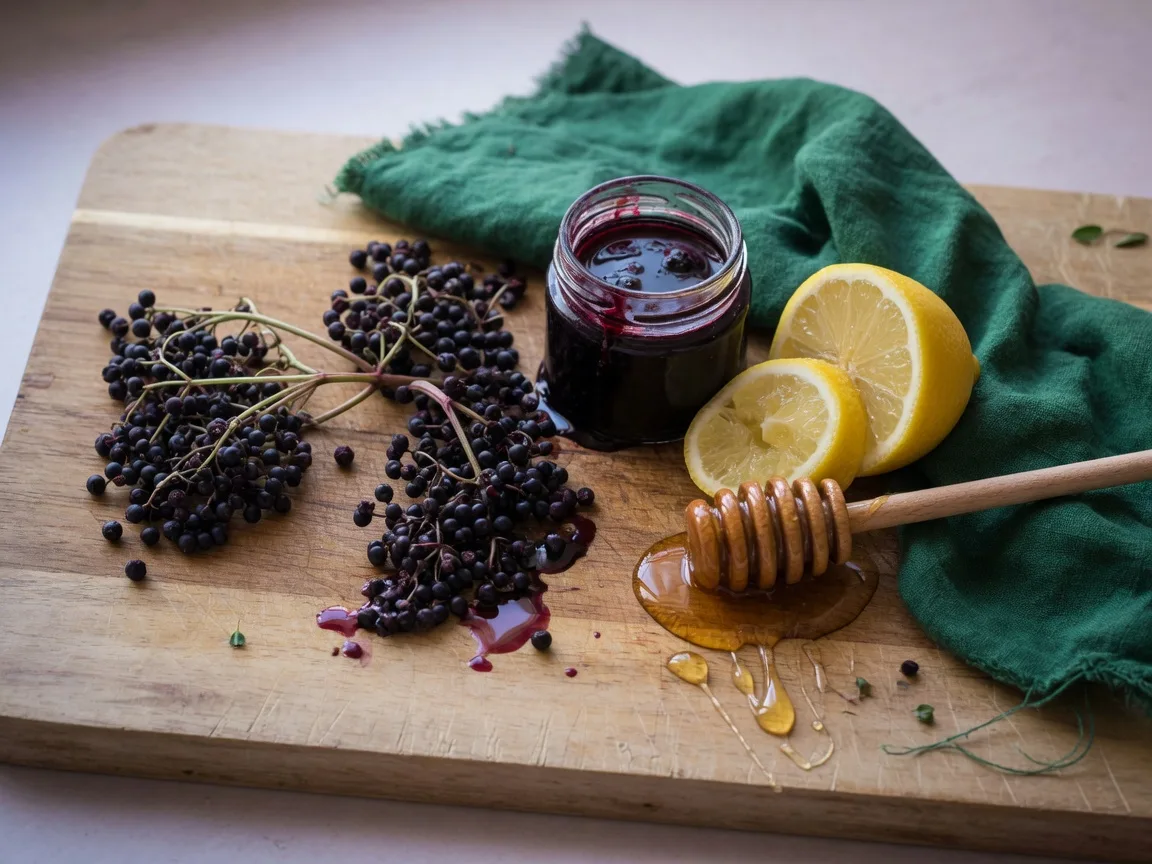
An example of an immune syrup in our catalog: Sambucus Nigra (black elderberry syrup) — check the age and dose on the label before giving it to children. For a broader perspective, see the Immunity category and the article 12 natural remedies for immunity.
A practical family checklist
- A fixed bedtime during the school week.
- At least one serving of vegetables/fruit with each main meal.
- Outdoor play when the weather allows.
- No sharing bottles and utensils in the group/at school.
- Supplements — only after talking to a pediatrician, in a measured dose.
Related: 12 natural remedies for immunity. Category: Immunity.
Frequently asked questions
- Is it normal for a child to get sick often in daycare/school?
- In the first years, contact with viruses is common and part of the immune system’s “training.” If infections are very severe, unusually long or come with complications — talk to a pediatrician; don’t increase supplements blindly.
- From what age are immune syrups suitable?
- It depends entirely on the product and the label. Some formulas are for older children; others are not for children under a certain age. The pediatrician is a mandatory stop before the first dose.
- Can I give my child adult vitamin D?
- Not without a doctor’s guidance. Adult doses can be unsuitable. Use only forms and amounts recommended for the child’s age.
- Do probiotics help children’s immunity?
- The microbiome is linked to immune regulation, but strains and doses vary. The choice is individual — ask a pediatrician, especially for babies and young children.
- Do supplements replace vaccinations?
- No. Food supplements are not vaccines and do not provide the same protection. Follow the national immunization schedule with your doctor.
- When is a supplement dangerous for a child?
- In case of overdose, allergy, interaction with medicines or use of products without clear age guidance. Keep supplements out of reach of children.
This article is for information only and does not replace an examination or advice from a pediatrician. Do not give food supplements to children without professional consultation. Supplements are not medicines and do not treat, prevent or diagnose diseases. If you suspect a serious condition, seek emergency medical help. Results vary from person to person.