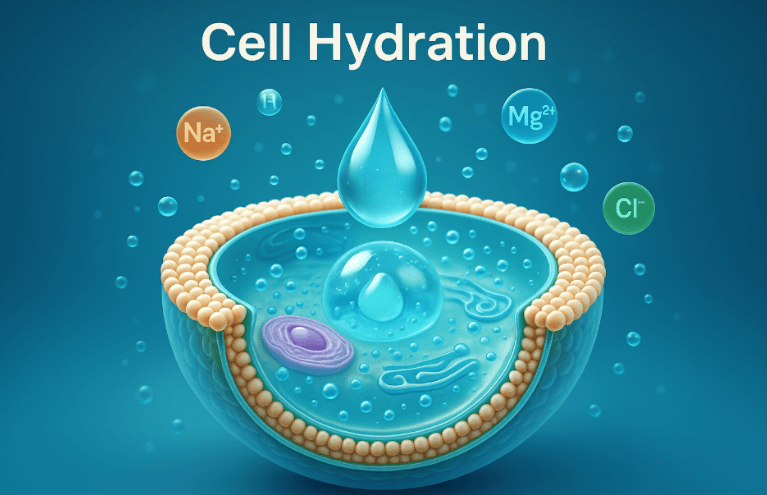
Electrolytes are ions that keep water in the cells and carry impulses — from heart rhythm to thought. They are not just a sports trend. This article is about everyday balance: muscle, brain, heart. The protocol around a workout is covered in training without electrolytes. Heat emergencies: dehydration and heatstroke.
Which ion does what
- Sodium — blood volume, thirst, nerve firing. Too little after liters of water; too much from ready-made sauces.
- Potassium — muscle and heart relaxation. Potatoes, beans, yogurt, spinach — if your kidneys allow it.
- Magnesium — ATP, sleep, fewer cramps for some. Dedicated guide.
- Calcium — contraction and bone; usually from food, not from an isotonic drink.
- Chloride — sodium’s partner, acid balance.
Brain: why “fog” is often about water and salt
A two percent fluid loss feels like absent-mindedness. Office air conditioning + coffee + a light lunch is a classic. A glass of water and a meal with salt are often worth more than a third nootropic. Category: brain and nervous system.
Heart: balance, not a medicine
Potassium and magnesium are part of electrical stability. That does not mean an isotonic drink treats arrhythmia or blood pressure. Hypertension is a matter for a doctor: hypertension. Diuretics change the profile — don’t add potassium on your own.
When food is enough
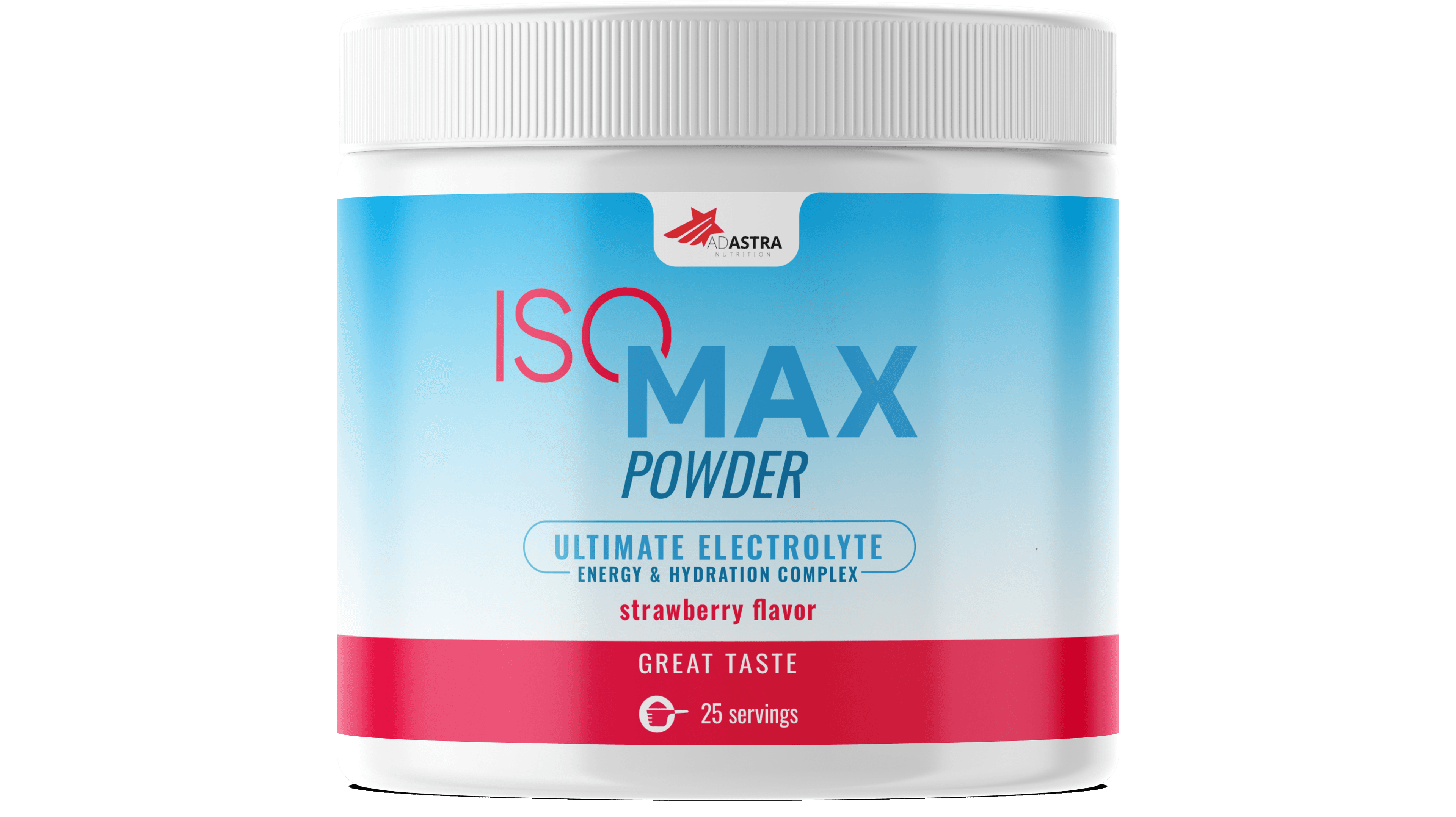
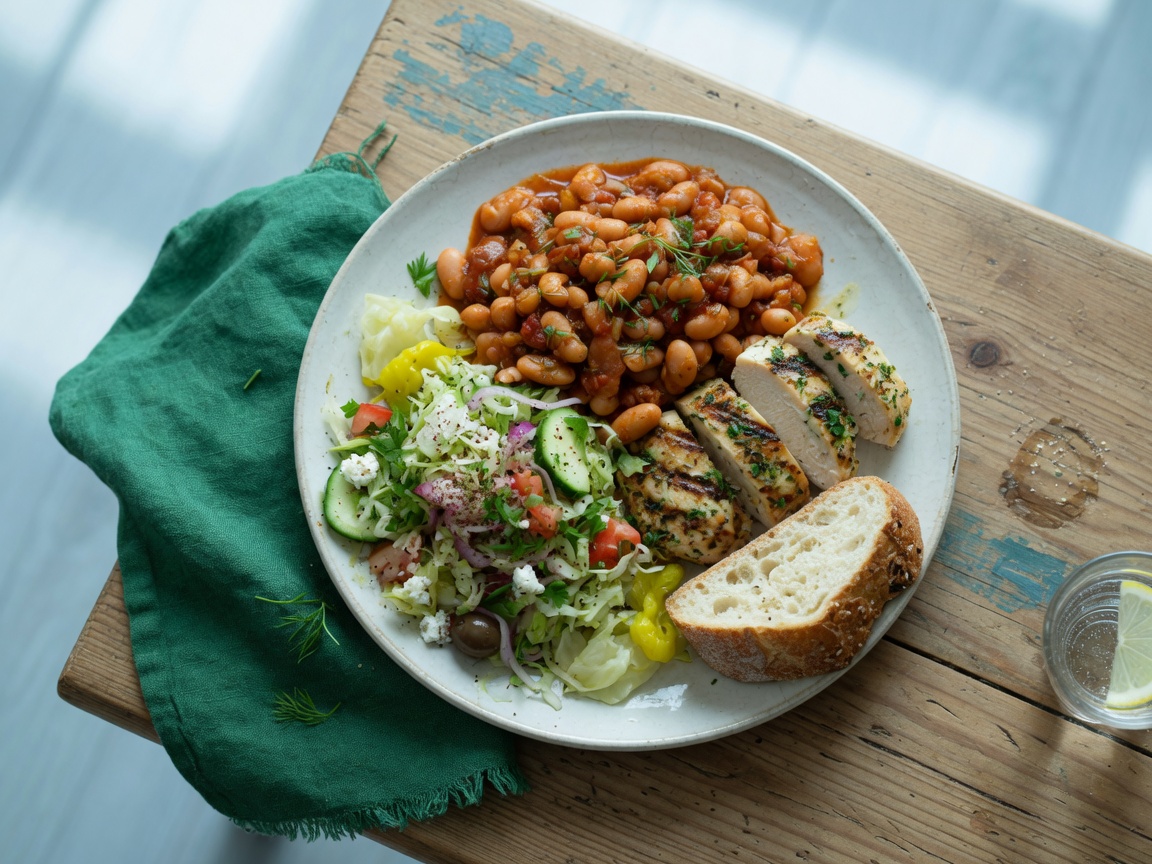
A normal day, moderate movement, a colorful plate — you don’t need a powder. An isotonic drink makes sense with long exertion, work in the heat, or gastrointestinal losses (when you can already drink, you are conscious and your doctor has not said otherwise). One formula: ISO Max. Daily magnesium separately: bisglycinate or citrate.
Sports context: Adastra, fitness.
A practical day: water on your desk, salt in your lunch, fruit or yogurt in the afternoon, magnesium in the evening if cramps are an issue. Save the isotonic drink for the day when sweat shows on your T-shirt or when your workout runs over an hour. That way ions stay a tool, not a habit born of boredom.
What electrolytes are and why muscle needs them
- Sodium — plasma volume, nerve impulses, thirst.
- Potassium — muscle relaxation and a steady rhythm.
- Magnesium — ATP, less tendency to cramp in some people.
- Calcium — contraction; it usually isn’t lost through sweat as quickly as sodium.
- Chloride — acid-base balance together with sodium.
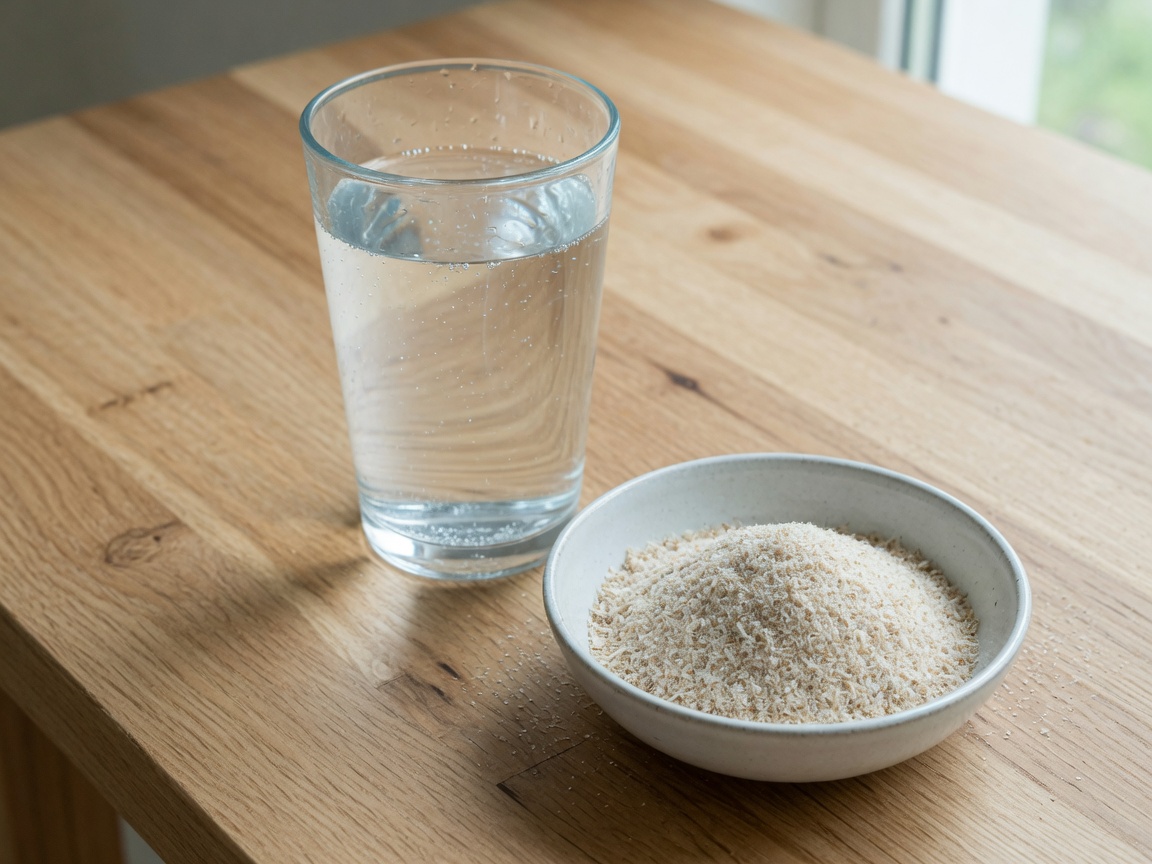
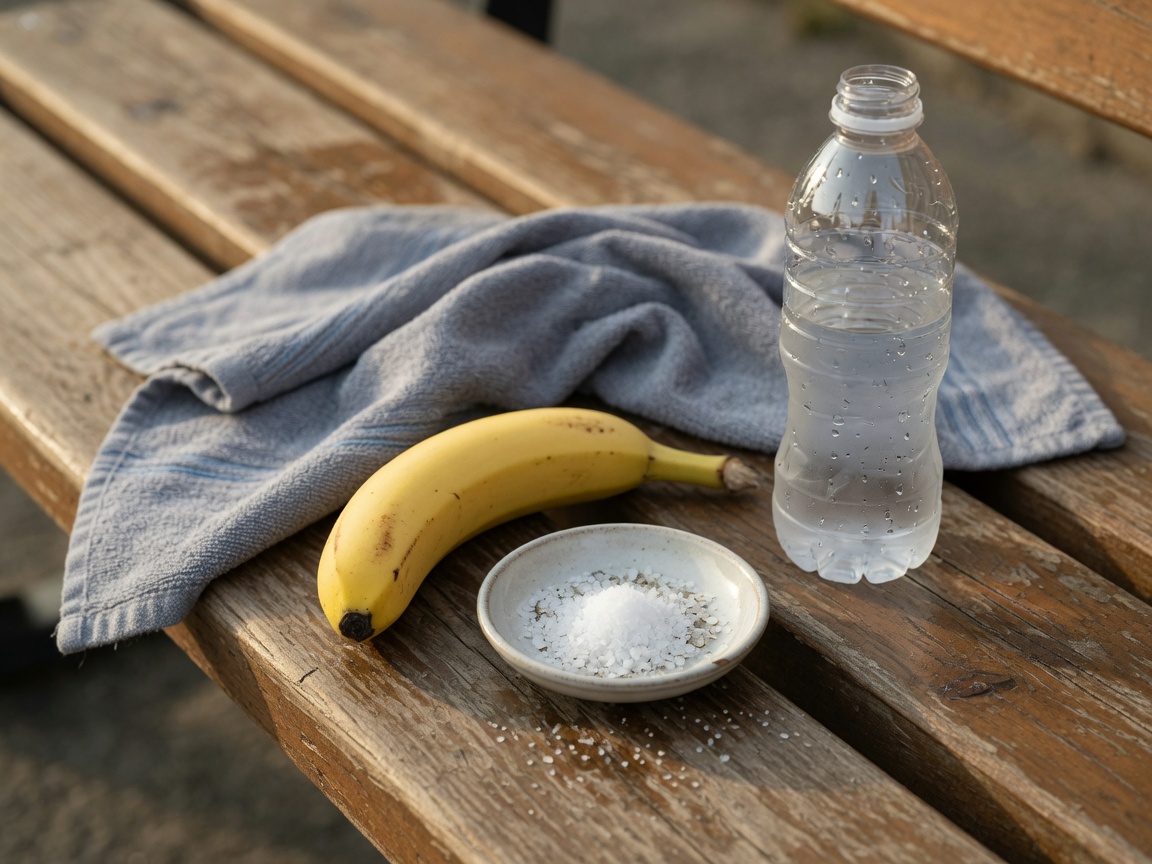
Even a 2% loss of body fluid can reduce both physical and cognitive performance. An hour of exertion in the heat can take away hundreds of milligrams of sodium. Large volumes of plain water without salt then dilute your sodium — hyponatremia, not “better hydration.”
When water is enough — and when it isn’t
For under 45–60 minutes of moderate training in a cool room, water and a normal meal are usually enough. An isotonic drink makes sense when:
- you train for over an hour, especially twice a day;
- it’s hot, humid, or you’re in a sauna after the gym;
- you are a “salty” sweater (white marks on your T-shirt);
- you get cramps, dizziness or a drop in focus mid-session.
Signs that the balance is already slipping
- Cramps, tingling, “heavy” muscles.
- Headache, fog, irritability.
- An unusually fast pulse at the same workload.
- Very dark urine or, at the other extreme, endlessly clear urine after liters of water without salt.
Collapse, confusion, no longer sweating in the heat — this is not the moment for a shake, but for cooling down and medical help.
A practical protocol around your workout
- 30 min before: 250–300 ml of water; if the session will be long, a meal with salt.
- During (>60 min): 150–200 ml every 15–20 min, with electrolytes — not liters at once.
- After: weight before/after (1 kg ≈ 1 L lost) + a meal with potassium (banana, potato, yogurt).
For a sports isotonic drink with minerals, see ISO Max in Adastra Nutrition — one formula, used as directed on the label, not three powders “just in case.” Magnesium as a separate mineral for muscles and sleep: magnesium for the heart and muscles.
Myths that spoil your workout
“Water alone is always enough” — not with long exertion in the heat. “The more electrolytes, the better” — the excess sodium and sugar from sports drinks is a burden if you sit in an office. “Caffeine replaces electrolytes” — caffeine is a stimulant, not an ion.
Frequently asked questions
- Should I drink electrolytes every day at the office?
- Usually not. Water, meals, less sweetened coffee. A powder every day is unnecessary sodium for many people.
- How is this different from a magnesium capsule?
- The capsule is a single mineral for a daily baseline. The isotonic drink is a mix for acute losses, often with carbohydrates.
- Do electrolytes raise blood pressure?
- Excess sodium can do that in sensitive people. That’s why they are not a “healthy” desk drink if you already eat salty food.
- Can you get too much potassium?
- Yes, especially with kidney insufficiency or medicines that retain potassium. Don’t take potassium tablets without a doctor.
- Are they a medicine for the heart or for brain fog?
- No. They are minerals. Diagnosis is up to a doctor.
- Do I need electrolytes if my workout is 40 minutes?
- Usually not, if you’ve eaten normally and it isn’t extremely hot. Start with water and salt in your meal.
- Can too much water without salt be dangerous?
- Yes. Hyponatremia causes nausea, confusion and, in severe cases, seizures. Drink according to thirst and losses, not liters “by force.”
- Can I use table salt + lemon juice?
- As a rough homemade version — yes, for moderate sessions. The dosing is imprecise; for long events, a formula with a known composition is more predictable.
This article is for informational purposes and does not replace medical advice. Food supplements are not medicines. Consult a doctor before use, especially with heart or kidney disease, diuretics or pregnancy. Results are individual.