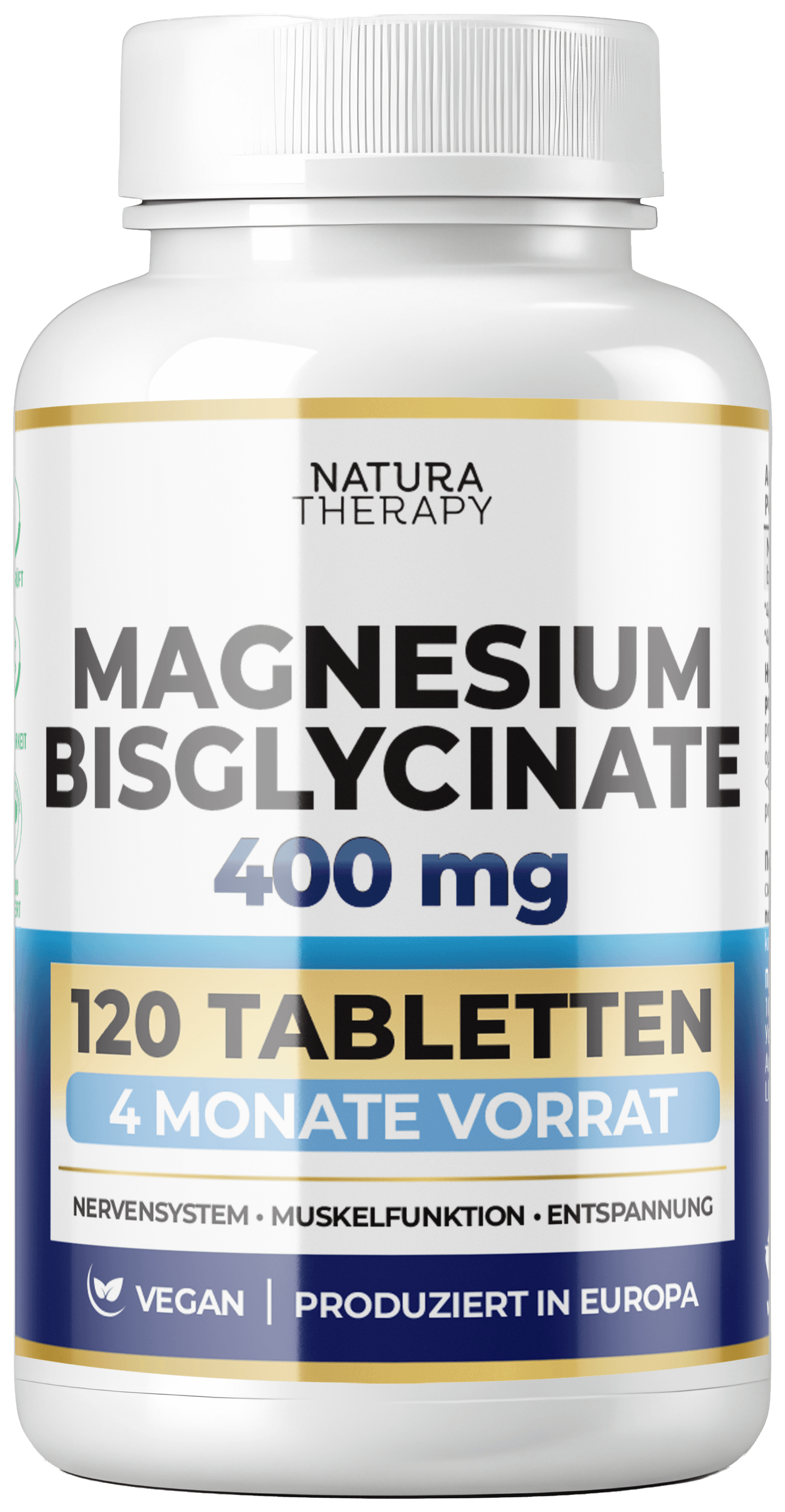

Magnesium is a mineral without which the heart muscle, the skeletal muscles and the nervous system can’t finish their work. It takes part in hundreds of enzymatic reactions, including the synthesis of ATP. When it is low, people describe cramps, a “nervous” pulse, poor sleep and fatigue — often while taking a pile of other supplements and skipping the basics.
Magnesium is not a medicine for blood pressure, arrhythmia or diabetes. With heart complaints, see a doctor first. This article is about its role in the heart and muscles and about choosing a form.
Why the heart and muscles need it
- Heart rhythm — magnesium and potassium stabilize electrical activity; deficiency is linked to extrasystoles in some people.
- Relaxation after contraction — calcium tightens, magnesium helps release; that is why cramps are a common topic.
- Energy — without magnesium, ATP is “paper without ink.”
- Nerve comfort and sleep — many take it in the evening for exactly this reason, not as a prescription sedative.

Diet (pumpkin, almonds, cocoa, leafy greens, legumes) should be the first layer. Modern soil and a processed menu leave many adults hovering around the lower limit. Stress and sweating increase the need.
Citrate or bisglycinate — they are not the same
Oxide is cheap and poorly absorbed; often it just upsets the stomach. Organic salts are more predictable:
- Magnesium citrate — good absorption, often a mild laxative effect; practical if you also have hard stools.
- Magnesium bisglycinate — bound to glycine, usually gentler on the gut and often chosen for the evening.
Don’t take two full doses of different forms “just to be safe.” The elemental magnesium on the label is the number that adds up, not the weight of the salt. Catalog: minerals and vitamins.
Training, sweat and recovery
After a long workout you lose magnesium through sweat. That doesn’t mean replacing your isotonic drink with a capsule mid-session. For ions around exertion, see training without electrolytes. The capsule is for the daily baseline; the fluid is for the acute loss of sodium and water.

Sports context: fitness and active life.
When not to experiment on your own
- Kidney impairment — magnesium is retained; only with a nephrologist.
- Medicines (diuretics, proton pump inhibitors, some antibiotics) — interactions.
- Pregnancy — the dose is set by a doctor, not a forum.
- Persistent irregular rhythm, chest pain, fainting — urgent, not a mineral.
How to introduce it
Start with the dose on the label, preferably with dinner rather than on an empty stomach. Give it 10–14 days. If your stools get too soft, reduce it or switch to bisglycinate. Track sleep and cramps in a diary — that is more useful than changing brands every week.
Frequently asked questions
- Does magnesium regulate blood pressure?
- Adequate intake is part of a healthy foundation. It does not replace antihypertensive therapy. Blood pressure is monitored with a doctor — see the article on hypertension.
- Which form is “best”?
- Citrate if you also want easier stools; bisglycinate if your stomach is sensitive or you take it in the evening. Oxide is rarely the first choice.
- Can I combine it with zinc or B6?
- Yes, they are often found together. Don’t double up on zinc if you already take a separate zinc. Space out high-dose calcium if you can.
- How long until an effect on cramps?
- For some, from days to two weeks, if the cause was low intake. Cramps also have other causes (strain, sodium, medicines).
- Is magnesium a medicine for the heart?
- No. Food supplements do not treat heart disease. They complement intake when food falls short.
This article is for informational purposes and does not replace medical advice. Food supplements are not medicines. Consult a doctor before use, especially if you have a chronic illness, are pregnant or breastfeeding, or are taking medicines. Results are individual.