
When you search for natural ways to improve mental concentration, the algorithms offer you a capsule. Reality is more boring and more effective: sleep, light, one screen less, a short burst of cold and a body that moves. An herb makes sense only after that.
The list of plants and formulas is in nootropics: natural support for the brain, memory and focus. Here we stick to practices that aren’t a pill. Catalog: Brain and nervous system.
Why “I can’t focus” is often not a lack of some herb
Working memory falls apart with lack of sleep, sugar spikes, constant notifications and unresolved stress. Cortisol and adrenaline keep you awake, but scattered. That’s why a third coffee at 16h rarely brings deep work — it brings jitters and poor sleep.
- 7–9 hours of sleep beats almost any extract for most adults.
- Morning daylight calibrates your body clock; late-night blue screens shift it.
- 40 open tabs can’t be fixed with ginkgo.
Five habits that deliver most of the effect
- Blocks of 45–90 minutes. Phone in another room. One task. A timer. A 5–10 minute break with no new videos.
- A breakfast that isn’t just caffeine. Protein and fat keep you attentive. Nutrient details are in what to eat for memory and in 13 superfoods.
- A walk between blocks. 10 minutes of fresh air often brings back more focus than another tab.
- Hydration before stimulants. Mild thirst disguises itself as brain fog. In hot weather, see electrolytes.
- The same cutoff every evening. For sensitive people, caffeine no later than 8 hours before bed. Putting the screen down is a cheaper nootropic than any powder.
Cold shower: a small stress with rules
Brief exposure to cold water raises alertness in many people (noradrenaline, deeper breathing). It is not a medicine for anxiety and it is not for everyone.

- End your warm shower with 20–30 seconds of cold water. Breathe slowly through your nose.
- Work up to 1–2 minutes over weeks, not on the first day.
- Skip it if you have heart disease, uncontrolled hypertension, Raynaud’s, are pregnant or feel dizzy. Ask a doctor.
- Don’t turn it into a “how long can I last” contest — the goal is alertness, not shock.
Breathing and slow movement
Qigong and similar practices combine a slow, flowing rhythm, attention to the body and a long exhale. For concentration, 5–10 minutes is enough:
- Stand with soft knees, arms in front of your chest as if holding a light ball.
- Inhale as your arms rise slightly, exhale as they lower.
- Soft gaze, relaxed jaw. If your mind wanders — return to the exhale.
This is not a mystical medicine. It is a way to bring down the tone of your nervous system before deep work. The same logic applies to briefly mobilizing your neck and chest after an hour of sitting.
Where herbal support fits in
If stress is the main thief of your focus, an adaptogen such as ashwagandha extract is a logical extra layer for adults — according to the label, not instead of therapy for an anxiety disorder. Bacopa and ginkgo belong in the conversation about nootropics, not here as the main character.
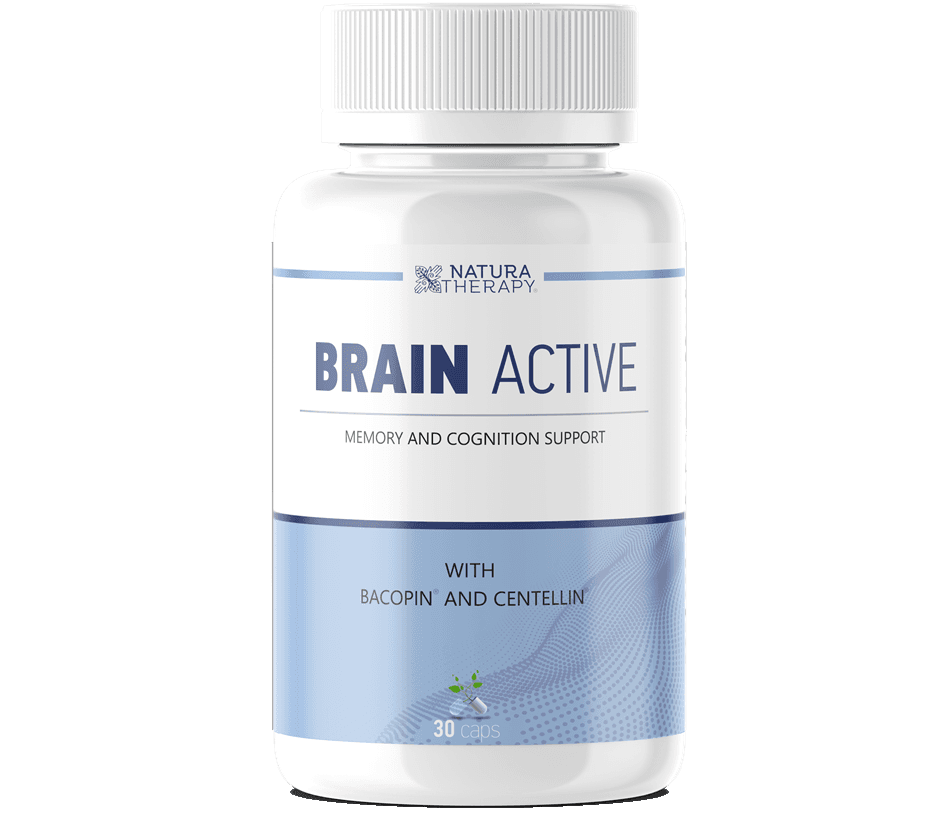
For a ready-made formula geared toward memory and attention: Brain Active. For a morning drink ritual: Max Brain. Introduce one, track it for 1–2 weeks. How to judge whether it “works” — see the article on nootropics.
Frequently asked questions
- What can I do today if I only have 15 minutes?
- A glass of water, a 10-minute walk or a cold finish to your shower, then one phone-free block. Don’t buy a new product the same day.
- Is a cold shower safe every morning?
- For healthy adults, short and gradual — usually yes. If you have a heart condition, blood pressure issues or are pregnant, ask a doctor. Stop if you get chest pain, strong shivering or dizziness.
- Ashwagandha or better habits?
- Habits first. Ashwagandha may support the stress response in some adults, but it does not replace sleep and it is not a prescription sedative.
- Why does my focus drop in the afternoon?
- Often it is a combination of a lunch rich in fast carbohydrates, little light, dehydration and a long stretch of sitting. Change your lunch and go outside for 10 minutes before you add a stimulant.
- Can I take Max Brain in the evening?
- Usually not, if it shifts your sleep. Keep it to the first half of the day and follow the label.
- Is concentration in children handled the same way?
- No. This article is for adults. For children, start with sleep, routine, vision, hearing and an educational/pediatric assessment — not formulas for adults.
This article is for informational purposes and does not replace medical advice. Food supplements are not medicines. Consult a doctor before use, especially if you have a chronic illness, are pregnant or breastfeeding, or are taking medicines. Results are individual.