Type 2 diabetes is a chronic condition linked to insulin resistance and impaired regulation of blood sugar. Many people look for natural control — and rightly so: diet, movement, sleep and stress carry enormous weight. At the same time, it is critical to be clear: food supplements and “natural recipes” do not cure diabetes and do not replace prescribed medicines, the glucose meter and medical monitoring.
This article is educational. The goal is to help you put proven, beneficial habits in order, recognize the myths and understand where (if at all) plant-based formulas fit in — always after talking with an endocrinologist, especially if you’re on insulin or tablets that can interact.
What “control” means in type 2
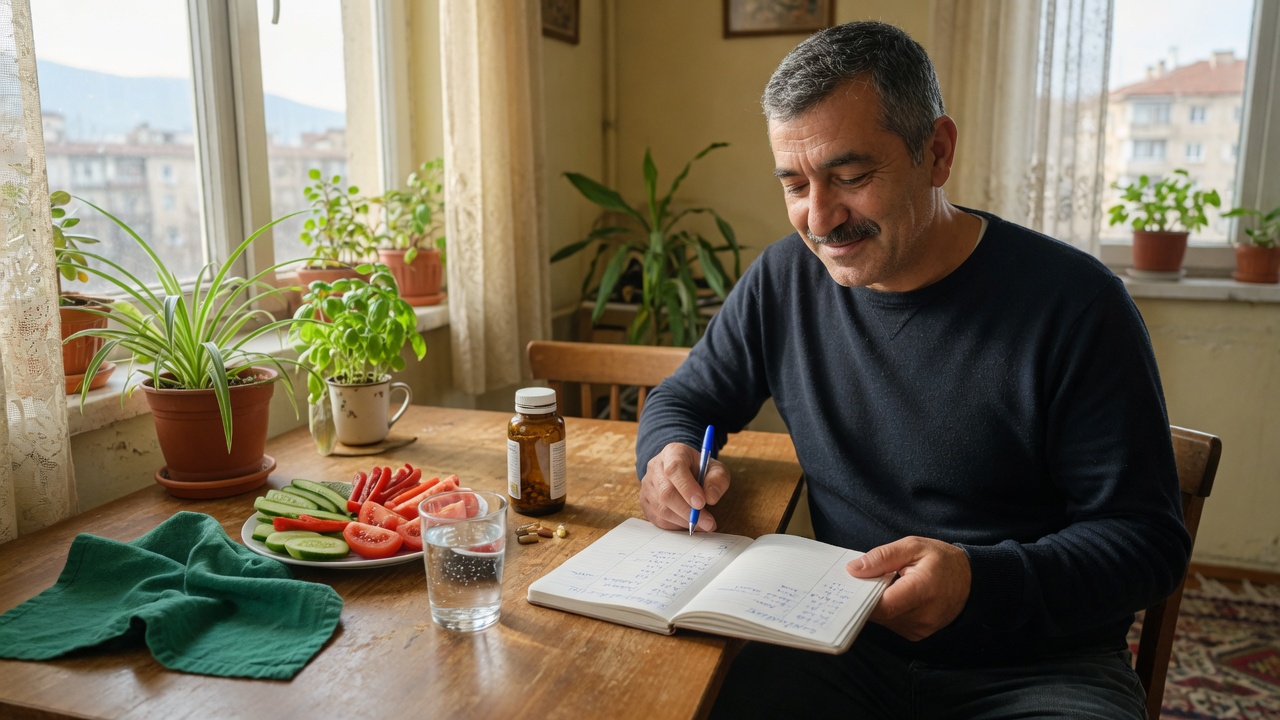
Control isn’t one fasting number once a month. It’s a combination of:
- target glucose and HbA1c values, set with your doctor;
- stable weight or a moderate reduction if you’re overweight;
- blood pressure and lipid profile;
- energy, sleep and the ability to stick with the routine long-term.
Also browse the Diabetes category in the store for guidance toward products positioned as nutritional support — not as therapy.
Diet: more structure, fewer extremes
Practical rules
- Protein + fiber at every meal — they slow the absorption of carbohydrates.
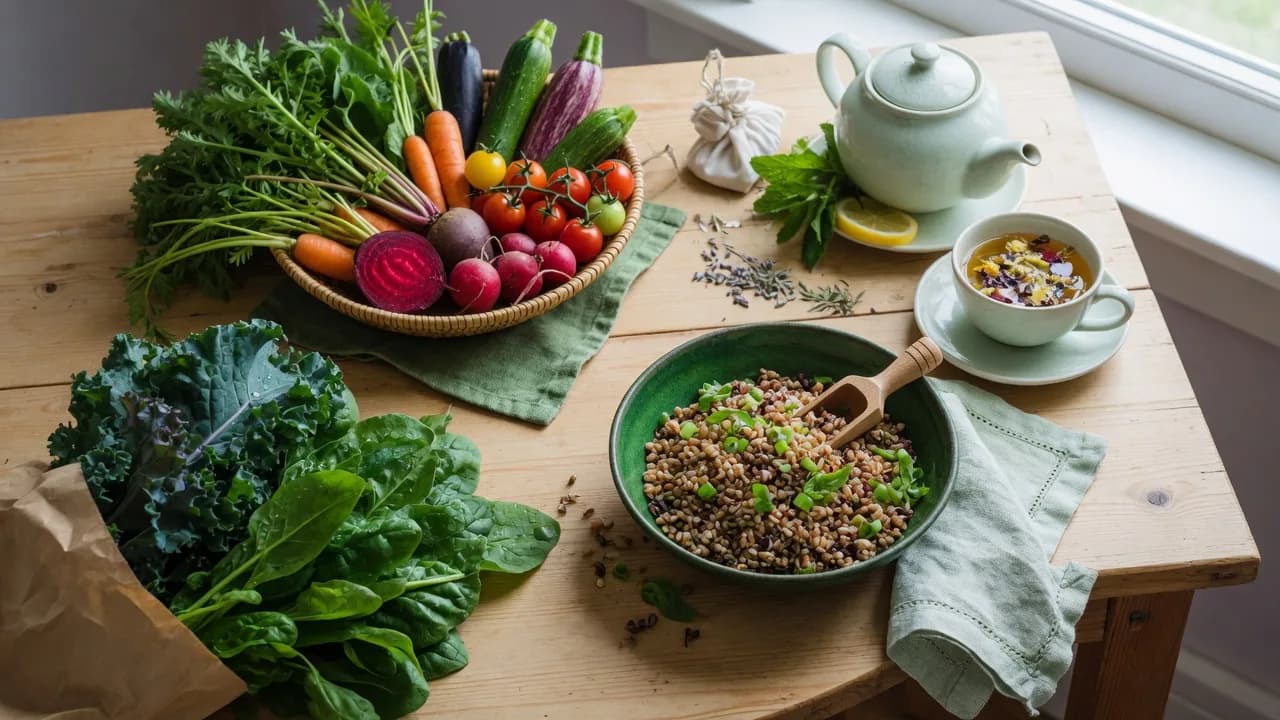
- Quality carbohydrates — vegetables, legumes, whole grains in portions aligned with your plan; limit sweetened drinks.
- Don’t fast to extremes without medical supervision — there is a risk of hypoglycemia with medicines.
- Alcohol with caution — it can confuse your glucose and your food decisions.
- Read labels — “sugar-free” doesn’t always mean a low glycemic load.
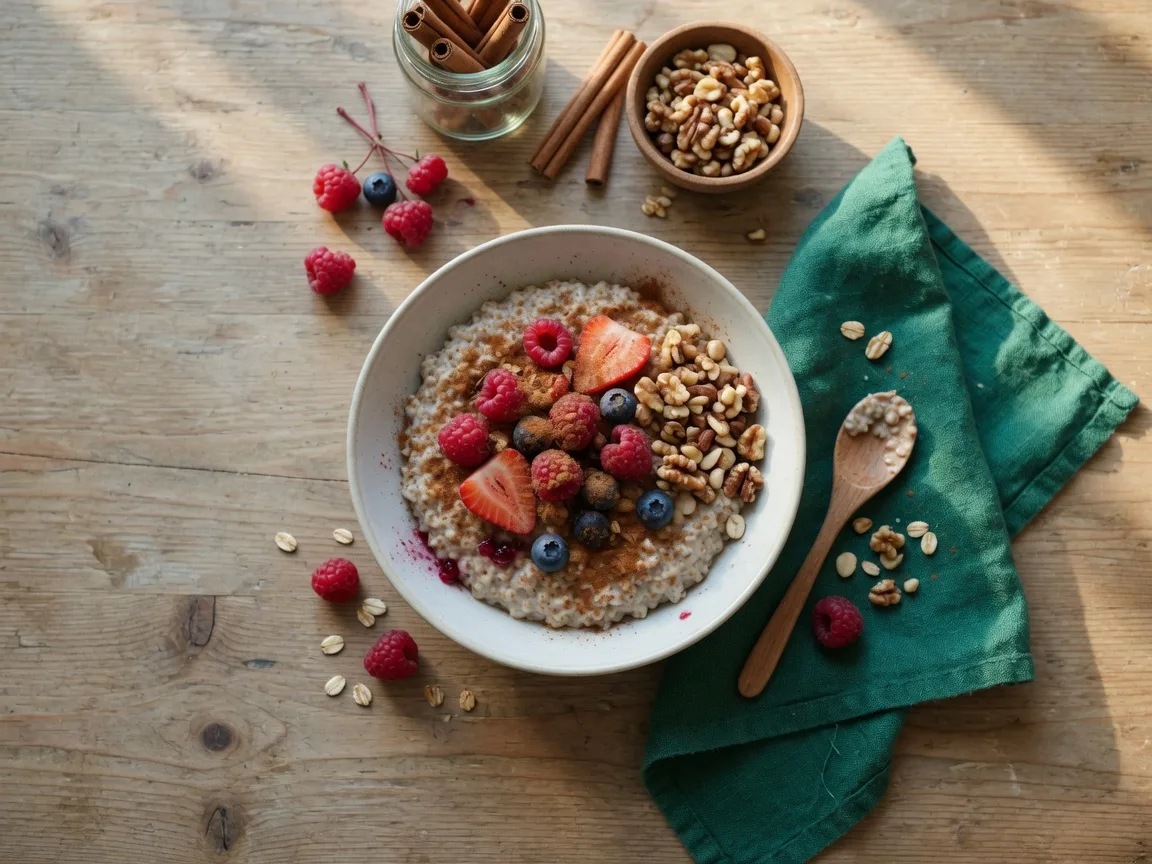
Plant-focused menus (lots of vegetables, legumes, nuts) often help with fullness and weight, but a “vegan label” on its own doesn’t guarantee good control if the menu is full of white flour and juices.
Movement: a medicine without a prescription (but used wisely)
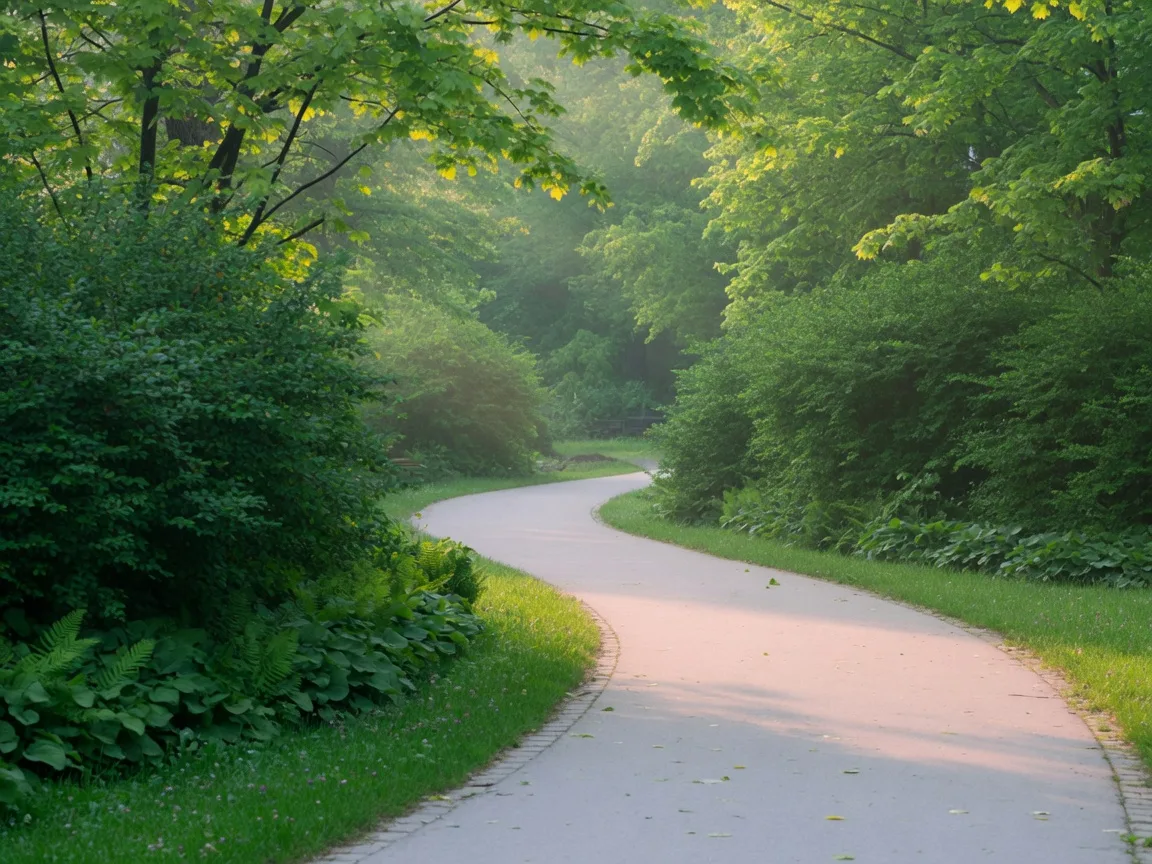
Muscles are a big “consumer” of glucose. Even 10–15 minutes of walking after a meal can help some people get a flatter spike. Strength training 2–3 times a week improves insulin sensitivity over time.
- Start where you are — not with a marathon.
- With neuropathy, retinopathy or heart risks — the program should be agreed with a doctor.
- Combine cardio with light strength work (legs, back, abs).
Movement benefits your joints too: staying actively mobile goes hand in hand with care from the Joints and bones category, if you have accompanying complaints — again as comfort and habits, not as treatment of diabetes.
Sleep, stress and immunity
Chronic sleep deprivation and high stress raise cortisol and can worsen blood sugar levels. A short evening routine, limiting screens and realistic work boundaries are part of “natural control,” even if they sound banal.
People with diabetes are sometimes more vulnerable to infections; general care for immunity (food, vaccinations as recommended by a doctor, hygiene, micronutrients in case of deficiency) makes sense — without confusing it with an “immunostimulant that cures diabetes.”
Plant-based formulas and supplements — where they belong
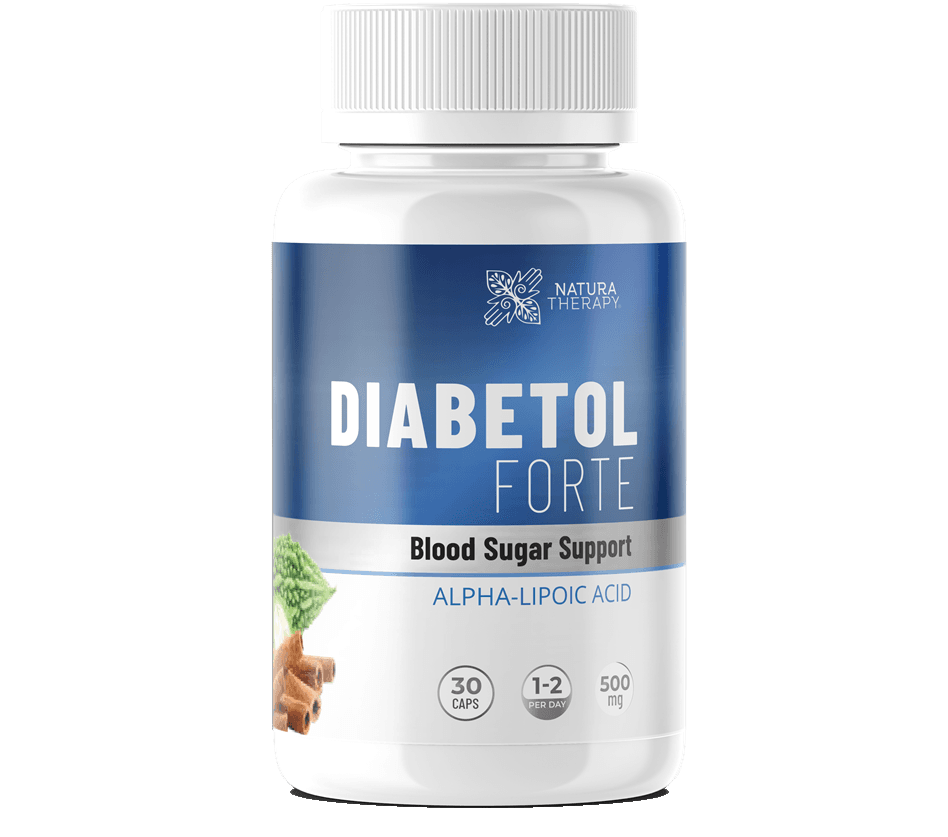
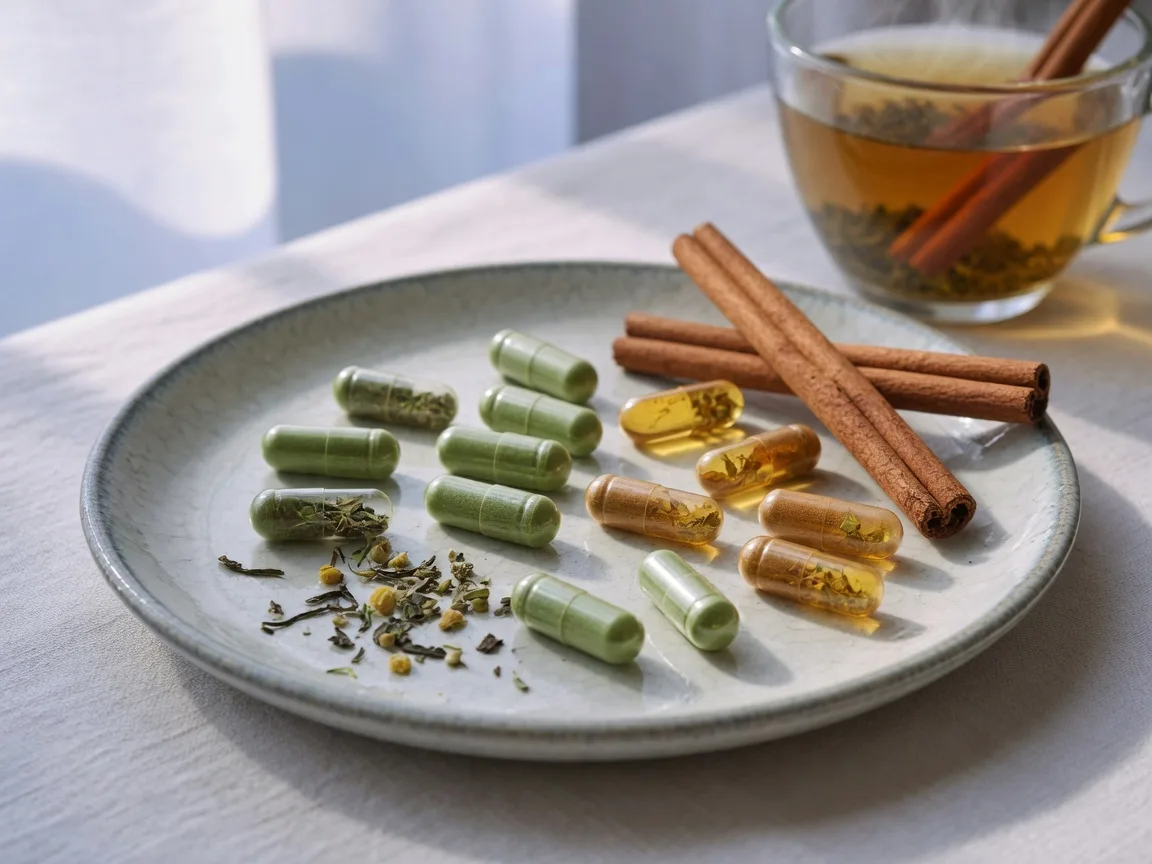
Some people complement their routine with herbal complexes positioned as support for carbohydrate metabolism — for example Diabetol Forte. These are food supplements, not anti-diabetes medicines. Before taking one:
- tell your doctor — especially if you take metformin, sulfonylureas, insulin, anticoagulants;
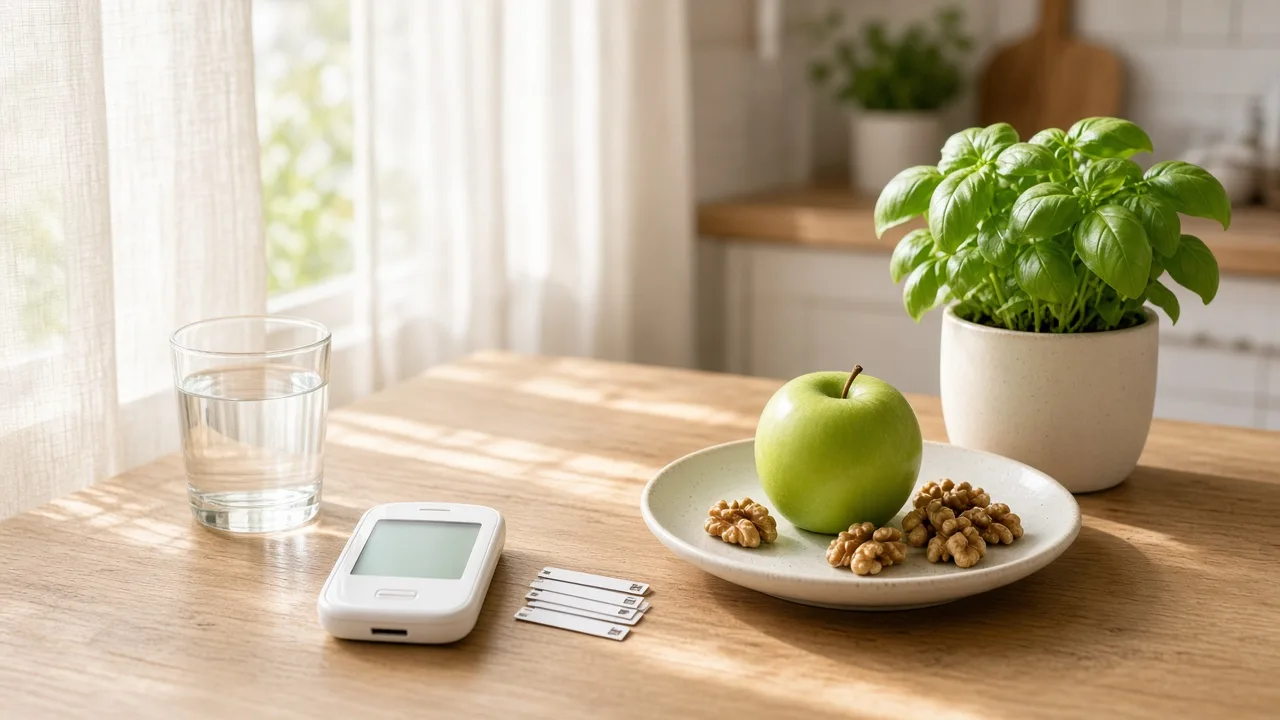
- monitor your glucose more often in the first weeks of any change;
- don’t stop prescribed therapy on your own because “I’m starting herbs”;
- be skeptical of promises of a “cure in 30 days.”
Myths that do harm
- “I’ll bring my sugar down with cinnamon alone” — spices don’t replace therapy.
- “Fruit is forbidden” — portions and type matter; whole fruit ≠ juice.
- “If I have no symptoms, I have no problem” — high glucose can stay “silent” for a long time.
- “The supplement is like insulin” — absolutely not.
Related: what you need to know about diabetes. Category: Diabetes.
Frequently asked questions
- Can herbs replace diabetes medicine?
- No. Food supplements are not medicines and do not replace prescribed therapy. Any change — with an endocrinologist.
- How important is a walk after a meal?
- For many people, 10–15 minutes of light movement after eating helps flatten the glycemic response. It’s not a substitute for medicines, but a useful habit.
- Does Diabetol Forte cure diabetes?
- No. It’s a food supplement positioned as support. Follow the label, your glucose and your doctor’s plan.
- Is cinnamon a medicine for blood sugar?
- No. It’s a spice. With diabetes, the decisions are made by the endocrinologist.
- Where is the broader overview?
- In the article “What you need to know about diabetes” — symptoms, diet and when to see a doctor.
This article is for informational purposes and does not replace medical advice. Food supplements are not medicines. Consult a doctor before use, especially if you have a chronic illness, are pregnant or breastfeeding, or are taking medicines. Results are individual.