
The question of how to strengthen children’s immunity most often comes up in September: a cough going around the group, a fever after the weekend, a parent looking for “something natural.” It’s important to separate two things. The first year of daycare or a new group brings contact with viruses — that is often the immune system learning, not proof that the child is “weak.” The second thing is severe, long or unusual infections — that calls for a pediatrician, not a syrup from the internet.
Pediatric warning: this article gives no doses, ml, drops or courses. Do not give adult products to a child. Before any supplement, syrup or herb — talk to a pediatrician, especially before school age, with allergies, asthma, chronic illnesses or medicines. The deeper background (how immunity develops, vaccines, micronutrients) is in the main article how to support children’s immunity naturally.

What counts as “normally often” and what doesn’t
In a group setting, a child can go through several viral episodes in a season. Signs that call for a doctor’s assessment, not a new supplement:
- difficulty breathing, the skin pulling in between the ribs, blue lips;
- refusing fluids, a dry diaper/rare urination, a very drowsy child who won’t wake up to play;
- a fever in a newborn, or a fever that lasts beyond what the pediatrician has already explained;
- repeated bacterial infections, unusually long illnesses, weight loss, night sweats.
Vaccinations according to the schedule are not “chemistry versus nature.” They are medical protection. Supplements are not vaccines.
A school routine that does more than any syrup
Age-appropriate sleep
A child who doesn’t get enough sleep is hit harder by illness and bounces back more slowly. A fixed bedtime during the workweek is the cheapest immune move. A screen in bed steals both sleep and the morning mood.
A lunch box, not just “something to eat”
The goal: protein (egg, cheese, legumes, meat), fruit or vegetables, water — not just white bread and juice. Sugary drinks are empty calories and a bad compromise for teeth. The varied plate is also described in 12 natural remedies for immunity — that’s the general list, this is the school rhythm.

Hands, bottles, air
Handwashing before eating and after the toilet. Their own water bottle. Coughing into the elbow. Airing out the room. Stay home when the child is truly sick — that is care for the group, not a punishment.
Outdoor play
Physical activity and daylight support sleep and mood. You don’t need a club for this: 30–40 minutes in the yard or a park when the weather allows.
Cold season: what is OK to consider
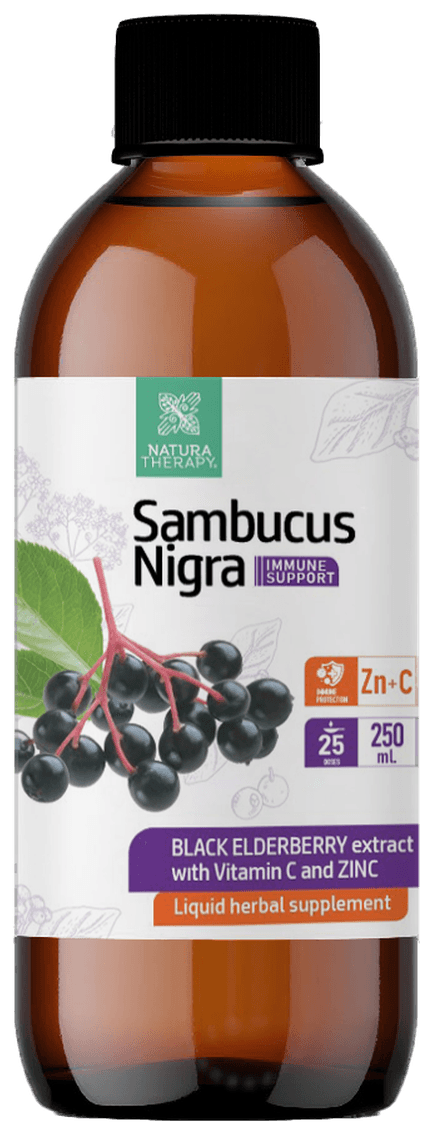
During the season, some families look at a black elderberry syrup or vitamin support. The condition is always the same: the age on the label + a pediatrician. An example of an immune syrup in our catalog is Sambucus Nigra — check whether it is intended for your child’s age at all. Don’t measure it out “as for an adult, just less.”
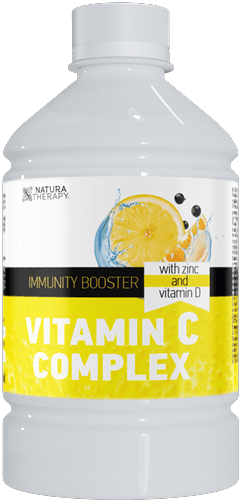
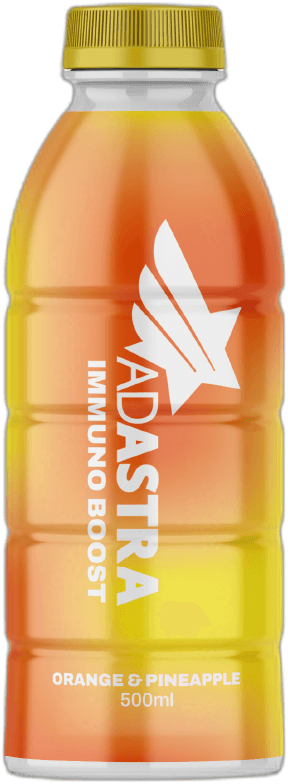
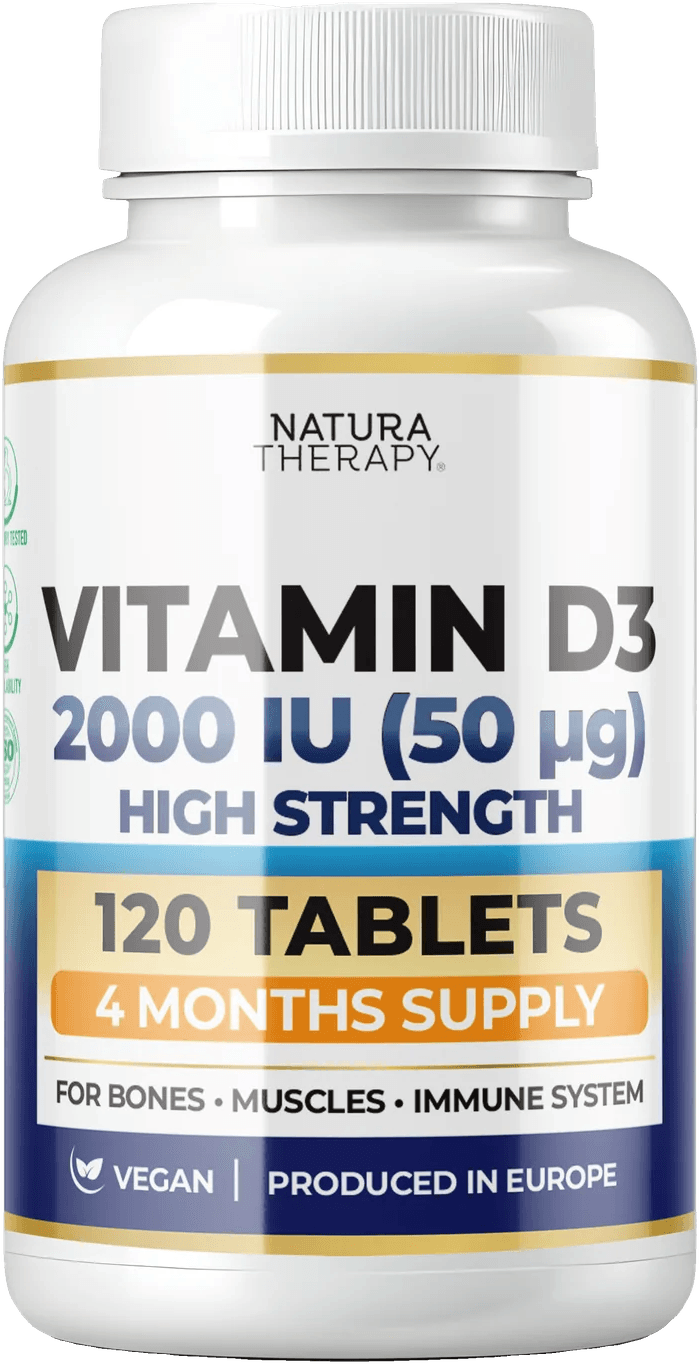
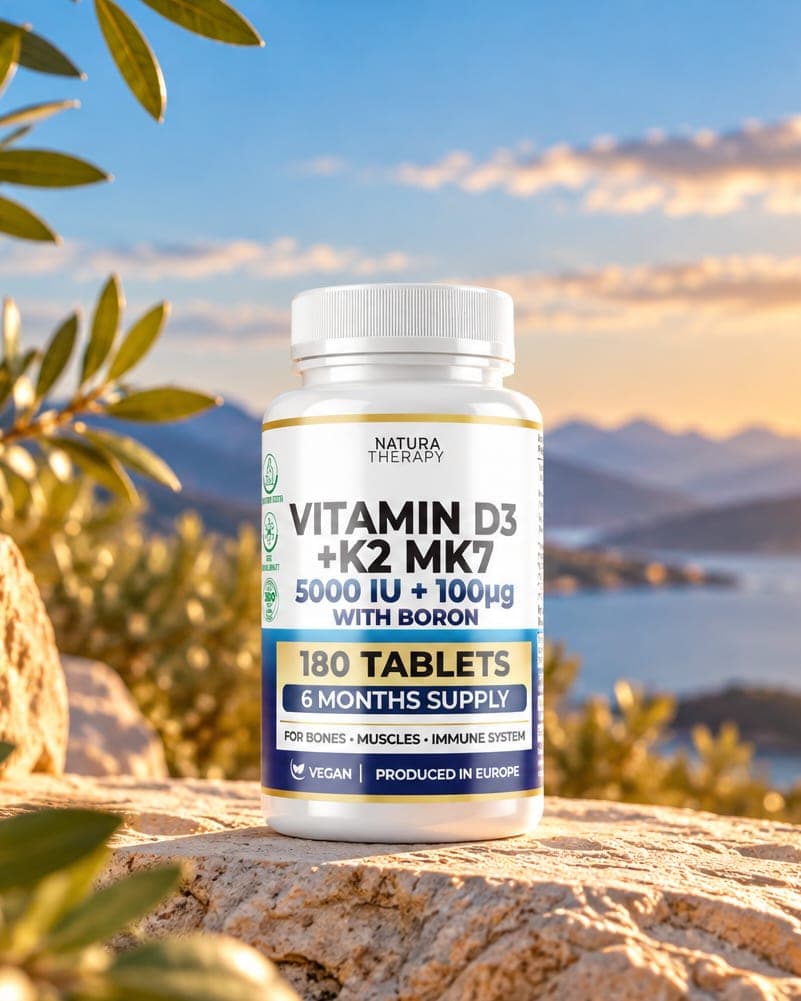
Formulas such as Vitamin C Complex, Vitamin D3, Zinc or Immuno Boost are adult products unless the label and the doctor say otherwise. Don’t crush them or stir them into yogurt “for immunity.”
The wider catalog: Immunity.
Where parents often overdo it
- A sterile house. Hygiene matters; living in a disinfected bubble doesn’t teach the immune system.
- Three syrups at once “just in case.”
- Punishing a child for getting sick in a group setting. Viruses are not a moral failure.
- Comparing with the cousin who “never gets sick” — genetics and luck differ.
Frequently asked questions
- Does getting sick often in daycare mean weak immunity?
- Not always. In the first season, contact is frequent. If the episodes are severe, very long or come with complications — see a pediatrician; don’t increase supplements.
- Can I give my child adult zinc or vitamin D?
- Not without a doctor’s guidance. Doses and forms differ. Overdose, especially with vitamin D and zinc, is a risk.
- From what age are elderberry syrups suitable?
- Only what is written on the specific label, after talking to a pediatrician. There is no universal answer for all brands.
- What should I pack in the lunch box during cold season?
- Water, protein, fruit or raw vegetables; avoid sugary drinks. That’s a safer bet than an “immune candy.”
- Do supplements replace vaccines?
- No. Food supplements are not vaccines and do not give the same protection.
- When should I see a doctor that same night?
- Difficulty breathing, refusing fluids, a very drowsy child, a rash with poor general condition, a fever in the very young — don’t wait for a syrup to “kick in.”
This article is for information only and does not replace an examination or advice from a pediatrician. Do not give food supplements to children without professional consultation, and do not use adult doses. Supplements are not medicines and do not diagnose diseases. If you suspect a serious condition, seek emergency medical help. Results vary from person to person.