When people search for how to lower their blood sugar, they often want a recipe that works in five minutes. There is no such safe home “button.” What helps is a clear order of steps: measure, understand why it’s high, take the steps your doctor has already given you, and know when the number is an emergency.
This article is for informational purposes and does not replace medical advice. Food supplements are not medicines. Consult a doctor before use, especially if you have a chronic illness, are pregnant or breastfeeding, or are taking medicines. Results are individual.
If you don’t have a diagnosis yet and only suspect it, start with how to know if you have diabetes, not with tea.
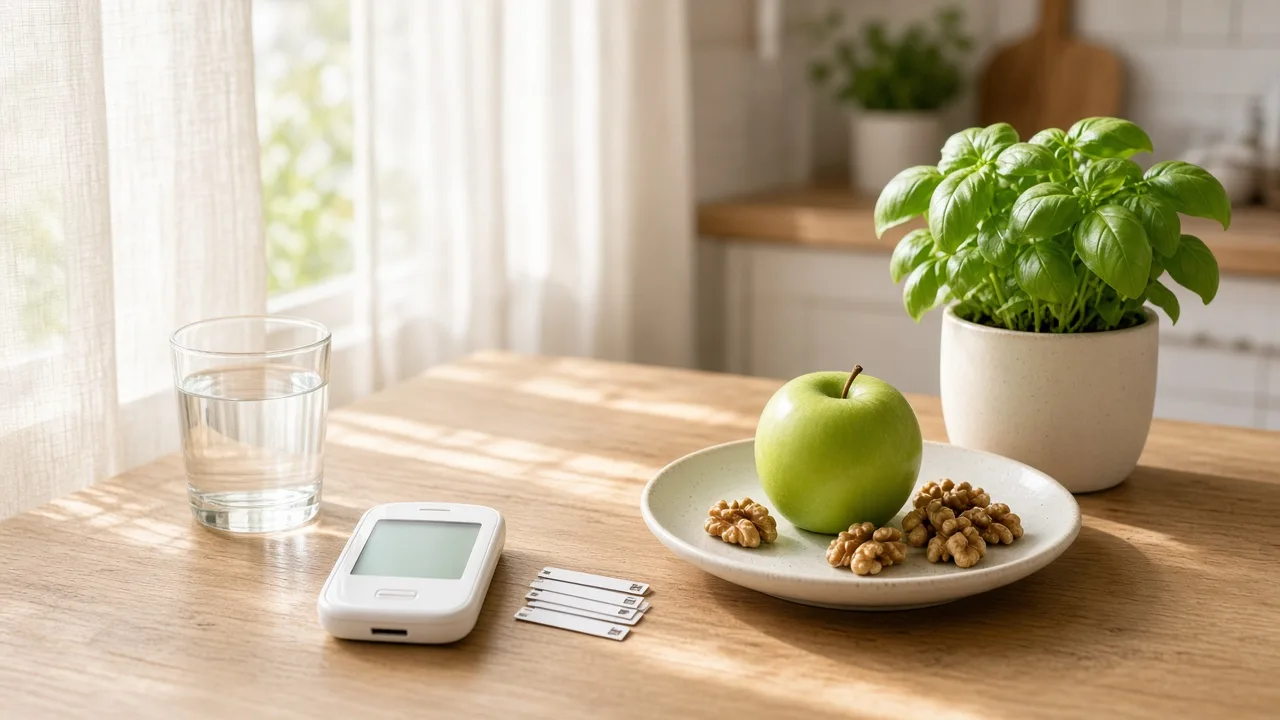
First: measure and write it down
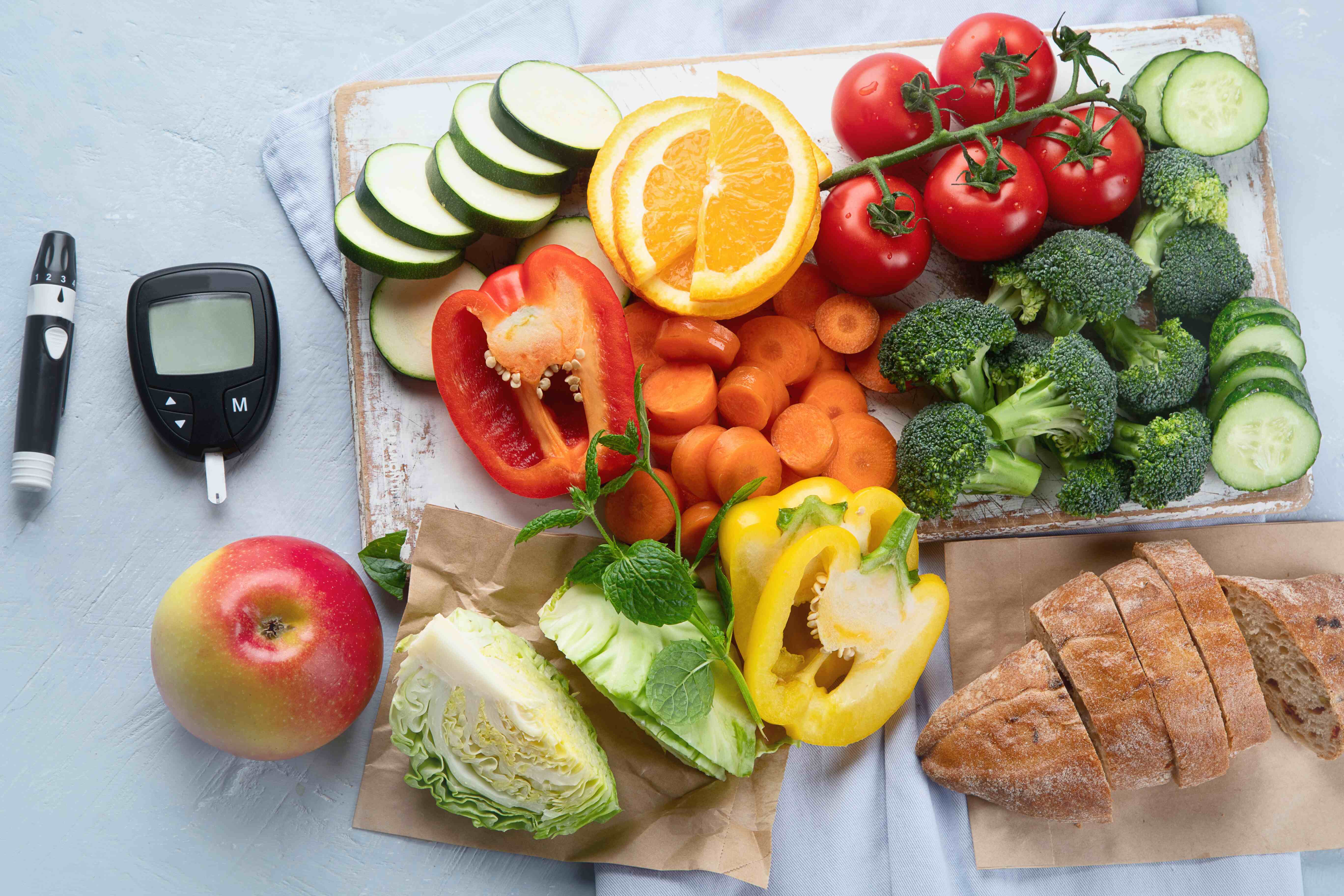
Wash your hands. Measure. Write down the time, the number, what you ate, and whether you are ill or under stress. One high reading after a wedding is not the same as seven high mornings in a row.
Signs that often come with high blood sugar: thirst, frequent urination, tiredness, blurred vision, wounds that heal slowly. More: first symptoms.
Is your number really high? Check it against the normal blood sugar levels table.
Steps that are reasonable for most adults
This is not an instruction to stop your medicine. If you have a written plan from an endocrinologist (insulin correction, when to call), follow that, not the blog.
- Water. Hyperglycemia dehydrates you. Drink water, not juice “for energy.”
- Light movement if you are steady on your feet and your doctor allows it: a 10–20 minute walk. Don’t exercise if you have ketones, are vomiting or feel very unwell.
- Make the next meal lighter on fast-digesting starch: vegetables + protein. Don’t punish yourself with hunger if you are on a medicine that can lower blood sugar.
- Check your medicine. Did you take your dose? Did you double it “to fix it”? Doubling without a plan is dangerous.
- Illness and cortisone. Flu and steroids raise glucose. Call your doctor sooner, not later.
What is not a plan
- Apple peel tea as a substitute for therapy.
- A spoonful of cinnamon or ginger “for an emergency drop.”
- Extreme fasting while on insulin.
- Vinegar in a cup on an empty stomach as a ritual from videos.
Spices have a place in the kitchen. They have no place as emergency medicine. See cinnamon and diabetes and herbs and glucose.
How to lower the average, not just today’s number
HbA1c doesn’t change with one cup of tea. It changes over weeks:
- the same mealtimes;
- a walk after lunch;
- fewer sugary drinks — the biggest easy win;
- sleep;
- therapy you take as prescribed.
The bigger picture: how to maintain normal glucose, what to eat, a lifestyle without myths.
When it’s an emergency
- A number your doctor has marked as the emergency threshold.
- Vomiting, stomach pain, deep breathing, a smell of acetone, confusion.
- Very low blood sugar after a “correction” — hypoglycemia is corrected right away with fast-acting carbohydrates according to your plan.
Don’t drive if you are confused. Don’t wait for morning “to sort itself out.”
Supplements — not for an emergency number
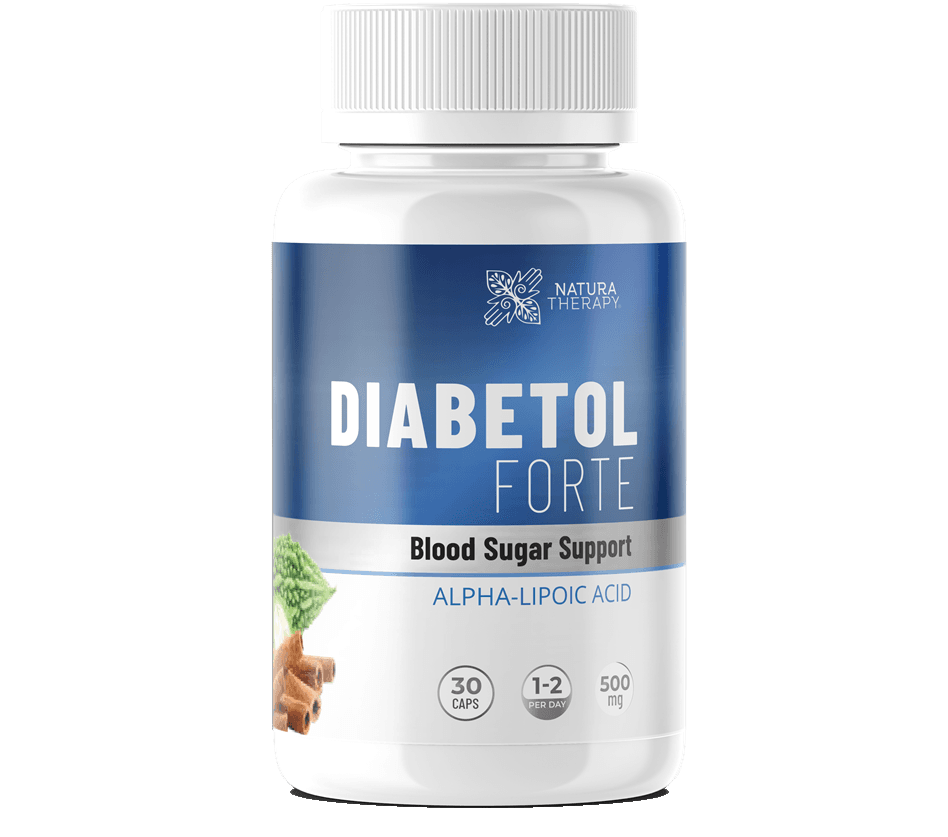
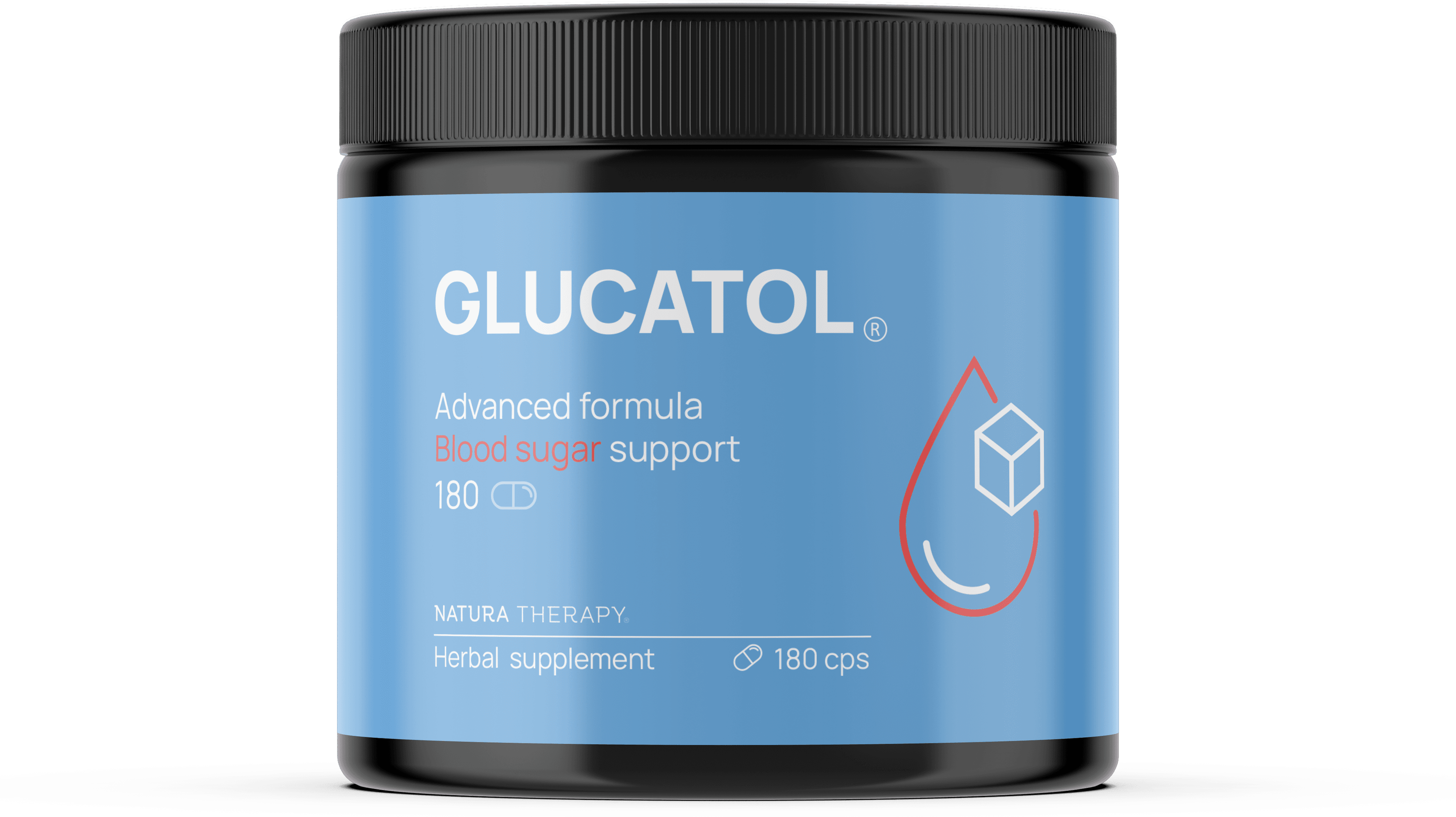
Neither Diabetol Forte nor Glucatol 180 is an emergency medicine for a high reading today. They are options for long-term nutritional support in the Diabetes category, if your doctor agrees. Don’t take a double dose “to bring it down now.”
Why the number jumps, and when to wait and when to act
After a heavy carbohydrate meal, the peak often comes at 60–90 minutes. Illness, pain and cortisone can keep the number high for days. Insomnia makes for a stubborn morning. If you measured right after handling fruit, wash your hands and repeat before you panic.
Act right away when you have symptoms (thirst that won’t stop, vomiting, confusion) or when your doctor’s plan names a threshold. Wait and watch when you have no symptoms after one wedding meal and you have already gone for a walk and had some water — measure again in an hour.
Sick days
Flu and stomach bugs raise glucose even if you eat less. A rule diabetes educators teach: don’t stop basal therapy without instructions; measure more often; drink fluids; call if you can’t keep water down or if there are ketones (if you’ve been told to measure them). Tea is a comfort, not a protocol.
Frequently asked questions
- How quickly should blood sugar drop after a walk?
- Some people see a difference within 20–40 minutes, others hardly any. If you are on insulin, movement can also bring it down too far — carry a source of glucose.
- Should I drink juice if it’s high?
- No. Juice is for hypoglycemia (low blood sugar), not for high. For high — water.
- Can I take an extra tablet on my own?
- Not without a plan from your doctor. An overdose leads to hypoglycemia.
- Will cinnamon bring the number down tonight?
- Don’t count on it. Cinnamon is a spice for your habits over the coming weeks, not an emergency medicine.
- What if my reading is high every morning?
- Look at your dinner, late-night alcohol and sleep. Then see a doctor — it may be the dawn phenomenon, not just “poor discipline.”
- Does more sleep help?
- Yes, for the average. One night doesn’t undo the weekend, but chronic lack of sleep makes insulin resistance worse.
- When does a supplement make sense?
- When your glucose is being monitored, your plate is in order and your doctor says yes. Not on the night you are at 22 mmol/L and the room is spinning.
This article is for informational purposes and does not replace medical advice. Food supplements are not medicines. Consult a doctor before use, especially if you have a chronic illness, are pregnant or breastfeeding, or are taking medicines. Results are individual.