Sustainable weight loss isn’t a sprint to a wedding or the beach. It’s the ability to lose fat (or improve your body composition) and keep the new balance for months and years — without rebound, without hating food and without living “on a diet.” The natural approach combines a moderate calorie deficit, protein, movement, sleep and an environment that doesn’t sabotage your decisions every day.
Supplements can make it easier to stick to the plan (fullness, a convenient shake, routine), but they are not the engine of the transformation. They are not medicines and they don’t “melt” kilos while you sleep.
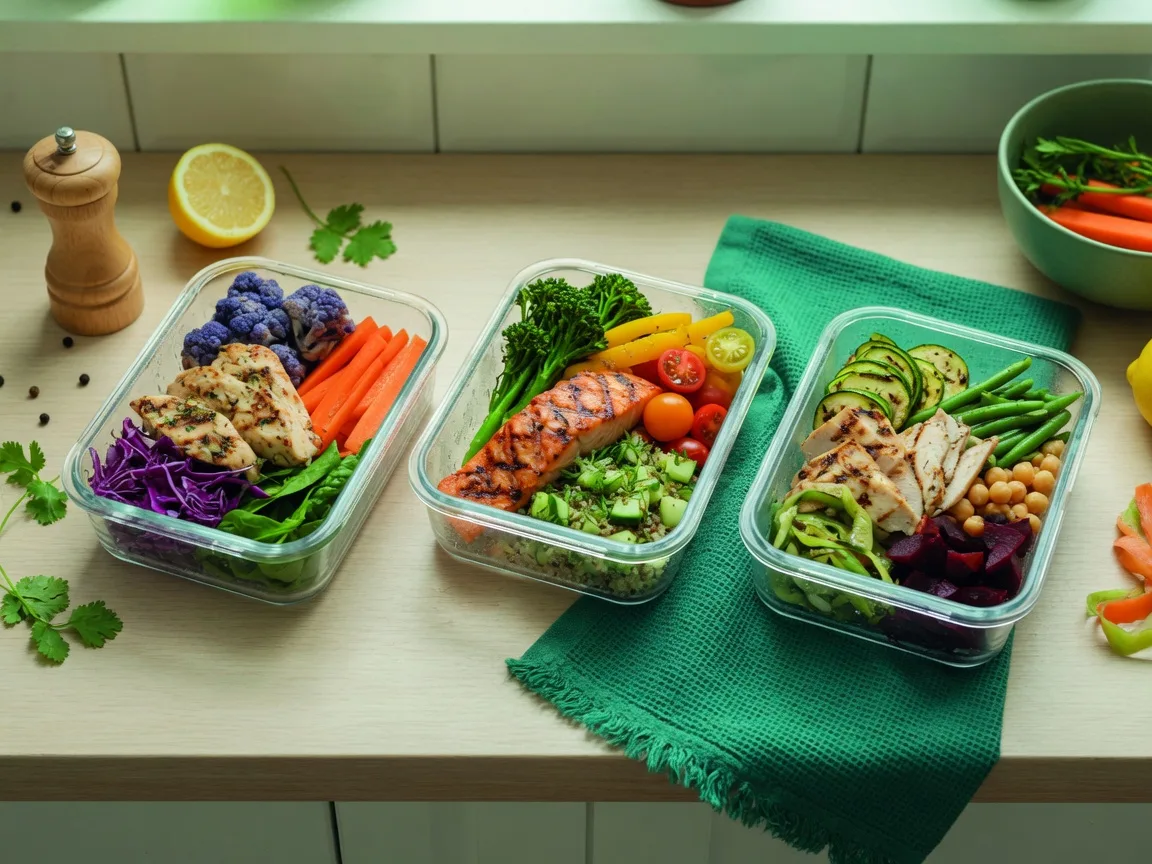
Why most diets fail after 3–6 months
- Too big a deficit — hunger, muscle loss, a drop in your training.
- Forbidden foods — they lead to cycles of control and collapse.
- No plan for “after the goal” — calories jump back all at once.
- Ignoring sleep and stress — appetite and impulses grow.
- Comparing yourself with filtered transformations — an unrealistic pace.
If you’re looking for products and categories related to weight, start with Body weight management — and then come back to the habits that keep the result.
Principles of natural, sustainable weight loss
1. A moderate, measurable deficit
Aim for an average of 0.25–0.75 kg per week. Go slower if your body fat percentage is already low or if you do strength sports. Use 2–4-week averages, not the daily scale reading.
2. High priority on protein and volume
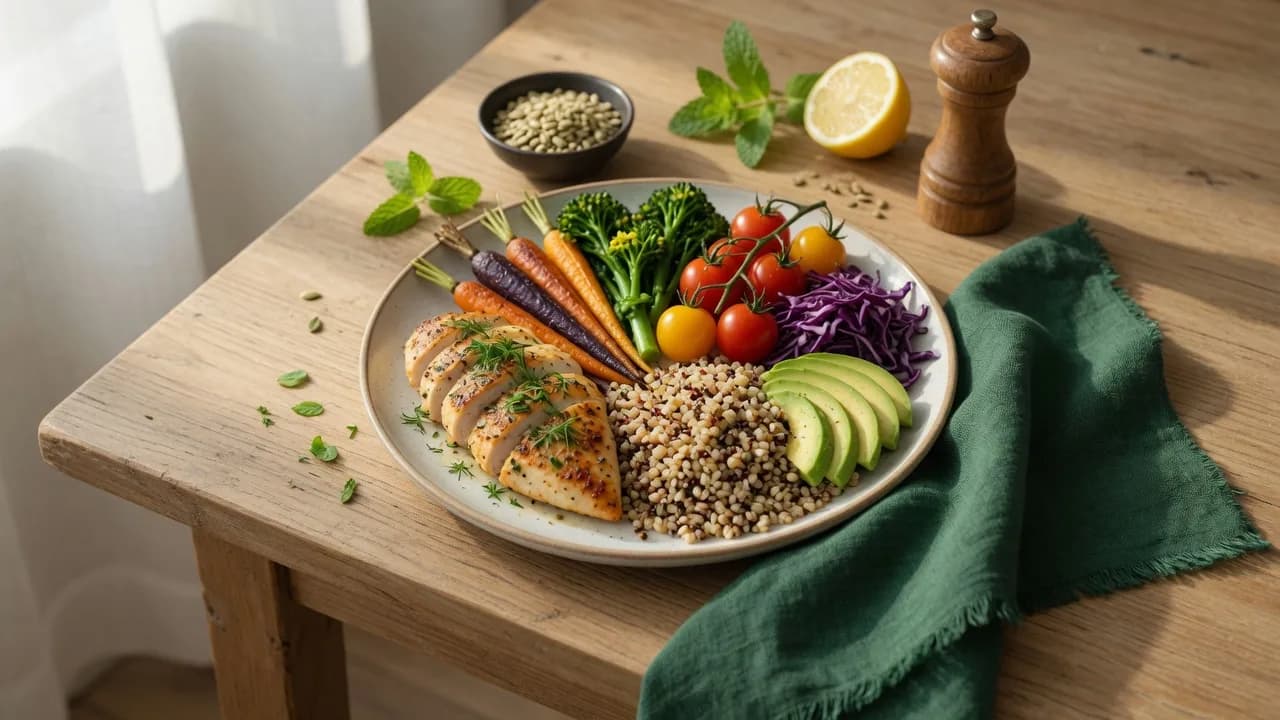
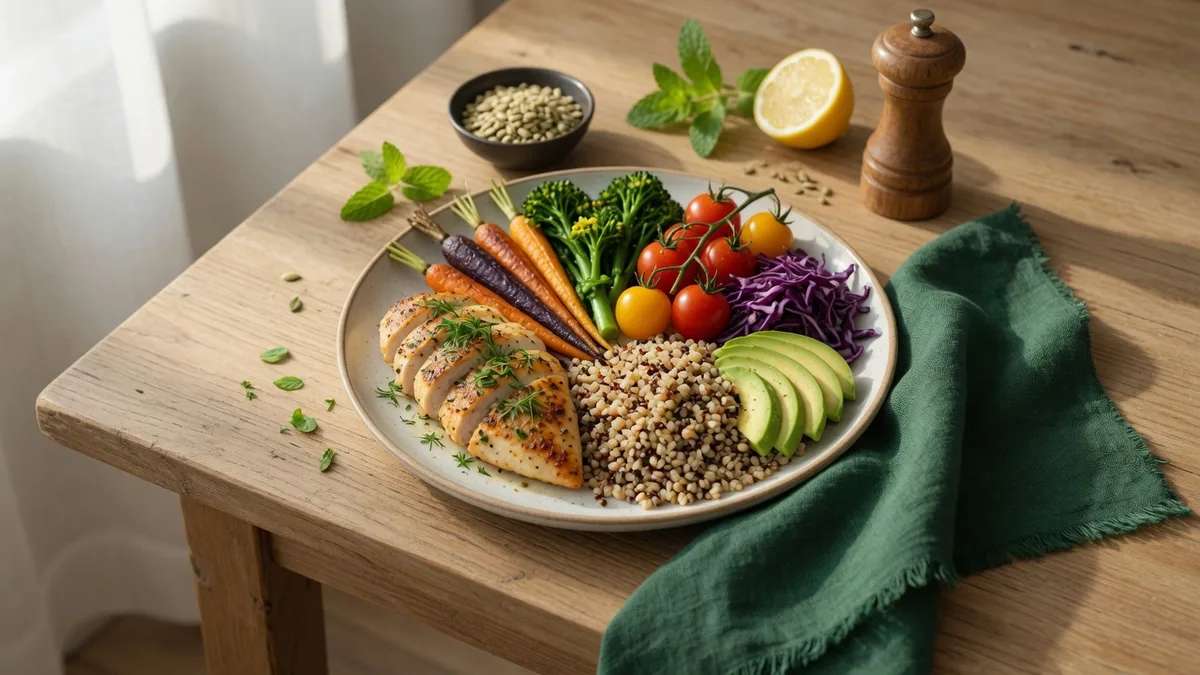
Protein preserves muscle and keeps you full. Volume from vegetables “fills the plate” with fewer calories. That’s the foundation, before you think about pills and detoxes.
3. Strength + steps, not just cardio to exhaustion
Strength training 2–3× a week + daily walks often give a better look and metabolism than “killing yourself” on the treadmill every day, followed by overeating.
4. Environment before motivation
Remove the triggers at home (big open packs of sweets), prepare protein in advance, agree with your family on shared meals 80% of the time.
The role of supplements in the long-term plan
Use supplements as tools for convenience, not as compensation for chaos:
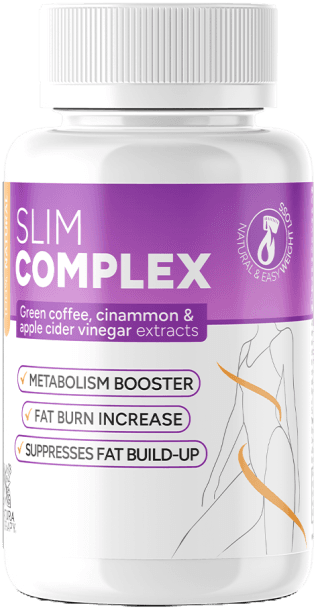
- SLIM Complex — a complex formula in the weight line; build it into your routine as the label says, not “when I feel guilty.”
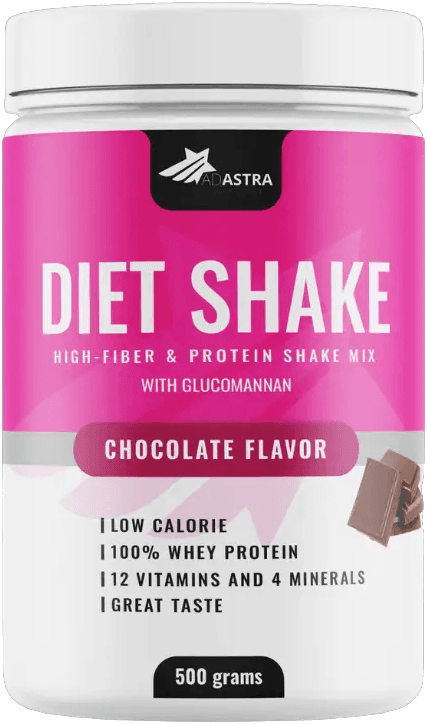
- Diet Shake vanilla — portion control when you don’t have time to cook; ideal for 1 meal on a busy day.
For a “less hunger in everyday life” strategy, see also weight loss without hunger: a natural plan with supplements — the two articles read well together.
A 90-day framework (without fanaticism)
- Days 1–14: lock in 3 meals, protein, a 7+ hour sleep target, 8 thousand steps. No extreme cuts.
- Days 15–45: add 2 strength sessions; review alcohol and sugary drinks; one convenient option (a shake) for the tough days.
- Days 46–90: fine-tune your portions; plan the “diet after the diet” — what maintenance looks like.
Every 2 weeks: photos, measurements, strength on key exercises, subjective energy. If everything is on track but the scale isn’t moving — check salt, your cycle and lack of sleep before you cut another 500 kcal.

Maintenance: the secret nobody sells
Once you reach a zone where you feel good, gently raise your calories toward maintenance instead of staying in a deficit “just in case.” Keep the protein, the strength training and the walks. Allow 10–20% more flexible meals without feeling guilty — sustainability is as much psychological as it is about calories.
Red flags
- Diets under 1200 kcal without medical supervision (especially for women) — risk and rebound.
- Diuretics and “detox teas” for quick kilos off the scale (water, not fat).
- Isolating yourself from social life “until I lose X kg.”
- Ignoring medical symptoms (thyroid, depression, PCOS) — consult a specialist.
Related: weight loss without hunger. Category: Weight control.
Frequently asked questions
- How long does a sustainable result take?
- It depends on the starting point. Many people see changes in habits and appearance within 8–12 weeks on a moderate plan. Maintenance is an endless horizon, not a finish line.
- Do supplements “burn fat” on their own?
- No. They can support fullness and sticking to the plan. The foundation remains the deficit, protein, movement and sleep.
- How fast is it safe to lose weight?
- Often 0.25–0.75 kg per week is more sustainable than extreme jumps. A faster pace increases the risk of muscle loss and rebound.
- What if I go back to my old habits?
- Get back into a deficit gently, not with a punishment diet. Maintenance is part of the plan, not a phase after it.
- Do I need a detox before I start?
- No. Detox teas do not replace food, protein and sleep.
This article is for informational purposes and does not replace medical advice. Food supplements are not medicines. Consult a doctor before use, especially if you have a chronic illness, are pregnant or breastfeeding, or are taking medicines. Results are individual.