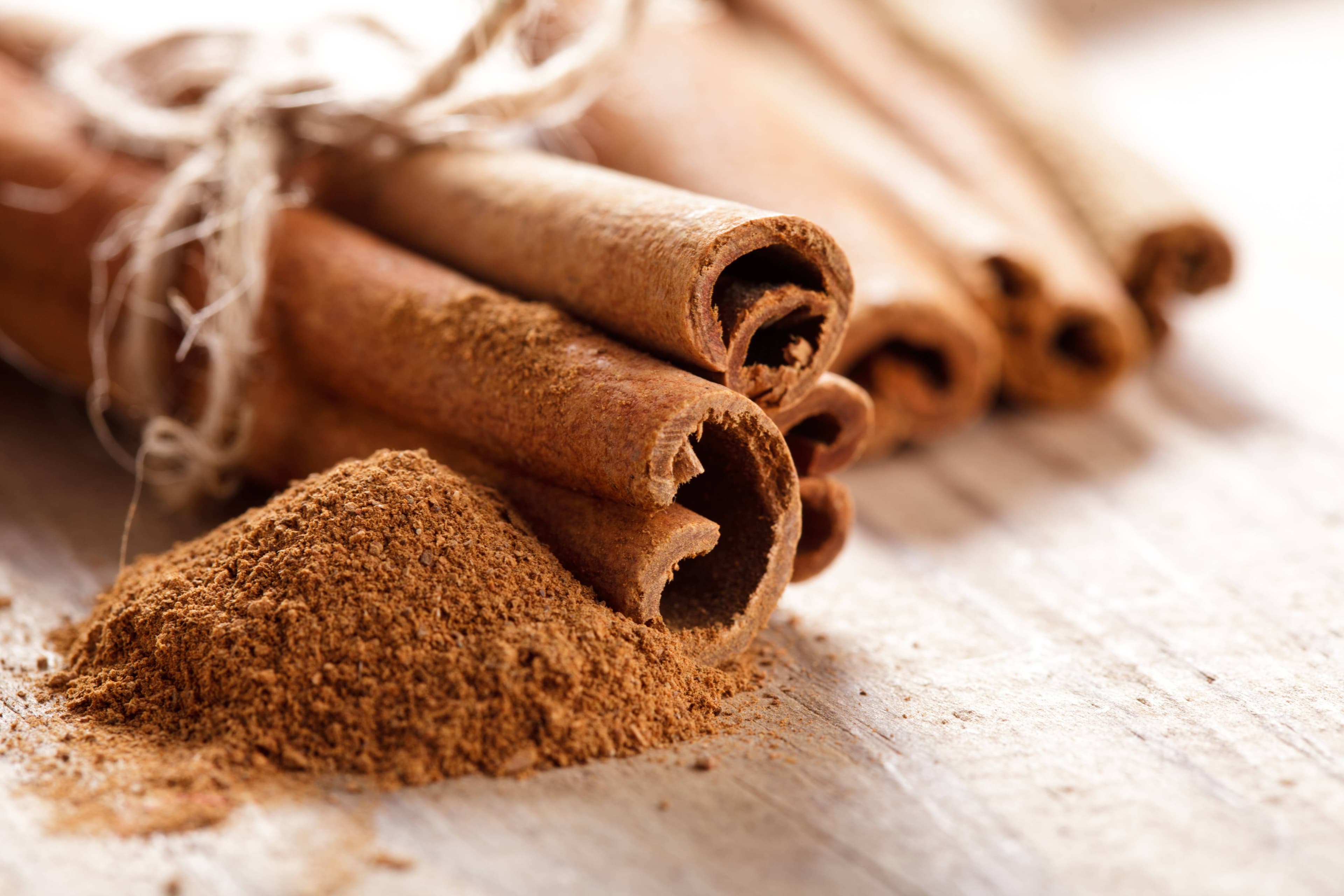
Cinnamon for diabetes is one of the most searched topics — and one of the most exaggerated. Cinnamon is a spice. It can make oatmeal and coffee tastier without white sugar. It is not a medicine, it is not insulin and it doesn’t “erase” the disease.
This article is for informational purposes and does not replace medical advice. Food supplements are not medicines. Consult a doctor before use, especially if you have a chronic illness, are pregnant or breastfeeding, or are taking medicines. Results are individual.
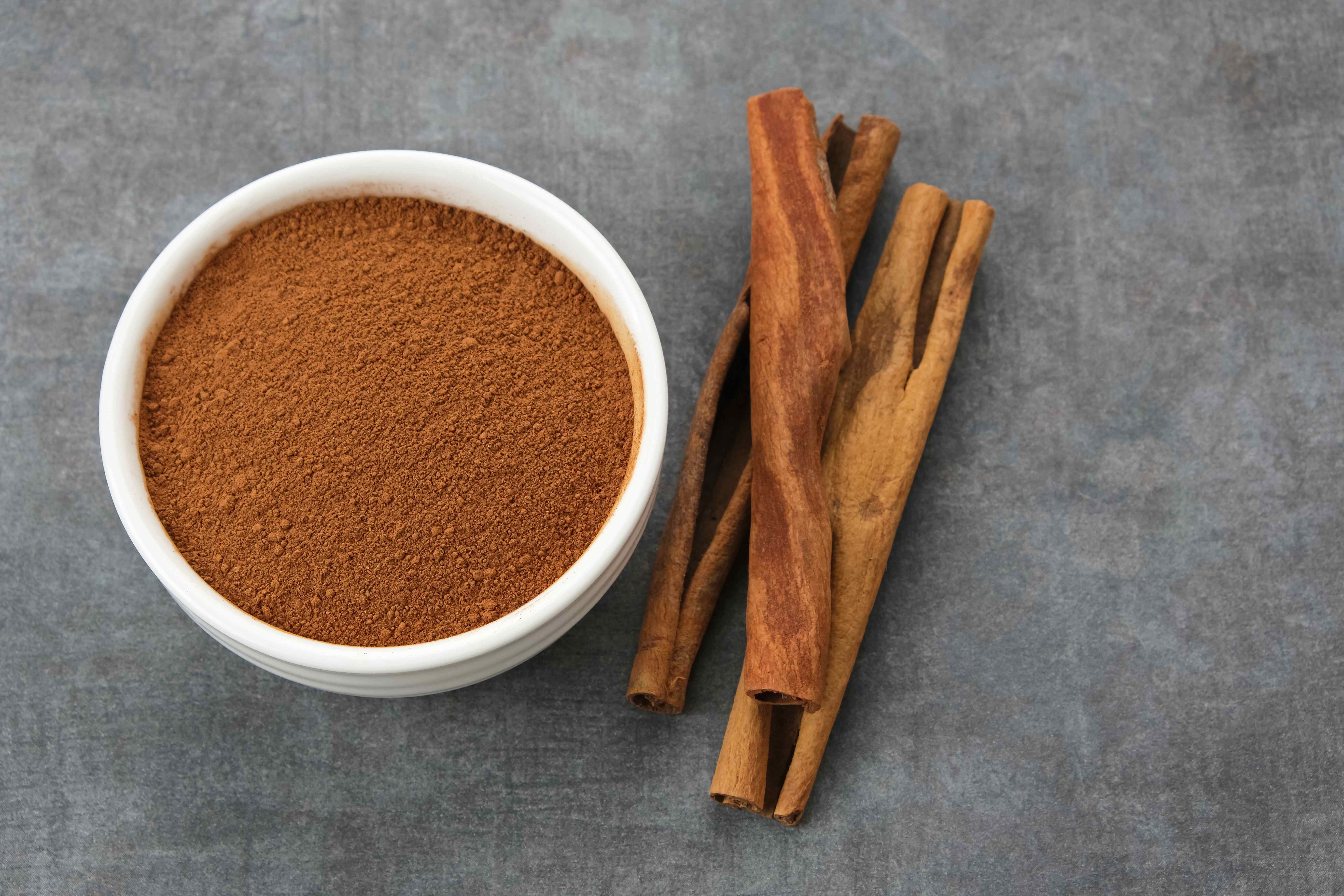
What you can realistically expect
Research on cinnamon and glucose is mixed: some meta-analyses see a modest drop in fasting glucose, others find no clear effect on HbA1c. The differences come from the type of cinnamon, the dose, the duration and whether the participants were already taking medicines.
The practical benefit you control today: less sugar in drinks, because the aroma “fills in” the sweet taste. That’s a habit, not pharmacology.
Ceylon or cassia?
- Ceylon (Cinnamomum verum) — thinner bark, milder aroma, less coumarin.
- Cassia (often the “regular” cinnamon in the supermarket) — stronger flavor, more coumarin.
Coumarin in larger daily amounts puts a strain on the liver. If you take cinnamon every day in capsules or spoonfuls of powder, cassia is not a smart choice. For a pinch in oatmeal the difference is smaller, but still prefer Ceylon if you have it often.
How to fit it into your day — without a “protocol”
- Breakfast: a pinch of Ceylon powder in oatmeal, yogurt or sour milk, together with nuts.
- Coffee or tea: a cinnamon stick in the cup instead of sugar and syrup.
- Savory dishes: a pinch in tavche gravche, pumpkin, carrots or soup — that’s how it’s used in the East.
- Don’t swallow dry powder with water “like a medicine.” It isn’t a dose from a medicine leaflet.
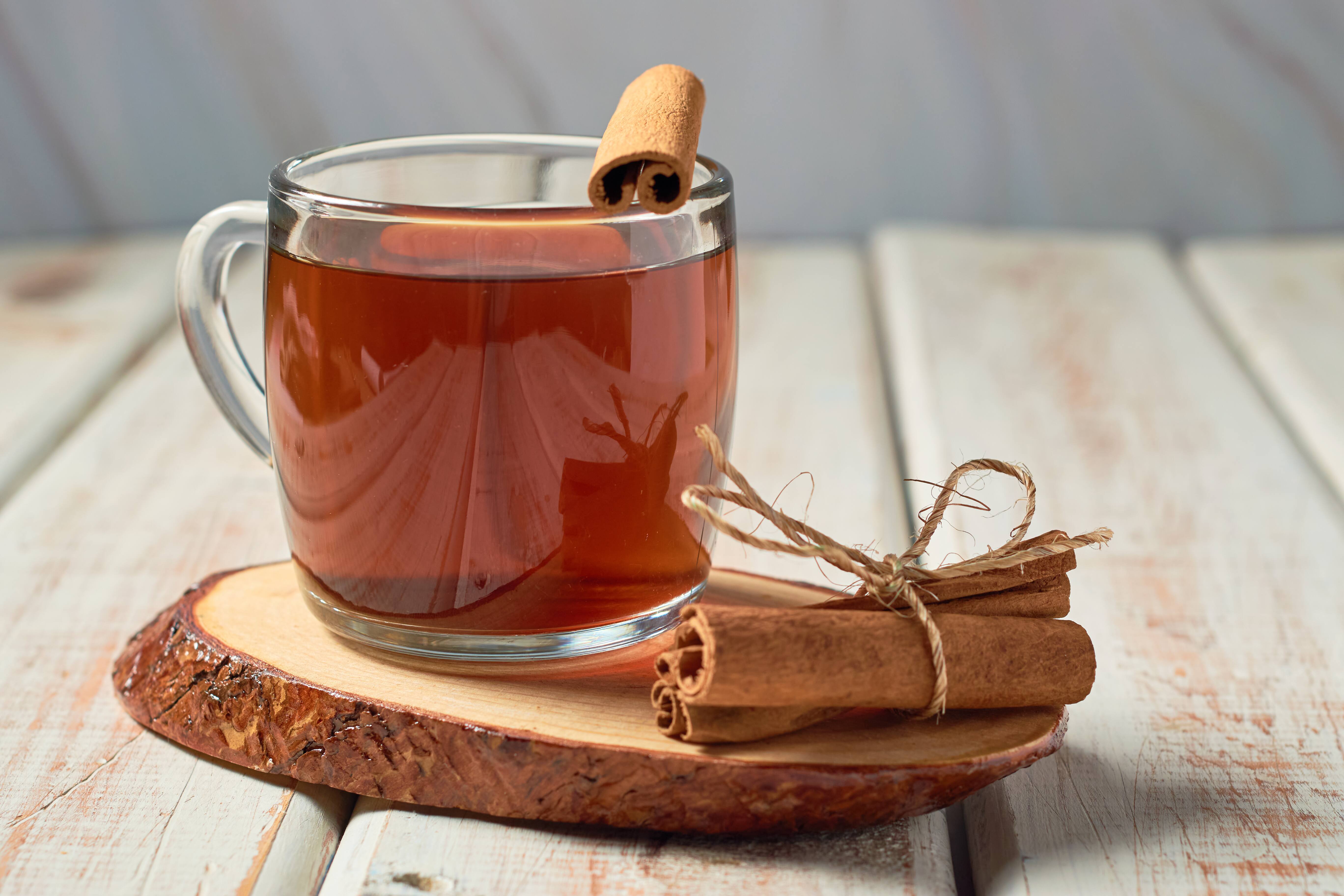
Cinnamon tea — the sensible version
One stick (or ½ teaspoon of powder) in a cup of hot water for 8–10 minutes. If you like, add lemon peel or mint. No honey if the goal is a lower glycemic load. Drink it alongside a meal, not as a replacement for breakfast.
Recipes that add honey, sugar or a large amount of fruit juice defeat the purpose. More flavor ideas, with real limits, are in cinnamon and weight control.
Capsules and ready-made formulas
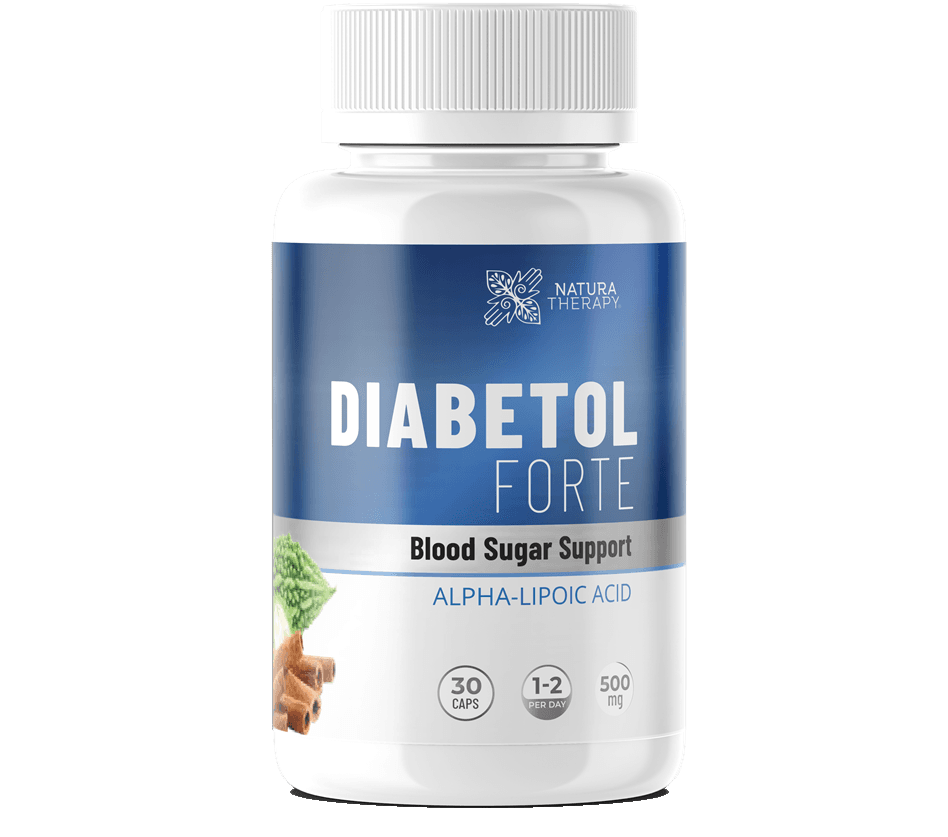
If you want a standardized extract, that’s a different conversation: dose, coumarin, interactions. Don’t buy the “strongest” capsule from an unknown brand with no composition listed. Formulas that contain cinnamon extract together with other ingredients — for example Diabetol Forte — are food supplements to support carbohydrate metabolism, not a treatment for diabetes.
- Tell your endocrinologist before the first capsule.
- During the first weeks, measure more often.
- Don’t stack three cinnamon products at once.
An overview of other plants: 10 herbs alongside blood sugar. Category: Diabetes.
Who should be more careful
- People with liver disease or high liver enzymes.
- Pregnancy and breastfeeding — a kitchen pinch is usually different from a concentrated extract; ask your doctor.
- Anticoagulants and medicines that affect the liver.
- Frequent hypoglycemia — don’t add new factors without supervision.
- Allergy to spices from the laurel family.
What not to do
- Stopping your medicine “because I started cinnamon.”
- Drinking cinnamon essential oil.
- Eating spoonfuls of cassia every day for months.
- Believing a promise of “-29% sugar in one week.”
Cinnamon is a layer on top of your diet. The foundation remains your plate, movement and the plan from natural control without myths.
How to fit it in without doubling up
If you already take a formula with cinnamon extract, don’t add more “pure cinnamon” capsules from another jar. A pinch in the kitchen is usually fine. Check the labels together with a pharmacist. Keep a short log for two weeks: the spice dose, glucose, whether your stomach is settled.
Frequently asked questions
- How much cinnamon a day is reasonable as a spice?
- For most adults, about half to one small teaspoon of Ceylon powder in food is a culinary range, not a medical dose. More is not better because of coumarin, especially with cassia.
- Is cinnamon a medicine for type 1 or type 2 diabetes?
- No. It does not replace insulin or tablet therapy. Type 1 in particular requires insulin — the spice is not an alternative.
- Can I put it in my coffee every morning?
- Yes, as a flavoring instead of sugar. If you take your coffee with two sugars anyway, cut the sugar first — that will show on the glucose meter more clearly than the cinnamon itself.
- Is Diabetol Forte “cinnamon in a capsule”?
- Not only that. Diabetol Forte combines cinnamon extract with alpha-lipoic acid, bitter melon, zinc and chromium. It is a supplement for support, not a replacement for therapy.
- What if my sugar drops after cinnamon?
- Measure, follow your hypoglycemia plan and tell your doctor. Don’t assume “the herb works great” — its effect may have combined with a medicine.
- Is cinnamon oil stronger and better?
- It is stronger, not better for swallowing. Irritation and toxicity are a real risk. Keep it for aroma in the kitchen, not for drops in water.
- How long before I can judge whether it makes sense?
- Look at your log for 4–8 weeks and at your next check-up with the doctor. If the only change is cinnamon and your meals are the same, don’t expect drama.
This article is for informational purposes and does not replace medical advice. Food supplements are not medicines. Consult a doctor before use, especially if you have a chronic illness, are pregnant or breastfeeding, or are taking medicines. Results are individual.