
Important: this article is for educational purposes only. It does not diagnose, does not treat and does not replace an examination by a doctor. If you suspect a disease of the nervous system — see a neurologist, your family doctor or emergency services, depending on how severe the symptoms are.
The nervous system coordinates movement, the senses, emotions, breathing and hormonal signals. When people look for information on diseases of the nervous system, they often confuse medical diagnoses with everyday stress, fatigue and nutritional deficiencies. Drawing the line is critical: only a specialist makes a diagnosis.


How the nervous system is organized (in brief)
Central nervous system (CNS)
It includes the brain and the spinal cord — the “command center.” This is where signals are processed, motor decisions are made and higher functions (memory, attention, emotions) are regulated.
Peripheral nervous system (PNS)
A network of nerves outside the CNS that connects organs, muscles and skin. It includes the somatic part (conscious control) and the autonomic part (heart, digestion, stress response).
Groups of conditions — an educational overview
Below are general categories, not a self-diagnosis checklist. Names and boundaries are determined clinically.
- Vascular — related to the brain’s blood supply (e.g. stroke — an emergency).
- Degenerative / chronic neurological — progressive conditions monitored by a specialist.
- Inflammatory / autoimmune — require medical assessment and therapy.
- Peripheral neuropathies — involvement of the peripheral nerves; the causes are many (metabolic, toxic, compression and others).
- Functional and stress-related — anxiety, sleep disorders, somatization; these, too, are not “treated” with internet advice.
- Traumatic — after a blow, a fall, sport; assessment by a doctor.

Symptoms that need a doctor (not a supplement)
- Sudden weakness, facial asymmetry, speech difficulties, a severe headache — urgent.
- Progressive numbness, loss of coordination, seizures, confusion.
- Severe pain of a neurological nature, disturbances of vision or of bladder and bowel control.
- Symptoms after trauma to the head or spine.
With milder but persistent complaints (chronic fatigue, absent-mindedness, tension), it is also sensible to rule out medical causes before experimenting with products.
What we can realistically “control” in everyday life
“Control” in the health sense means reducing risk factors and supporting general tone — not curing a disease. Proven pillars:
- Sleep — a regular schedule, a dark room, fewer screens before bed.
- Movement — walking, strength exercises suited to your age; movement supports blood flow to the brain.
- Diet — fewer ultra-processed spikes, more vegetables, protein, healthy fats.
- Stress and mental health — breathing, therapy if needed, realistic limits on your workload.
- Metabolic health — blood sugar, blood pressure, lipids — under medical monitoring.
- Quitting / cutting down on tobacco, excess alcohol, self-prescribed “brain stimulants.”

Where food supplements fit in (and where they don’t)
Food supplements are not medicines and do not treat neurological diseases. Some people, after consultation, use them for general support with tone, stress or concentration — always secondary to diagnosis and therapy, where there is one.
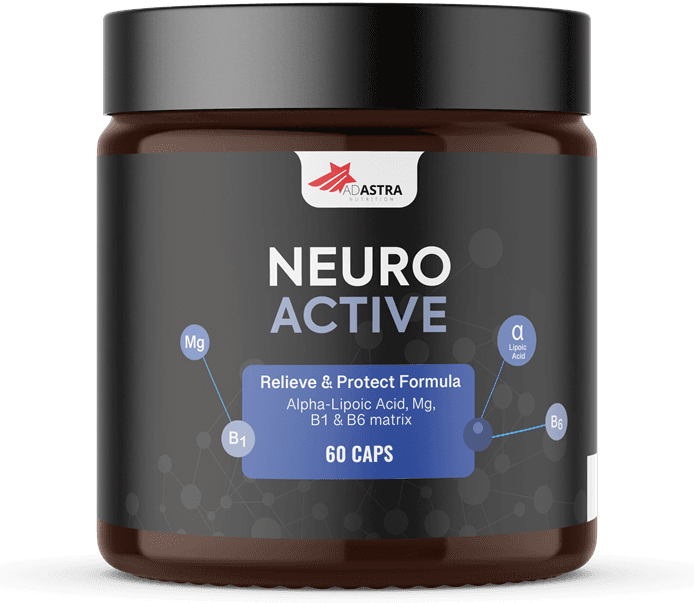
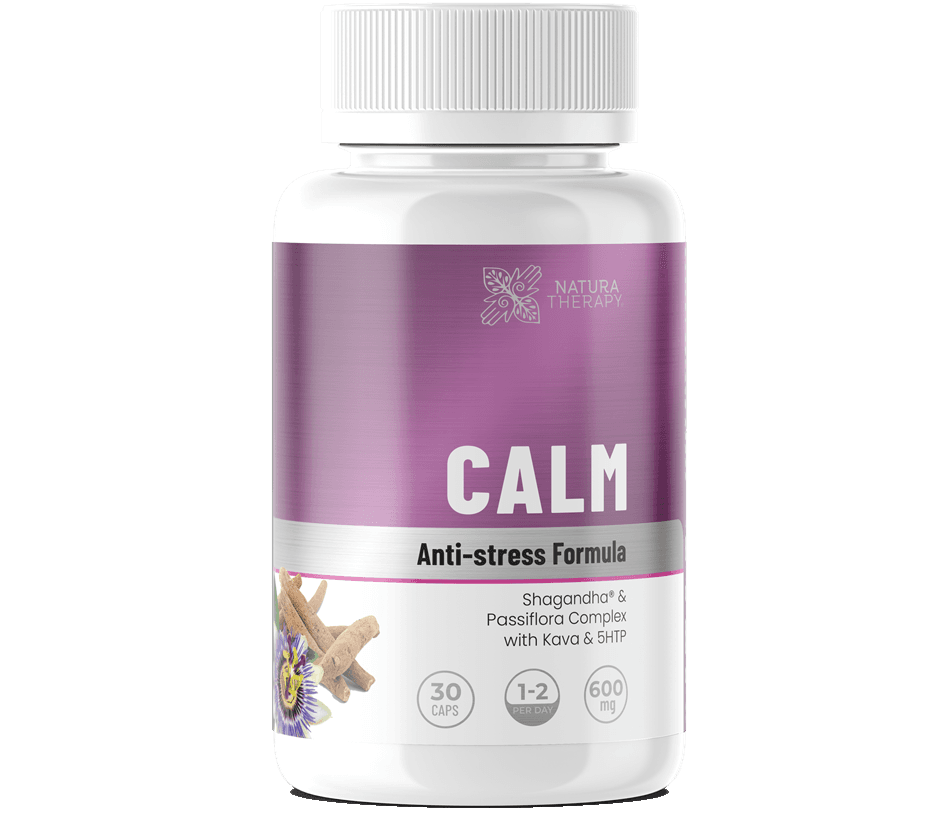
In the NaturaTherapy store you’ll find products in the Nervous system category, for example Neuro Active (a formula positioned for nerve support), ashwagandha extract (an adaptogen profile for stress) and CALM — a product for special medical purposes according to its label; read the instructions carefully and talk to a doctor/pharmacist.
Practical steps without self-medication
- Write down your symptoms, when they started and what triggers them — for the examination.
- Don’t stop prescribed medicines because of an article or a supplement.
- Avoid high-dose “protocols” from social media.
- Ask your doctor about interactions (e.g. sedative herbs + medicines).
Related: 10 herbs for the peripheral nervous system. Category: Brain and nervous system.
Frequently asked questions
- Do supplements treat neurological disease?
- No. They don’t diagnose and don’t treat. If you have symptoms — see a neurologist, not a protocol from the internet.
- When is it urgent?
- Sudden weakness, slurred speech, facial asymmetry, loss of control — emergency services.
- Where can I read about herbs?
- In the article on 10 herbs for the peripheral nervous system — as support, not as a medicine.
- Can I stop a medicine if I feel better?
- Not without a doctor. Prescribed therapy is not changed because of an article or a supplement.
- Does magnesium help?
- Many people use it for muscle and nerve comfort when intake is low. The form and dose — per the label, and per your doctor if you have kidney problems.
This article is for informational purposes and does not replace medical advice. Food supplements are not medicines. Consult a doctor before use, especially if you have a chronic illness, are pregnant or breastfeeding, or are taking medicines. Results are individual.