Prostatitis is the name for a group of conditions in which the prostate is inflamed or the pain is tied to the gland and the pelvis. It occurs in men of different ages, not only after 50. The acute bacterial form is urgent. The chronic form is common, frustrating and rarely resolved with one box of capsules.
If your perineum hurts, also read where the pain is felt. How it fits in among other diagnoses: the most common prostate diseases.
This article is for informational purposes and does not replace medical advice. Food supplements are not medicines and do not diagnose, treat or prevent infections. Acute prostatitis is managed by a doctor. Consult a doctor before taking a supplement. Results are individual.
Four types a doctor tells apart
Acute bacterial prostatitis
A sudden inflammation when bacteria from the urinary tract get into the gland. It starts within hours or days: fever, chills, pain, burning, cloudy urine, sometimes blood. The bladder can become blocked. This is an emergency. Treatment is with antibiotics, often for two or more weeks, sometimes intravenously. An abscess is drained under a doctor’s supervision.
Chronic bacterial prostatitis
The same infection that keeps coming back or never fully settles. Men describe waves of burning, dull pain and recurring “cystitis.” A culture helps. Therapy is longer and is led by a urologist — not leftovers from an old prescription.
Chronic pelvic pain syndrome (CPPS)
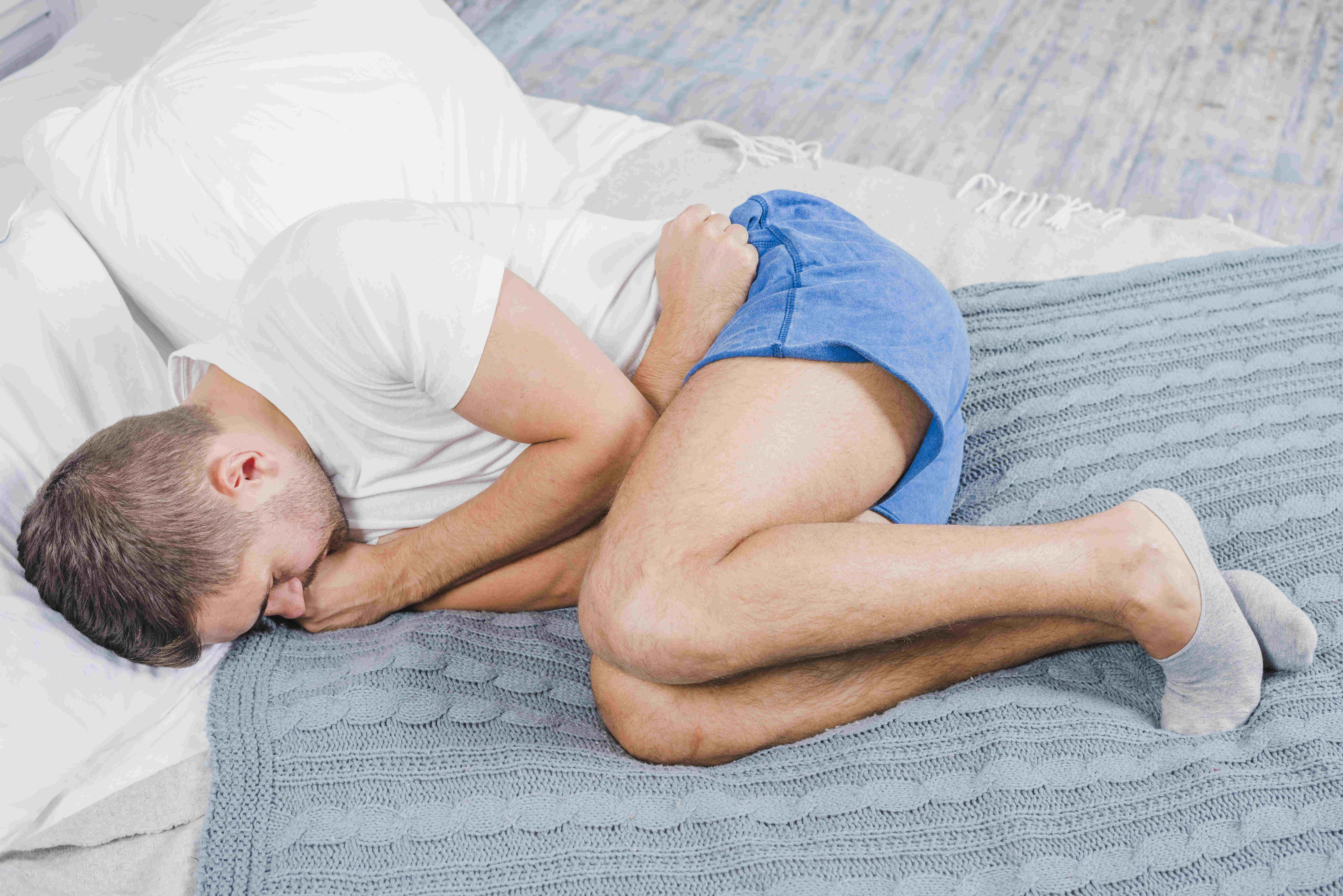
The most common form. Pain is the main symptom: perineum, penis, lower back, groin. The average age in many series is around the 40s. Often no bacterium is found. Nerves, the pelvic floor, stress and earlier inflammation are part of the model. That’s why the plan includes physiotherapy and pain management, not just antimicrobial medicines.
Asymptomatic inflammatory prostatitis
Inflammation without symptoms, found by chance (e.g. during a biopsy or a fertility workup). On its own it is rarely “treated” if there is no other reason.
Causes and mechanisms
The bacterial route most often starts with urine flowing back toward the gland or with an infection of the urethra. Gut bacteria are common. Sexually transmitted pathogens (e.g. chlamydia) can inflame the neighboring tract and the gland. Prostatitis is not classified as a typical STI, but your partner may need an exam if there is urethritis.
The non-bacterial route involves damage to or hypersensitivity of the pelvic nerves, tense pelvic floor muscles, an autoimmune reaction in genetically predisposed men and chronic stress that keeps the muscles in spasm. Repeated short courses of antibiotics without a culture often make the chaos worse: the symptoms are masked, and the cause remains.
Symptoms you should describe
- frequent urination, especially at night;
- urgency;
- burning, stinging or pain when urinating;
- cloudy urine, blood in the urine or semen;
- fever and chills — an acute sign;
- pain in the abdomen, groin, perineum or lower back;
- painful ejaculation.
How the diagnosis is made
The urologist listens for the pattern (sudden versus months), takes your temperature, examines your abdomen and, when it is safe, the prostate. An acutely inflamed gland is painful — vigorous massage is not done then. Urine, a culture, sometimes a blood count and PSA (which can temporarily jump because of inflammation). Urine fractions are collected before and after stimulation when a chronic bacterium is being looked for.

The diagnosis is not “looks like prostatitis, here’s a supplement.” If there are systemic signs, sepsis is ruled out. If there is retention, a catheter is placed in a medical facility.
What treatment does — by type
The acute type: an antibiotic chosen according to the likely pathogen and, once it arrives, according to the antibiogram, plus medicine for fever and pain. Severe cases are hospitalized. The chronic bacterial type: a longer course, a follow-up culture, a search for a stone or residual urine that feeds the infection.
CPPS: an individual plan. It may include an alpha-blocker, a medicine for neuropathic pain, physiotherapy, warm baths, cutting down on coffee and alcohol, working on anxiety. Steroids and immunosuppressants are rare, specialist decisions — not a home protocol. Surgery is an exception for obstruction, not the first response to pain.
Where a supplement fits in
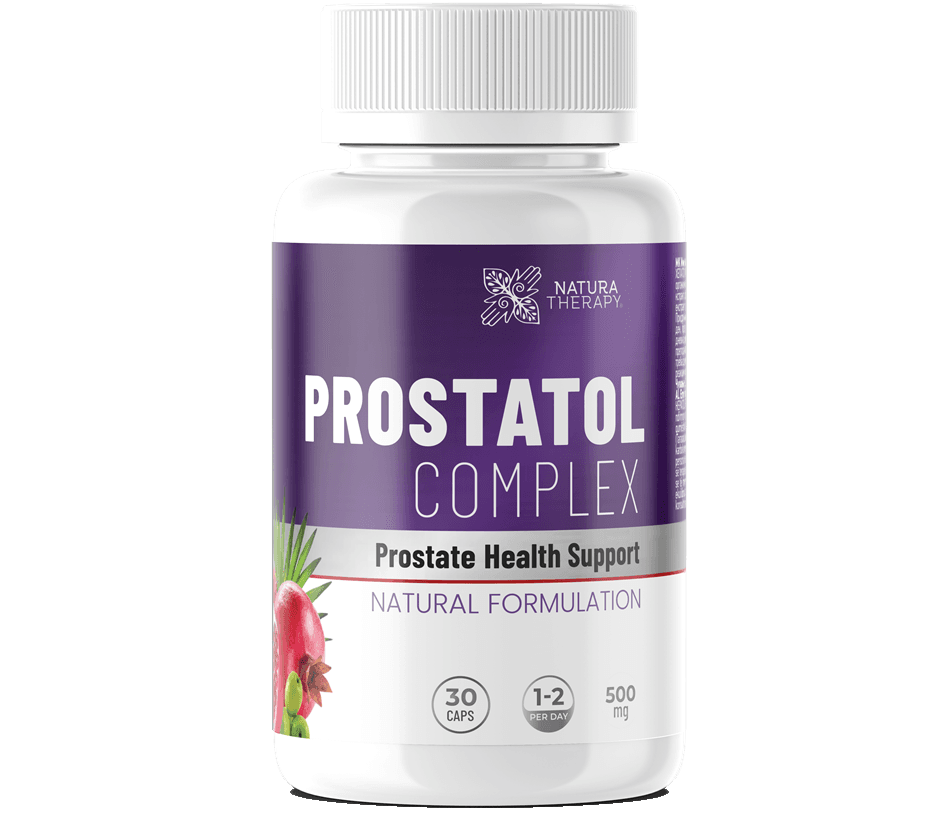
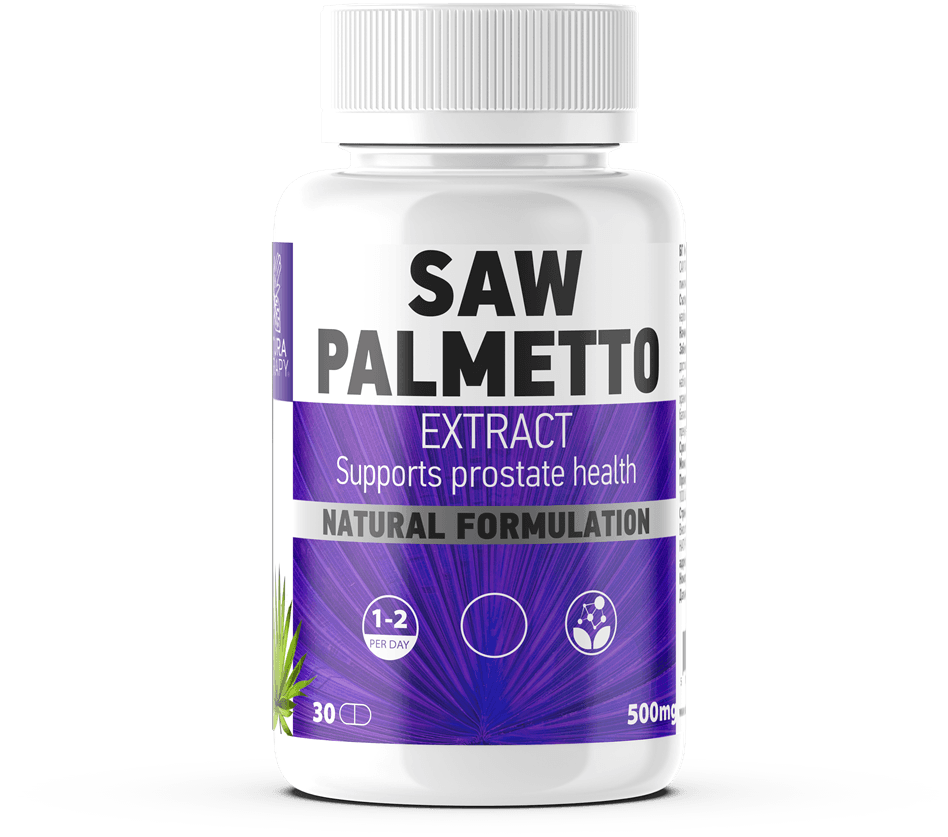
A supplement does not replace the antibiotic. Once the acute phase has calmed down, some men discuss plant-based support for urinary comfort — saw palmetto, zinc — such as Prostatol Complex or a standalone Saw Palmetto. That is nutrition, not prescription anti-inflammatory therapy. Shelf: Men’s health.
Living with chronic pelvic pain
CPPS is a marathon. Men often go through a phase of anger: they’ve had three cultures, two ultrasounds, courses that didn’t work. That’s when it helps to rename the goal. Not “destroy the bacterium that isn’t there,” but “reduce the pain and get my sitting, sex and sleep back.”
Pelvic physiotherapy, a regular urination rhythm, less caffeine and working on anxiety have more evidence in this syndrome than yet another empirical antibiotic. Sex is something to negotiate: some couples take a break during an acute flare, then return to it carefully. Your partner is not “to blame” and doesn’t need to take medicine unless she has her own infection.
Get enough sleep. Pain and lack of sleep amplify each other. A warm shower before bed, a surface that isn’t as hard as a bench, short walks. If the pain pushes you toward isolation or panicky thoughts, say so — psychological support is part of chronic pain care, not a sign of weakness.
A supplement such as Saw Palmetto can be considered for urinary comfort once infection has been ruled out. Don’t measure success over three days. If there’s no change after two months, don’t pile on a second and a third herb. Go back to your doctor with a diary.
Your workplace is a part of the therapy that rarely gets mentioned. If you sit for eight hours, set a reminder to get on your feet every 50 minutes. If you drive a van or a taxi, plan your stops. If training is your life, swap the hard bike seat for swimming or walking while the pain is loud. Tell your coach it isn’t laziness — the pelvic floor isn’t treated with yet another set of squats with a held breath. Night work and shifts break up your sleep, and insomnia increases pain; if you can, ask for a temporary schedule while the acute flare lasts. Tell your employer it is a medical condition, not laziness — a written note from a doctor helps more than explaining every break. If you work in the field without a toilet for hours, that is part of the history the urologist needs to hear at the first exam, together with whether you force yourself to hold your urine for two or three hours of driving at a time. That detail often explains the recurring irritation better than yet another negative culture done in a hurry before you get home from the lab itself.
Frequently asked questions
- Is prostatitis contagious to my partner?
- The diagnosis itself is not a classic STI. If there is a simultaneous infection of the urethra, your partner needs an exam. Use protection until your doctor says otherwise.
- Why didn’t the antibiotic “work”?
- There may be no bacterium (CPPS), the course may have been short, or the pathogen is resistant. Don’t add a new antibiotic on your own.
- Does chronic pain mean I will get cancer?
- Prostatitis is not cancer. Long-lasting symptoms are still checked so that another diagnosis isn’t missed.
- Does abstinence help?
- There is no universal rule. Some men feel better with regular ejaculation, others get worse after sex. Write it down and tell your doctor.
- Can I work out?
- Light walking is usually fine. A hard bike seat, heavy squats and long sitting often set it off. Ask a pelvic floor physiotherapist.
- When should I see a doctor again if I’m already on therapy?
- If the fever comes back, if you can’t urinate, if the pain suddenly spikes or if there is no change at all after the agreed course.
- Does Prostatol treat prostatitis?
- No. It is a food supplement for support, not a medicine against infection or CPPS.
This article is for informational purposes and does not replace medical advice. Food supplements are not medicines and do not diagnose, treat or prevent diseases. Consult a doctor before use. Results are individual.