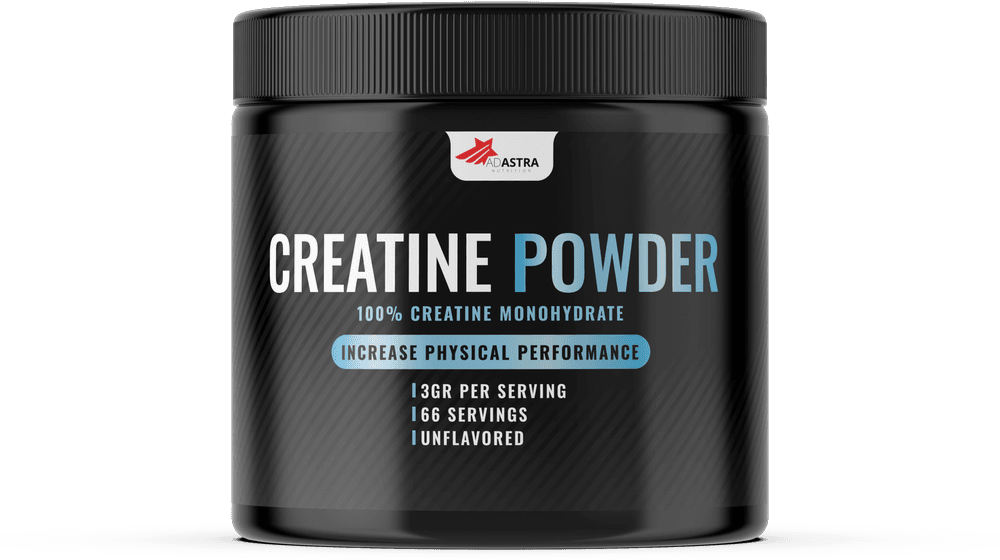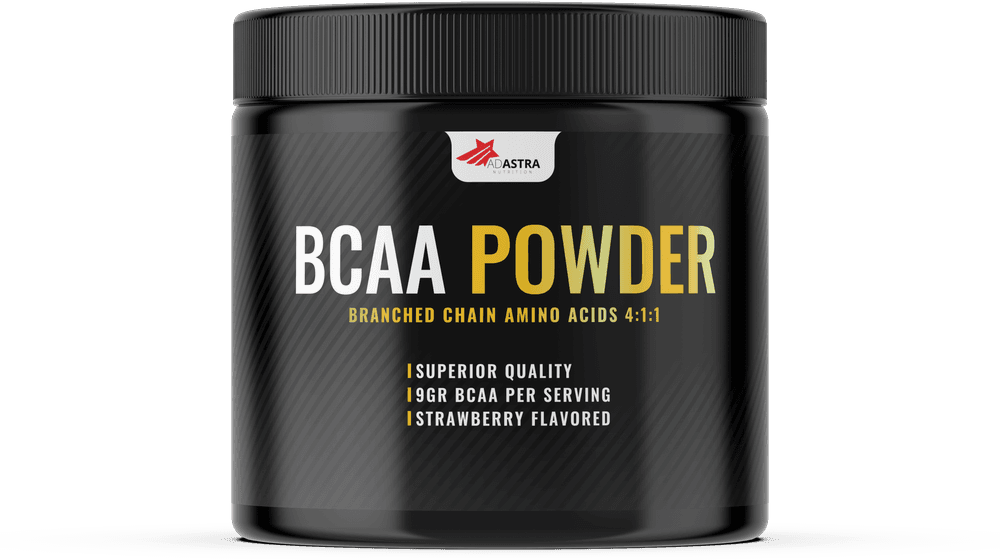

BCAA or creatine is a question that comes up once protein is already on the table. They are not substitutes for each other, and they are not a substitute for food. Creatine replenishes phosphocreatine for short, hard efforts. BCAAs are three essential amino acids (leucine, isoleucine, valine) that you already get if you eat enough complete protein.
The creatine versus protein debate is a separate article: creatine vs protein. Here we compare only BCAA and creatine.
What creatine does
Creatine monohydrate increases the reserves in the muscle for sets that last seconds: squats, sprints, final reps. It is taken every day, rest days included. Typically 3–5 g according to the label; loading is not required. It may retain water in the muscle — that is not fat.
Product: CREATINE MONOHYDRATE from Adastra Nutrition.
What BCAAs do — and what they don’t
Leucine activates mTOR. That sounds powerful, but without the other essential amino acids, synthesis isn’t completed. If you already drink whey or eat meat and eggs, standalone BCAAs rarely change body composition. They have a clearer role when:
- you train in the morning on an empty stomach and your meal comes late;
- you’re in a steep deficit and your total protein is low;
- your diet is poor and you haven’t sorted out your shake yet.
One product, one link: BCAA. You don’t need four flavors at once.
Direct comparison
- Mechanism: creatine = energy for strength; BCAA = amino acids, a partial signal.
- Evidence for strength: creatine is on firmer ground.
- Evidence for fat tissue: neither one is a “fat burner”; see BCAA and metabolism for the nuances.
- Vegans: creatine is often more useful (meat is the main dietary source); BCAAs make sense if plant protein intake is low.
- Budget: creatine usually makes a more “noticeable” difference per denar.
Which one is right for you now
- Your sets are dying, your protein is fine → creatine first.
- Your protein is chaotic, you train hungry → sort out your protein; BCAAs are a bridge, not a solution.
- You want both strength and comfort in a deficit → creatine daily + food; BCAAs only if a meal is truly missing.
- Kidney or other diseases → see a doctor before either one.
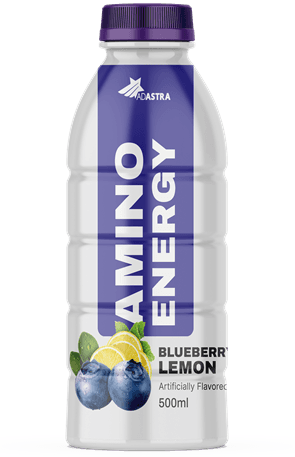
For energy with a stimulant (caffeine), some people look at AMINO ENERGY — that is a third category, neither BCAA nor creatine. When you take it depends on the caffeine.
Frequently asked questions
- Can I combine BCAAs and creatine?
- Yes, there is no fundamental incompatibility. The question is whether you need BCAAs if your protein is covered.
- Are BCAAs better than creatine for weight loss?
- No. Weight loss is a deficit. Creatine helps you keep your strength in that deficit. BCAAs don’t melt fat on their own.
- When should I take creatine?
- Every day, whenever you remember. In your shake is fine. The total daily dose matters more.
- Do I need BCAAs if I drink whey?
- Usually not. Whey already contains these amino acids.
- What should I buy first on a small budget?
- Protein if your food falls short; otherwise creatine. For most recreational athletes, BCAAs are third on the list.
This article is for informational purposes and does not replace medical advice. Food supplements are not medicines. Consult a doctor before use, especially if you have a chronic illness, are pregnant or breastfeeding, or are taking medicines. Results are individual.