
The word nootropics sounds like something from a lab of the future, but in everyday life people are usually looking for something more modest: better focus, less “brain fog,” steadier energy for work and study. Natural nootropics — plant extracts, mushrooms, amino acids, polyphenols — can be part of that support, as long as expectations are realistic.
They are not medicines for dementia, ADHD or depression, and they don’t turn you into a “superhuman” overnight. The foundation remains sleep, movement, food, light and stress management. A supplement is a layer on top — not the foundation.


What we mean by “nootropic” in a natural context
In everyday speech, “nootropic” often means a substance or formula associated with cognitive support: attention, working memory, mental stamina, a sense of clarity. In scientific and regulatory reality, labels are more cautious — we are talking about nutritional/plant support, not clinical treatment.
- Adaptogens (e.g. ashwagandha) — of interest for stress and the feeling of tension.
- Plant complexes for memory/focus — combined formulas.
- Cocoa/functional drinks — ritual + active ingredients for everyday life.
- Food — omega-3 sources, fruit, vegetables, adequate protein; see also 13 superfoods for the brain and nervous system.
For a wider catalog, see Nervous system.
The habits that “beat” most pills
- Sleep 7–9 h — the cheapest nootropic. Sleep deprivation kills attention more than the lack of a supplement does.
- Movement — even a brisk 20–30 min walk improves subjective clarity for many people.
- Deep work in blocks — 45–90 min without your phone; a nootropic won’t make up for 40 open tabs.
- Hydration and protein in the morning — “brain fog” is often blood sugar + fatigue, not a lack of something exotic.
- Light in the morning, less blue screen late at night — circadian rhythm = better focus the next day.

Stress, anxiety and “I can’t pull myself together”
Chronic stress scatters your attention. That’s why some people add adaptogens such as ashwagandha extract — positioned for calming stress according to the product information. It is not a prescription sedative and does not replace therapy for an anxiety disorder. If you take medicines (especially for the thyroid, sedatives, immunosuppressants) — consult your doctor.
Formulas for memory, attention and everyday focus
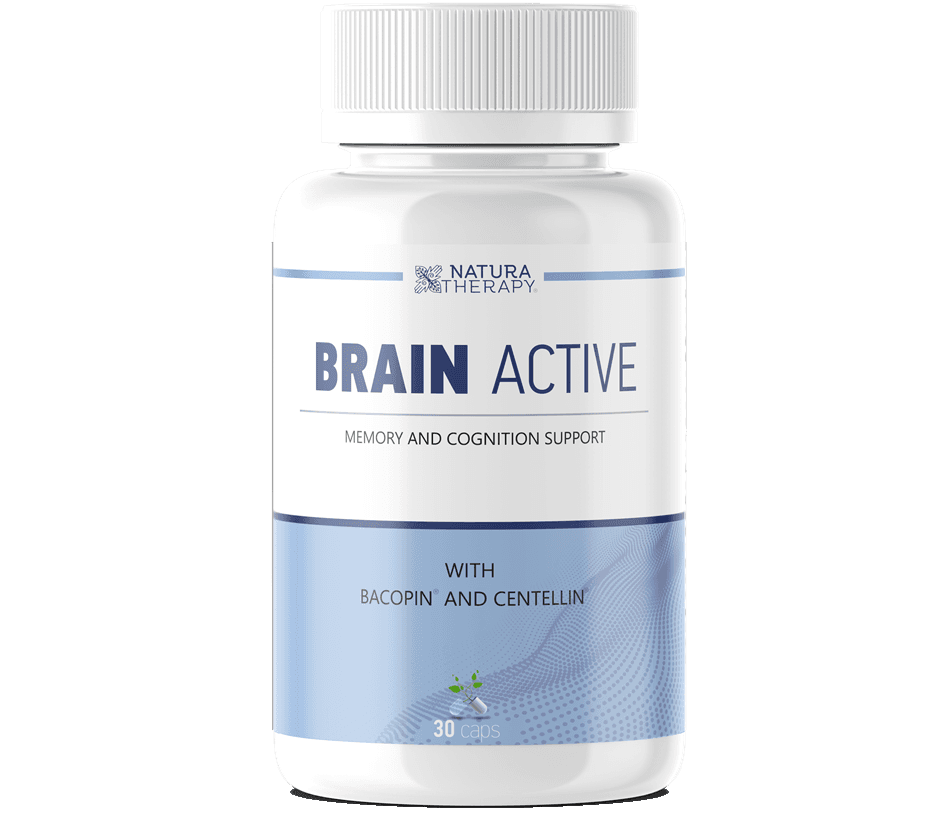
If you’re looking for a ready-made combination focused on memory and concentration, take a look at Brain Active. For a drink with an emphasis on concentration, attention and cognitive function in everyday life — Max Brain (a cocoa drink, according to the product description).
Practical tip: don’t start three new products on the same day. Introduce one, watch your sleep, heartbeat, stomach and subjective focus for 1–2 weeks, and keep a short diary.

Caffeine: a friend with conditions
Coffee and tea are the most widely used “nootropics” in the world. They work for alertness, but:
- late caffeine ruins your sleep → worse focus tomorrow;
- on an empty stomach in sensitive people — anxiety and jitters;
- tolerance builds up — more doesn’t always mean better.
Combine caffeine with a walk and water, not with yet another energy drink at 17:00.
Safety and honest limits
- Pregnancy, breastfeeding, epilepsy, bipolar disorder, heart arrhythmias — only after seeing a doctor.
- Don’t mix high-dose “stacks” from forums on your own.
- Children and teenagers — don’t experiment with adult formulas without a specialist.
- Sudden neurological symptoms (severe headache, weakness, speech problems) — emergency care, not a supplement.
How to judge whether it “works”
Measure 2–3 real tasks: time until you get distracted, the quality of your written work, how you feel in the afternoon (14–16 h). If you sleep 5 hours and expect a miracle from a capsule — fix your sleep first. If after 3–4 weeks there is no subjective benefit — stop and review your habits instead of adding a fifth product.
Related: superfoods for the brain. Category: Brain and nervous system.
Frequently asked questions
- Are natural nootropics safe?
- “Natural” doesn’t mean “risk-free.” Quality, dose, interactions and your health condition all matter. Read the label and ask a doctor/pharmacist if in doubt.
- Can I combine Brain Active and ashwagandha?
- Many adults do, but check the composition for overlapping ingredients and start conservatively. If you take medicines — consult your doctor.
- When should I drink Max Brain?
- Usually in the first half of the day, according to the label and the contents (e.g. if it has stimulating components). Avoid it late in the evening if it ruins your sleep.
- Do nootropics treat ADHD or dementia?
- No. Food supplements are not medicines and do not diagnose, prevent or treat diseases. If in doubt — see a specialist.
This article is for informational purposes and does not replace medical advice. Food supplements are not medicines. Consult a doctor before use, especially if you have a chronic illness, are pregnant or breastfeeding, or are taking medicines. Results are individual.