The question “how do you know if you have diabetes” can’t be answered by an online test. The diagnosis is made by a doctor, with blood tests and a medical history. What you can do at home is recognize the signs that keep recurring and not put off the tests — especially if type 2 already runs in your family.
This article is for informational purposes and does not replace medical advice. Food supplements are not medicines. Consult a doctor before use, especially if you have a chronic illness, are pregnant or breastfeeding, or are taking medicines. Results are individual.
Diabetes is a chronic condition in which glucose stays higher than the cells can safely take in. In type 1, insulin is missing. In type 2, insulin is often present, but the cells respond poorly (insulin resistance), and over time its production also weakens. Gestational diabetes occurs in pregnancy. More about the types: diabetes — everything you need to know.
Signs that deserve an appointment, not just a search
Type 2 often starts quietly. You can go months without any “movie-style” symptoms. Type 1 in children and young people can develop within days and is urgent. Neither one is confirmed by “how many sweets you eat.”
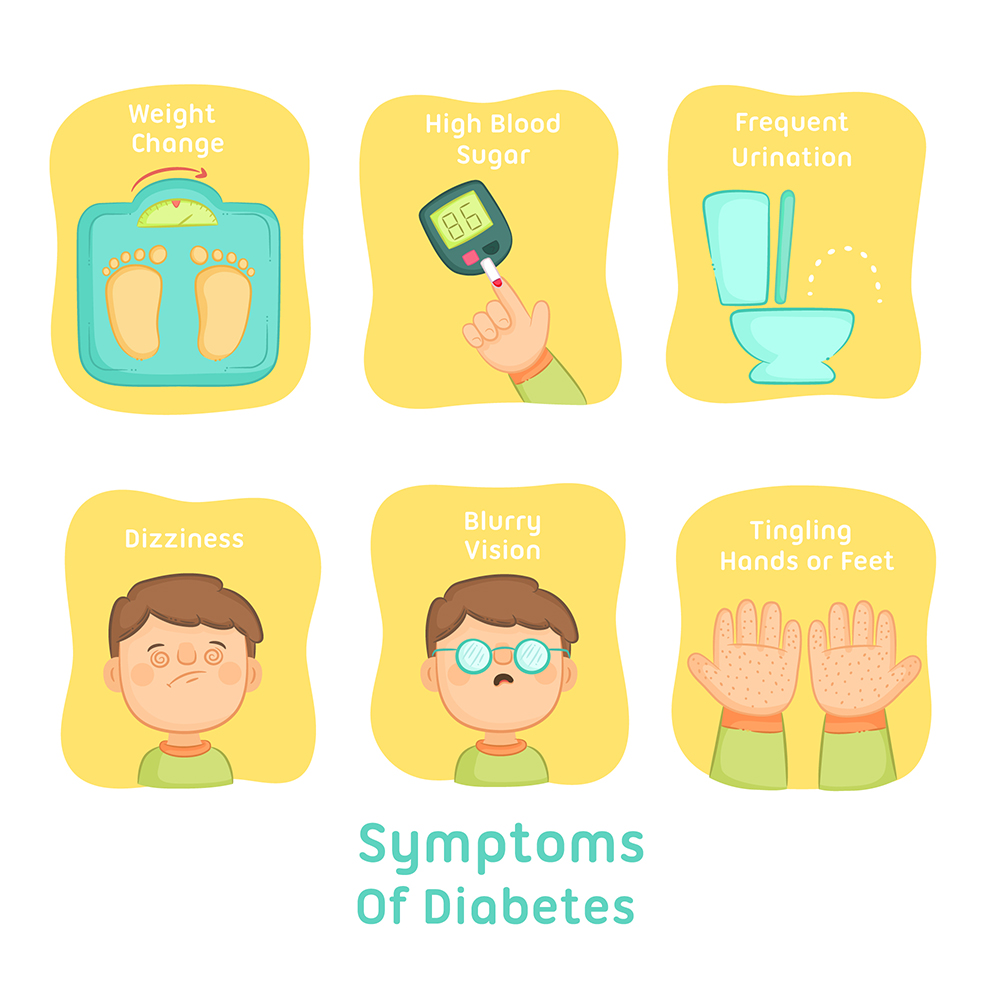
- Thirst that won’t stop and a dry mouth.
- Frequent urination, including at night (getting up two or three times — in women, with no prostate to explain it, or as something new in men).
- Fatigue that a shift or the flu doesn’t explain.
- Blurred vision that comes and goes.
- Wounds that heal slowly, itching, fungal infections that keep coming back.
- Hunger soon after eating, or unexplained weight loss (more often an alarm sign in type 1).
- Tingling in the feet, nighttime cramps, darkened skin folds on the neck (acanthosis nigricans) in insulin resistance.
A deeper look at each sign: what the first symptoms of diabetes are.
The classic early signs

Frequent urination (polyuria)
Your kidneys try to flush out the excess glucose. You may get up at night even if you didn’t drink much in the evening. In men over 50 this is easily confused with the prostate; in women — with an infection. When it’s new, persistent and comes with thirst, it deserves a blood test, not just a urologist or gynecologist.
Thirst and dry mouth (polydipsia)
The body loses water through urine. You drink and still feel dry. Juices and boza make the thirst worse because they bring even more glucose. Water is fine; a sweet drink is no test of whether you’re “thirsty from salt.”
Hunger soon after eating
The cells aren’t getting the energy, so the brain asks for more food. In type 2 this goes together with weight gain. In type 1 we more often see the opposite: the person eats, yet loses weight.
Unexplained weight loss
Especially in a young person or a child: they eat normally or more, yet their pants are falling off. The body burns fat and muscle because glucose isn’t getting into the cells. This is a red flag, not a “successful diet.”
Fatigue and brain fog
It isn’t laziness. Without glucose in the cells, you feel heavy even after sleeping. If the fatigue comes with thirst and nighttime urination, don’t stop at vitamin B “for energy.”
Blurred vision
The lens of the eye changes shape when blood sugar spikes. Your vision may improve once glucose settles — that doesn’t mean you imagined it. Permanent damage (retinopathy) is a different story, and an ophthalmologist checks for it after diagnosis.
Skin, wounds and infections
High glucose suits fungi and bacteria. Itching, candidiasis that keeps coming back, sores on the feet that linger for weeks. Darkened, velvety skin folds on the neck or in the armpits can go along with insulin resistance.
Tingling, burning, nighttime cramps
Peripheral nerves don’t like chronically high glucose. Early discomfort isn’t always “years of neuropathy,” but it is a reason to measure your sugar, not just to buy a cream.
How type 1 and type 2 differ at the start
Type 1: often younger people, a faster course, weight loss, vomiting, a smell of acetone, deep breathing. It can look like a stomach bug — until the child becomes listless. Don’t wait.
Type 2: more often adults with weight around the belly, a family history and a quiet course. Symptoms are mild or absent. That’s why screening in at-risk groups matters even when you “feel fine.”
Gestational: thirst and fatigue in pregnancy are easily put down to the pregnancy itself. The screening your gynecologist runs isn’t skipped.
Symptoms that get confused with something else
- Anxiety, and thirst from medicines (diuretics, cortisone, some psychiatric medicines).
- Thyroid problems — fatigue and weight.
- Anemia — fatigue and brain fog.
- Prostate — nighttime urination without thirst.
- Dehydration in summer — thirst without high glucose.
That’s why a blood test settles the question better than online lists. An overview of the types: everything you need to know about diabetes.
Women, pregnancy and the cycle
PCOS, gestational diabetes and a large baby in a previous pregnancy raise the risk of type 2. Thirst in the third trimester shouldn’t be written off as “normal in pregnancy.” The screening your gynecologist runs isn’t skipped because you “feel fine.”
After giving birth, glucose often returns to normal, but the follow-up test still stands. If you’re thirsty again and losing weight without dieting, don’t wait for your annual checkup.
Children and adolescents
Type 1 in children can look like a stomach bug: the child drinks, pees, vomits and is listless. New bedwetting in a child who has long been dry is a sign, not laziness. Type 2 in young people is rarer, but it shows up with extra weight and a family history — the pediatrician decides on the tests, not an online list.
Don’t give a child supplements “for sugar.” Don’t drastically cut back on fruit before you have a diagnosis. Doctor first.
Skin, mouth and intimate signs that go unmentioned
Recurring candidiasis, itching, bad breath, inflamed gums, dry skin that cracks on the heels — people often don’t link these to sugar. It isn’t always diabetes. But together with thirst and fatigue, it’s reason enough for a blood test. A dentist who sees gums bleeding for no clear reason is right to ask about glucose.
Don’t be embarrassed to mention intimate symptoms. Doctors hear about them often. Keeping quiet delays the test more than a fear of needles does.
If you’re unsure whether the signs are “enough,” the doubt itself is the answer: book a blood test. The test is cheaper than a month of guessing. To interpret the results, use the article How to tell if you have diabetes, not someone else’s glucose meter at a family lunch.
One sign is rarely a diagnosis. Three signs that keep recurring are a call to act. Don’t wait until you have everything on the list.
Who is at higher risk and needs screening even without symptoms
Many adults in Macedonia first hear about prediabetes at a routine checkup. Talk to your family doctor about screening if you have:
- over 45 years old, or younger with a wide waist and a sedentary job;
- a parent or sibling with type 2;
- high blood pressure, high cholesterol, fatty liver;
- polycystic ovary syndrome;
- gestational diabetes in a previous pregnancy;
- medicines such as long-term corticosteroids.
Screening isn’t panic. It’s a blood test, not a punishment.
Which tests are used — an educational overview
Labs and doctors interpret the numbers together with the symptoms. Below are generally accepted thresholds used in many guidelines (often in mmol/L). Your lab may also print mg/dL — don’t mix up the units. Only a doctor makes a diagnosis.
Fasting plasma glucose
It’s taken in the morning after at least 8 hours without calories (water is allowed). Commonly used reference points:
- below 5.6 mmol/L — usually in the normal range;
- 5.6–6.9 mmol/L — a zone often called impaired fasting glucose / prediabetes;
- 7.0 mmol/L or higher — a value that, once confirmed, falls within the diagnostic threshold for diabetes.
A single result can mislead if you’ve been ill, eaten at night or taken cortisone. That’s why the doctor often asks for a repeat.
HbA1c (glycated hemoglobin)
It reflects your average glucose over roughly the last 2–3 months. It doesn’t require fasting. Commonly used reference points: below 5.7% is usual; 5.7–6.4% is prediabetes; 6.5% and above is the diagnostic threshold once confirmed. HbA1c can be inaccurate with anemia, pregnancy, some hemoglobinopathies or kidney disease — in those cases the doctor relies on other tests.
OGTT — oral glucose tolerance test
You drink a standard glucose solution, then your blood is measured (most often at 0 and 120 minutes). A two-hour value of ≥11.1 mmol/L is the classic diagnostic threshold in many guidelines. The test requires preparation: a few days of normal carbohydrate intake, no extreme diet beforehand. Don’t interpret it yourself from an “app.”
Random glucose and urine
A high random glucose (≥11.1 mmol/L is often cited) plus clear symptoms is an alarm for a prompt checkup. Sugar in the urine doesn’t make the diagnosis on its own — the kidney threshold varies. Ketones in the urine or blood in a sick person with thirst and vomiting are an urgent signal, especially in a young person.
All the values in one place, in mmol/L and mg/dL: normal blood sugar levels, table and upper limit.
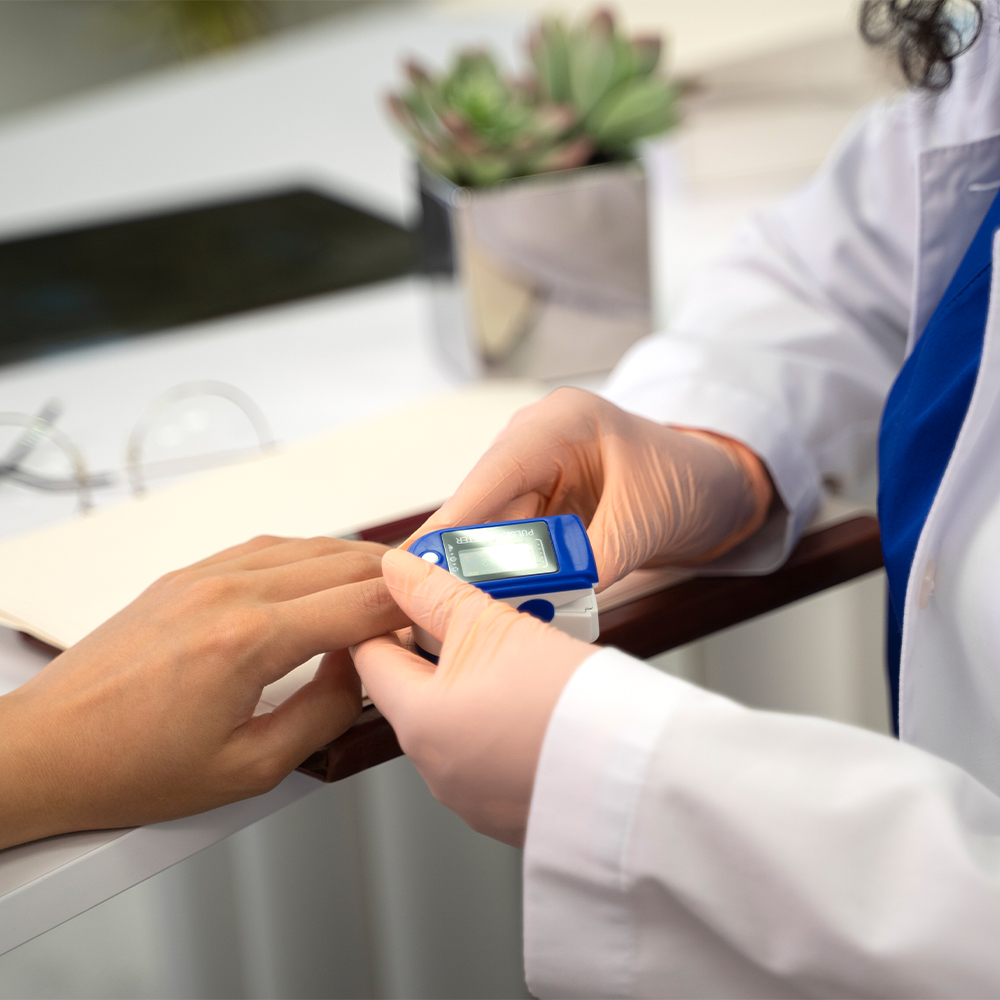
Is a home glucose meter enough for a diagnosis?
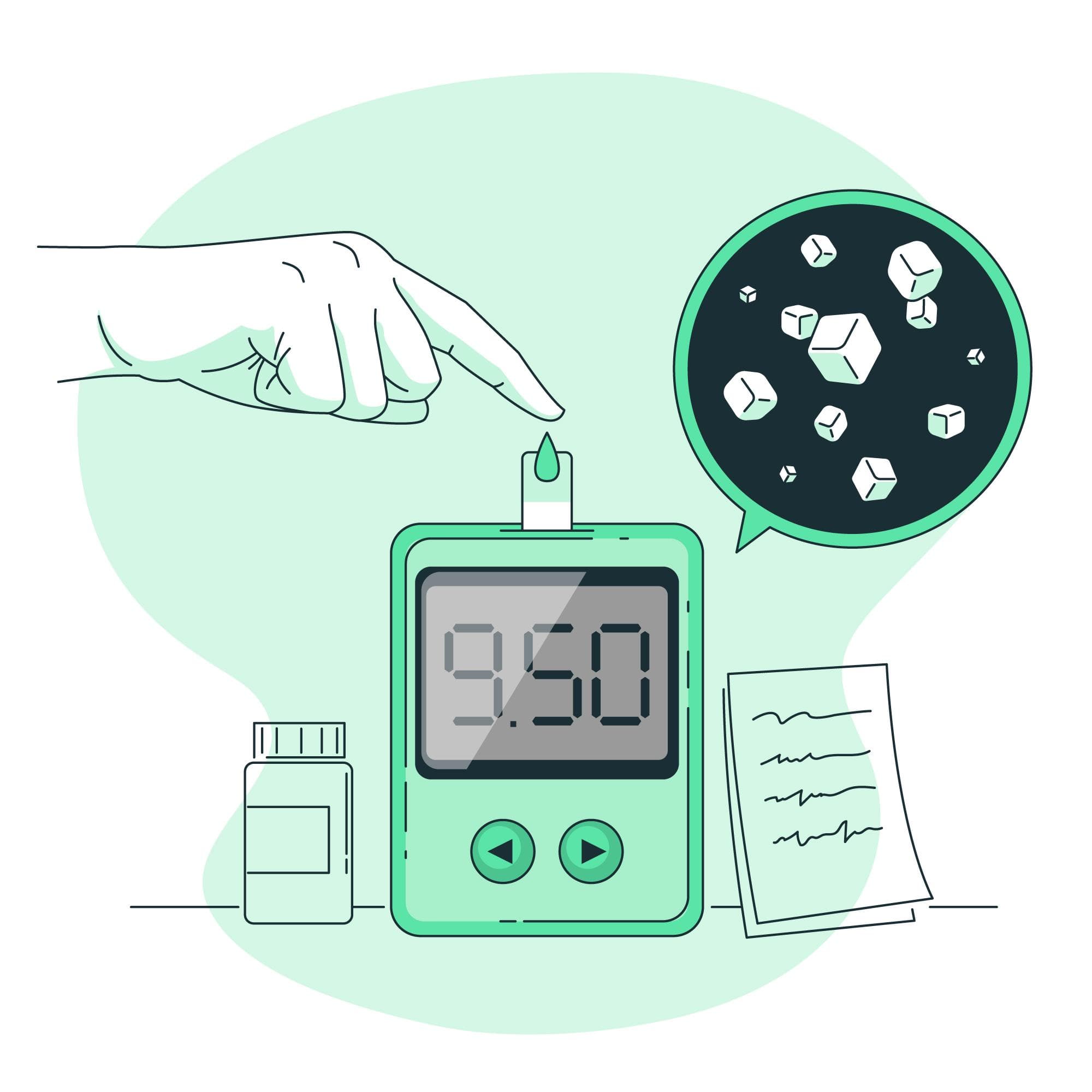
No. A glucose meter is useful for monitoring once you already have a plan. A diagnosis needs a lab plasma test (or a confirmed protocol run by your doctor). If you see repeated high numbers at home, don’t wait for “one more month of dieting” — book a blood test.
Pharmacy tests are a rough guide. False lows from dirty fingers and false highs from fruit on your hands are common.
What the doctor will ask and what to bring
- A list of medicines and supplements (including cinnamon capsules and “detox” teas).
- Family history: who, at what age.
- Whether you’ve lost weight, are thirsty, get up at night.
- Previous pregnancies, PCOS, pancreatitis.
After diagnosis, blood pressure, lipids, creatinine, eyes and feet are often checked. That isn’t “overdoing it” — it’s standard protection of the organs.
If the test is “borderline”
Prediabetes isn’t a verdict, and it isn’t diabetes yet. It’s a window for change: your plate, steps, sleep, weight. The diet linked to lower risk is described in a diet backed by studies. Don’t buy a “medicine against prediabetes” from an ad.
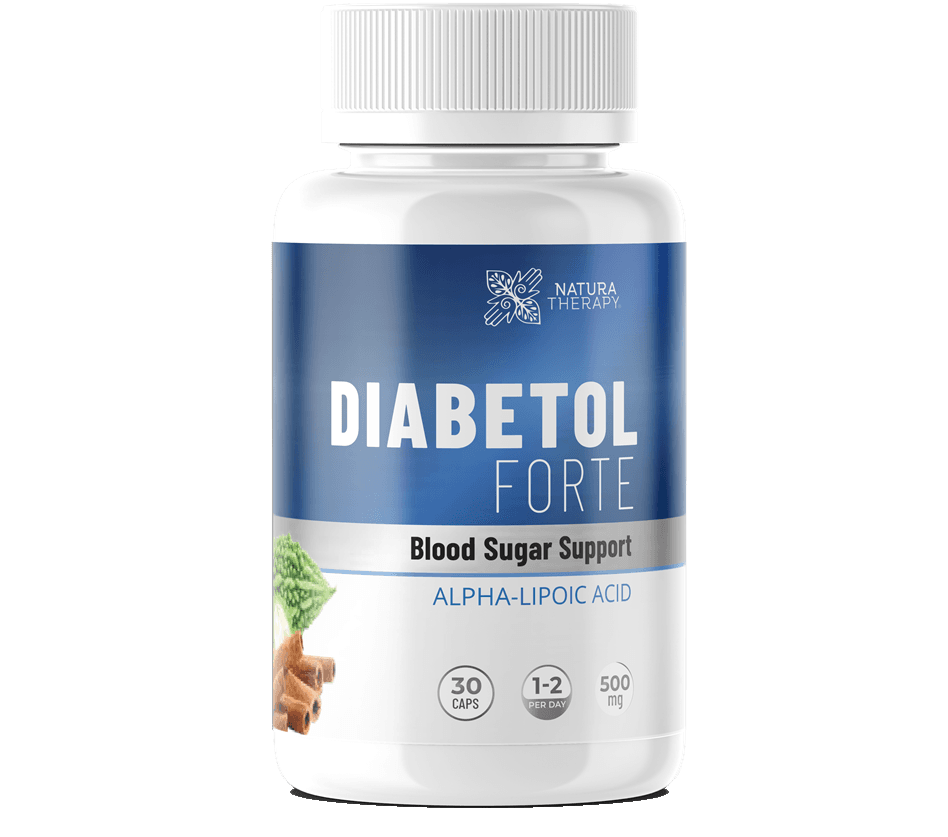
Supplements neither make nor cancel a diagnosis. If your doctor later agrees to nutritional support, the formulas in the Diabetes category — such as Diabetol Forte — are an addition to your regimen, not a substitute for monitoring.
When to go urgently, not next week
- Severe thirst, vomiting, abdominal pain, rapid deep breathing, confusion — suspected ketoacidosis, more common in type 1.
- Very high glucose with drowsiness in an older person.
- Signs of a stroke or a cardiac event.
These are emergencies. Don’t drink “bitter tea” while you wait for it to pass.
After confirmation: the first sensible steps
You don’t have to change your whole life on the same day. You do have to understand the type, your medicine and how to measure. After that: regular meals, walking, fewer sweet drinks. A practical start: how to maintain normal glucose and a lifestyle without myths. If your numbers are high, also see how to lower your blood sugar.
What the path looks like after the first appointment
Your family doctor often starts with your medical history and a referral for blood work. If the numbers are clear and you have symptoms, they may refer you straight to an endocrinologist. If they’re borderline, they’ll ask for a repeat test in two weeks or an OGTT. Don’t change medicines and don’t start a “crash diet” between the two tests — that muddies the result.
On the day of the blood draw, bring a list of your medicines, including drops, cortisone creams you apply over a large area, and herbal capsules. Mention it if you’ve had an infection or a night shift. That isn’t an excuse, it’s context.
What prediabetes means in everyday life
Prediabetes isn’t “a little diabetes,” and it isn’t a verdict. It’s a window. Many people in this zone never develop type 2 if they change their plate, their steps and the weight around their waist. Others, especially with a strong family history, will still progress — that’s why follow-up checks stay in place.
In practice: cut out sweet drinks the first week. The second week, add a walk after lunch. The third — measure your bread portion. The fourth — book a follow-up blood test. That does more than buying a supplement “against prediabetes,” which doesn’t exist as a medicine.
The family can eat the same meals. You don’t need a separate pot. What you need is less juice on the table and a salad served first.
Mistakes that delay the answer
- You measure only with a glucose meter after lunch and diagnose yourself.
- You put it off because “my grandma had high sugar and lived to 90.”
- You start a starvation diet three days before the lab test for a “better number.”
- You drink bitter teas instead of booking an appointment.
- You mix up mmol/L and mg/dL and panic for no reason — or relax for no reason.
If you work shifts or drive, don’t wait for “when I have time off.” Thirst and drowsiness on the road are a safety issue, not just a health one.
Talking to your doctor: questions worth asking
- Do I need HbA1c, fasting glucose or both?
- When should we repeat it if I’m borderline?
- Should I have my eyes and feet checked right away or after confirmation?
- How do illness or cortisone affect my number?
- Who should I call if the symptoms get worse before the result?
Write down the answers. Under stress, half the conversation gets forgotten. If you need a framework for what comes after confirmation, stick to the myth-free guide and use the Diabetes category only as nutritional support, not as a diagnosis.
Frequently asked questions
- Can I have diabetes if I don’t eat sweets?
- Yes. Type 2 is linked to insulin resistance, age, genetics and your overall diet — not just to cakes. White bread and juices also bring carbohydrates.
- Does one high reading on a glucose meter mean I have diabetes?
- Not on its own. It may be a meal, an illness or a measuring error. Repeated high values are a reason for a lab test, not for self-diagnosis.
- Which test is the “most accurate”?
- There isn’t one universal test. The doctor combines symptoms, fasting glucose, HbA1c and sometimes an OGTT. In pregnancy the protocol is different.
- Should I prepare with a diet before the blood test?
- For a fasting test — don’t eat for 8 hours. Don’t start an extreme keto diet three days before an OGTT unless your doctor says otherwise; it can skew the test.
- What if I’m afraid of the diagnosis?
- Putting it off increases the chances of silent damage to the eyes and kidneys. Early confirmation means earlier support, not “the end.”
- Can a supplement “hide” the test?
- Some herbs and medicines affect glucose. Give the full list. Don’t stop your therapy so the result “comes out better.”
- Are children tested the same way?
- The protocol is up to the pediatrician. With rapid symptoms (thirst, weight loss, vomiting), don’t wait for a scheduled appointment — seek an urgent assessment because of the risk of type 1.
- After a normal test, when again?
- Depending on your risk: often every 1–3 years, or sooner if symptoms appear, your weight goes up or you have a new pregnancy. Ask your family doctor.
- Can I have diabetes without symptoms?
- Yes, especially type 2. That’s why screening in people at risk is useful even when “nothing’s wrong.”
- What is the earliest symptom people notice?
- Most often thirst and nighttime urination, or fatigue. For others, the first sign is blurred vision or an infection that keeps coming back.
- In children, what shouldn’t be missed?
- Suddenly drinking a lot, new bedwetting, weight loss, vomiting. This may be type 1. Seek an urgent assessment.
- Can stress mimic the symptoms?
- Stress affects sleep and appetite and can temporarily raise glucose. Still, persistent signs deserve a blood test, not just “it’ll settle down.”
This article is for informational purposes and does not replace medical advice. Food supplements are not medicines. Consult a doctor before use, especially if you have a chronic illness, are pregnant or breastfeeding, or are taking medicines. Results are individual.