Strengthening immunity naturally does not mean collecting dozens of little jars. It means combining sleep, food, movement and — when needed — selected micronutrients and plants. Below are 12 aids and approaches that often come up in the conversation about natural immune support.
Supplements are not medicines and do not “guarantee” the absence of colds. With chronic illnesses, pregnancy or medicines — ask a doctor. Take a look at the Immunity category as well.
1–4: Classic micronutrients
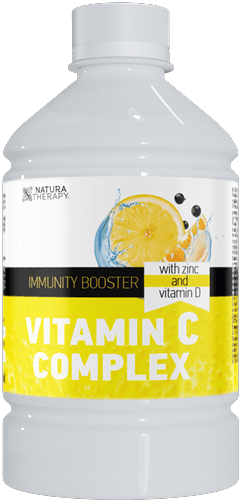
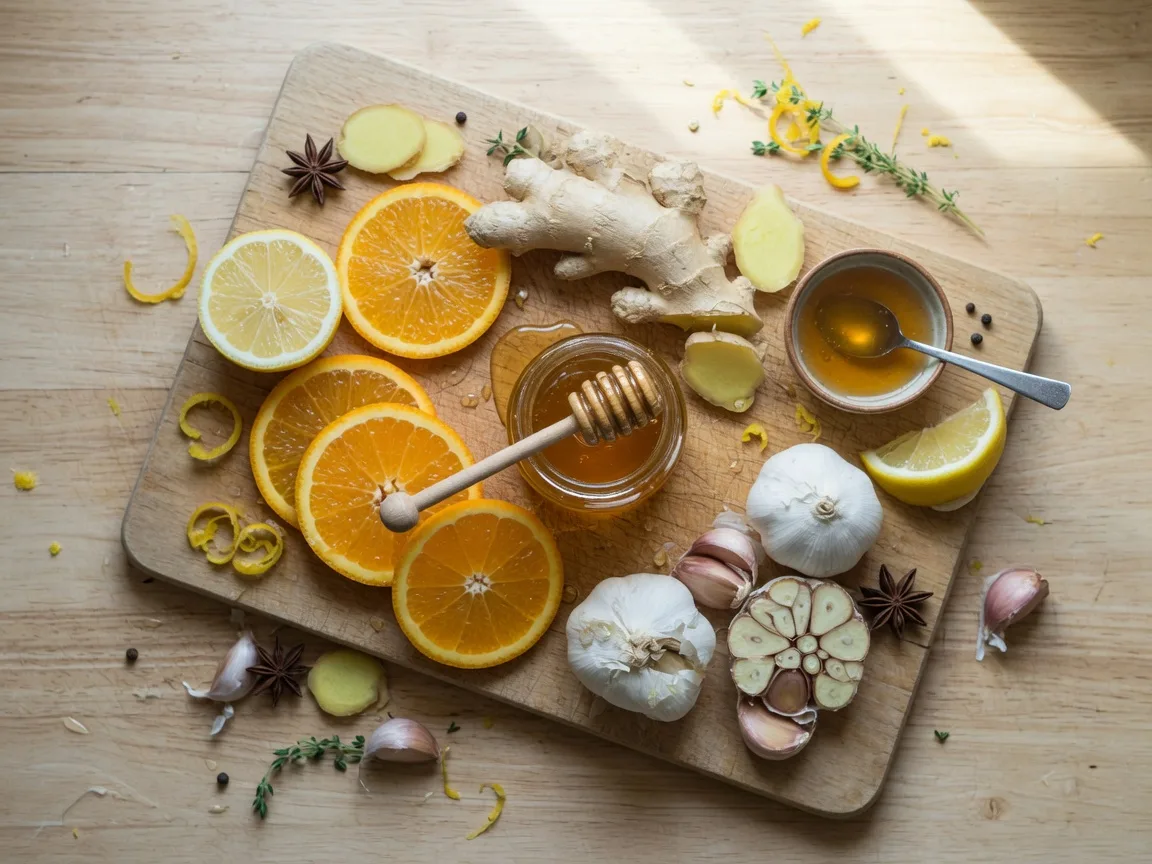
- Vitamin C — a support for the normal function of the immune system and antioxidant protection. Food + when needed Vitamin C Complex.
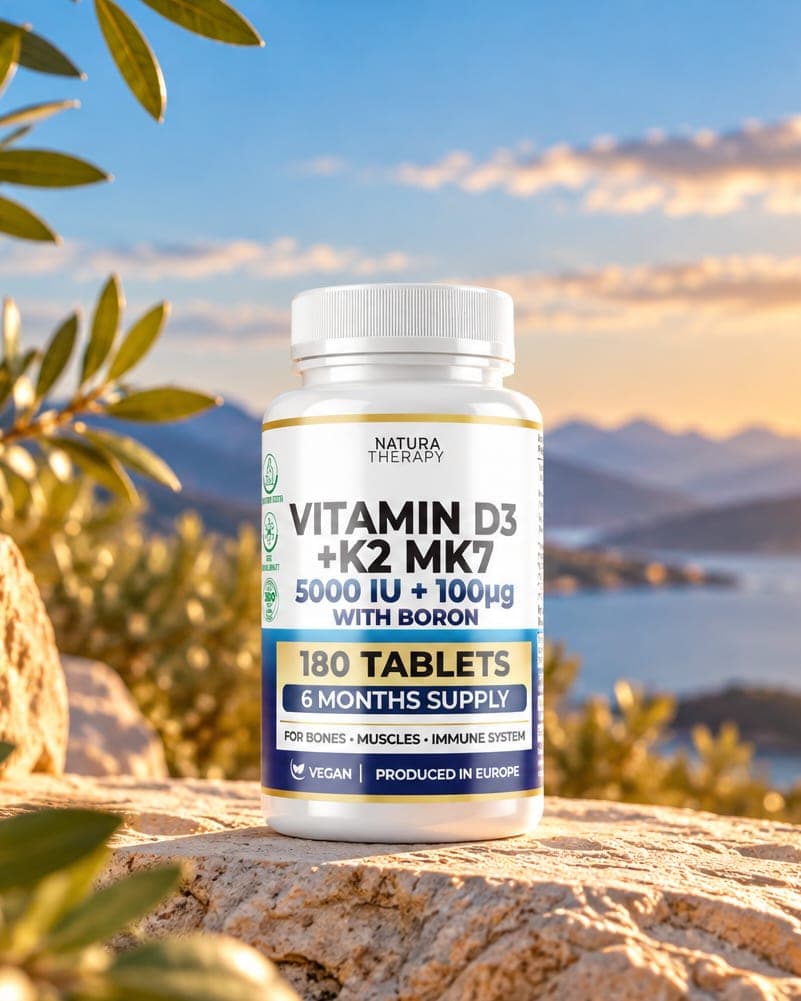
- Vitamin D — critical when there is little sun; deficiency is more common than is acknowledged. Check your levels if in doubt.
- Zinc — takes part in many enzymatic processes linked to the immune response; do not overdose long-term without advice.
- Selenium and other trace elements — from a varied diet (walnuts, seeds, fish) before high-dose tablets.
5–8: Plants and fruits
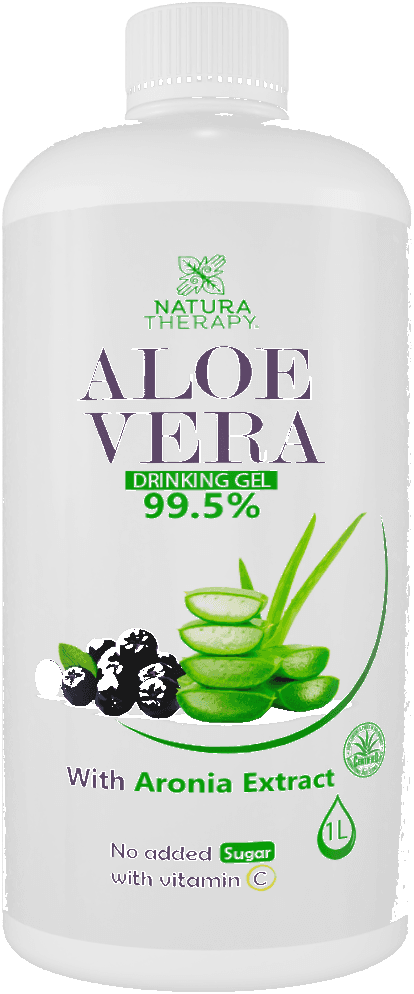
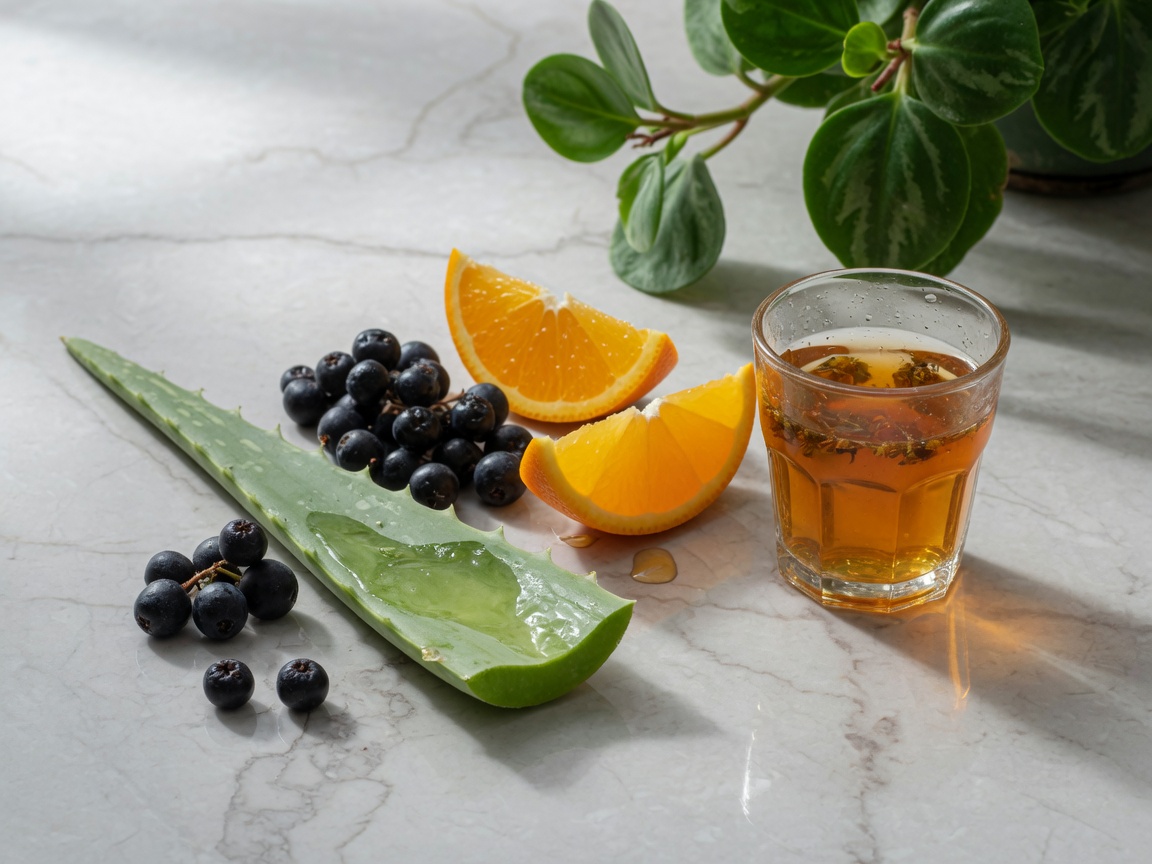
- Aloe vera — traditionally associated with digestive comfort and general vitality; in synergy with aronia: Aloe & Aronia.
- Aronia — a dark fruit with anthocyanins; part of the antioxidant profile of many formulas.
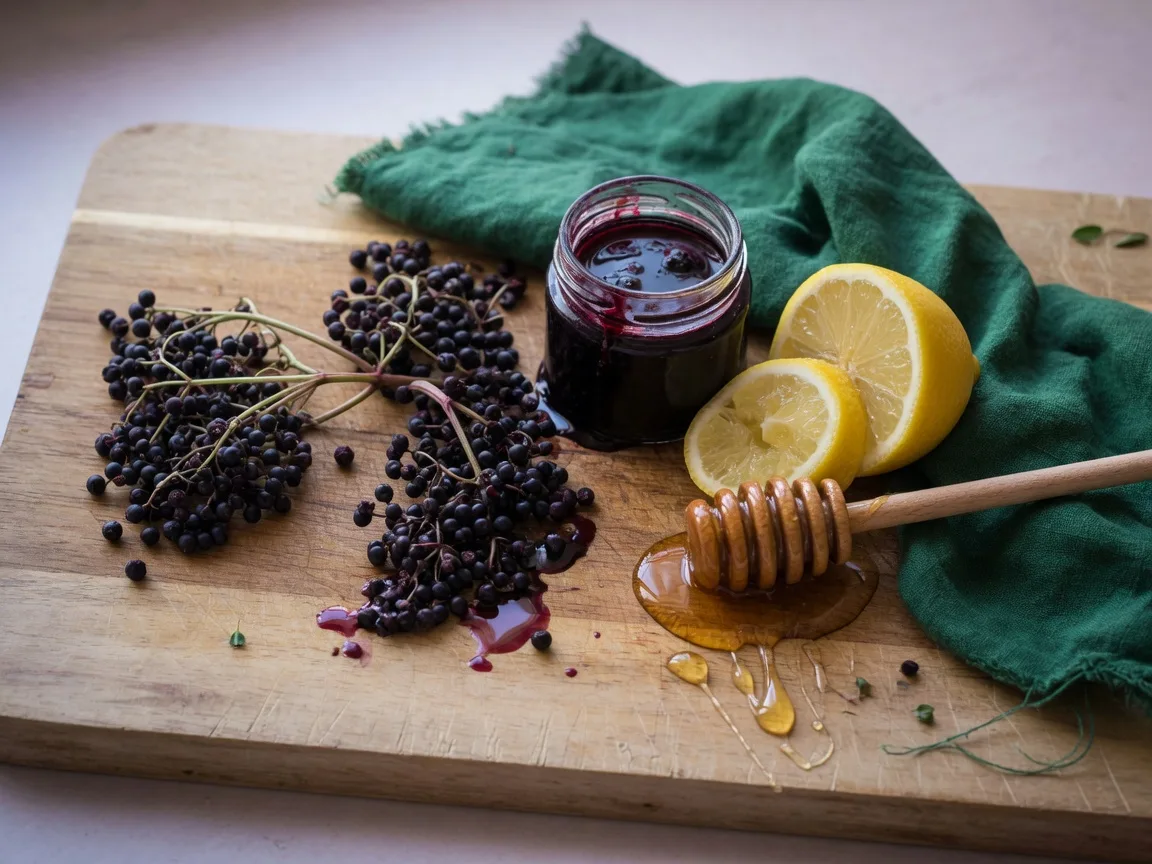
- Black elder (elderberry) — popular in the cold season; the choice of quality and dose matters.
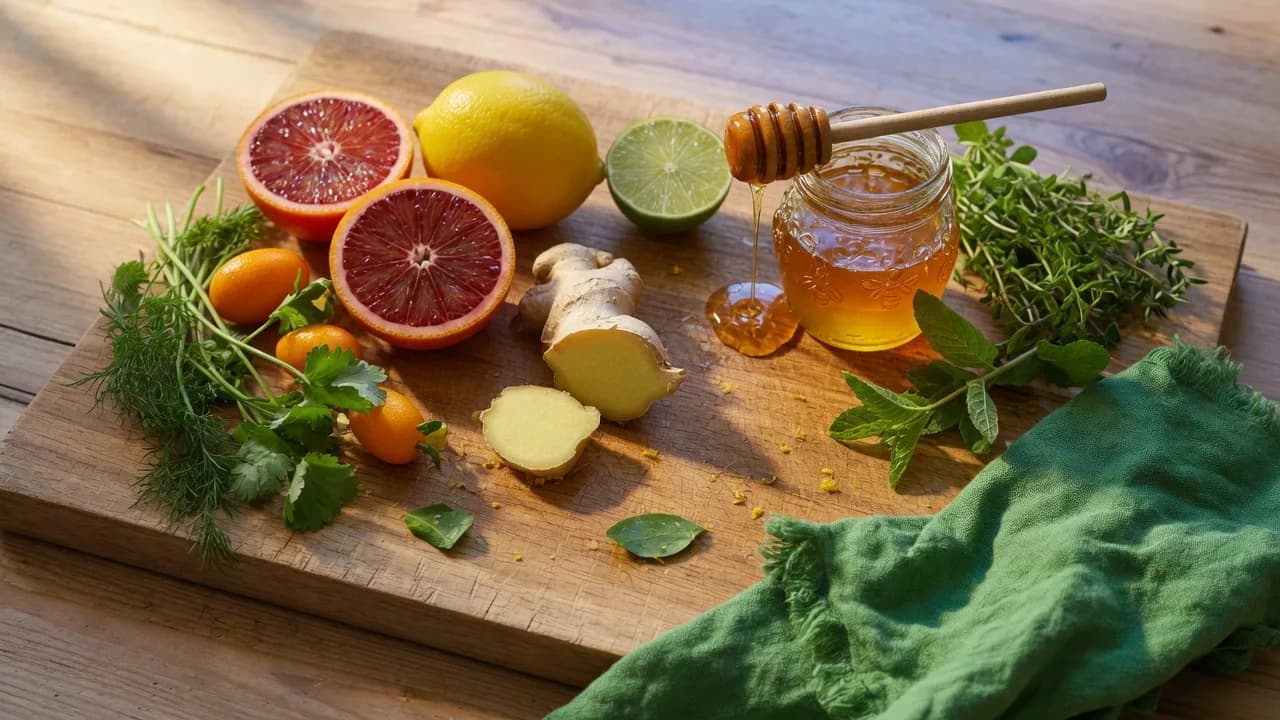
- Rose hips, citrus fruits, peppers — food sources of vitamin C “from nature,” not just from a bottle.
9–12: Mushrooms, adaptogens and routine
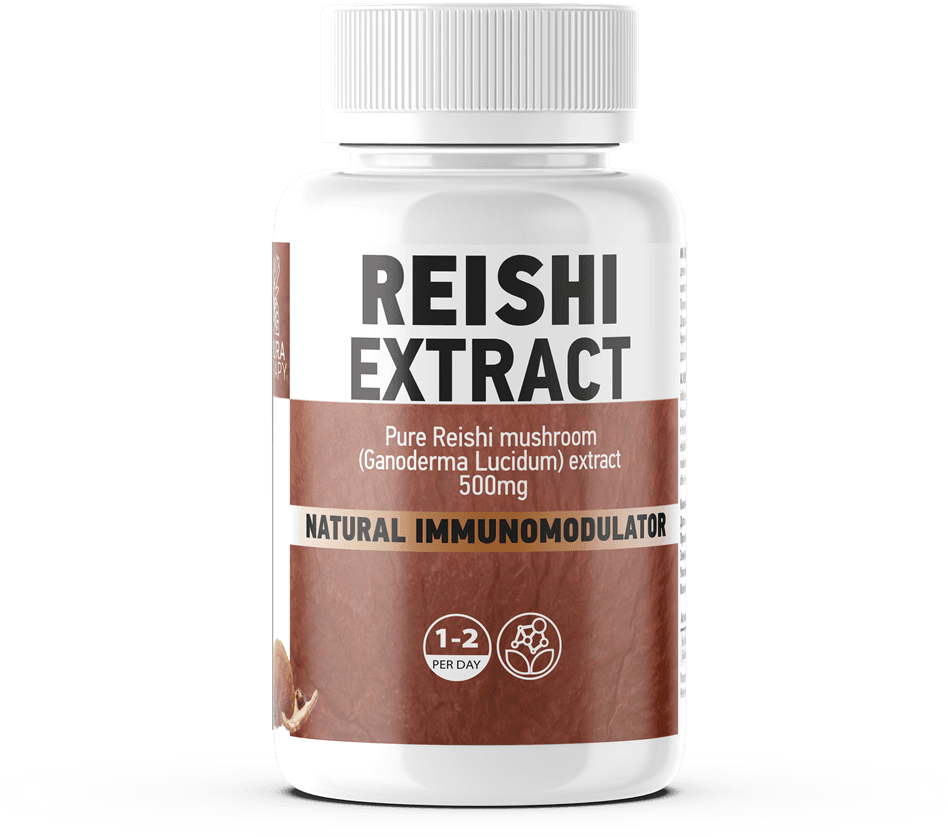
- Reishi (Reishi) — a mushroom sought after for immune and calming support; see Reishi extract.
- Adaptogens (e.g. ashwagandha) — an indirect benefit through coping better with the stress that “gnaws at” immunity.
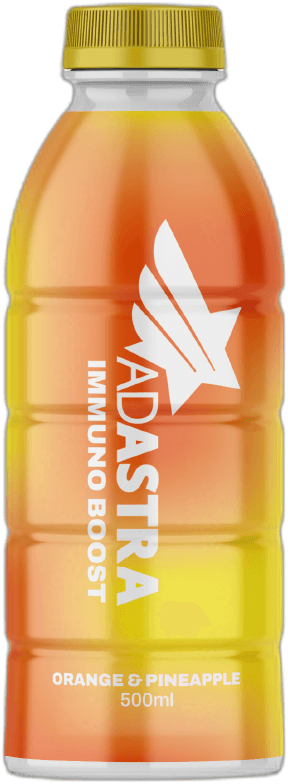
- Ready-made immune complexes — convenience when the formula combines several ingredients; example: Immuno Boost.
- Sleep, walks, hydration — the “free” aids without which 1–11 lose their strength.
How to put together a personal plan (without chaos)
- Start with 1–2 deficiencies (e.g. D + C), not with 8 products at the same time.
- Follow the doses on the label; more ≠ better.
- The link with diet: the supplement adds to the plate, it does not replace it.
- Children, pregnancy, autoimmune conditions — only with a doctor.
For an in-depth read on a popular combination, see aloe vera with vitamin C, D3, zinc and aronia. The products in the Immunity category are selected for everyday support according to the label.
Related: immunity in children. Category: Immunity.
Frequently asked questions
- What is the most important aid for immunity?
- For most people — sleep, food and movement. Among supplements, vitamins D and C are often considered where a need has been established, but the individual context decides.
- Can I combine Vitamin C Complex with Aloe & Aronia?
- Many adults do this as part of a routine, but keep track of your total intake of the ingredients and ask a pharmacist/doctor if in doubt. Do not double the doses.
- Is reishi suitable every day?
- It depends on the product, the dose and your state of health. With medicines (incl. immunosuppressants and anticoagulants) — a consultation is mandatory.
- How long should I take an immune supplement?
- Some are seasonal, others — everyday, according to the label. Reassess every 1–3 months: diet, tests, how you feel.
- Do supplements strengthen immunity “above the norm”?
- The goal is normal function and the correction of deficiencies, not “super” immunity. Excessive stimulation is not a healthy goal.
- Do natural aids cure infections?
- No. Food supplements and food do not replace antibiotics or other treatment prescribed by a doctor. With severe symptoms — medical help.
This article is for informational purposes and does not replace medical advice. Food supplements are not medicines. Consult a doctor before use, especially if you have a chronic illness, are pregnant or breastfeeding, or are taking medicines. Results are individual.