Antioxidants in the diet are molecules that help keep the balance with free radicals — by-products of breathing, the immune response, the sun, smoke and exertion. They are not an “anti-aging medicine,” and high doses from a bottle don’t cancel out smoking.
This article explains the role, the groups and how to fill your plate. Spirulina as a dense source is covered in benefits of spirulina. Turmeric: benefits and risks.
Free radicals: not just enemies
The body uses reactive oxygen species to kill pathogens and for cell signaling. The problem is a chronic excess — oxidative stress — when membranes, proteins and DNA are damaged faster than they are repaired. City life, lack of sleep, fried food and smoking raise the load. Training also creates radicals, but the adaptation that follows raises the body’s own defenses — that’s why athletes shouldn’t “douse” every effort with a megadose.
How antioxidants help
They donate an electron and break the chain reaction, or regenerate other antioxidants (vitamin C restores vitamin E). The endogenous systems (SOD, glutathione) are the first line; food feeds these systems with cofactors — zinc, selenium, copper — not just with “ORAC points.”
Carotenoids
Beta-carotene, lutein, zeaxanthin, lycopene — fat-soluble. Carrots, tomatoes with olive oil, leafy greens, watermelon. Lutein is interesting for the retina, not as a medicine for the eyes.
Polyphenols
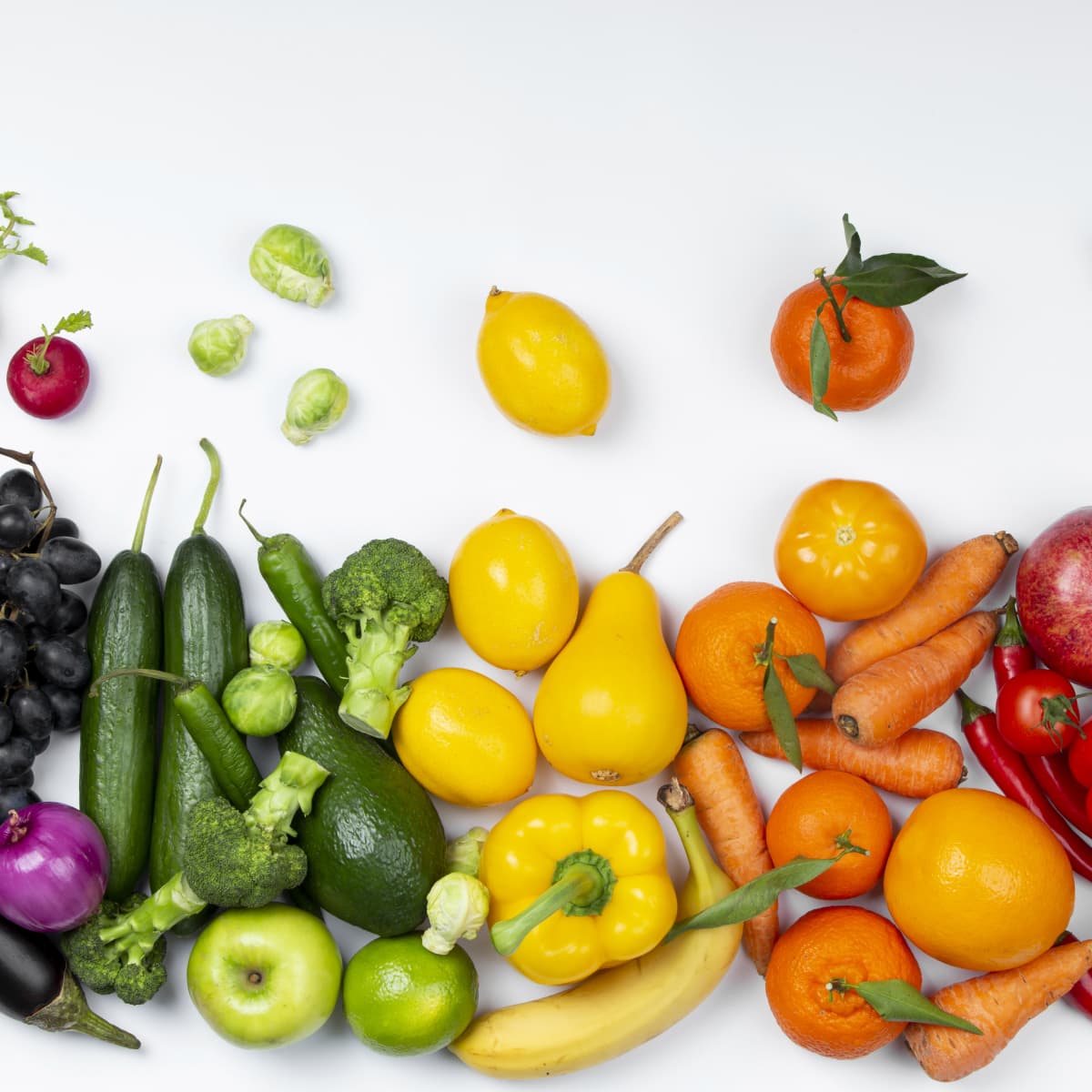
Anthocyanins (aronia, blueberries), catechins (green tea), resveratrol (grapes), curcumin, citrus bioflavonoids. A colorful plate brings more kinds than one “super” capsule.
Food before the bottle
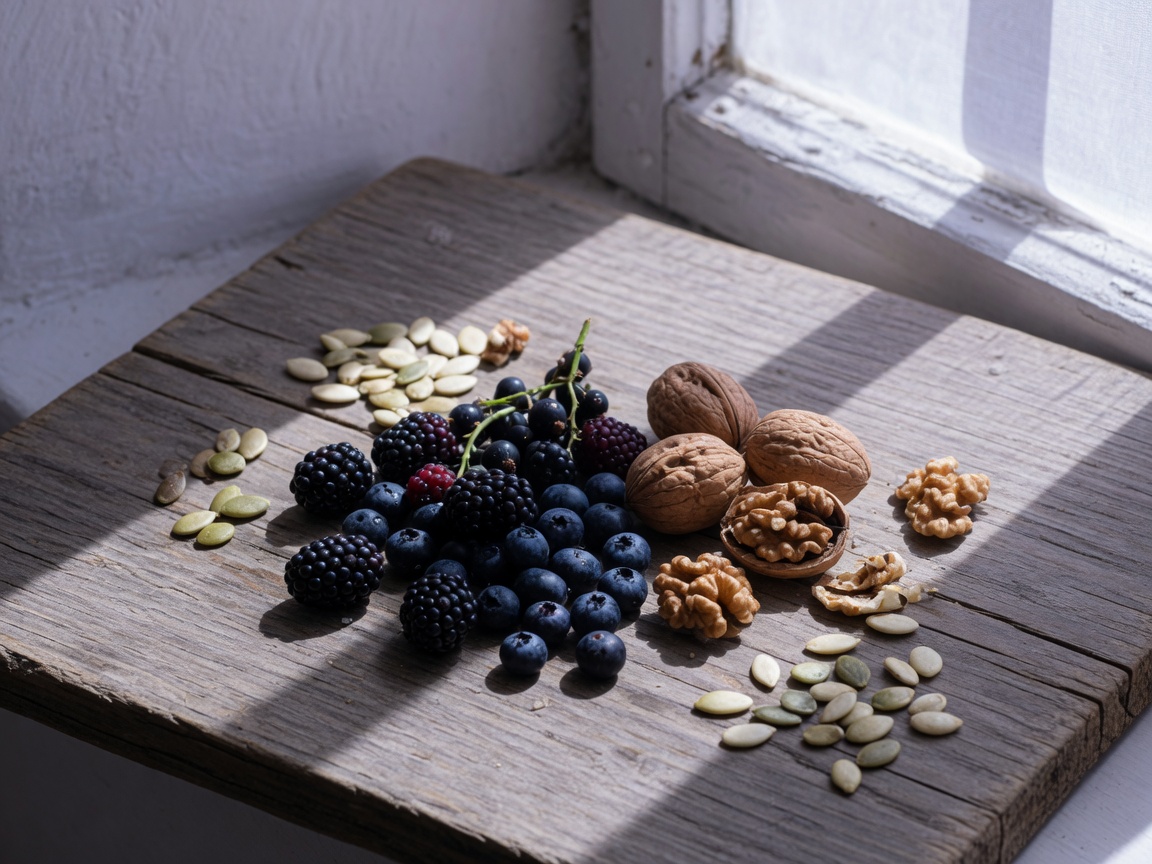
- Dark fruits, frozen if need be.
- Green tea instead of a third sweet coffee.
- Spices: turmeric with black pepper and fat; rosemary in the pan.
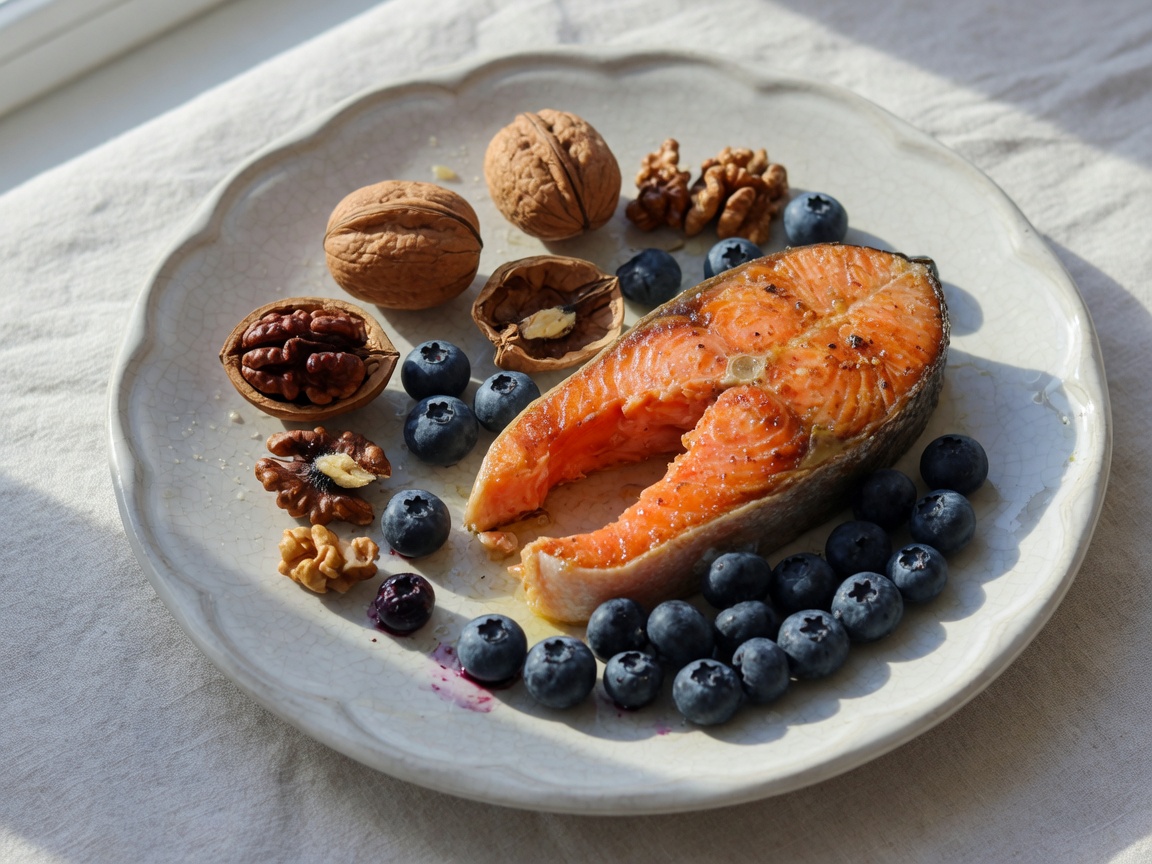
- Walnuts, seeds, olive oil — vitamin E.
- Peppers, kiwi, rose hips — vitamin C.
If your diet is narrow, formulas with polyphenols can be an extra layer — see the minerals and vitamins category. Don’t stack five antioxidants on the same day “for ORAC.”
Limits that advertising skips
In studies, megadoses of vitamin E or beta-carotene in smokers are not harmless. A high-dose antioxidant can interfere with the adaptation signal after training. “The strongest in the world” is marketing; variety wins.
Frequently asked questions
- What are the strongest antioxidants in food?
- Dark fruits, green tea, spices and colorful vegetables bring density. There is no single winner that replaces the plate.
- Should I take an antioxidant after every workout?
- A meal with fruit and vegetables is enough. High doses right after strength training can reduce adaptation.
- What is ORAC, and should I chase it?
- A laboratory index. It doesn’t predict what will happen in your body. Use it as a curiosity, not as a protocol.
- Can you have too many antioxidants?
- Yes, especially from supplements. Symptoms vary; interactions with medicines (anticoagulants) are real.
- Do antioxidants treat cancer or inflammation?
- No. They are part of the diet. Diseases are managed by a doctor.
This article is for informational purposes and does not replace medical advice. Food supplements are not medicines. Consult a doctor before use, especially if you have a chronic illness, are pregnant or breastfeeding, or are taking medicines. Results are individual.