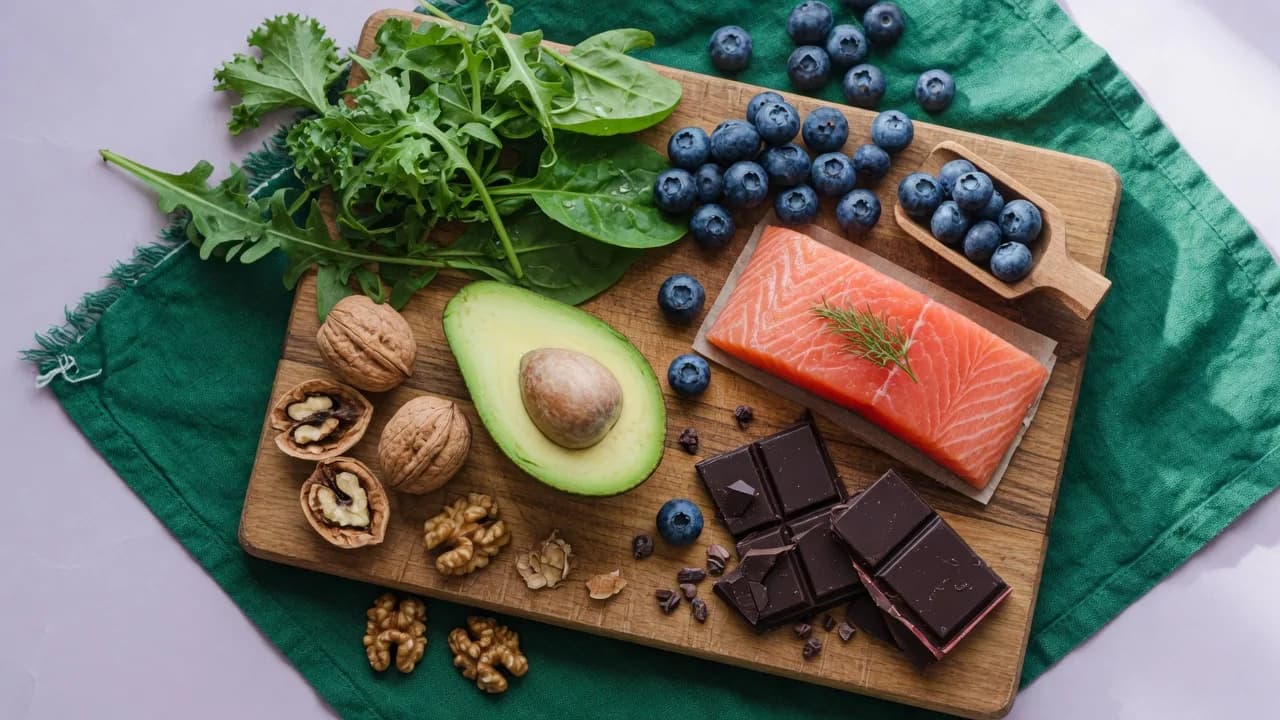
The brain uses about 20% of the body’s energy — and works better when the fuel is good quality. Superfoods for the brain are not magical “superfoods from the ads,” but ordinary products with a dense profile of omega-3, antioxidants, B-group vitamins, magnesium and polyphenols.
This article is a practical guide: what to put on the table more often, why the mechanism works and how to combine diet with movement, sleep and — when needed — carefully selected support from the Nervous system category.
Why diet affects memory and focus
Neurons depend on cell membranes (fats), mitochondria (energy) and protection from oxidative stress. A chronic lack of key nutrients, high glycemic chaos and constant stress “drain” the sense of clarity — even without a diagnosis.
- Omega-3 (DHA/EPA) — building blocks for the membranes of nerve cells.
- Antioxidants — help with the balance against free oxidative load.
- B vitamins and choline — linked to energy metabolism and neurotransmitters.
- Magnesium — involved in neuromuscular regulation and the feeling of “tension.”
13 superfoods for the brain (a practical list)
1–4. Omega and “brain” fats
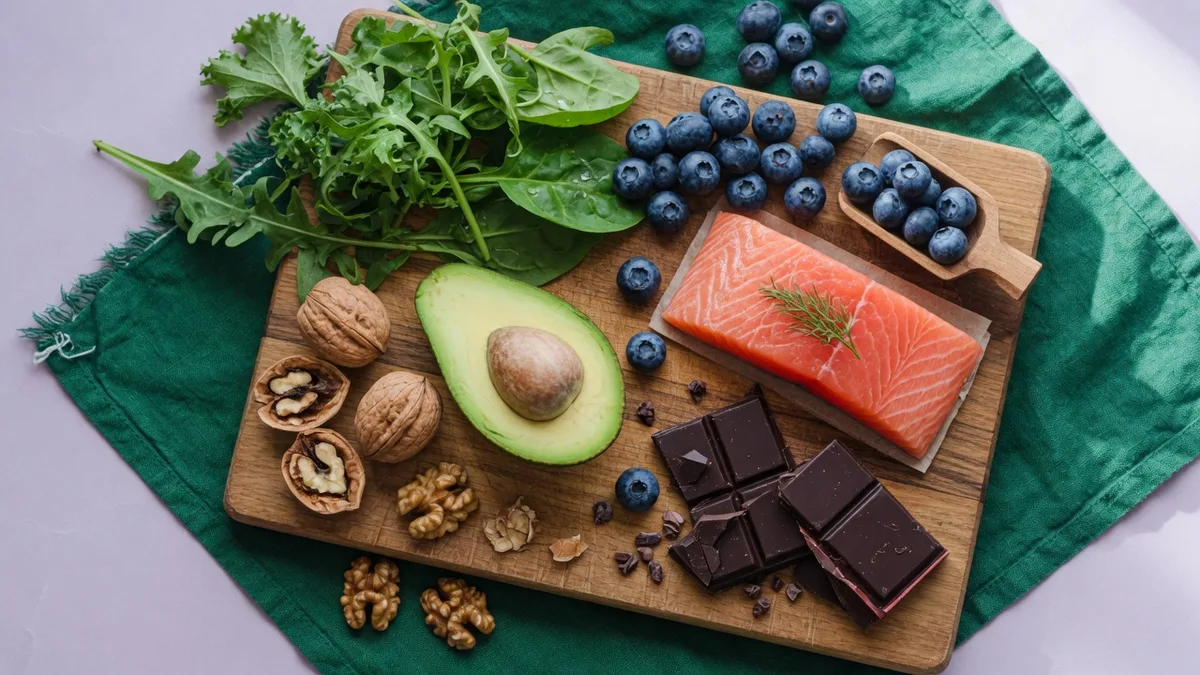
- Oily fish (salmon, mackerel, sardines) — DHA/EPA; 1–2 times a week, if you tolerate it.
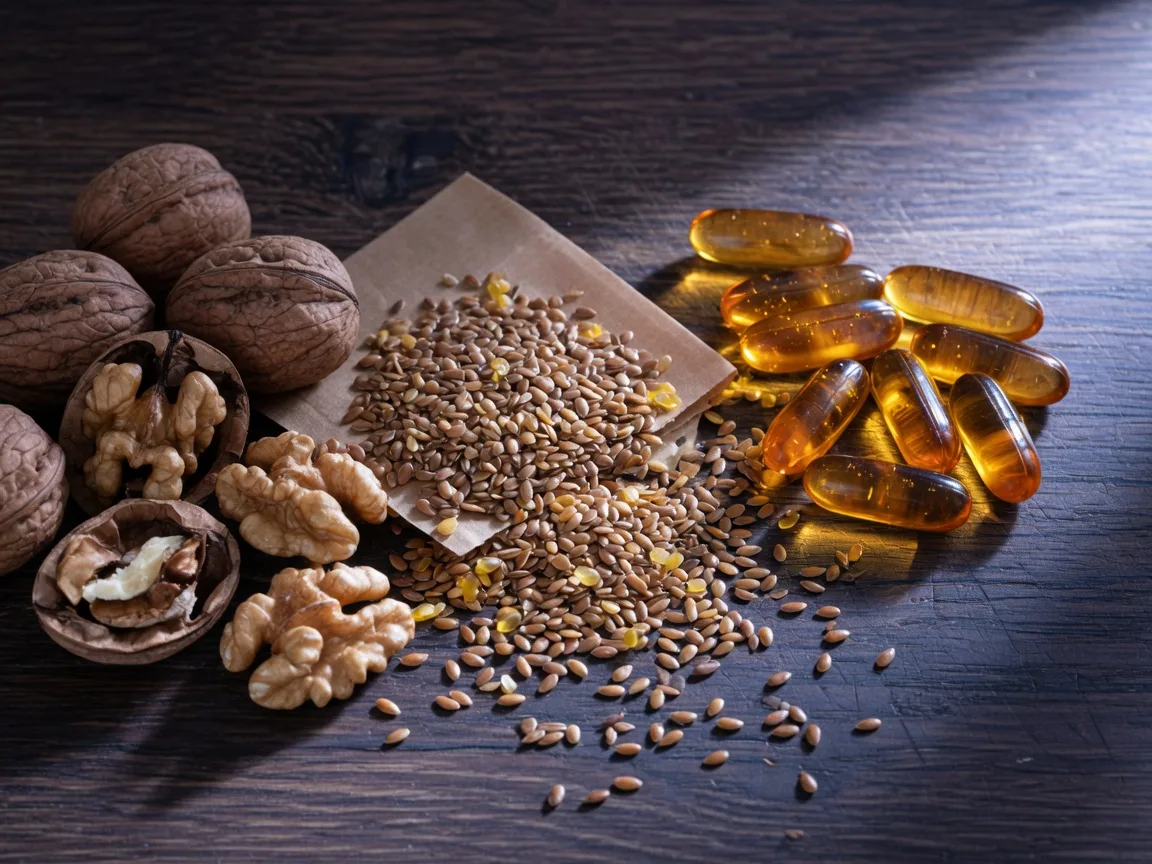
- Walnuts — plant omega and polyphenols; a handful as a snack.
- Flaxseed / chia seeds — ALA + fiber; ground, in yogurt or a smoothie.
- Avocado — monounsaturated fats and potassium; an easy addition to a salad.
5–8. Color, polyphenols, blood flow
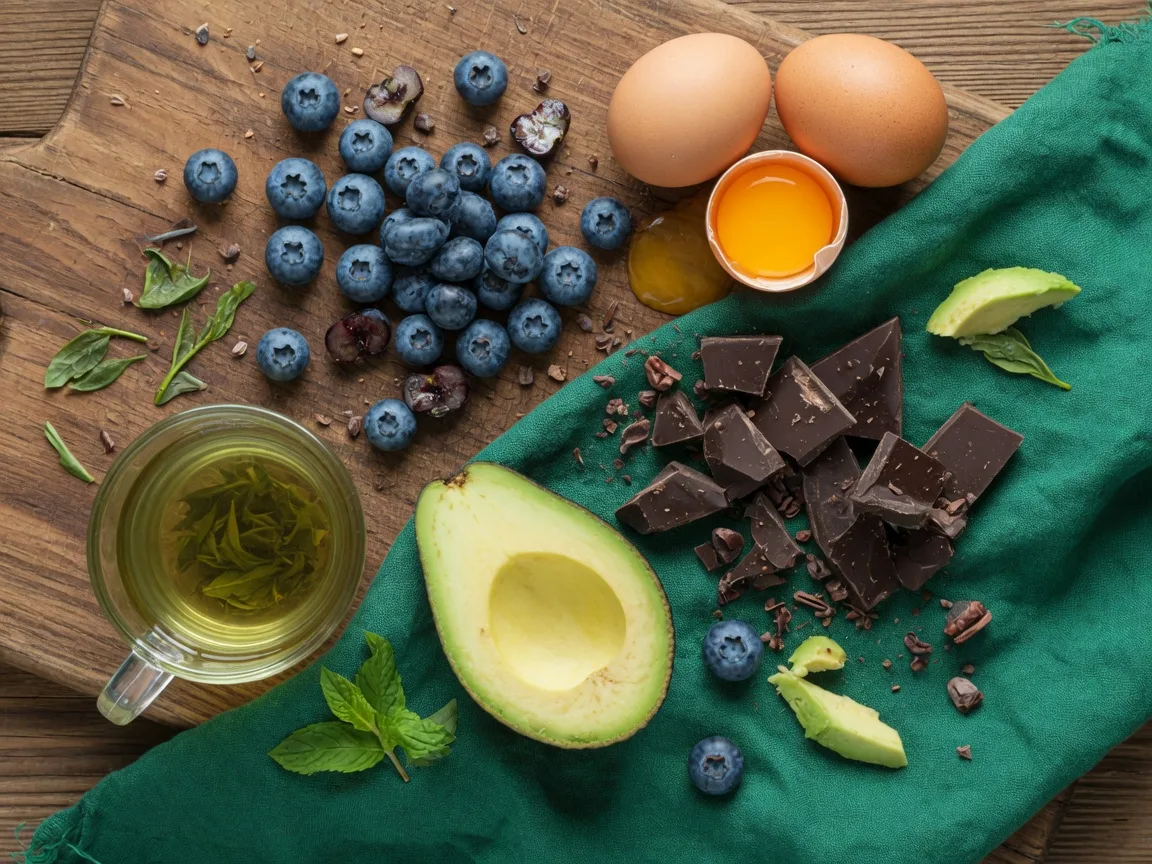
- Berries (blueberries, blackberries) — anthocyanins; frozen ones are practical.
- Dark chocolate (70%+) — flavanols; a small portion, not a whole bar.
- Leafy greens (spinach, kale) — folate, lutein, vitamin K.
- Tomatoes and peppers — lycopene and vitamin C; easy to fit into the local menu.
9–13. Energy, minerals, daily rhythm
- Eggs — choline and complete protein for a breakfast with a low glycemic jolt.
- Legumes (lentils, chickpeas) — slow carbs + iron and folate.
- Pumpkin seeds — zinc and magnesium; a handful instead of chips.
- Green tea — L-theanine + mild caffeine for “calm focus.”
- Turmeric / spices — curcumin in the context of a varied diet (with black pepper and fat).
How to fit them into your daily life
- Breakfast: eggs + leafy greens, or yogurt with berries and walnuts.
- Lunch: a salad with fish/legumes, avocado and colorful vegetables.
- Snack: a handful of seeds instead of sugary “energy” bars.
- Evening: a light portion, without a heavy sugar-and-flour spike before bed.
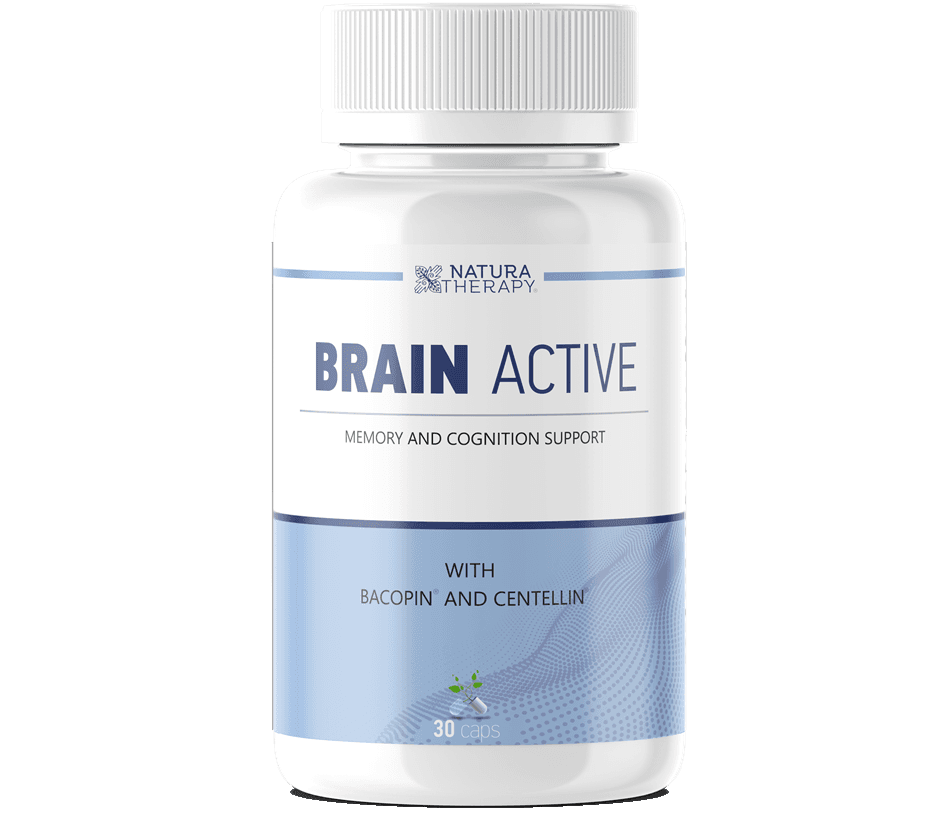
Diet is the foundation. When you are looking for additional support for memory and concentration, many people consider formulas such as Brain Active or go deeper into the topic in nootropics — natural support for the brain. For a feeling of tension and for muscle and nerve comfort, magnesium citrate is often included too — always according to the label and after an assessment with a doctor when needed.
What “superfoods” don’t replace
- Chronic sleep deprivation — no plate makes up for 5 hours of sleep.
- Constant overstimulation from screens and coffee without breaks.
- Medical conditions that require diagnosis — not just a menu.
Related: natural nootropics. Category: Brain and nervous system.
Frequently asked questions
- What are the most important brain superfoods for beginners?
- Start with 4 pillars: oily fish or plant sources of omega, walnuts/seeds, wild berries and leafy greens. Add gradually, instead of buying “everything at once.”
- Do I need a supplement if I eat “clean”?
- Not always. Supplements make sense with an established deficiency, a limited menu or increased needs — based on an assessment, not on fashion.
- How often should I eat oily fish?
- For many adults 1–2 times a week is a realistic goal; alternatives are algae/omega formulas, as directed on the label and by a doctor.
- Is coffee a “brain superfood”?
- Caffeine helps alertness, but taking it late ruins sleep. Water, protein and a break often do more than the third coffee.
This article is for informational purposes and does not replace medical advice. Food supplements are not medicines. Consult a doctor before use, especially if you have a chronic illness, are pregnant or breastfeeding, or are taking medicines. Results are individual.