
Collagen is the most abundant protein in the body — a scaffold for skin, bones, cartilage, fascia and tendons. When people search for “collagen fascia tendons,” they usually want better mobility, less of a feeling of “tightness” after sport or with age, and a smarter plan than “just drink a powder.”
This article explains the role of collagen in connective tissue, how loading and nutrition affect it, and where supplements fit in — with links to Joints and bones and the in-depth guide All about collagen.


What fascia is and why it matters
Fascia is a web of connective tissue that “wraps” the muscles and organs. It transmits force, takes part in proprioception (the sense of your body in space) and can feel tight with immobility, stress or repetitive loading.
- Movement — fascia likes variety: walking, stretching, rotation.
- Hydration — tissues “glide” better on a good water and electrolyte base.
- Loading — progressive loading stimulates remodeling; excessive loading without recovery — the opposite.
Tendons: strength that builds slowly
Tendons connect muscle and bone. They are rich in type I collagen and adapt more slowly than muscle. That’s why a “jump” in the weights at the gym often irritates the tendon attachment points before the muscle is ready.
Practical principles
- Progress in steps of 5–10%, not doubling in a week.
- Eccentric and isometric exercises under a specialist’s guidance.
- Enough protein in your diet (not just “collagen on an empty stomach”).
- Sleep and managing the inflammatory load (tobacco, chronic lack of sleep).

Collagen types — a simplified map
- Type I — skin, tendons, bones, fascia (the most abundant).
- Type II — more typical of cartilage.
- Type III — often together with type I in skin and blood vessels.
Dietary collagen peptides are hydrolyzed for easier absorption; the body breaks them down into amino acids and peptides. They don’t guarantee “new collagen right in the knee,” but they can be part of a strategy together with vitamin C, protein and loading.
Nutrition that supports synthesis
- Vitamin C — a cofactor in collagen synthesis.
- Complete protein — meat, fish, eggs, dairy, legumes + grains.
- Copper, zinc — trace elements in enzyme pathways (no self-prescribed megadoses).
- Colorful vegetables — an antioxidant environment for recovery.

Supporting products (not a replacement for rehabilitation)
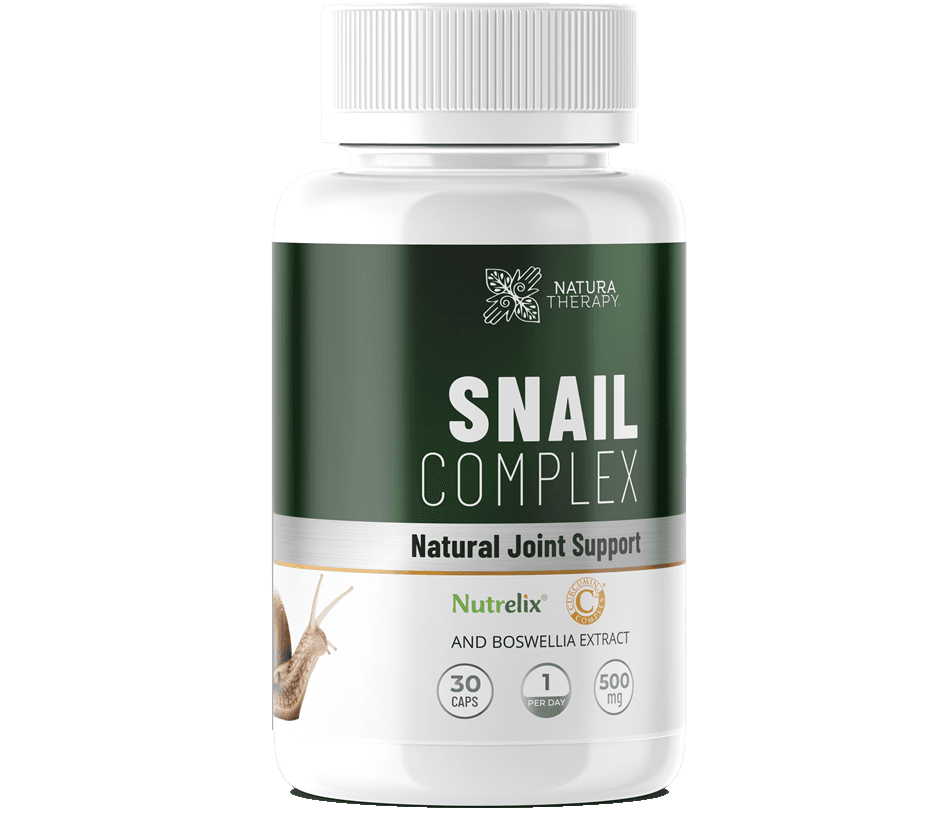
If you’re looking for a convenient hydrolysate, see Collagen Peptides. For joint formulas with a plant/extract profile, many customers also consider Snail Complex. The broader context is in the Joints and bones category; for collagen basics — the complete guide to collagen.
With acute trauma, swelling, a locked joint or severe pain — an orthopedist / physical therapist, not just a supplement.
Related: collagen handbook. Category: Bones and joints.
Frequently asked questions
- Does collagen directly help fascia and tendons?
- Collagen is the main structural protein in these tissues. A supplement, however, doesn’t automatically “target” one spot; the benefit is part of a bigger picture: loading, protein, vitamin C, recovery.
- Tendon pain = a lack of collagen?
- Not necessarily. Causes include overload, technique, age, metabolic factors and more. An assessment is needed, especially with persistent or worsening pain.
- When should I take collagen peptides?
- Follow the label. Many people take them daily with a liquid; some combine them around training. What matters more is consistency + total protein intake.
- What is the difference between Collagen Peptides and Snail Complex?
- Collagen Peptides is hydrolyzed collagen (peptides). Snail Complex is a formula with an extract/complex, positioned for joint care. The choice depends on your goal and preferences; compare the labels.
- Can I replace training with collagen?
- No. Mechanical loading is a key signal for the remodeling of tendons and fascia. A supplement is support, not a replacement for movement and rehabilitation.
This article is for informational purposes and does not replace medical advice. Food supplements are not medicines. Consult a doctor before use, especially if you have a chronic illness, are pregnant or breastfeeding, or are taking medicines. Results are individual.