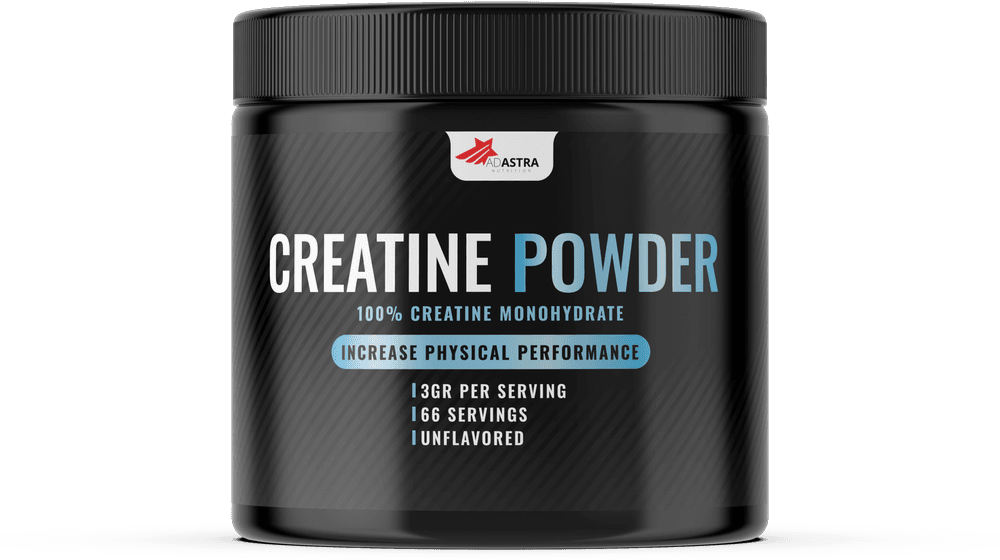

Creatine vs. protein is the classic gym debate — but the comparison is partly wrong. They are not interchangeable: protein is building material, creatine is an energy buffer for short, intense efforts. You can take both; the question is what you need now.
Below: mechanisms, when to use which, combining them, and links to Adastra Nutrition, creatine monohydrate and 100% Whey Protein.
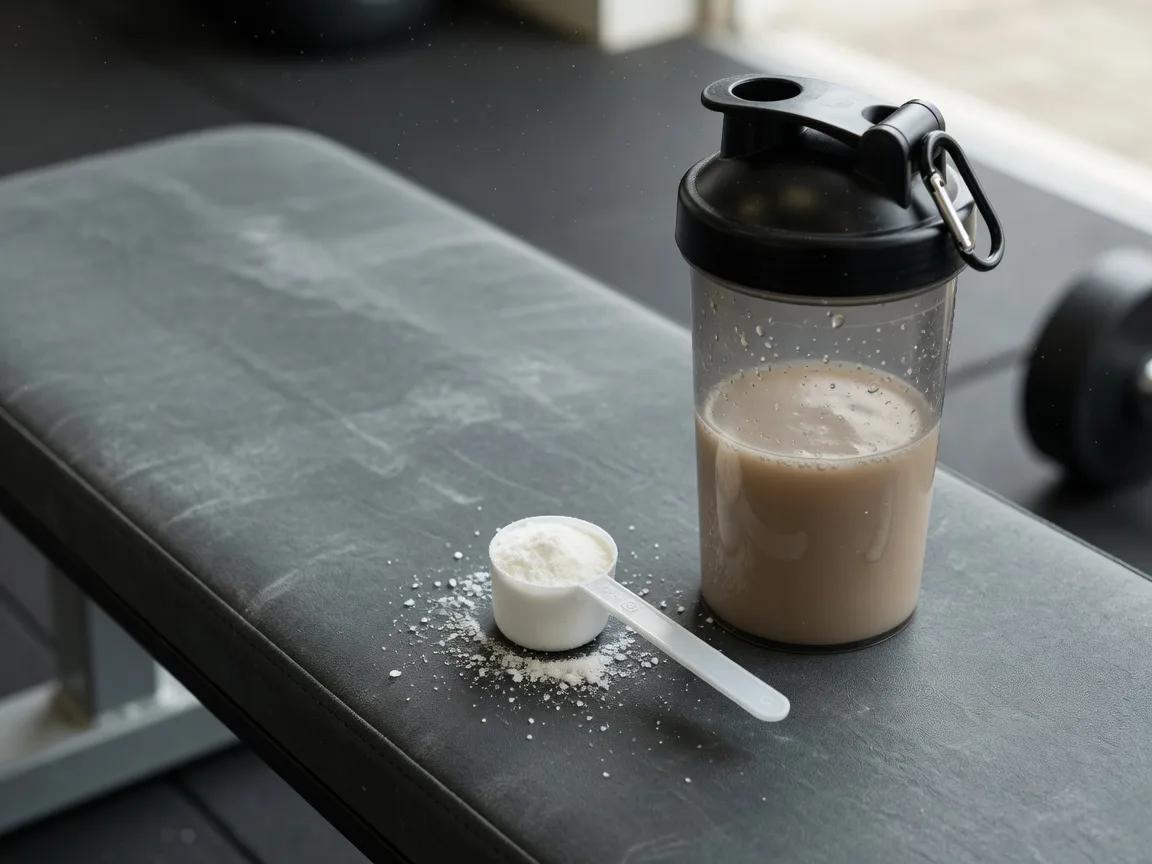
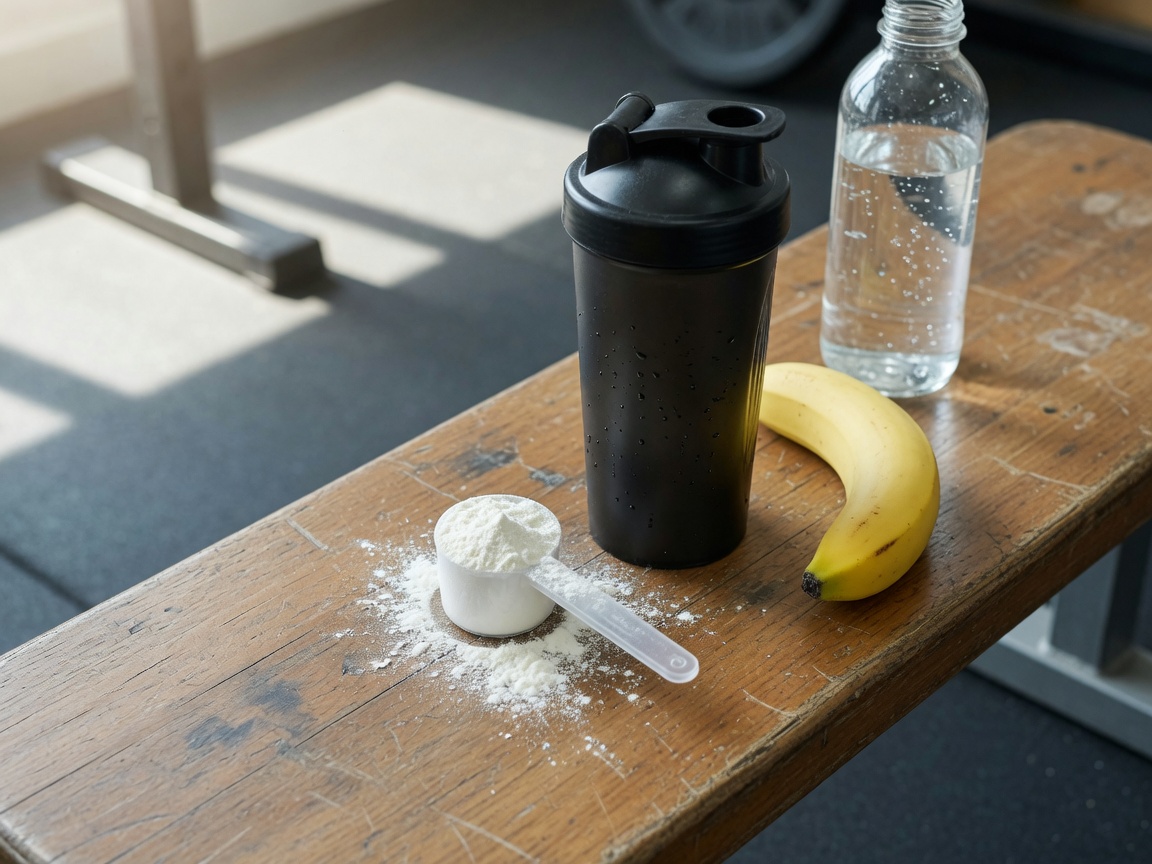
What protein does
Protein is broken down into amino acids — building blocks for muscles, enzymes, hormones and recovery. Whey protein is a convenient, quickly digestible source, especially when food does not cover your needs.
- Goal: total protein intake (often ~1.6–2.2 g/kg in strength athletes — it varies from person to person).
- Strengths: satiety, convenience after training, control over your diet.
- It is not: a substitute for a varied diet or for sleep.
What creatine does
Creatine monohydrate increases phosphocreatine stores in the muscle — fuel for efforts lasting seconds (sprints, heavy sets). Numerous studies link it to improved strength and work in the gym with regular intake; it is not a stimulant like caffeine.
- Goal: strength, power, training volume, and sometimes cognitive interest in the literature.
- A typical approach: a daily maintenance dose per the label (often ~3–5 g); “loading” is not required.
- Water: it can retain intracellular water in the muscle — that is not “bad bloating” by definition.

Creatine vs. protein: a direct comparison
- Mechanism: creatine = energy (ATP resynthesis); protein = building-block amino acids.
- Taste / form: creatine is an almost tasteless powder; protein is a flavored shake.
- Timing: creatine — every day (even on rest days); protein — when you need to supplement your diet.
- Vegans: creatine is especially interesting (meat is the main dietary source); protein — plant-based blends.
- Budget: creatine is often cheaper per serving; protein covers calories + protein.
Can I combine them?
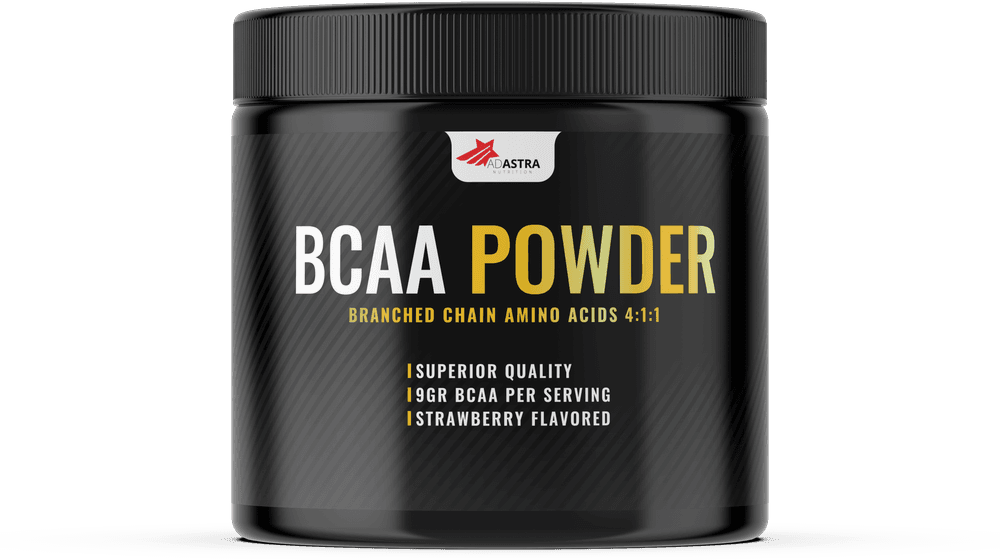
Yes. There is no fundamental incompatibility. A classic scenario: a protein shake around training + 3–5 g of creatine daily (in the shake or separately). Add BCAA only if your diet is low in essential amino acids or you train on an empty stomach — with enough complete protein, BCAA are rarely “mandatory.”
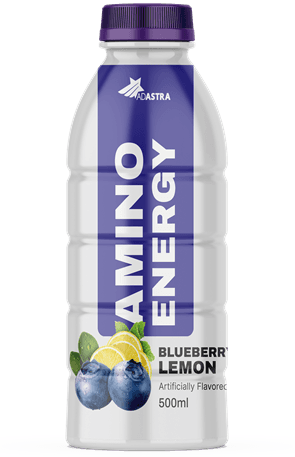
For energy, endurance and recovery during demanding periods, some also include Amino Energy — read the composition (caffeine, etc.) and the time of intake.
Who should choose what first
- Your eating is chaotic, protein is low → priority: protein / diet, then creatine.
- Your diet is fine, but your sets “die” quickly → creatine monohydrate is the logical next step.
- Strength training + calorie control → often both; creatine does not “ruin the diet.”
- Kidney / medical restrictions → only after consulting a doctor; blood tests as recommended.
Browse the Adastra Nutrition line: Creatine Monohydrate, Whey chocolate, BCAA and Amino Energy.
Typical mistakes
- Expecting creatine to “build muscle” without progression in the gym.
- Replacing all meals with shakes only.
- Skipping creatine on rest days (stores drop without daily intake).
- Megadoses “for a faster effect” — the excess is excreted; follow the label.
Related: BCAA or creatine. Category: Adastra Nutrition.
Frequently asked questions
- Creatine or protein — which is more important?
- It depends on the shortfall. If you are not covering protein from food, protein is more fundamental. If your protein is fine, creatine often makes a more noticeable difference in strength sets.
- Can I mix creatine into my protein shake?
- Yes, that is a convenient habit. What matters for creatine is the total daily intake, not the perfect hour down to the minute.
- Is creatine suitable for women?
- Yes, the mechanism is the same. Some women worry about the weight on the scale due to water in the muscle — that is not fat. During pregnancy/breastfeeding or with medical conditions — see a doctor.
- Do I need BCAA if I take whey?
- Whey protein already contains BCAA. Separate BCAA make sense mainly with low total protein or specific protocols — they are not mandatory for everyone.
This article is for informational purposes and does not replace medical advice. Food supplements are not medicines. Consult a doctor before use, especially if you have a chronic illness, are pregnant or breastfeeding, or are taking medicines. Results are individual.