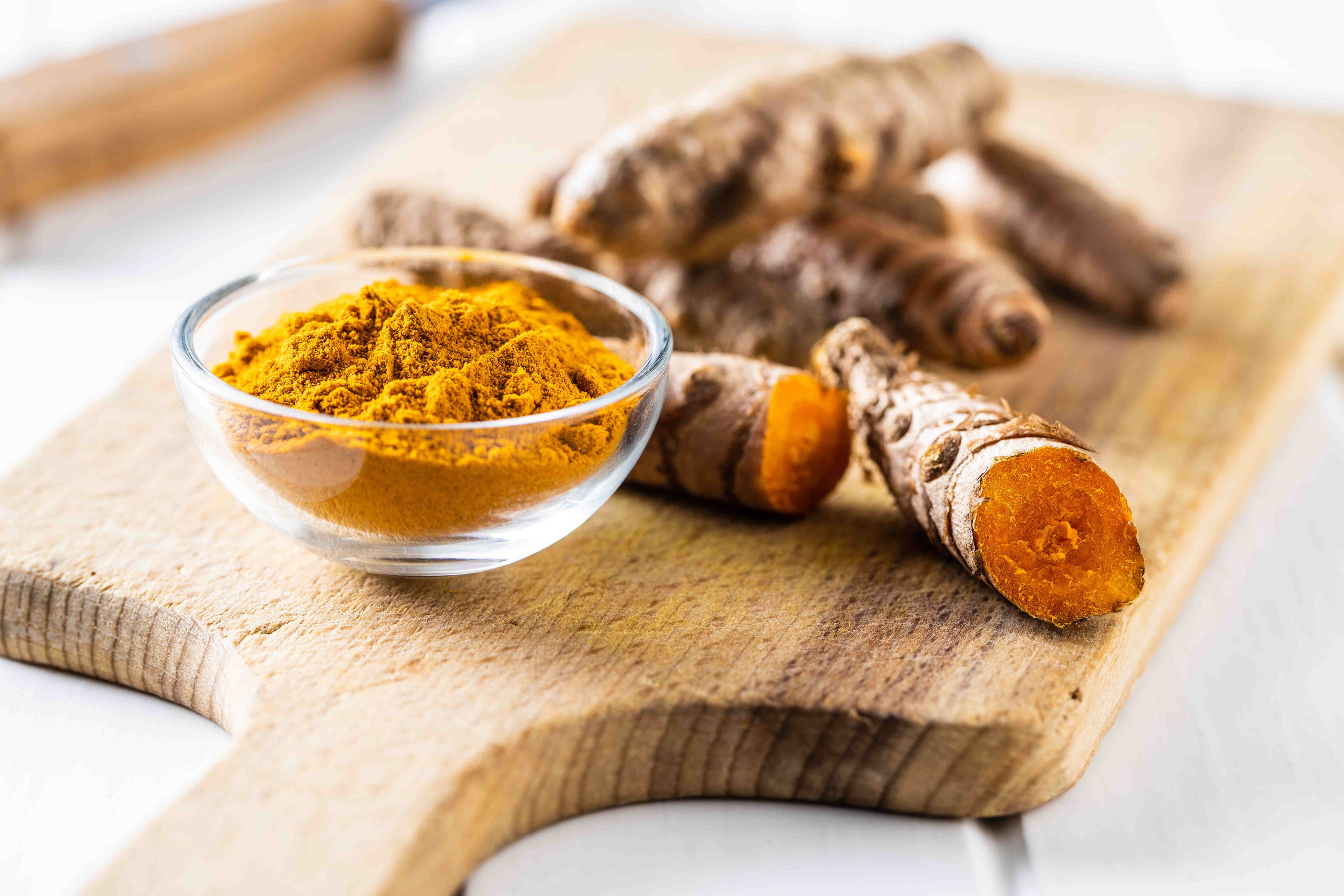
Curcumin is a yellow polyphenol from the root of turmeric (Curcuma longa). For centuries it has been part of cooking and of the Ayurvedic tradition. In recent decades, labs have taken an interest in it for antioxidant and anti-inflammatory reasons — liver, joints, metabolism, brain. That is legitimate scientific curiosity.
The old title of this text promised that the potential was “finally confirmed” and that curcumin “is successfully used in the treatment of cancer.” That is not accurate as a clinical statement. Curcumin is not a cancer medicine. It does not replace the surgeon, radiation or chemotherapy. If you are reading about the prostate, the right path is prostate cancer: symptoms and diagnosis and a urologist, not a syrup.
This article is for informational purposes and does not replace oncology advice. Food supplements are not medicines and do not treat, prevent or diagnose cancer. Do not stop hospital treatment to drink turmeric. Consult a doctor before taking a supplement, especially during chemotherapy or if you take blood thinners.
What has actually been described in the lab
In cells and animal models, curcumin is linked to oxidative stress and to signaling pathways that regulate cell division and programmed cell death. Tumor-suppressor axes such as p53 and related networks (incl. Rb/E2F) are mentioned. There are reviews on the colon, breast and other tissues. These are preclinical and early clinical data.
Getting from a Petri dish to a human requires a dose that reaches the tissue, safety alongside standard therapy and large trials with hard outcomes — survival, recurrence, quality of life. Such confirmation as a standard of care does not exist. Saying that “leading clinics already include curcumin as a treatment” is an exaggeration.
Why absorption is the whole problem
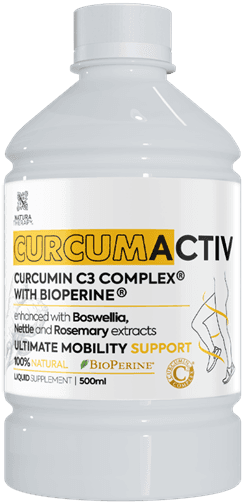
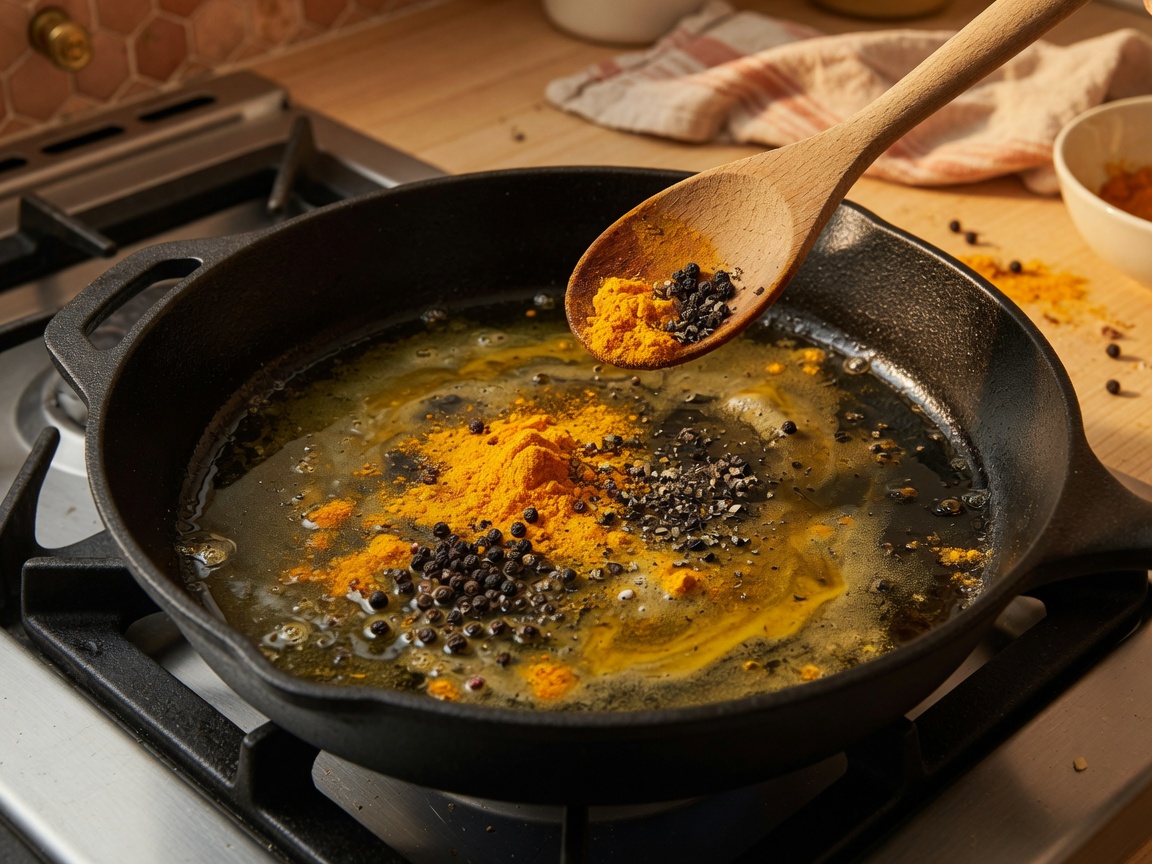
Pure curcumin is poorly absorbed and quickly metabolized. That is why formulas add piperine (black pepper extract) or use standardized complexes. In the literature, the combination with Bioperine® is linked to several-fold higher bioavailability in the blood — that is pharmacokinetics, not proof that a tumor regresses.
A liquid product such as Curcumactiv (Curcumin C3 Complex® + Bioperine®) is a supplement for support with inflammatory discomfort in the joints and back, as intended on the label. It is not an oncology medicine and we do not advertise it as one.
Where turmeric has a more modest, more honest role
- as a spice in food — a safe culinary intake for most people;
- as a supplement for general anti-inflammatory comfort, if the doctor sees no interaction;
- as a topic to discuss with an oncologist alongside therapy, never instead of it.
For prostate complaints that are not cancer, herbs are a different shelf: support for prostate problems and Men’s health.
Safety and interactions
Culinary amounts are well tolerated. Concentrated extracts can cause stomach discomfort, affect gallstones in predisposed people and interact with anticoagulants. During chemotherapy or radiation, do not add high doses without an oncologist — antioxidants can, in theory, interfere with the mechanism of some therapies.
How to read headlines about “anti-cancer potential”
- Is it a study in cells, mice or humans?
- How many participants, and is there a control group?
- Is the outcome a blood marker or a real clinical result?
- Is the author selling a product in the same text?
If the four answers are weak, the headline is loud; the evidence is not.
How to talk to an oncologist about curcumin
Bring the box — don’t just say “something yellow.” Ask three things: does it overlap with my chemotherapy or hormone therapy; should I pause it before surgery; does it make any sense at all at my stage. If the answer is “not now,” that is not an insult to tradition — it is safety.
Don’t quote all-caps headlines. Do say that you are aware the data are mostly from the lab. A doctor finds it easier to talk with an informed patient than with someone who stopped an infusion to drink a spice.
If you have been cleared to take a supplement for joint discomfort while you are in remission or off active therapy, follow the label of Curcumactiv and call if you notice unusual bleeding, severe stomach complaints or jaundice. Culinary turmeric in food remains an option for almost everyone, unless your care team says otherwise.
For men reading this out of fear of prostate cancer: the most useful step is an appointment to talk about PSA and family history, not a yellow syrup. Pick up the phone before you pick up a shopping basket.
Frequently asked questions
- Does curcumin cure cancer?
- No. It has no regulatory approval as an anti-cancer medicine, nor any proof that it replaces standard treatment.
- Then why are there so many papers?
- Because the molecule is interesting in vitro. Interest is not the same as therapy.
- Can I drink it while I’m on chemotherapy?
- Only if your oncologist says yes. Don’t start on your own.
- Is Curcumactiv for the prostate?
- Its intended use is inflammatory discomfort, not oncology and not BPH as a first line.
- Does culinary turmeric help?
- As part of a varied diet — yes, as a spice. As a medicine — no.
- What if I have a family history of prostate cancer?
- Go and talk to a doctor about screening. Don’t stock up on antioxidants instead of a PSA test and a checkup.
- Does “20 times higher absorption” mean a 20 times better effect against disease?
- No. It means more of the molecule in the blood under pharmacokinetic conditions. The clinical outcome is a separate question.
This article is for informational purposes and does not replace medical advice. Food supplements are not medicines and do not cure cancer. Consult a doctor or oncologist. Results vary from person to person.