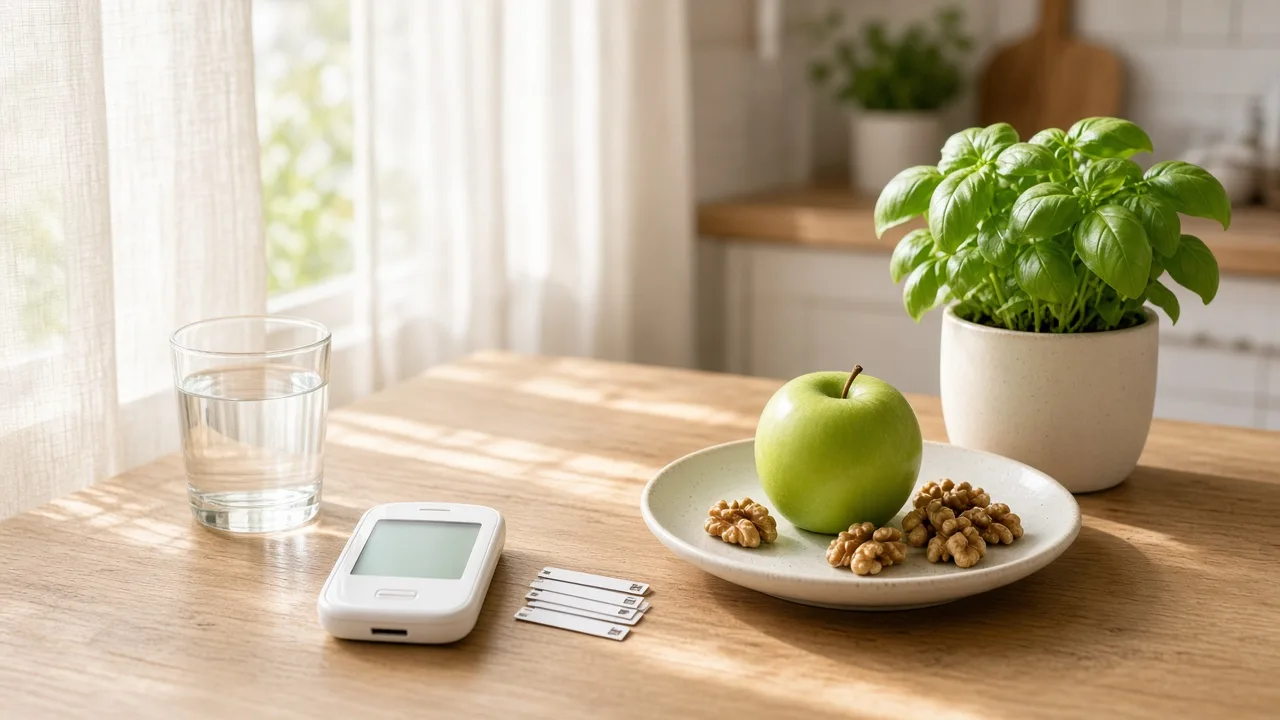
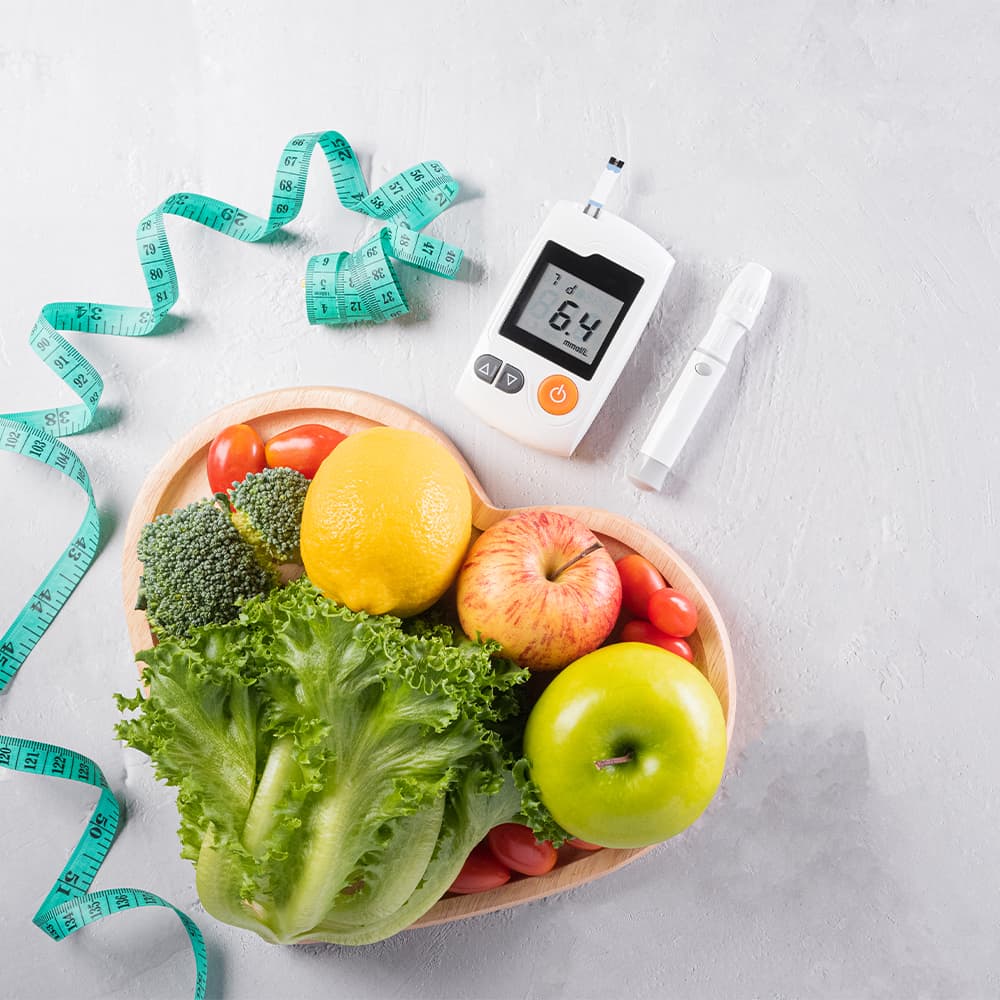
The search for “herbs for lowering blood sugar” is understandable. Spices and plants are part of cooking and of folk practice. It is just as important to be accurate: no herb is a medicine for diabetes, and none replaces prescribed therapy, the glucose meter or the checkup.
This article is for informational purposes and does not replace medical advice. Food supplements are not medicines. Consult a doctor before use, especially if you have a chronic illness, are pregnant or breastfeeding, or are taking medicines. Results are individual.
Below are ten plants that are often mentioned in connection with glucose. We look at them as kitchen and traditional support. The evidence is mixed, the doses in studies are not the same as the teaspoon in your tea, and some herbs interact with medicines.
How to read “herbs for sugar”
- A kitchen dose (spice, tea) is not the same as a standardized extract.
- If you are on insulin or tablets that can lower glucose, tell your doctor about every new herb.
- One change at a time. If you add five teas at the same time, you won’t know what does what.
- During pregnancy, breastfeeding, liver or kidney disease — no concentrated extracts on your own initiative.
For the daily framework of meals and measuring, see how to maintain a normal glucose level and the guide Type 2 diabetes without myths.
1. Cinnamon
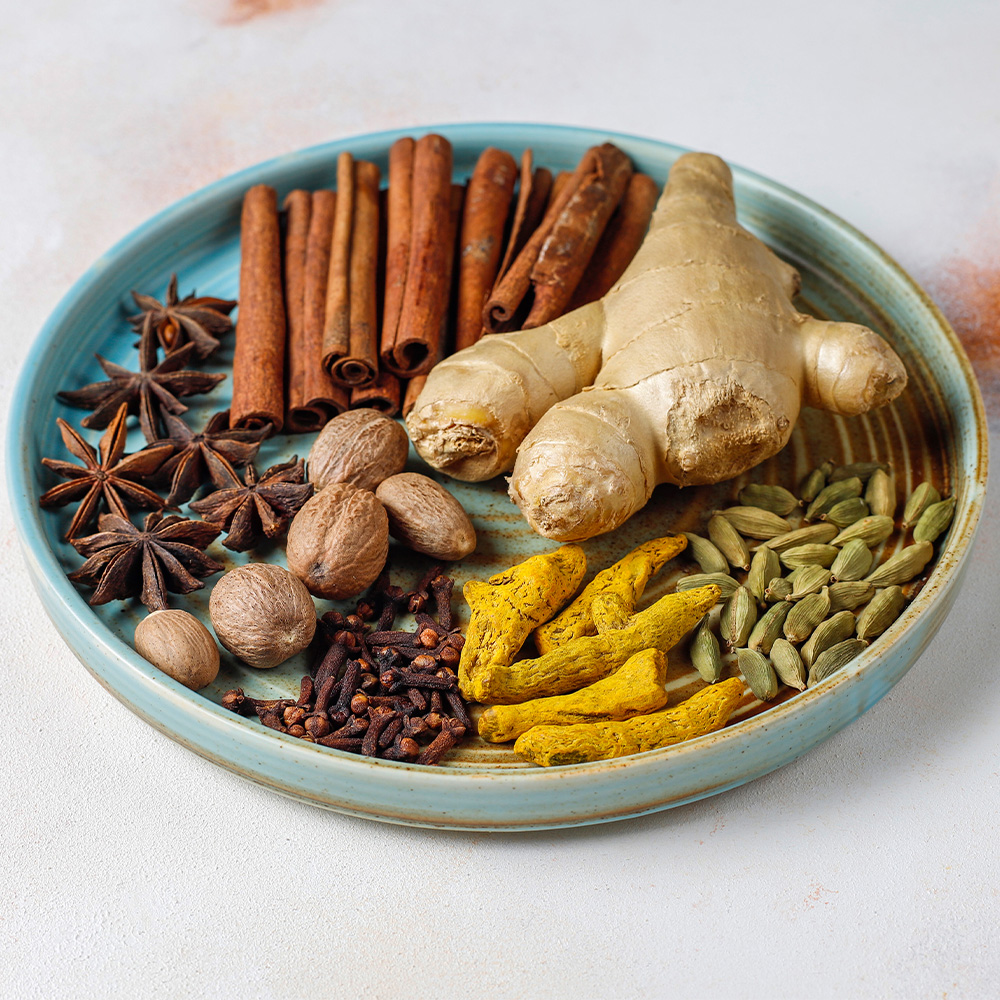
The herb most often searched for in connection with glucose. Some small studies see a modest effect on fasting glucose, others do not. Cinnamon can affect taste and the sense of sweetness, and so help you cut down the sugar in your coffee — that is a practical benefit, not pharmacology.
Tell Ceylon cinnamon (Cinnamomum verum) apart from cassia: cassia carries more coumarin. Don’t eat spoonfuls of the powder every day “as if it were a medicine.” How to use it without treating it as a medicine: how to take cinnamon with diabetes.
2. Bitter melon (karela)
It is traditionally eaten as a vegetable in Asian cuisines. It contains bitter compounds that are studied in laboratory and small clinical settings in connection with glucose. The taste is sharp. Capsules with extract are not the same as a cooked vegetable on the table.
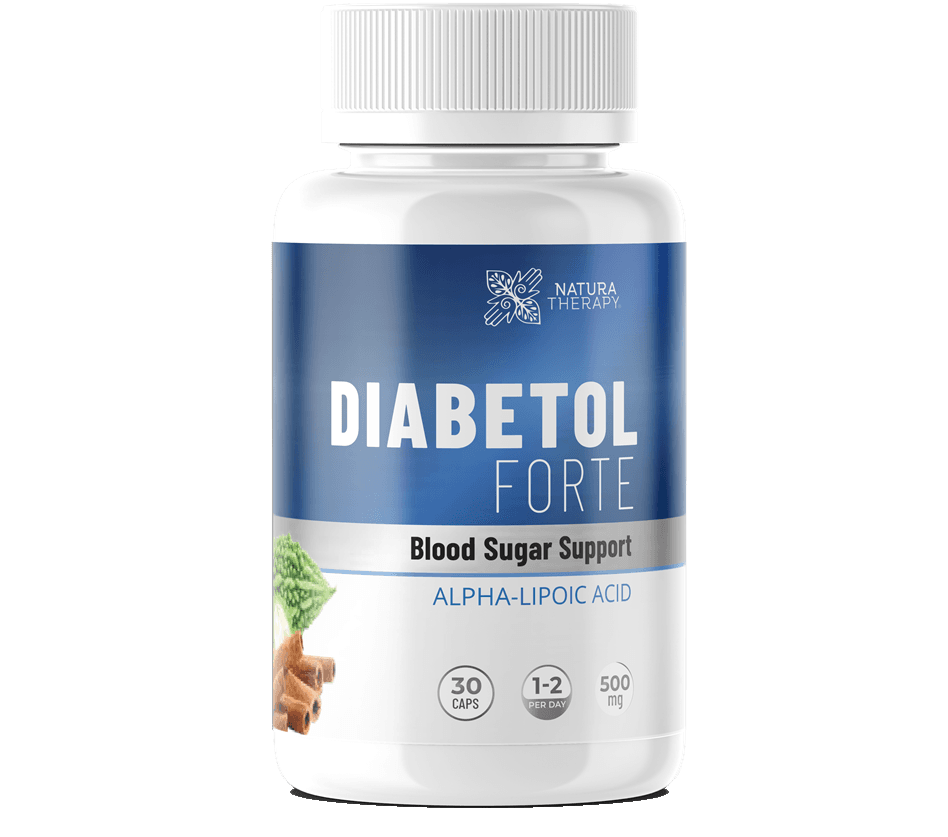
Do not combine it with new doses of medicines without consulting a doctor — in theory the effect on glucose can add up. Bitter melon also appears as an ingredient in some support formulas, for example in Diabetol Forte, together with cinnamon, zinc and chromium — again as a supplement, not as therapy.
3. Ginger
Ginger is a kitchen root with a warm taste. Some papers show interest in it for glycemic markers and for digestive comfort. That does not make it an “antidiabetic medicine.” Fresh or dried in soup, a marinade or warm water with lemon is a sensible way.
Be careful with medicines that affect clotting and with reflux — in some people ginger can upset the stomach.
4. Turmeric
Curcumin is studied more for inflammation than as a replacement for diabetes therapy. In food it works better with fat and a pinch of black pepper. Golden milk with honey is not a “healthy dessert” if honey is the main ingredient.
Concentrated extracts — only after talking to a doctor, especially with gallstones or anticoagulants.
5. Fenugreek (hilbe)
The seeds are rich in soluble fiber. Soaked overnight, they form a gel that slows the digestion of the meal — the mechanism is more fiber than a “secret hormone.” The taste is bitter, like chickpeas and celery.
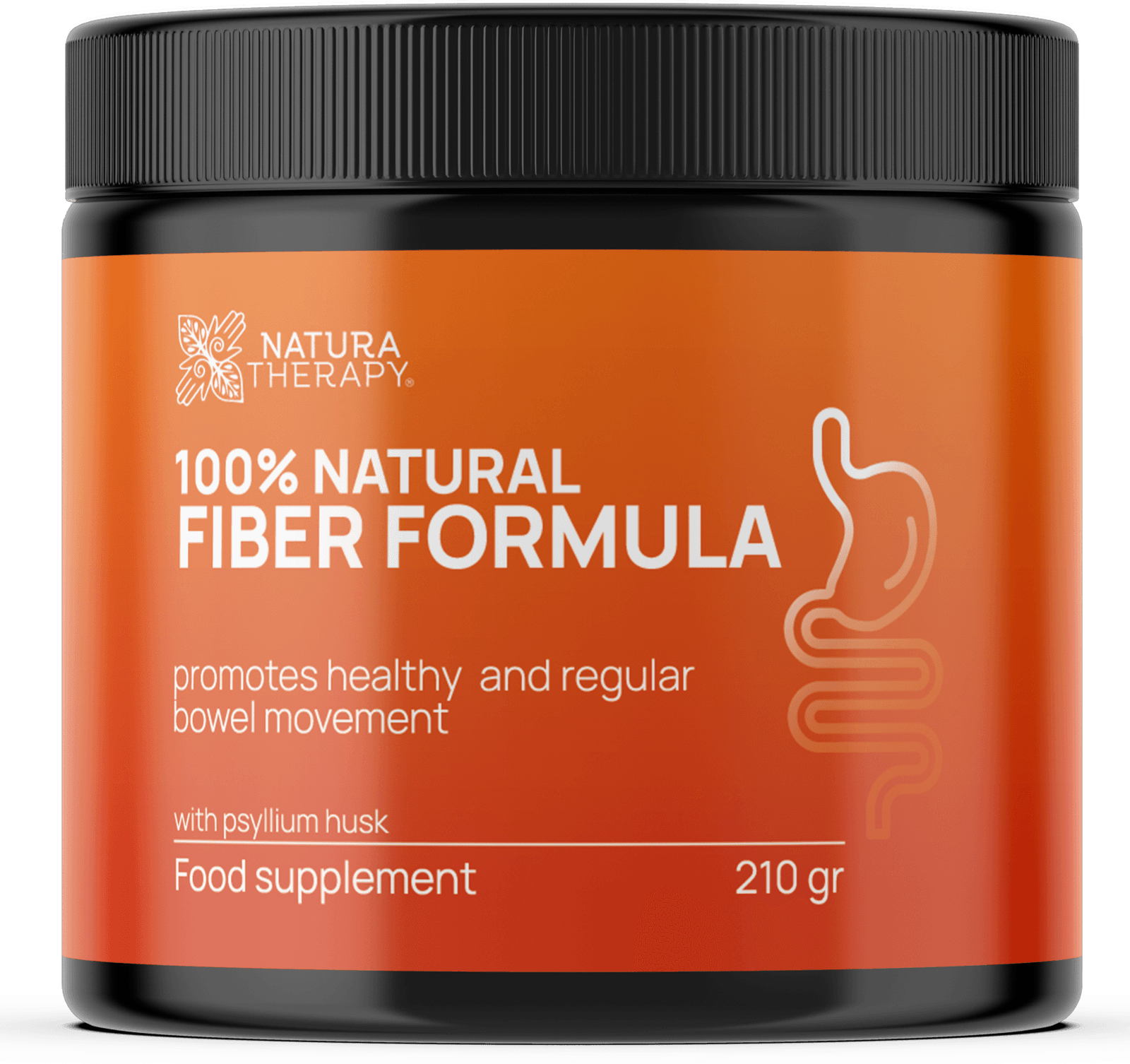
Start with a small amount and water. Fiber without fluid can cause bloating. If you already take a fiber formula such as Fiber Formula, don’t pile everything on at once.
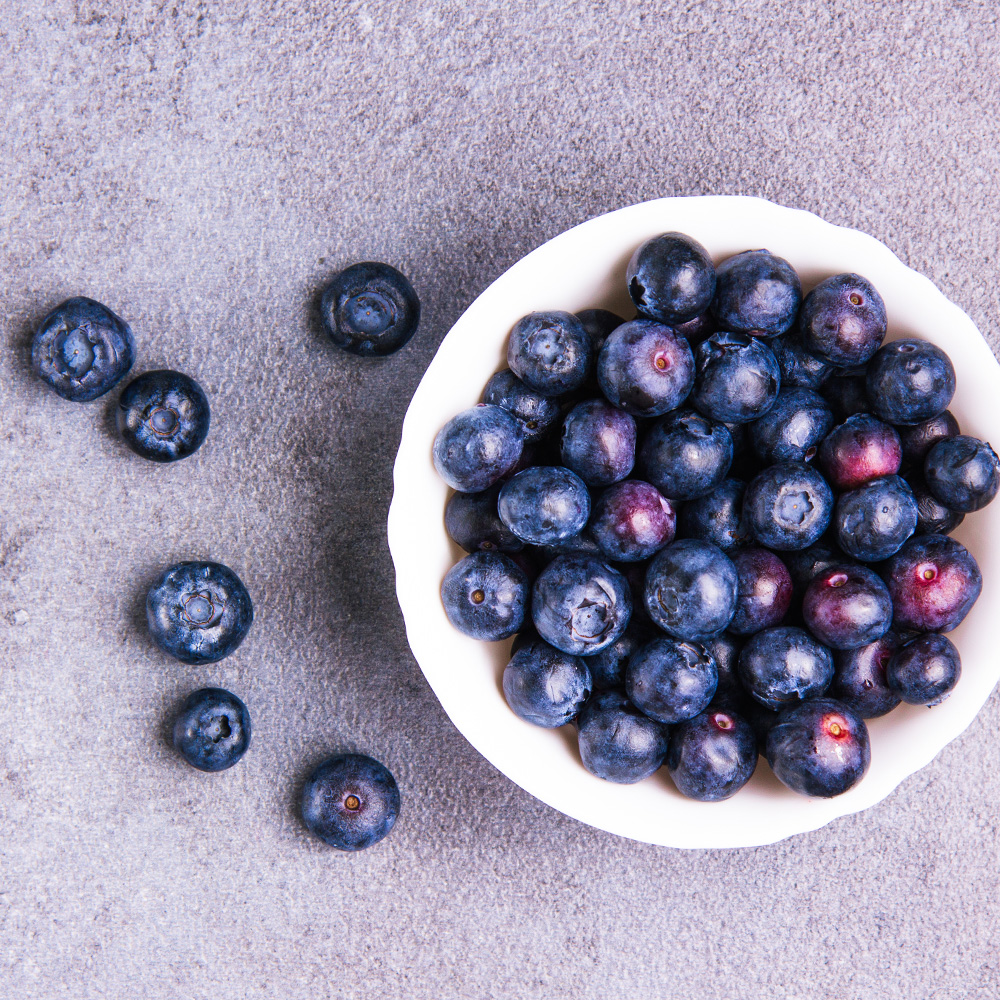
6. Blueberries and dark fruits
They are not an herb in the strict sense, but they often make the same lists. The anthocyanins and fiber make them better than juice. A handful of wild berries in yogurt is a snack with a smaller spike than a donut. Don’t eat them “for the eyes, as a medicine” — vision in diabetes is monitored by an ophthalmologist.
7. Aloe vera
The gel for drinking is not the same as the gel for skin. Some older studies see glycemic interest, but the quality of the products varies, and the latex from the rind is a strong laxative and is not for an everyday “detox” fad.
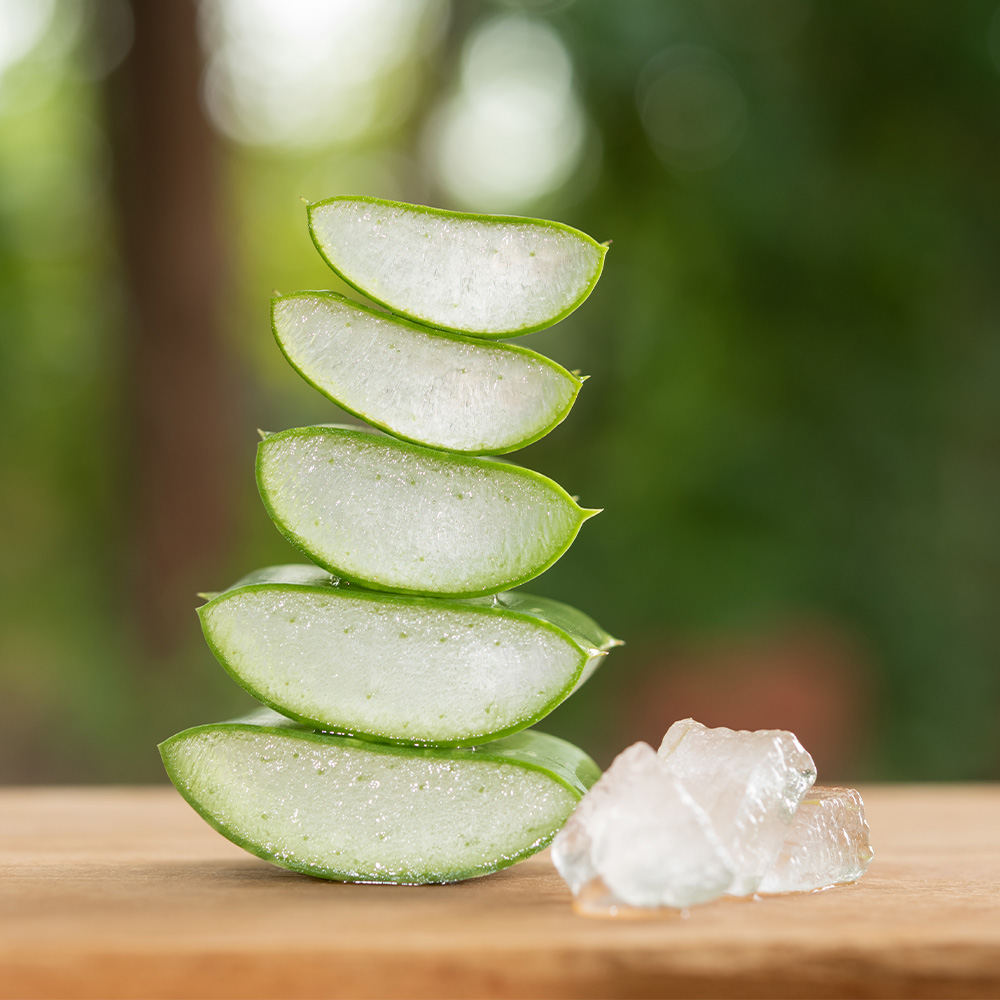
If you try the juice, look for a product without latex and without added sugar, and ask a doctor. It is not the first choice ahead of the plate and the walk.
8. Green tea and oregano
The polyphenols in green tea and aromatic herbs (oregano, rosemary, thyme) are part of a colorful diet. They make food tastier without sugar. Don’t expect them to bring down HbA1c on their own. Coffee and tea without sugar are better than a cappuccino with syrup.
9. Ginseng
Different types (Asian, American) are studied for energy and sometimes for glycemic markers. The results are not uniform. Ginseng can affect blood pressure, sleep and medicines. Don’t buy it as a “replacement for insulin.”
10. Cloves and other warm spices
Cloves, cinnamon leaf and similar aromas are rich in phenolic compounds. In the kitchen they are useful because they add flavor. In high doses clove oil is an irritant — do not drink it as a medicine.
Minerals alongside the herbs
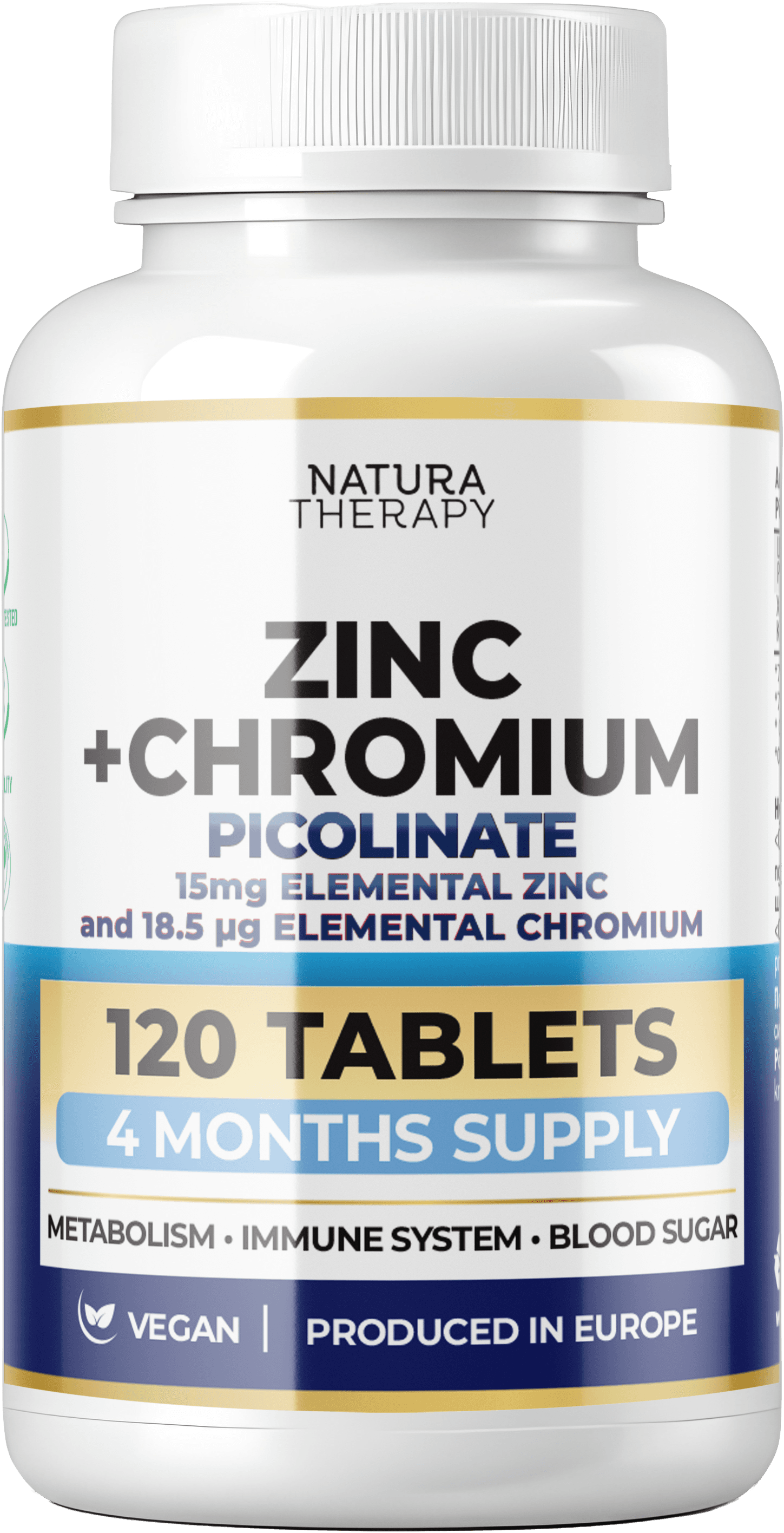
Zinc and chromium take part in pathways linked to insulin. A deficiency is established with a doctor, not with a blind megadose. More in the link between sugar and minerals. When needed, people consider zinc + chromium or a formula such as Diabetol Forte — always as support within the Diabetes category.
How to put together a safe “herbal” day
- The basics: plate, walk, therapy, measuring.
- One spice you already like — cinnamon in oats, ginger in soup, turmeric in beans.
- Tea without sugar instead of juice.
- If you want an extract: one product, the label, a doctor.
- After 4–6 weeks reassess: the diary, HbA1c at the checkup, how you feel.
Frequently asked questions
- Which herb brings sugar down the fastest?
- There is no such guarantee. Herbs are not an emergency medicine. A high reading is managed with a plan from your doctor, water, agreed-upon physical activity and therapy — not with a tea “for a quick result.”
- Can I replace a tablet with cinnamon and bitter melon?
- No. That is a dangerous myth. Spices and extracts are not the equivalent of a prescribed medicine.
- Should I drink cinnamon or clove essential oil?
- Not internally without professional supervision. The oils are concentrated and can irritate the gut and interact with medicines.
- How do I choose a supplement if I want plant support?
- Look for a clear composition, with no promise of a miracle, and tell your doctor. Diabetol Forte is an example of a formula with several studied ingredients, not of a “medicine against diabetes.”
- Are blueberries forbidden because of the sugar?
- Usually not. Whole fruit in a portion is different from juice. Include it in a meal, not as a liter of compote.
- Can herbs cause hypoglycemia?
- In theory yes, if they add up with insulin or certain tablets. So measure, and don’t experiment on your own.
- How long should I take an herbal supplement?
- Courses are reassessed every 1–3 months. If the diary and the checkups show no benefit, don’t pile on a second product.
This article is for informational purposes and does not replace medical advice. Food supplements are not medicines. Consult a doctor before use, especially if you have a chronic illness, are pregnant or breastfeeding, or are taking medicines. Results are individual.