The peripheral nervous system (PNS) connects the brain and the spinal cord with the muscles, skin and organs. When people look for herbs for the peripheral nervous system, they usually mean a feeling of numbness, discomfort in the extremities, tension or a need for general nerve support.
Important: herbs and supplements do not diagnose and do not treat neuropathies, inflammation of the nerves or other diseases. For persistent symptoms — a neurologist. This article is educational. See also the Nervous system category.
Plant support is part of a broader plan: sleep, food, movement, a doctor.

Why the PNS “begs” for attention
Nerves are sensitive to blood supply, glucose control, deficiencies (B vitamins, magnesium), toxins, compression and chronic stress. Self-medicating with herbs when symptoms are progressive can delay the correct diagnosis.
Sudden weakness, facial asymmetry, loss of control — emergency help.
Gradual numbness, burning, night cramps — a scheduled checkup.
Mild tension and tiredness — habits + careful support.
Adaptogens support the response to stress — a key “noise” for the nervous system.
10 herbs and plant-based pointers (tradition + modern use)
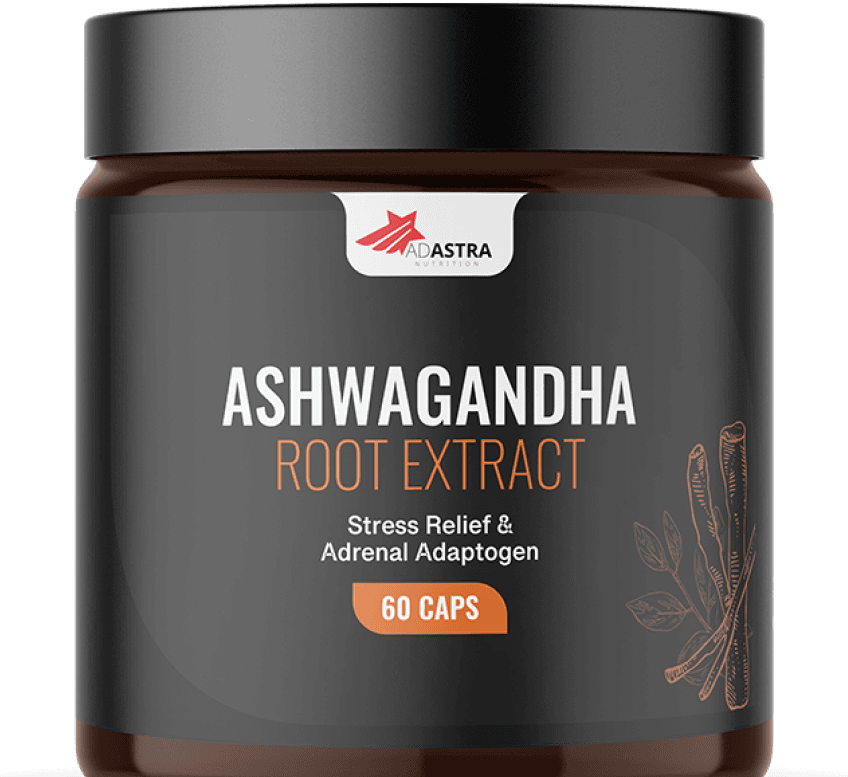
Ashwagandha — an adaptogen for stress and a feeling of overtiredness; see Extract Ashwagandha.
Valerian — a classic for calming down in the evening (tolerance varies from person to person).
Lemon balm — gentle nerve relaxation and digestive comfort for some people.
Passionflower — traditionally for tension and a restless mind.
Ginkgo biloba — associated with blood flow and cognitive comfort; caution with anticoagulants.
Turmeric / curcumin — antioxidant interest; it is not a “medicine for the nerves.”
Ginger — blood flow and general tone in culinary/tea doses.
Rosemary — aromatic and culinary traditions; a symbolic “brain” aroma in folk culture.
Lavender — aromatherapy and tea for an evening routine.
Reishi and other mushrooms — sometimes in complexes for general resilience and calm.
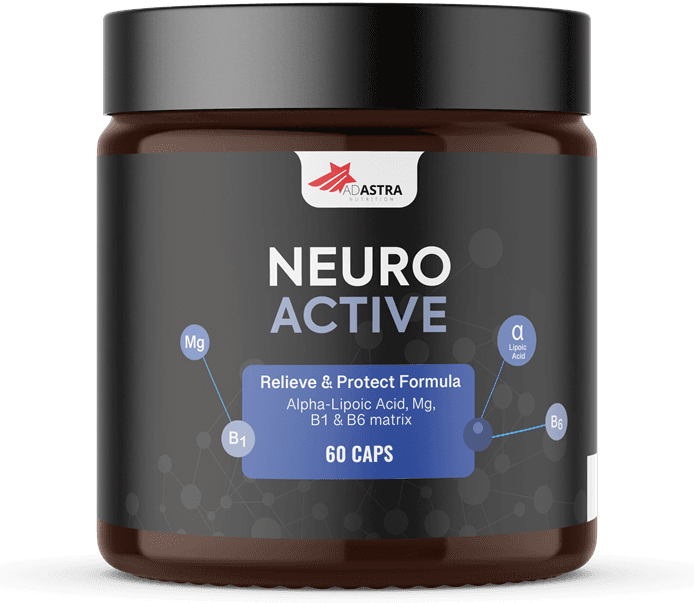
Ready-made formulas for nerve support: Neuro Active. As a mineral foundation, many people include magnesium citrate — muscle and nerve comfort with adequate intake.
Magnesium, the B group and lifestyle
Before reaching for exotic extracts, check the basics: sleep, hydration, alcohol, posture at your desk, footwear and blood sugar. B vitamins take part in nerve metabolism — deficiencies are determined with a doctor, not by blindly taking megadoses.
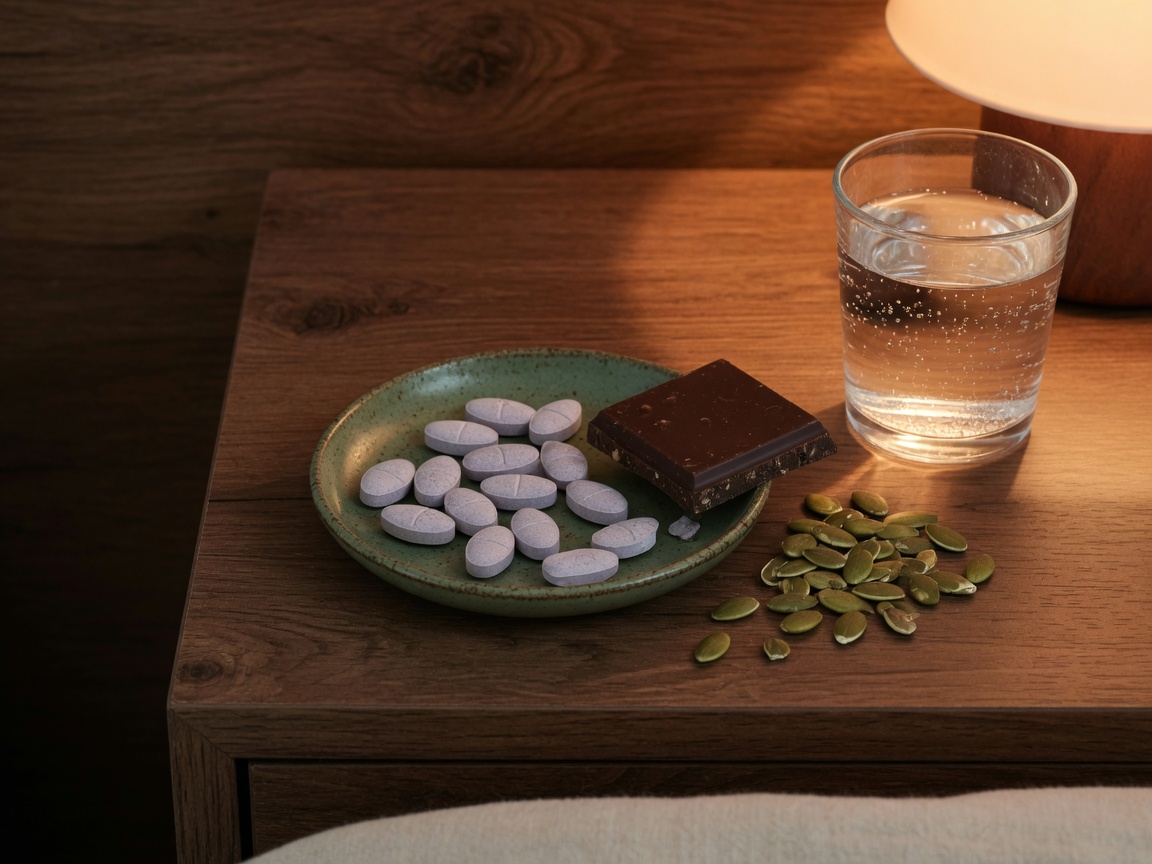
Recovery is part of nerve health — not just “stimuli” during the day.
How to organize your approach
Describe your symptoms (since when, where, what makes them worse) before you buy herbs.
One change at a time — an herb, magnesium or sleep.
Avoid self-medicating if you have diabetes, during chemotherapy or after severe injuries.
Read up on the interactions (blood thinners, antidepressants, sedatives).
More context: types of nervous system diseases and how to control them — again with the emphasis on being informed, not on self-medication. Catalog: Nervous system.
Related: types of nervous system diseases. Category: Brain and nervous system.
Frequently asked questions
- Which herb is “best” for the peripheral nerves?
- There is no universal winner. The choice depends on your symptoms, your medicines and whether the problem is stress, a deficiency or a medical condition. Start with an assessment, not with the most expensive extract.
- Does magnesium help with cramps and nerve discomfort?
- Many people use it for muscle and nerve comfort, especially when intake from food is low. The form (e.g. citrate) and the dose matter; with kidney problems — only with a doctor.
- Can I combine ashwagandha with Neuro Active?
- It depends on the composition of the complex and the total load of adaptogens/sedatives. Check the labels and ask a pharmacist if in doubt.
- How long should I take herbs for the nervous system?
- Often courses of a few weeks with a reassessment. If there is no improvement or things get worse — stop and see a doctor, instead of switching from one herb to the next.
- Do herbs cure neuropathy?
- No. Food supplements do not treat neuropathy or other diseases. They can only be an addition to a medical plan.
- When is it urgent?
- Sudden weakness, slurred speech, a severe headache, loss of bladder and bowel control, rapidly progressing numbness — emergency medical help.
This article is for informational purposes and does not replace medical advice. Food supplements are not medicines. Consult a doctor before use, especially if you have a chronic illness, are pregnant or breastfeeding, or are taking medicines. Results are individual.