
Prostate cancer is one of the most common cancers in men. It often grows slowly. Sometimes it is aggressive. An early diagnosis is made by a urologist — through a conversation, an exam, PSA, imaging and, when needed, a biopsy. It is not made by a supplement, a tea or an “anti-cancer” extract.
This text is a map to help you get your bearings: what to watch for, what the tests mean and which options exist in medicine. It is not a guide to self-medication. If you have symptoms or a family history, book an appointment. For a comparison with BPH and prostatitis: the most common prostate diseases. For the signs that should bring you in for a checkup: how to know if you have a problem.
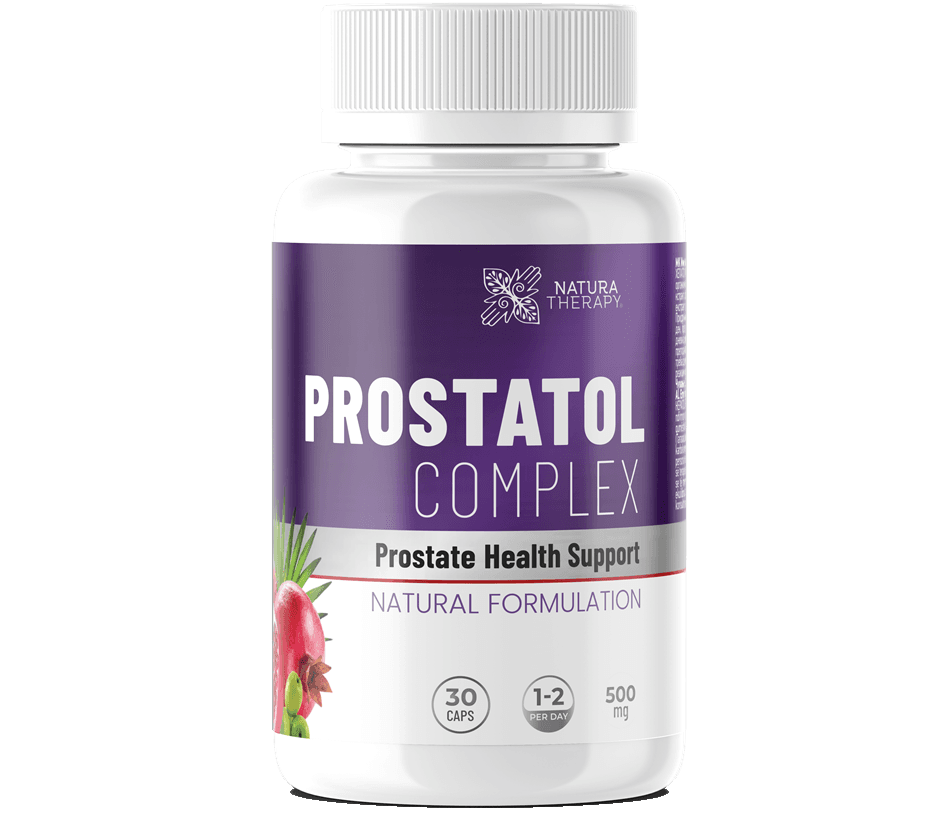
This article is for informational purposes and does not replace oncological or urological advice. Food supplements are not medicines and do not treat, prevent or diagnose cancer. Prostatol Complex and similar formulas are not a treatment for prostate cancer. If in doubt — see a urologist.
Why early detection makes sense
In its early stage the disease often has no voice of its own. Men over 50 — and earlier if a father or brother had prostate cancer — should talk about screening even without complaints. The interval (yearly or otherwise) is agreed with the doctor based on risk and previous values, not on advertising.
Risk factors
Age, family history and ethnic predisposition are the clearest. The hormonal environment in the gland, obesity, smoking and a diet rich in processed red meat are discussed as an additional burden. No supplement cancels out family risk.
Symptoms — early and late
The early stage is often silent
When urinary complaints appear — frequent urination, nocturia, a weak stream, blood, burning — they are more often BPH than cancer. They are still checked, because the two can exist together. Cancer more often starts in the peripheral zone, far from the urethra, which is why the stream suffers late.
Advanced disease
Severe obstruction, bone pain (pelvis, spine, thighs), unexplained weight loss and shortness of breath with metastases are late signs. New bone pain at night is not soothed by herbs.
Screening and diagnosis
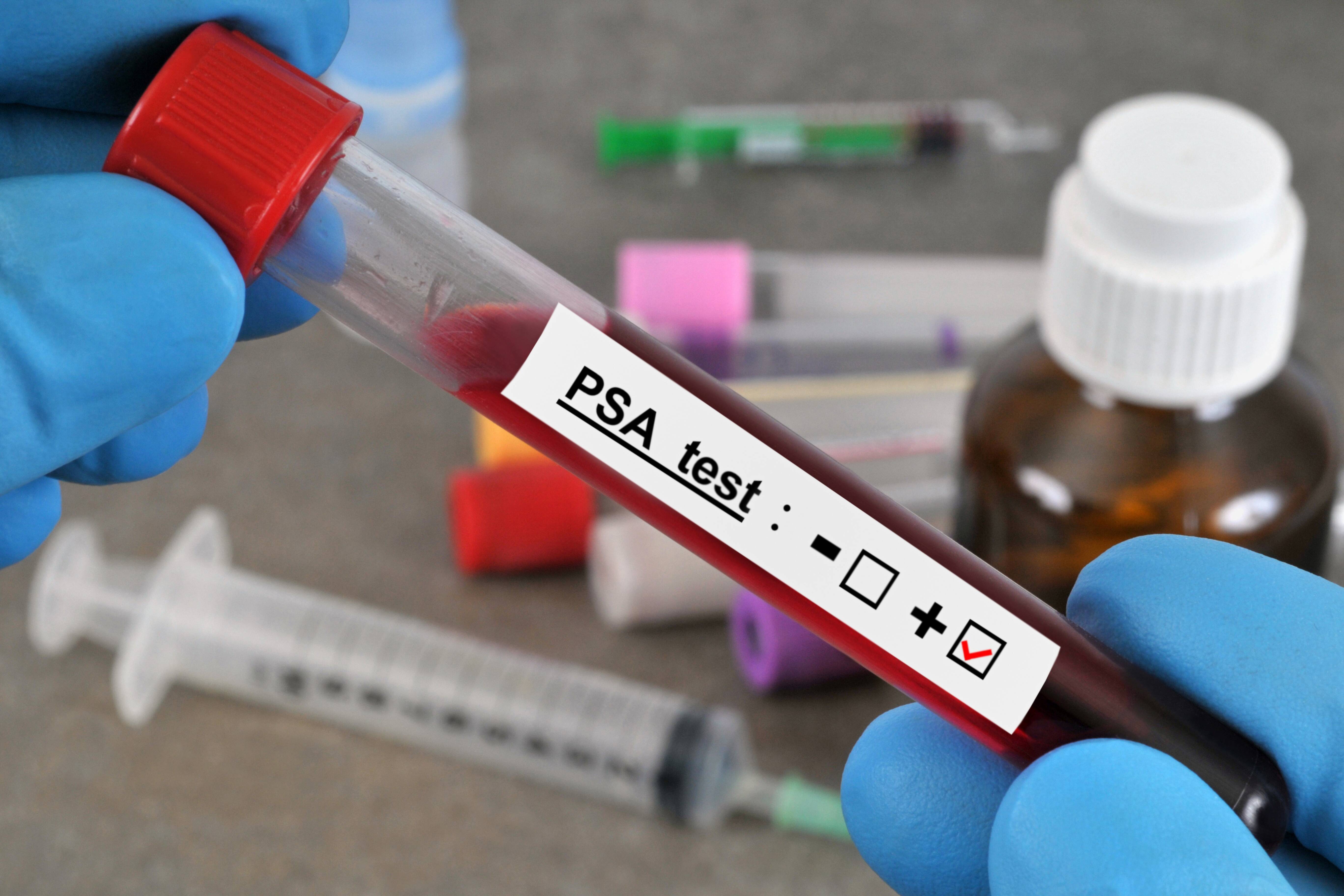
PSA is a protein made by the prostate. It is measured in the blood. It rises with cancer, but also with BPH, prostatitis, recent ejaculation or an exam. That is why it is a tool for screening and monitoring, not a verdict. A digital rectal exam looks for hard, irregular areas.

If the suspicion remains, the next step is often a multiparametric MRI, then a biopsy — small tissue samples, usually taken transrectally or transperineally, which the pathologist examines under a microscope. Only a biopsy confirms cancer. The grade (Gleason / ISUP) and the stage together guide the decision.
Stages T1–T4 in broad strokes
- T1 — too small to be felt or clearly seen; often found during surgery for BPH or because of a high PSA (T1c).
- T2 — still within the gland (half a lobe, more than half, or both sides).
- T3 — has broken through the capsule or involved the seminal vesicles.
- T4 — neighboring organs (bladder, rectum, pelvic wall).
The full TNM also includes lymph nodes and distant metastases. That is read by the uro-oncology team.
What medicine does — an overview, not a prescription from a blog
The choice depends on stage, Gleason, PSA, age and other illnesses:
- Active surveillance — for low-risk cancer: regular PSA tests, checkups, sometimes a repeat biopsy, with no immediate surgery.
- Radical prostatectomy — open, laparoscopic or robotic; aims to remove the gland. Recovery is a separate topic: life after surgery.
- Radiation — external, usually over a course of weeks; sometimes brachytherapy. It can be first-line for localized disease.
- Hormone therapy — reduces stimulation by androgens; used in more advanced disease or together with radiation.
- Chemotherapy and newer agents — when the disease is metastatic or hormone-resistant. The medicines are chosen by an oncologist.
- Immunotherapy — in narrowly selected cases; not standard for every early cancer.
This is an overview to help you understand the words of the tumor board. It is not a ranking for you to choose from on your own.
Diet, exercise — and what a supplement must not promise
Physical activity, a normal weight, and less processed meat and tobacco help your overall health during and after treatment. Tomatoes (lycopene), green tea and a variety of vegetables make a sensible plate, not a protocol that “shrinks the tumor.”
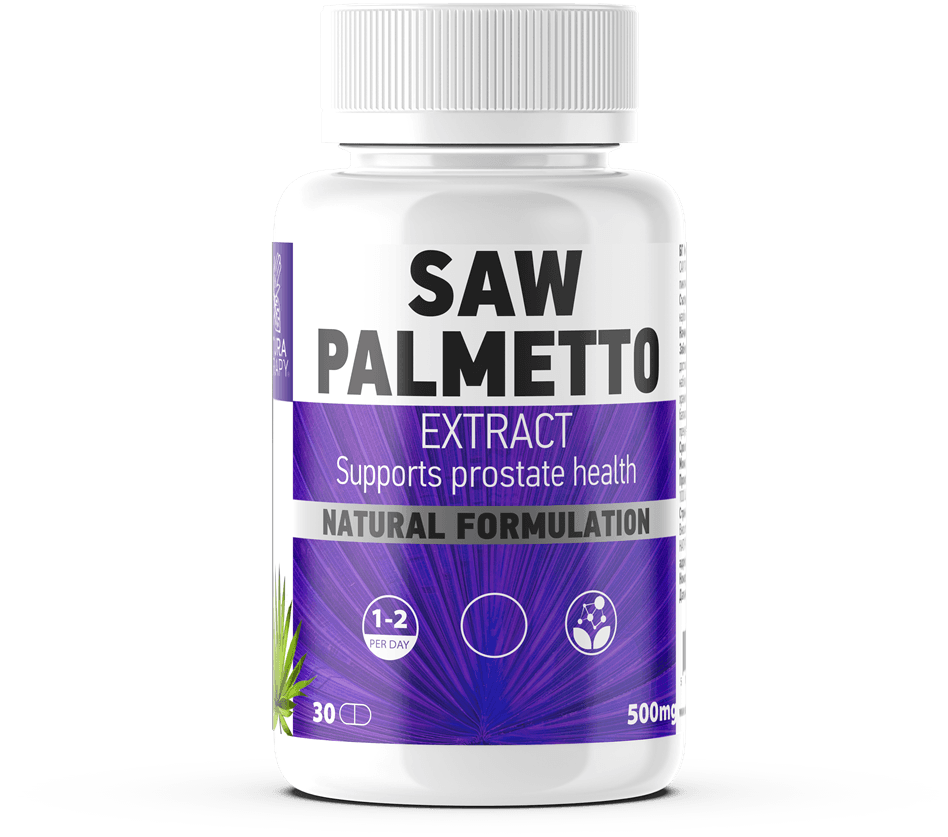
Neither curcumin, nor saw palmetto, nor Prostatol Complex is a treatment for prostate cancer. If your oncologist allows a supplement alongside therapy, it is because of interactions and nutrition, not because a capsule replaces surgery or radiation. For herbal support with benign urinary complaints — once cancer has been ruled out — see the category Men’s health.
Gleason, active surveillance and a second opinion
On the biopsy, the pathologist gives a grade (classically Gleason, today often ISUP groups 1–5). A low group plus a low PSA and limited extent can mean that surgery is not the first step — active surveillance is. That is not “we do nothing.” It is a calendar: PSA, checkups, sometimes repeat imaging or a biopsy. Many men live for years without their disease getting worse.
A high group, a fast rise in PSA or a clear tumor on MRI shift the story toward treatment aimed at cure or control. The decision takes into account age, other illnesses and what matters more to you: continence, erections, speed, peace of mind. There is no shame in asking for a second urologist’s opinion before major surgery. A good team expects it.
Family often wants “to take it all out tomorrow.” Your job is to hear the numbers, not just the fear. Write down your questions: how likely is it that surveillance will miss progression; what are your surgeon’s incontinence rates; is radiation an equally reasonable option. A supplement is not one of those answers.
If you already take curcumin or a prostate formula, say so before a biopsy and before surgery. The anesthesiologist and the oncologist need to know what goes into your blood. Stopping before a procedure is common advice — the team will tell you the exact number of days.
After the diagnosis you will hear a lot of advice from relatives. Filter it through your care team. A diet with more vegetables and physical activity are welcome. Giving up standard treatment for a “turmeric protocol” is not. If you need time to think, ask how many days it is safe to wait before choosing a path — with low-risk cancer there is often room, with high-risk cancer less so. Write that deadline down. Fear wants speed; medicine wants an accurate stage. Ask for a written plan: what is done this month, what is monitored, whom to call if you get a fever after a biopsy.
Frequently asked questions
- Does a high PSA mean I have cancer?
- No. PSA also rises with BPH and inflammation. The urologist reads the trend and the context. A low PSA also does not rule out every form.
- Does a biopsy hurt?
- There is some discomfort; it is done under local anesthesia. For a few days there may be blood in the urine, semen or stool. A fever after a biopsy is a reason to get in touch urgently.
- Does every prostate cancer need surgery?
- No. Low-risk cancer is often monitored. The decision is shared: doctor + you, based on the numbers and what you value in life (continence, erections, age).
- Can I wait and try folk therapy?
- Not as a replacement. Delaying the diagnosis is the biggest risk the internet creates.
- Does curcumin cure cancer?
- No. There is laboratory interest in cells and inflammation. That is not a clinical medicine. See also the article on curcumin in this program — with the same limit.
- Will I be able to have children after treatment?
- Radical surgery cuts the path of sperm. Before therapy, talk about sperm banking if you are planning a family.
- When is it urgent?
- Acute urinary retention, weakness in the legs, uncontrolled urination with back pain, a high fever after a biopsy — emergency care.
This article is for informational purposes and does not replace medical advice. Food supplements are not medicines and do not treat cancer. Consult a urologist or oncologist. The results of any treatment are individual.