
BCAAs are often sold as the key to metabolism and fat burning. The reality is narrower: the three amino acids can help preserve muscle when you eat little — and muscle is the tissue that burns energy. They are not a thermogenic “fat burner” and they do not replace a calorie deficit.
Which supplement first — BCAA or creatine — is covered in BCAA versus creatine. Protein as a macro: functions and metabolism.
What happens in your metabolism
Leucine signals protein synthesis. Isoleucine and valine take part in muscle energy metabolism, especially when glycogen is low. In theory that sounds like “the body will burn fat instead of muscle.” In practice, if your total protein is 70 g and you add 5–10 g of BCAAs, you’re still low. If your protein is 1.6 g/kg, extra BCAAs rarely change your body fat percentage.
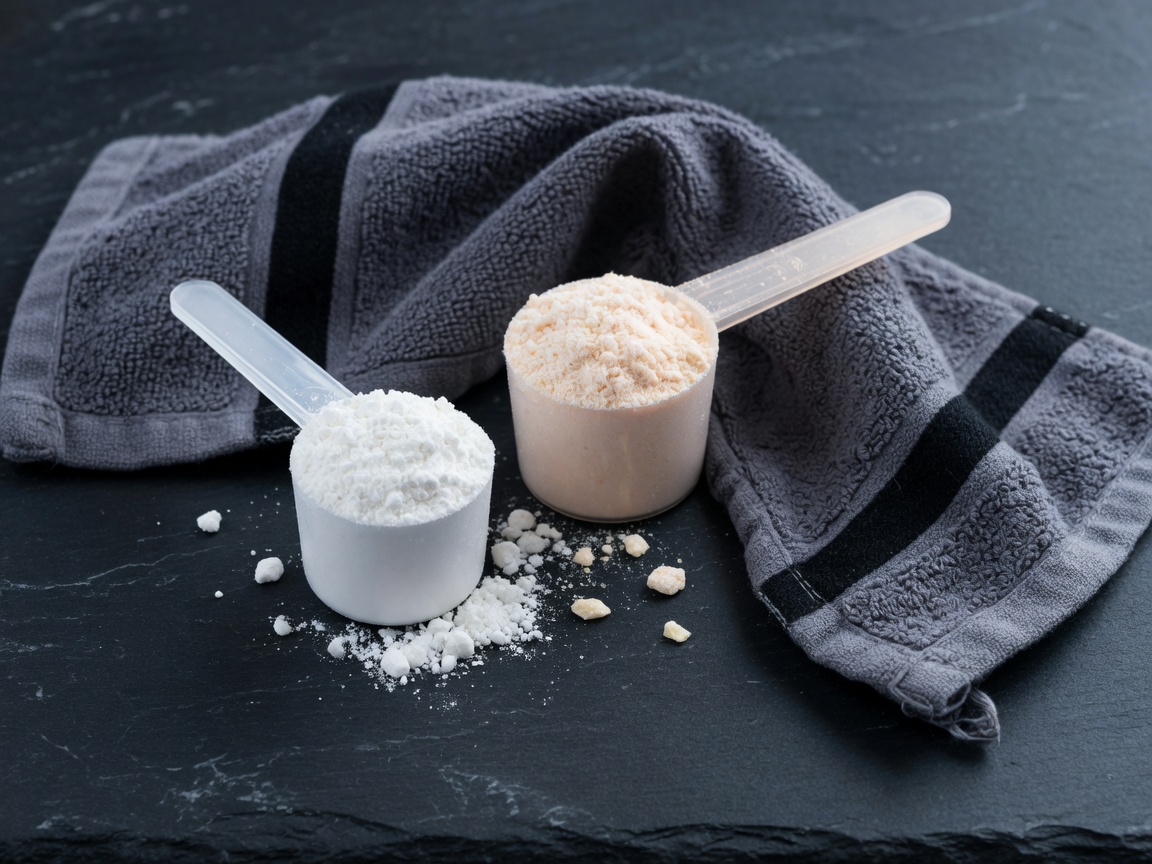
Insulin: BCAAs can trigger a small insulin response. That’s not an argument against them in a deficit — a meal with chicken does the same, and better, because it brings a complete profile.
Where they make sense in a fat-loss phase
- Cardio in the morning before a meal, if you would otherwise go with just coffee and nothing else.
- Very low-calorie days (under supervision) when the volume of food is small.
- A plant-based menu that isn’t yet well put together.
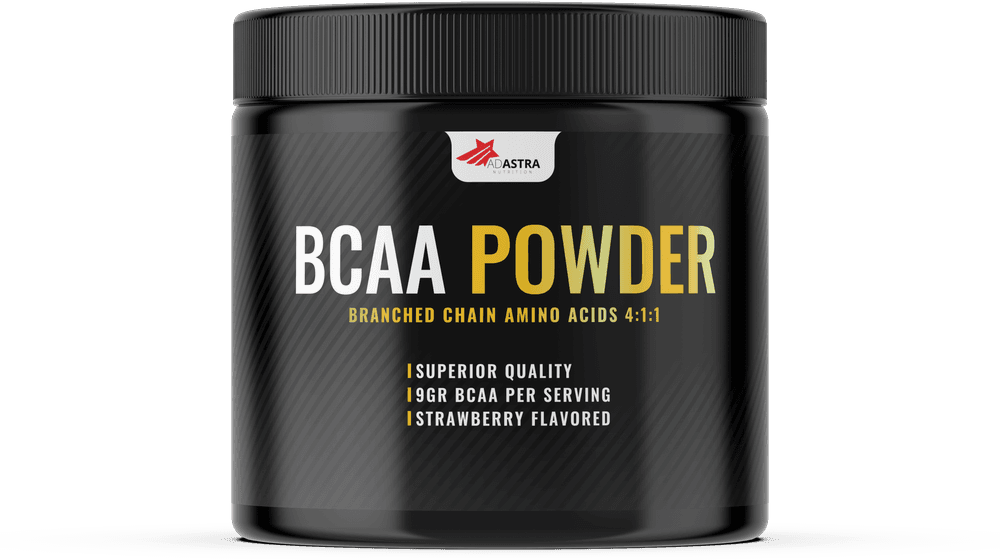
One link, one product: BCAA from Adastra. Don’t pile them into every meal “to burn.”
What really drives fat burning
- A deficit you can sustain — see a plan without the yo-yo effect.
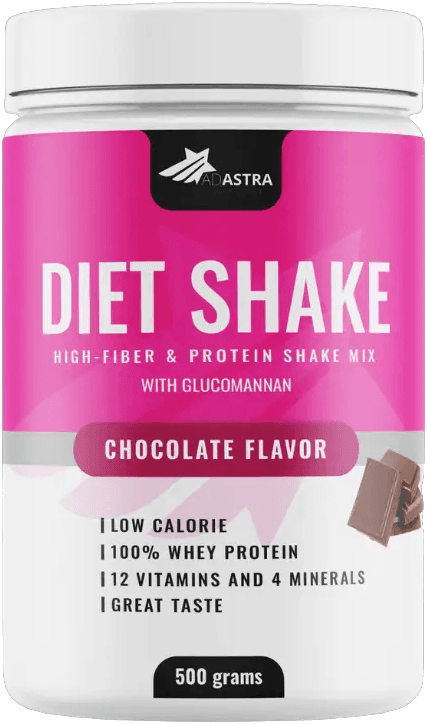
- Protein at every meal — a shake if needed: Diet Shake or whey.
- Strength training to keep your muscle.
- Sleep — sleep deprivation raises hunger more than a lack of BCAA does.

Weight control: the category. BCAAs aren’t in the same drawer as fiber and herbs; they are a sports tool.
Risks and false expectations
High doses without the rest of your protein are expensive sugar for the kidneys in terms of nitrogen load — we’re not being dramatic, but there’s no point. People with MSUD or rare metabolic disorders shouldn’t experiment. With diabetes and medicines — a doctor, not a “forum stack.”
Frequently asked questions
- Do BCAA melt belly fat?
- No. A powder doesn’t melt fat in one spot. Fat comes off when the deficit is consistent.
- Which is better in a deficit: BCAA or a protein shake?
- The shake. It brings the full profile plus satiety. BCAAs are an add-on when a shake or a meal isn’t possible.
- When should I take them for metabolism?
- There’s no magic hour. If you use them, around a fasted workout is the most logical window.
- Can BCAA in the evening disrupt sleep?
- Rarely. More often, sleep is spoiled by the caffeine in other formulas, not by the amino acids themselves.
- Are they a medicine for metabolic syndrome?
- No. Supplements do not treat metabolic diseases.
This article is for informational purposes and does not replace medical advice. Food supplements are not medicines. Consult a doctor before use, especially if you have a chronic illness, are pregnant or breastfeeding, or are taking medicines. Results are individual.