
When men’s health comes up, the first words are vitamins or “testosterone boosters.” Zinc is quieter and often more useful: a trace element involved in hundreds of enzymes, in the immune response, in the protection of cells from oxidative stress and in the maintenance of normal testosterone levels in the blood.
Prostate tissue naturally holds a high concentration of zinc. That doesn’t mean the tablet treats the gland. It means a deficiency is a poor foundation for reproductive and immune health. For energy and habits, see male stamina; for intimacy without miracles — potency and libido.
This article is for informational purposes and does not replace medical advice. Food supplements are not medicines. Consult a doctor before taking zinc, especially if you have kidney disease or already take a multivitamin. Results are individual.
What zinc does in the male body
- contributes to the normal function of the immune system;
- contributes to the maintenance of normal testosterone levels in the blood;
- contributes to normal fertility and reproduction;
- is involved in protein synthesis and cell division;
- contributes to the protection of cells from oxidative stress;
- supports skin, hair and nails — visible but secondary signs.
These are wordings close to the authorized health claims for the mineral, not promises that zinc treats hypogonadism or infertility.
Where intake gets lost
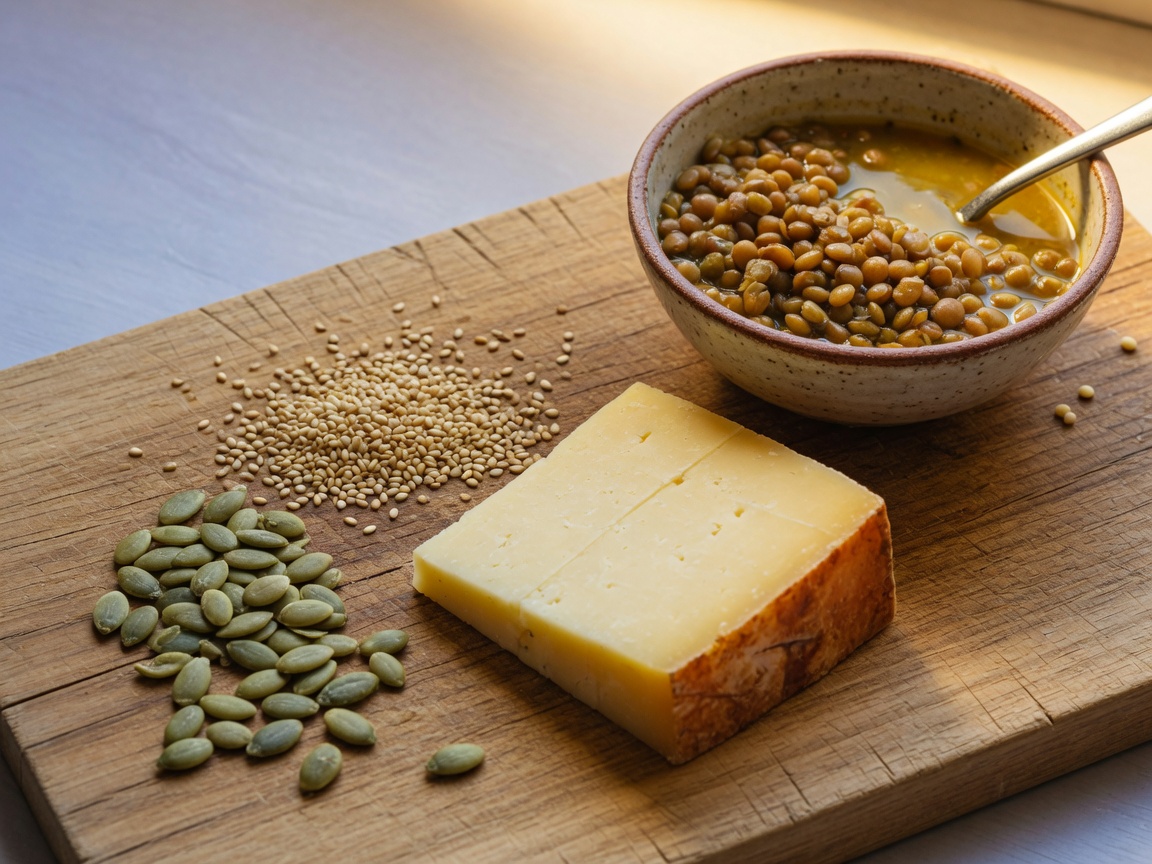
Good sources are meat, shellfish (especially oysters), pumpkin seeds, lentils, eggs and dairy products. Phytates in unsoaked grains and legumes interfere with absorption. Strict plant-based diets, chronic diarrhea, alcohol and some medicines (including certain diuretics and antacids) increase the risk of low zinc status.
Stress and a monotonous urban diet are not a diagnosis, but they explain why many men decide on a supplement. Plate first, then the jar.
Prostate and zinc — without exaggeration
The gland is rich in zinc; some studies show changes in local zinc in prostate diseases. That is a finding, not a prescription for a high dose. Megadoses can lower copper, cause gas and, in the long term, disrupt immune balance — the opposite of the goal.
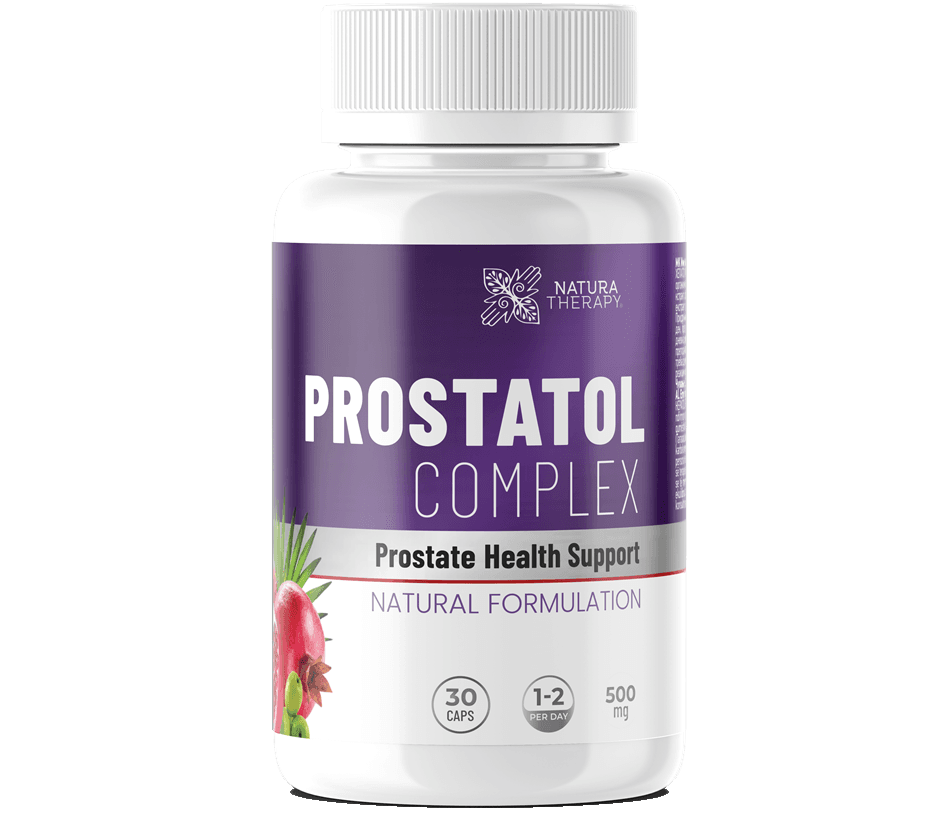
If your urologist is already talking about herbal support, zinc is often already in Prostatol Complex. Don’t add another 50 mg “just in case” on top of the complex.
How to choose a supplement
Look at the elemental amount of zinc on the label, not just the weight of the salt. For daily intake in an adult man, a range close to the reference value is often considered (about 10–15 mg from food plus a moderate supplement if your plate falls short). Higher short-term doses are a medical decision, e.g. during a cold — not a permanent protocol.
For long-term use, a pack like Zinc (365 tablets) is practical. For a shorter course: Zinc 120. Take it with food if it upsets your stomach. Category for wider context: Men’s health.
Signs you need a lab test, not another tablet
- frequent infections and wounds that heal slowly;
- loss of taste or smell;
- hair loss together with other systemic signs;
- fertility problems already being managed by a specialist;
- chronic diarrhea or inflammatory bowel disease.
Zinc on the Macedonian plate
You don’t need oysters every week. Veal and lamb in a stew, chicken thighs, eggs, white cheese, lentils if you soak them or cook them well, pumpkin seeds as a snack, whole-grain bread in moderation. Pumpkin seeds are also useful as a food men associate with the prostate — food first, extract second.
A vegan diet needs more attention: phytates bind zinc. Soaking, yeast and sprouting improve intake. A supplement is then more often a reasonable layer, not a luxury. Mix your sources instead of relying on one superfood.
Alcohol in weekend amounts that “don’t count” increases the loss of the mineral and ruins your sleep — a double hit to testosterone. If you are already taking Zinc to make up for a bad Saturday, it is cheaper to cut the Saturday short.
Children, pregnant women and people with kidney disease should not copy the men’s doses from this article. Men on long high-dose courses should have their copper checked if the therapy lasts for months. For prostate formulas that already contain zinc, see Prostatol Complex and don’t stack products blindly.
Frequently asked questions
- Does zinc raise testosterone in everyone?
- It contributes to normal levels. If you are already within the normal range, more zinc does not push the hormone higher. Deficiency is a different story.
- Can I combine it with tribulus?
- Often yes, if the total zinc from all the labels is not excessive. One change at a time is wiser.
- Morning or evening?
- With a meal you will remember. Avoid taking it at the same time as a high dose of iron if one has been prescribed for you — they compete for absorption.
- Does more zinc mean a better prostate?
- No. Adequate intake is the goal. Diseases of the gland are managed by a urologist.
- Is there an upper limit?
- Yes. Long-term high doses are risky for copper and the stomach. Don’t blindly stack a multivitamin + complex + pure zinc.
- Children and women?
- This article is about men’s health. Doses for other groups are different. Pregnancy — only with a doctor.
This article is for informational purposes and does not replace medical advice. Food supplements are not medicines and are not a substitute for a varied diet. Consult a doctor before use. Results are individual.