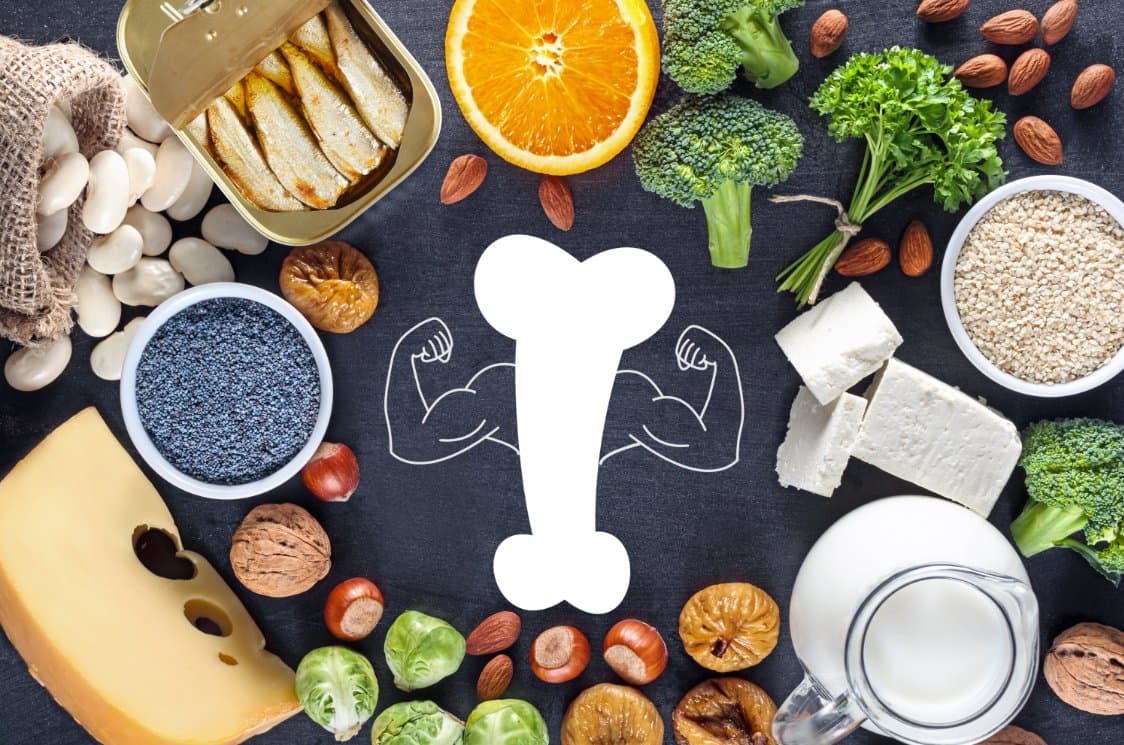
Calcium is needed for bones, muscle contraction and nerve signaling. The issue is not only “whether you get enough calcium,” but where it ends up. We are removing the old sentences saying that K2 “clears calcifications, breaks down bone spurs and protects against heart attack.” What remains is a more modest, more useful story: vitamin D contributes to the normal absorption of calcium, vitamin K to the maintenance of normal bones, and boron is a trace element with no authorized health claim.
This article is for informational purposes and does not replace medical advice. Food supplements are not medicines. Consult a doctor before use, especially if you have a chronic illness, are pregnant or breastfeeding, or take medicines. Results vary from person to person.
The list of nutrients and foods is in the most important nutrients for healthy bones. Here we cover the direction and the fear of spurs. Catalog: Bones and joints.
Three words people mix up
- Osteoporosis — weak bone mass and architecture, a risk of fracture. Diagnosed with DEXA and a doctor.
- Bone spurs (osteophytes) — bony outgrowths that come with joint wear. They are not “limescale from too much milk” that dissolves with a vitamin.
- Calcifications — deposits in soft tissue or blood vessels. The causes are many (age, kidneys, metabolism, inflammation). They are not the same entity as osteoporosis.
One jar doesn’t fix all three. The fear that calcium “will clog your arteries tomorrow” is just as harmful as blindly swallowing calcium without context.
What D3, K2 and boron really do
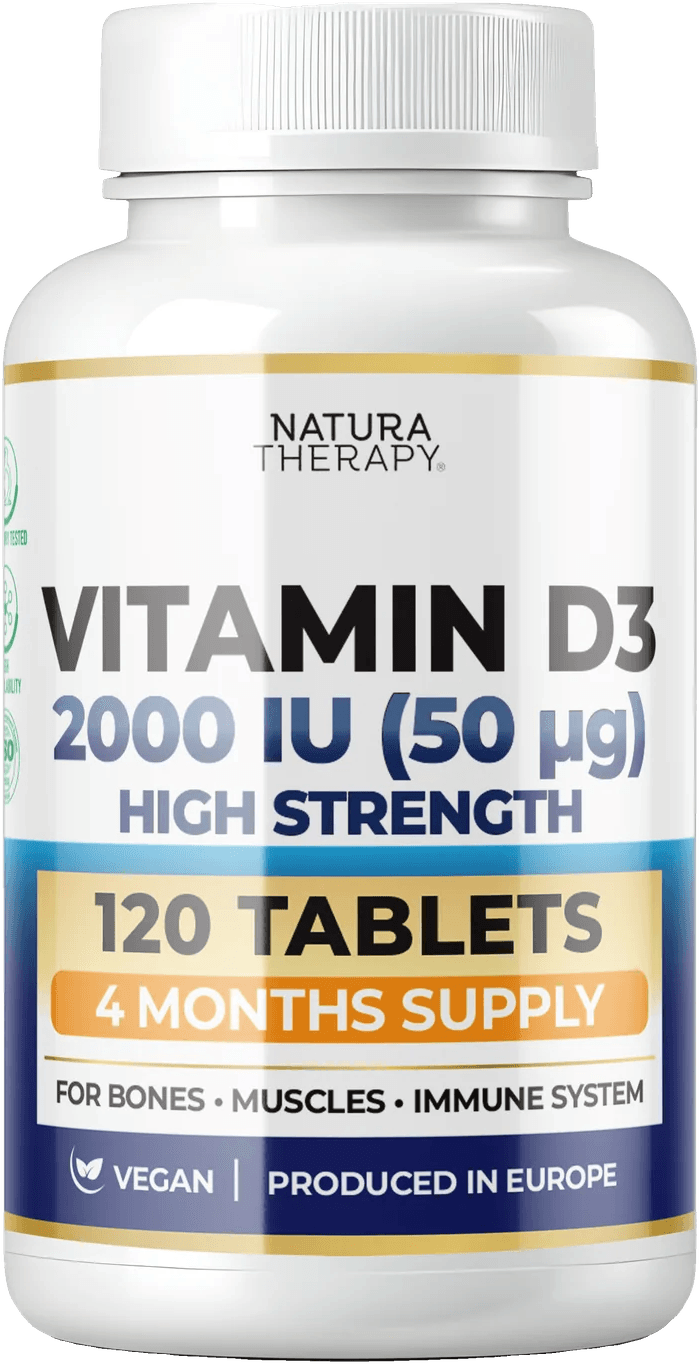
Vitamin D contributes to the normal absorption and utilization of calcium. In winter, deficiency is common here — it is measured, not assumed. How many IU, and when a test makes sense, is covered in the vitamin D3 guide.

Vitamin K (in many supplements as MK-7) contributes to the maintenance of normal bones and to normal blood clotting. That is not proof that the vitamin dissolves existing bone spurs or “cleans out” coronary plaques like a drain cleaner.
Boron is a trace element. EFSA concluded that a link between boron and the maintenance of normal bones has not been established, so we promise no effect for it. It is not a medicine for menopause, although that is exactly when bone loss speeds up and it makes sense to discuss the whole package with your doctor.
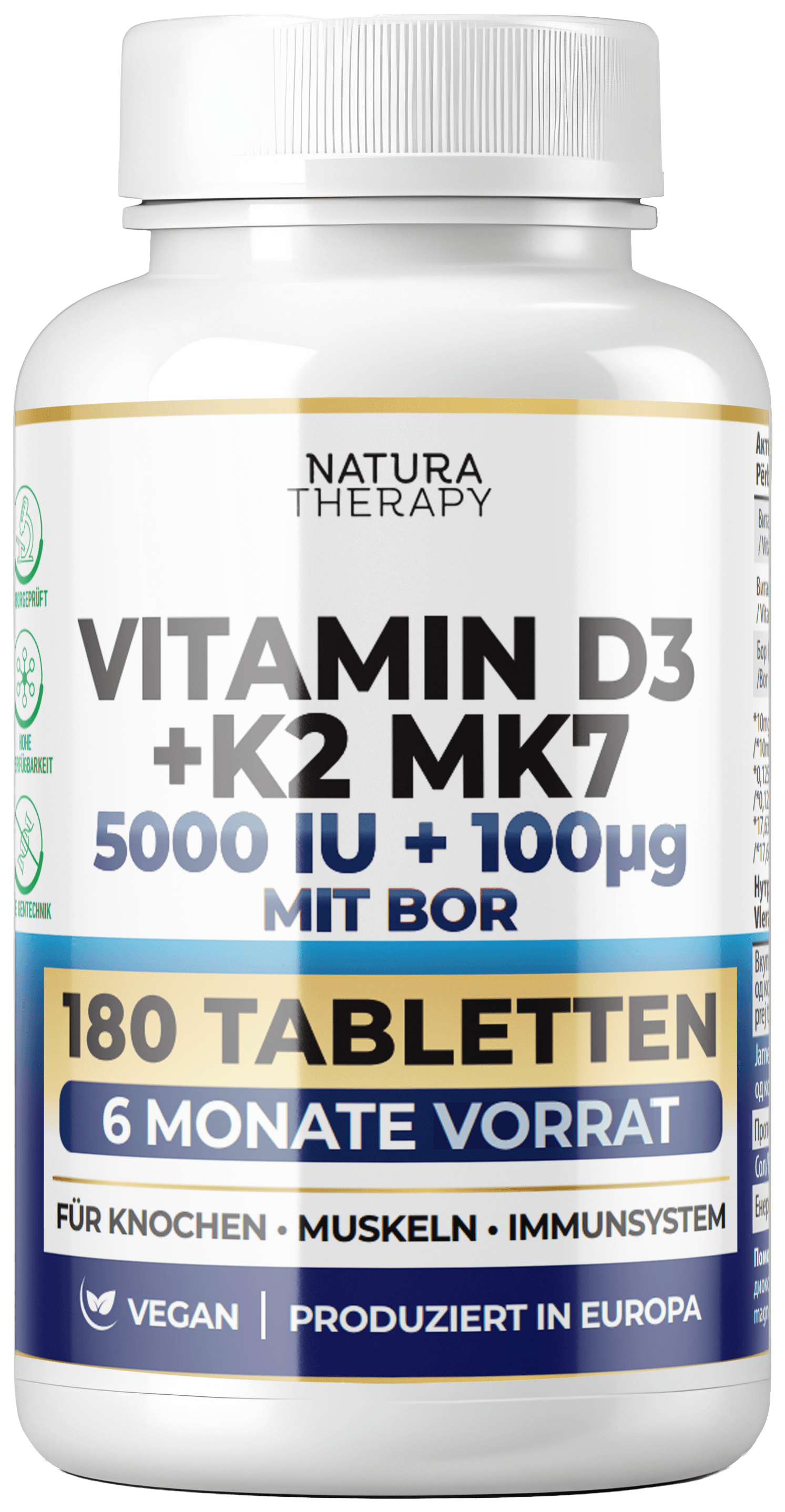
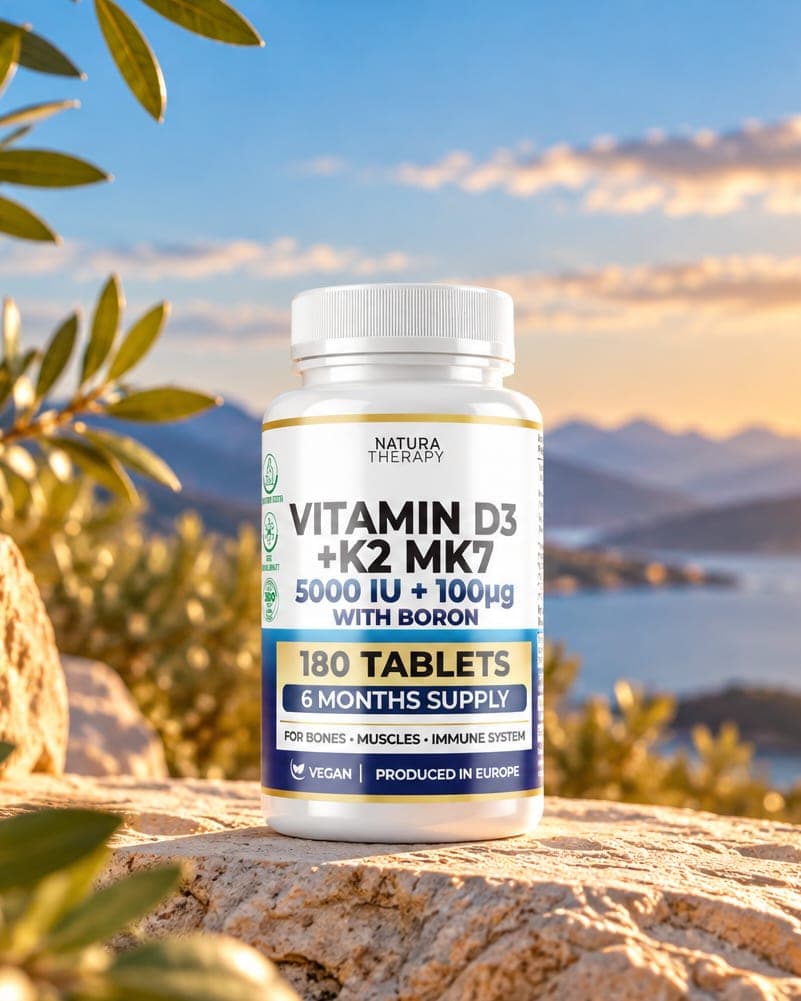
A practical combination in our catalog: D3 + K2 + Bor (180 tablets). It offers the convenience of one tablet, not “six months of protection with maximum effect.” What we know, and what we don’t, about each of the three ingredients is in the guide to D3 + K2 + boron.
Spurs and stiffness — what to do
Osteophytes are part of the osteoarthritis picture. The pain often comes from an inflamed synovium and weak muscles, not just from “the spur on the X-ray.”
- Movement within a tolerable range — not immobilization out of fear.
- Strength for the muscles around the joint.
- Lose weight if your knee is carrying extra.
- See a doctor if there is numbness, weakness, radiating pain or loss of control.
K2 does not “break down the spur.” If your neck or heel hurts, don’t wait for a vitamin to erase the image.
Calcium on your plate, not in a panic
- Yogurt, cheese, small fish, vegetables — every day.
- Don’t stack calcium tablets on top of dairy + Osteo Fix without adding up the milligrams.
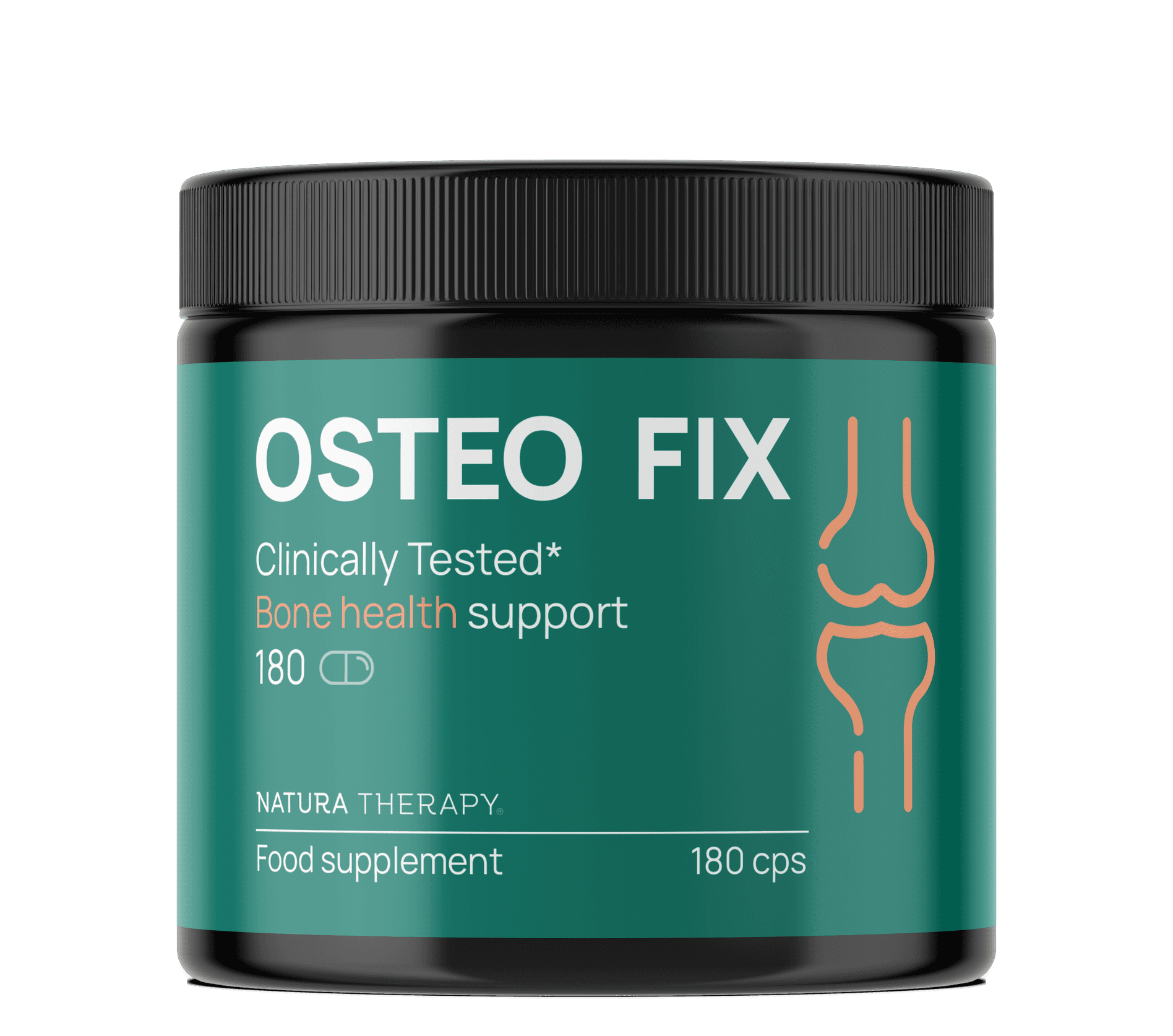
- Osteo Fix is a bone formula; check whether it already contains D and Ca before you add a third box.
- Collagen is part of the bone matrix: peptides as part of your diet, not as an “anti-spur.”

Heart, blood pressure, heart attack
Vascular calcification is a cardiology topic (risk, lipids, blood pressure, kidneys, smoking). Vitamin K2 is being studied in that context, but the supplement does not prevent stroke and does not replace a statin or a blood pressure medicine. If you have known calcification, ask a cardiologist before taking K2 — especially if you take warfarin (vitamin K interacts with that medicine).
A home checklist once a year
Height: whether you have lost more than 2 cm. Falls in the past year. Medicines that deplete bone (steroids, some antiepileptics, long-term proton pump inhibitors). Smoking. Sleep. Protein on the plate. D3 status if your doctor agrees to measure it.
Eyes and glasses: poor eyesight is a bigger fracture risk than “low boron.” Door thresholds, wet bathrooms, slippers without proper soles. That isn’t nutrition, but it saves a hip.
If you already have osteoporosis, this text does not cancel your therapy. A supplement is a layer. D3 + K2 + Bor is a convenient combination, not a substitute for a bisphosphonate.
Don’t confuse osteophyte pain with a “boron deficiency.” An X-ray is a picture, not a prescription for a jar. A physiotherapist often does more for the heel and neck than the trace element does.
Table salt and processed deli meats are not a “calcium strategy.” They raise blood pressure. Bone loves protein and loading, not panic about cheese.
Menopause without fear-based marketing
The drop in estrogen speeds up resorption. What makes sense: DEXA as recommended, strength, protein, D3 according to your status, K2 as a partner, boron in the same tablet if the label suits you. What doesn’t make sense: “if you don’t take this, a blood vessel will burst.”
Frequently asked questions
- Does K2 dissolve calcifications and spurs?
- We promise no such thing. Vitamin K contributes to the maintenance of normal bones. Existing osteophytes and vascular calcifications are medical findings, not a job for a vitamin on its own.
- Does D3 + K2 + Bor prevent osteoporosis?
- No. Food supplements do not prevent or treat diseases. Vitamins D and K contribute to the maintenance of normal bones, alongside movement, food and your doctor’s plan.
- Can I take calcium alone?
- Better not as your only step. Vitamin D contributes to the normal absorption of calcium, and calcium on its own is not the whole plan.
- Should I combine it with Osteo Fix?
- Check for duplicate ingredients. One clear plan is safer than three boxes with the same calcium.
- I take warfarin — can I take K2?
- Only with a doctor. Vitamin K affects that medicine.
- Are heel spurs caused by a lack of K2?
- No. Plantar osteophytes have a mechanical story (load, fascia). Physiotherapy and footwear first.
- How long does one jar of D3 + K2 + Bor last?
- 180 tablets at one tablet a day last 180 days, about half a year. That is how long the pack lasts, not a guarantee of health.
This article is for informational purposes and does not replace medical advice. Food supplements are not medicines. Consult a doctor before use, especially if you have a chronic illness, are pregnant or breastfeeding, or take medicines. Results vary from person to person.