
The prostate stays silent for a long time. Then it shows up as frequent trips to the bathroom, a weak stream, a feeling that the bladder doesn’t empty, burning, pain between the sitting bones or a change during sex. None of these signs on its own says whether it is benign hyperplasia, prostatitis or something more serious. They only say that it’s worth sitting down with a urologist.
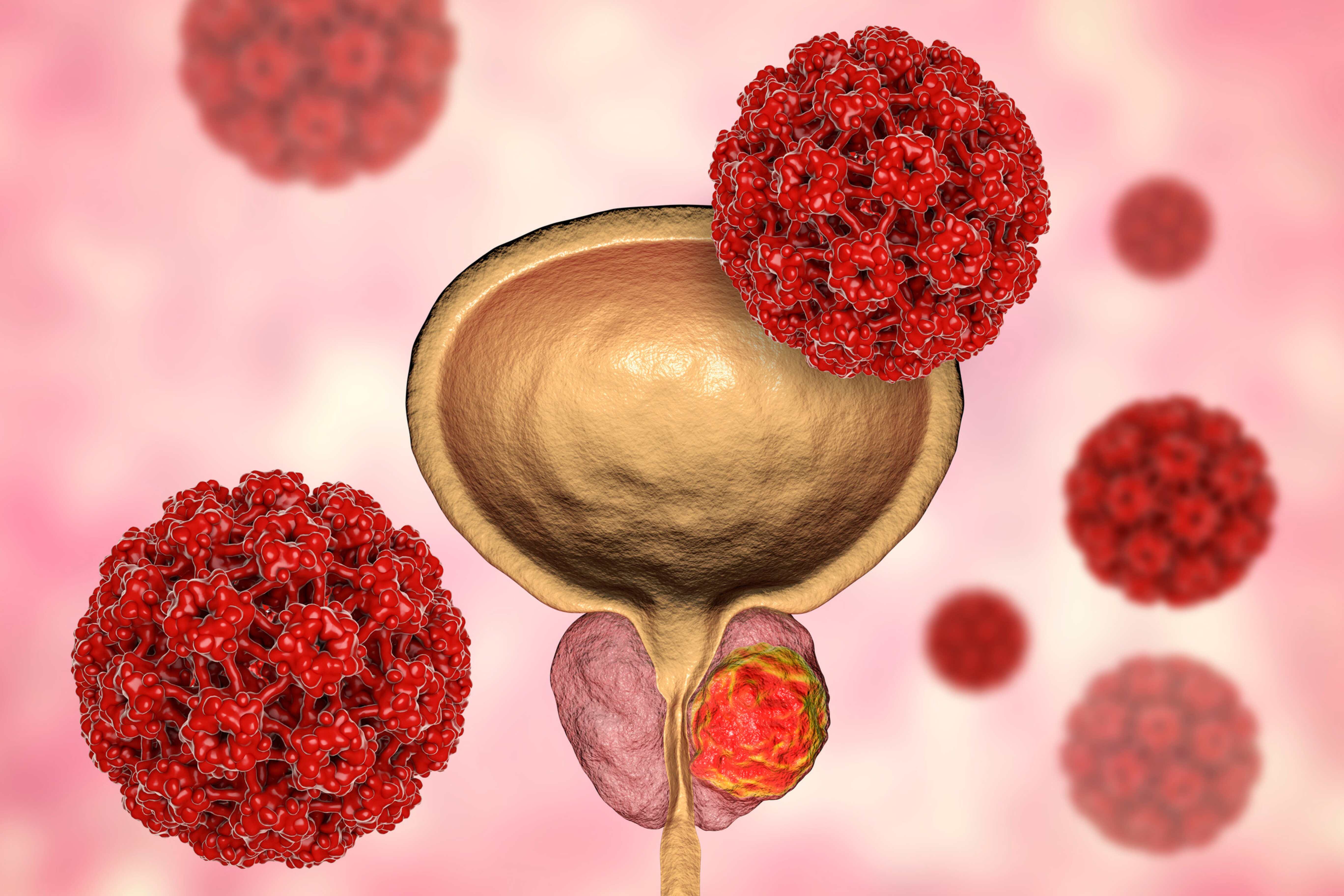
The gland lies below the bladder and surrounds the urethra. That’s why the first signals are often urinary. The anatomy is in what the prostate is and what its function is.
This article is for informational purposes and does not replace medical advice. Food supplements are not medicines and do not diagnose, treat or prevent diseases. If you have symptoms — see a urologist. Consult a doctor before taking a supplement. Results are individual.
The most common urinary signs
Men most often describe these changes:

- frequent urination during the day, in small amounts;
- waking at night (nocturia) two or more times;
- a strong, sudden urge that is hard to put off;
- waiting before the stream starts, interruptions or dribbling at the end;
- a weak or thin stream;
- a feeling that the bladder isn’t empty;
- burning when urinating;
- blood in the urine — always a reason to see a doctor, not “we’ll see tomorrow.”
Waking once at night after a late dinner is not a diagnosis. A pattern that lasts for weeks, gets worse or breaks up your sleep — is. The same goes if you have to plan trips around bathrooms.
Pain and discomfort
The pain doesn’t always sit “in the prostate.” It often spreads to the perineum (between the scrotum and the anus), the penis, the groin, the lower abdomen or the lower back. It can last for months with chronic prostatitis / pelvic pain syndrome. The detailed map is in where it hurts and what to do.
Fever, chills and severe pain with difficult urination point to an acute infection. This is an emergency: you need a doctor the same day, not tea and a capsule.
Sexual changes worth mentioning
These are nothing to be embarrassed about in the urologist’s office. Useful to mention:
- painful ejaculation;
- lower volume of semen or blood in the semen;
- erection difficulties that are new for you;
- a drop in desire together with pain or urinary symptoms.
These signs overlap with stress, lack of sleep, medicines and vascular health. That’s why they aren’t treated blindly with a “men’s formula.” For a wider context without miracles, see natural solutions for potency and libido.
What isn’t a reliable sign — and what is urgent
The size of the gland on a forum or the “hardness” you feel yourself is not a diagnosis. A PSA bought at a lab without a consultation isn’t a verdict either: it’s read together with age, the prostate itself, inflammation and medicines.
Seek help urgently if:
- you can’t urinate at all;
- there is visible blood in the urine;
- you have a high fever, chills, weakness;
- the pain is sudden and severe;
- there is swelling, pus or signs of sepsis.
How the urologist narrows down the possibilities
The conversation usually starts with a questionnaire about the lower urinary tract (often the IPSS): how many times at night, how long you wait, how much it dribbles. Then come an exam, a urine test, sometimes a urine culture, PSA and an ultrasound. If cancer is suspected, MRI and a biopsy are discussed — that is not the first step for every man who urinates at night.
Early detection makes sense because BPH can damage the bladder if it’s ignored for years, and prostate cancer is often silent. Men around 50, or earlier with a family history, should start the conversation even without complaints. That’s screening, not panic.
What you can track at home until the exam
Before the appointment, it helps to write down:
- how many times you got up at night in the last seven days;
- whether there is burning, blood or fever;
- which medicines and supplements you take (including antihistamines and cold medicines — some make emptying harder);
- whether the symptoms are linked to coffee, alcohol or long periods of sitting.
Cut down on evening fluids and caffeine if they wake you. Don’t hold in urine by force. Don’t start an antibiotic “just in case.” Don’t double the dose of herbs.
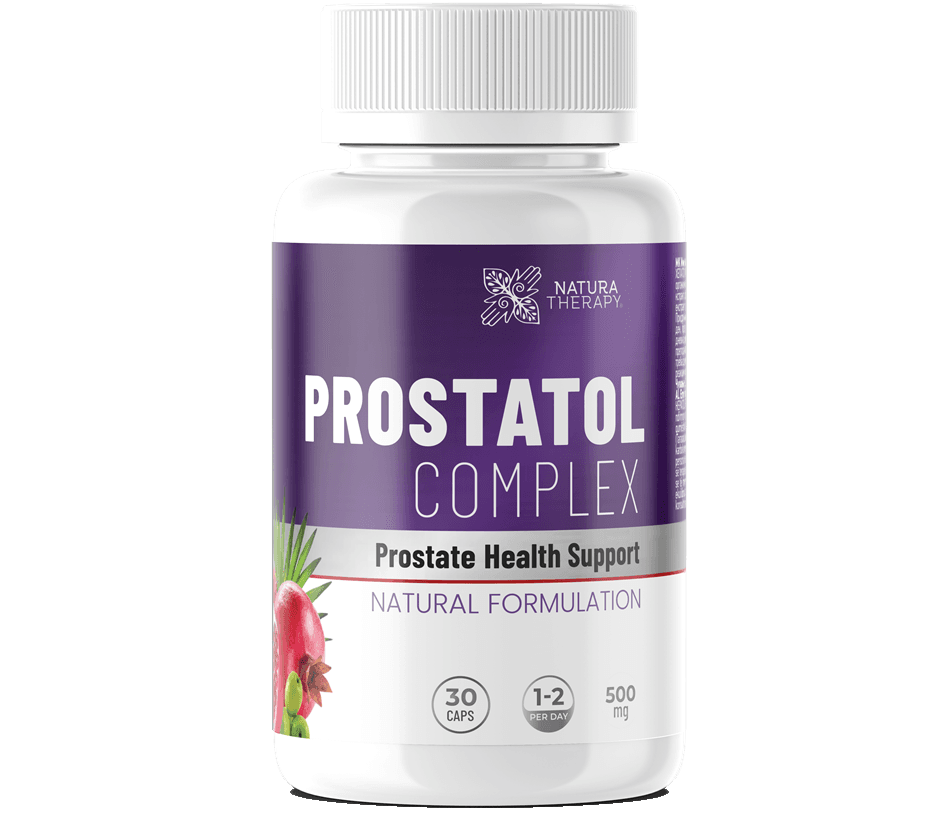
After diagnosis, if the urologist confirms that it’s a matter of comfort with BPH and there are no red flags, plant-based support such as Prostatol Complex can be considered as a food supplement — not as a medicine. More choices are in Men’s health.
A one-week log that helps the urologist
You don’t need expensive equipment before the appointment. For seven days, write down: how many times you got up at night, how many times you went during the day, whether the stream was weak, whether there was burning, whether you had coffee or alcohol after 18h, and whether your pelvis hurt. It’s a rough home version of what doctors measure with the IPSS — an international set of questions about the lower urinary tract.
At the exam, also say which medicines for blood pressure, allergies or colds you take. Decongestants and some antihistamines make emptying harder. Say whether you have diabetes or a neurological disease, or have had pelvic surgery. These details change the differential more than any supplement.
Common mistakes: waiting to “get used to” waking up three times a night; buying a capsule to avoid an exam; drinking less water all day and then making up for it in the evening. The last one makes nocturia worse. Another mistake is measuring PSA on your own without mentioning that you had prostatitis or ejaculated the day before — the number gets misread.
If after the week the log is nearly empty but the worry remains because of age or family history, go anyway. Screening doesn’t require you to have symptoms. If the log is full, bring it on paper. In five minutes the doctor sees a pattern that gets lost in conversation.
It’s also useful to assess the daily habits that distort the stream: whether you drink three coffees, whether an evening beer is the rule, whether you sit for nine hours without a break, whether you wake up from snoring. These things don’t rule out BPH, but they explain part of the nocturia. After the exam, if the finding is mild, this is exactly where quality of life changes — sooner than with a capsule. If the finding is serious, the log shows the urologist how quickly you are getting worse, which matters when deciding between monitoring, medicine and a procedure. Bring your phone with a water or sleep app too, if you use one — rough numbers are better than memory at the start of the conversation.
Frequently asked questions
- Does frequent urination always mean the prostate?
- No. Diabetes, infection, excessive fluids, caffeine, medicines and an overactive bladder give a similar picture. That’s why a test is done, not a guess.
- How many night-time wakings are too many?
- One may be a habit. Two or more on a regular basis, especially with a weak stream, are worth checking.
- Is a PSA test mandatory?
- Not for everyone and not automatically every year. It’s discussed based on age, risk and previous values. The doctor interprets, not the number on its own.
- Can stress cause the same symptoms?
- Stress intensifies the feeling of urgency and pelvic tension, especially with chronic pelvic pain. It doesn’t rule out the need for an exam the first time.
- Will a supplement tell me whether I have a problem?
- No. A supplement is not a test. If you have symptoms, see a urologist first. Then, if appropriate, a conversation about diet and the label.
- From what age should I go, even without complaints?
- Often around age 50; earlier if your father or brother had prostate cancer. The specific plan is made by the doctor.
- What if I’m embarrassed to talk about sex?
- At least say whether there is pain on ejaculation or a new change in erections. It changes the differential and is part of the same gland.
This article is for informational purposes and does not replace medical advice. Food supplements are not medicines and do not diagnose, treat or prevent diseases. Consult a doctor before use. Results are individual.