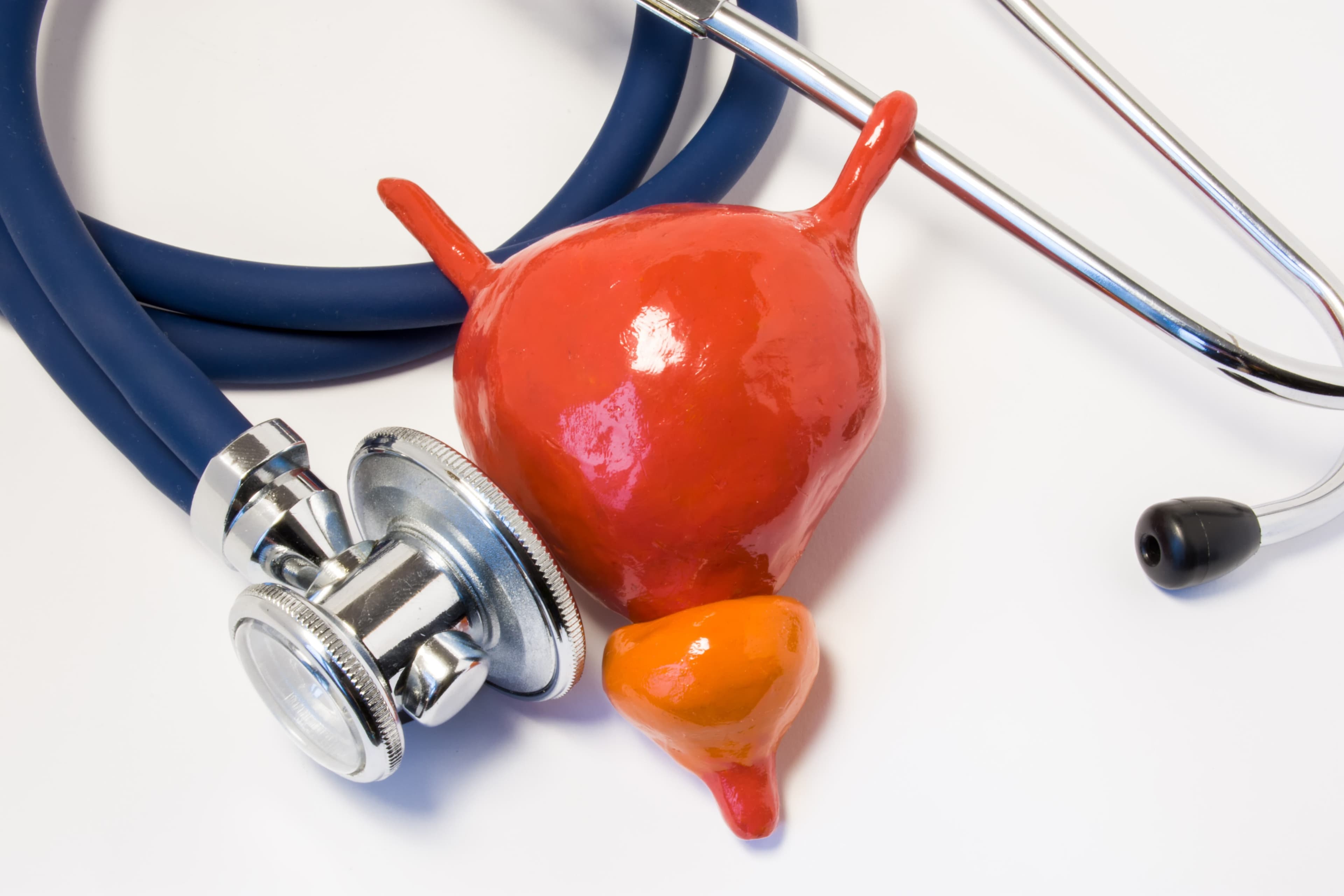
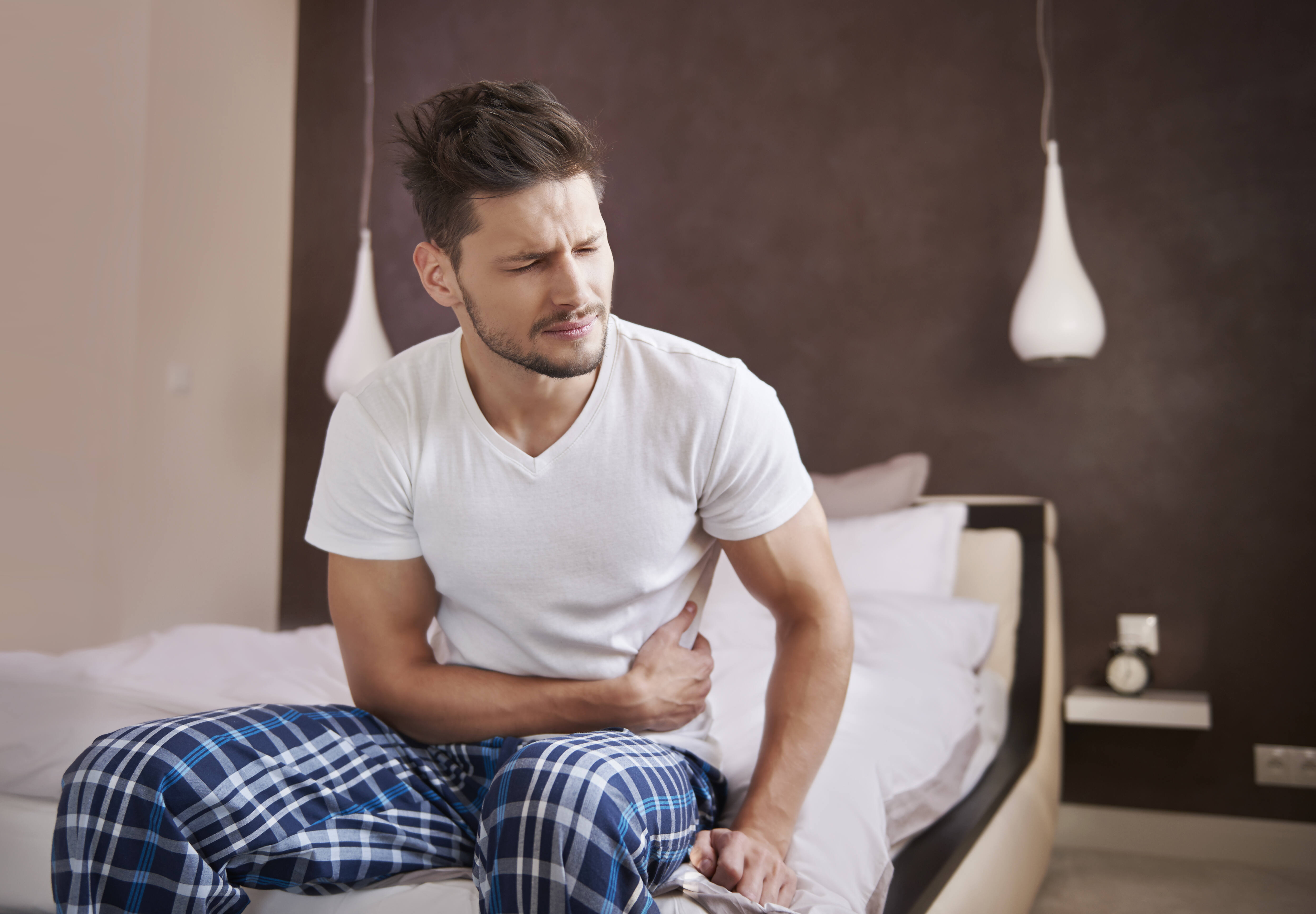
“My prostate hurts” most often means a deep pain that is hard to pinpoint: the crotch, groin, tip of the penis, lower back or inner thighs. The gland itself has no skin you can touch. The nerves around it, the pelvic floor and the bladder carry the signal to another place.
That’s why a pain map is useful, but it is not a diagnosis. The same zone can come from prostatitis, chronic pelvic pain syndrome, BPH with an overstrained bladder, and less often from advanced disease. The starting point is in how to know if you have a problem.
This article is for informational purposes and does not replace medical advice. Food supplements are not medicines and do not diagnose, treat or prevent disease. With severe pain, fever or urinary retention — get emergency help. Consult a doctor before taking a supplement. Results vary from person to person.
Where it is most often felt
Pelvis and crotch
The most typical spot is the perineum — the soft area between the scrotum and the anus — felt as heaviness, burning or a “ball” when you sit. In chronic prostatitis this lasts for weeks and months and often gets worse after a long day of sitting or after ejaculation. Doctors then also speak of chronic pelvic pain syndrome: pain is the main symptom, and bacteria are not always found.
Lower back and thighs
Pain radiating to the lower back and buttocks occurs with pelvic tension, but also when the disease is advanced and affects the bones. One article cannot tell the two apart. New, nighttime, progressive bone pain with weight loss or neurological signs is a medical alarm, not a topic for herbs.
Genitals and groin
Pain in the penis, the scrotum or the groin often comes with burning when urinating or after sex. Urethritis, infection and, in young men, a sexually transmitted infection need to be ruled out. Prostatitis itself is not a classic STD, but it can go together with an infection of the urethra.
What is usually behind the pain
The three big groups are the same as in the other articles about the gland:
- Prostatitis — acute bacterial (sudden, with fever) or chronic / CPPS (long-lasting, with pain in the foreground).
- BPH — more pressure and urgency than sharp pain, but an overstrained bladder does hurt.
- Cancer — rarely hurts in the early stage; pain is a later sign and gets checked, not assumed.
Other sources that get mixed in: hemorrhoids, a fissure, coccygodynia, a kidney stone, a hernia, a tense pelvic floor after training or cycling. That’s why a home-made “it must be the prostate” conclusion is weak.
What medicine does — and what a supplement doesn’t
The urologist starts with a conversation, an examination, a urine test and, if needed, a culture before and after a prostate massage in the office. The acute bacterial form is treated with an antibiotic chosen by the doctor; sometimes hospitalization is needed. Chronic pain requires a longer plan: pain medicines or alpha-blockers when indicated, pelvic floor physiotherapy, stress management, and rarely a surgical approach.
Self-massage of the prostate is not a home remedy. It can be harmful during an acute infection. Minimally invasive procedures (laser, steam, microwaves) are an option for selected men with obstruction — they are proposed by a specialist, not a blog.
Habits that reduce irritation
- urinate when you feel the urge; don’t “run around” with a full bladder for hours;
- cut down on coffee, alcohol and fizzy drinks if they trigger the urge;
- fewer fluids in the two hours before bed;
- get up from your chair every 45–60 minutes;
- warmth on the pelvis (a warm shower, not a scalding pad on the skin) can temporarily ease the tension;
- avoid very tight underwear and long bike rides while the pain is sharp.
Where herbal support fits in
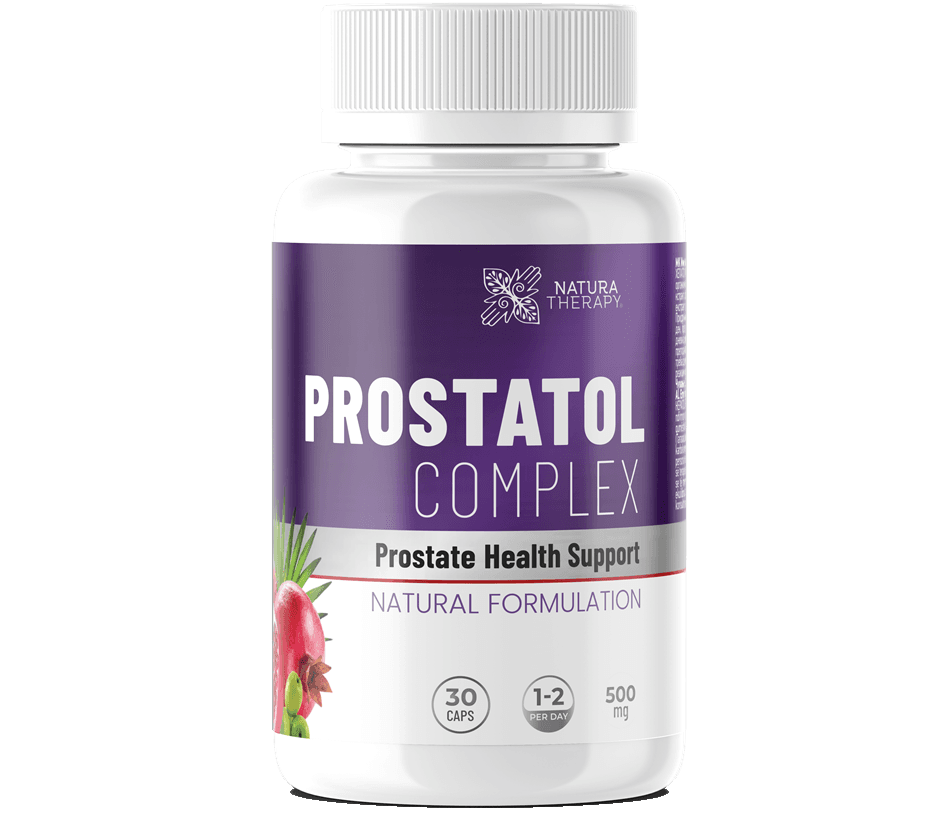
Once red flags have been ruled out, some men talk to their doctor about diet and extracts traditionally associated with urinary comfort — saw palmetto, nettle, pumpkin seeds, zinc. That is support, not a painkiller and not an antibiotic. Prostatol Complex is one such combination in the Men’s health category.
If the pain comes with a drop in desire or erection, the cause is looked for first. In parallel, for habits and herbs without the “alpha” vocabulary, see potency and libido.
Pelvic floor, cycling and desk work
In many men with chronic pain the ultrasound is “normal,” yet the pain is real. The pelvic floor muscles can stay in spasm after an infection, after stress or after hours on a hard chair. In that case the prostate is an accomplice, not the only culprit. A physiotherapist trained in the male pelvis teaches relaxation, not just “squeeze like an elevator.”
A bicycle presses on the perineum. If your crotch burns for days after 20 kilometers, change the saddle, the angle and your clothing, or rest until the acute phase passes. The same goes for a hard gym bench, long drives and sitting with a wallet in your back pocket.
A warm shower in the evening, short breaks every hour and belly breathing are not alternative medicine — they reduce the amplification of incoming pain signals. If after two months of physiotherapy and normal findings nothing has shifted, the urologist looks for another layer: a medicine for neuropathic pain, an assessment for depression or a rare neurological cause.
What to say at the first appointment
Prepare five sentences: where it hurts most; since when; what sets it off (sitting, sex, coffee, workouts); whether there is fever or blood; which medicines and supplements you take. Say whether it hurt after ejaculation and whether you have a new partner without protection. Embarrassment delays the right swab.
Don’t ask the doctor for an antibiotic right away “just in case.” Ask for a plan: what gets checked this week, what gets monitored for one month, and when it’s an alarm. Write the plan down. Chronic pelvic pain is managed with patience, not by rotating five antibiotics.
While you wait for an appointment, avoid experiments that increase irritation: very hot spices, long drives without a break, new “core” exercises with breath-holding, cold baths aimed at the groin. Don’t drink alcohol to fall asleep despite the pain — the morning is worse. If the pain wakes you every night or keeps you from sitting at work, tell the reception desk: it’s not a whim, but a functional decline that deserves an earlier appointment. Your partner can come with you if that makes it easier to remember details. One witness to the pattern is worth more than five forum diagnoses. Also write down what you have already tried: a warm shower, a break from cycling, a short antibiotic course last winter. Repeating the same medicine without a new finding rarely brings peace.
Frequently asked questions
- Does lower back pain mean prostate cancer?
- Usually not. Lower back pain comes from the muscles, discs and pelvic floor. New, nighttime, progressive bone pain should still be checked by a doctor, not soothed with a supplement.
- Why does it hurt more when I sit?
- Sitting presses on the perineum and tightens the pelvic floor. Short breaks, a softer cushion and physiotherapy are often part of the plan for chronic pain.
- Can I massage my prostate at home?
- Not as a stand-alone treatment. During an acute infection it is risky. If the doctor considers massage at all, it is done under controlled conditions.
- Is an antibiotic always needed?
- Only when there is evidence or a strong suspicion of bacteria. The most common chronic syndrome is not purely bacterial. A self-prescribed antibiotic creates resistance and muddies the examination.
- When is it urgent?
- High temperature, chills, vomiting, inability to urinate, severe one-sided pain toward the flank or blood in the urine — emergency services.
- Will a supplement help the same evening?
- No. Herbal support is not a pain medicine. A realistic conversation comes after weeks, and only if the diagnosis is clear.
- Does sex make the pain worse?
- In some men ejaculation temporarily flares up the symptoms, in others it brings relief. Write down the pattern and tell your urologist; don’t experiment with pain.
This article is for informational purposes and does not replace medical advice. Food supplements are not medicines and do not diagnose, treat or prevent diseases. Consult a doctor before use. Results are individual.