
Black Friday: discounts up to 70%See the products on sale →LIMITED QUANTITIES!
•23 MIN READ

Magnesium citrate, bisglycinate or magnesium + B6: which to choose and when to take it

Quick answer Bisglycinate: the best everyday choice for most people. It is gentle on the stomach, rarely loosens stools and fits easily into an evening routine. Citrate: cheaper and well absorbed. Its mild effect on the…

Magnesium citrate, bisglycinate or magnesium + B6: which to choose and when to take it

Quick answer

  • Bisglycinate: the best everyday choice for most people. It is gentle on the stomach, rarely loosens stools and fits easily into an evening routine.
  • Citrate: cheaper and well absorbed. Its mild effect on the bowels suits some people and not others.
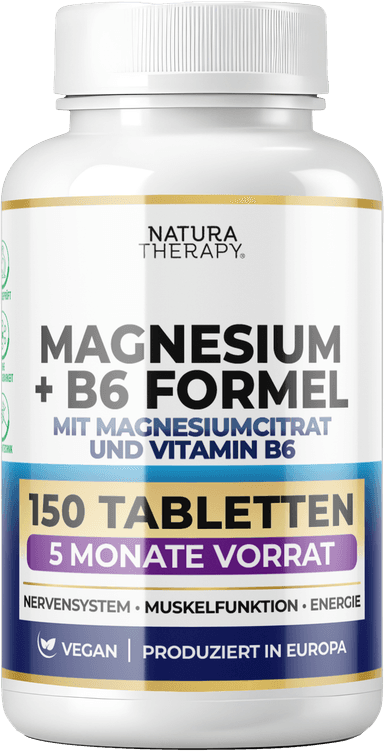
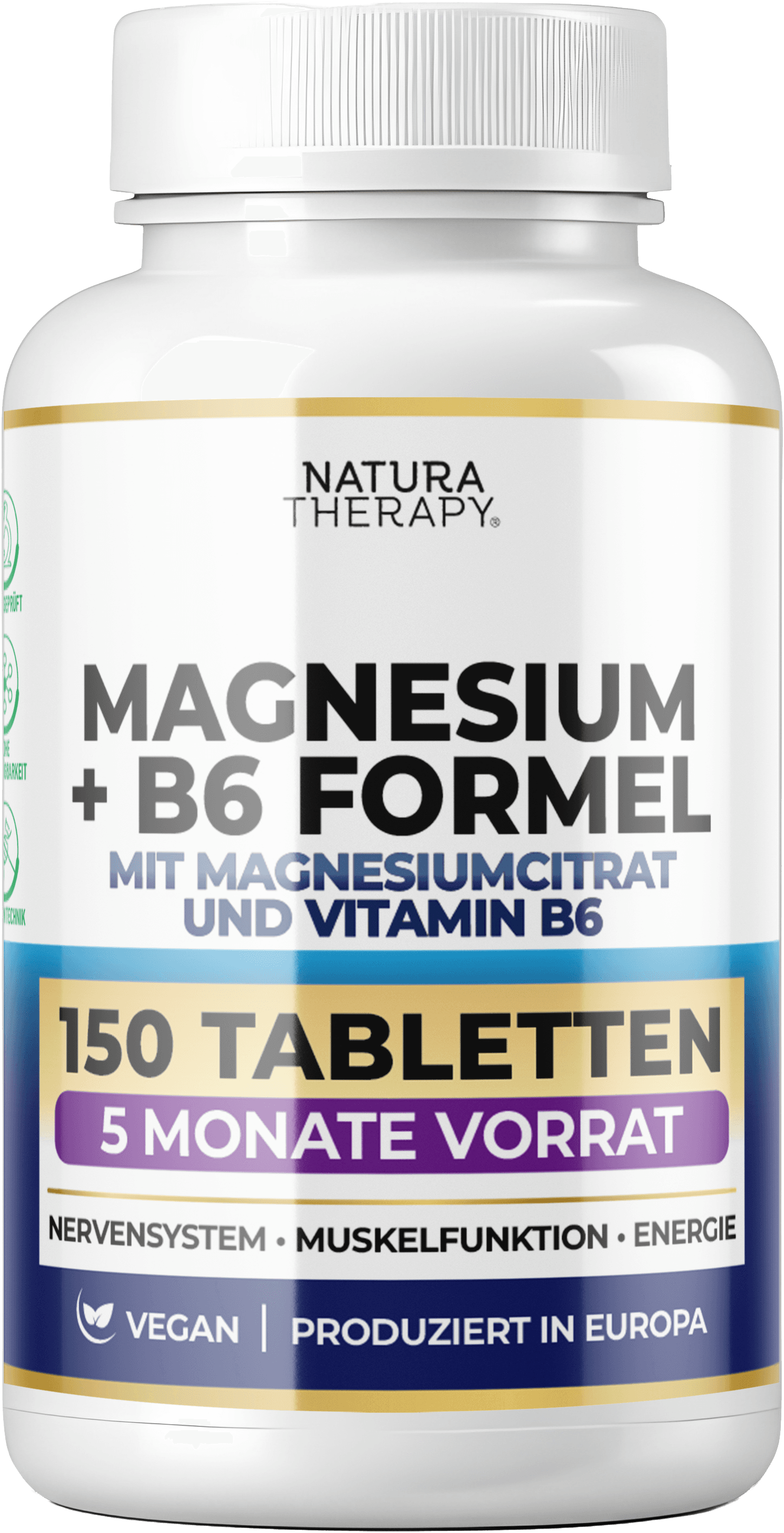
  • Magnesium + B6: for tense periods and tiredness. B6 contributes to normal psychological function and to the reduction of tiredness.
  • How: every day at the same time, up to 250 mg of magnesium a day from all supplements combined.

People here search for “magnezium citrat,” “magnezium bisglicinat,” “magnesium glycinate mk,” “magnesium mk,” and the question is always the same: which one to take, how much and when. Below are the studies on sleep, cramps and stress, without embellishment, and how much elemental magnesium each of our products gives per day, and for how many denars.

If you are more interested in the role of magnesium in the heart, muscles and training, we described it in the article Magnesium for a healthy heart and healthy muscles. Here we focus on the choice.
01Quick pick

Which magnesium for what

First, a quick overview for those who want an answer in one minute. Each situation is explained below.

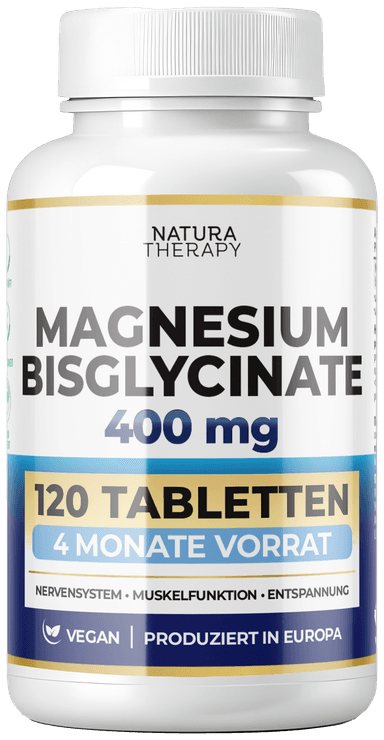
  1. Magnesium Bisglycinate
    01Everyday base, “I don’t know which one”

    Bisglycinate

    Why: Gentle on the stomach, easy to take long termEvidence: Good tolerability is clear; the difference in absorption between organic forms is small
  2. Magnesium Bisglycinate
    02Evening routine and winding down more easily

    Bisglycinate, in the evening

    Why: No laxative effect, fits easily into an evening ritualEvidence: Sleep studies show a modest and inconsistent effect
  3. Magnesium BisglycinateMagnesium Citrat
    03Leg cramps

    Bisglycinate or citrate

    Why: Magnesium contributes to normal muscle functionEvidence: Weak: in older people, studies found no significant effect
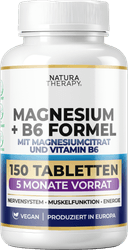
  4. Magnesium + B6
    04Demanding period, stress, tiredness

    Magnesium + B6

    Why: Both contribute to the nervous system and to reduced tirednessEvidence: One larger study, benefit mainly with severe stress
  5. Magnesium Bisglycinate
    05Sensitive stomach

    Bisglycinate

    Why: Least likely to cause diarrheaEvidence: Well known from practice
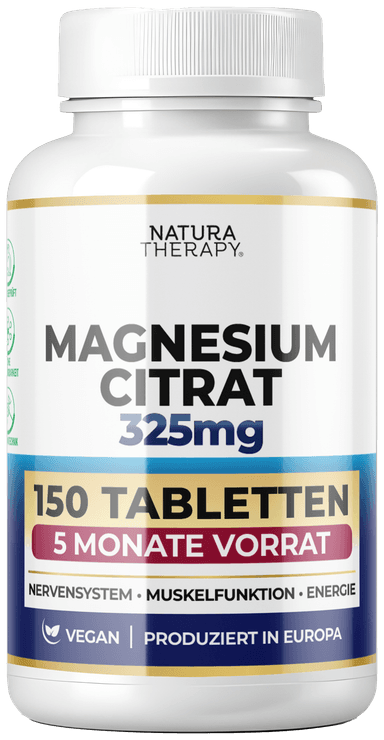
  6. Magnesium Citrat
    06Tendency toward hard stools

    Citrate

    Why: Draws water into the gut, so in some people it softens the stoolEvidence: A known effect, stronger at higher doses; if it persists, see a doctor
  7. Magnesium CitratMagnesium Bisglycinate
    07Athletes, heavy sweating

    Citrate or bisglycinate, plus fluids

    Why: Electrolyte balance and muscle functionEvidence: Magnesium does not replace water and salt
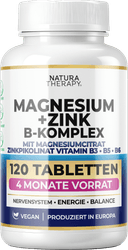
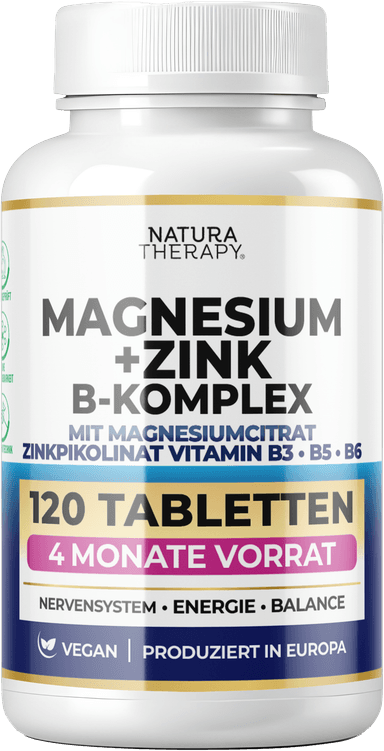
  8. Magnesium + Zinc + B-Complex
    08A broad combination in one tablet

    Magnesium + Zinc + B-Complex

    Why: Magnesium, zinc and B3, B5, B6 togetherEvidence: Taken as a base, not for a specific goal
  9. 09Pregnancy and breastfeeding

    A doctor or gynecologist first

    Why: Your doctor decides the dose and formEvidence: Not enough quality studies for routine use
02Types of magnesium

How the forms differ

The magnesium in supplements is never “pure.” It is always bound to some other molecule: citric acid, an amino acid or oxygen. That molecule determines how well it dissolves, how well it “sits” in your stomach and how much it costs.

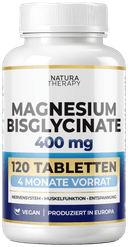
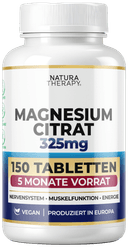
NaturaTherapy’s four magnesiums: Magnesium Bisglycinate, Magnesium Citrat, Magnesium + B6 and Magnesium + Zinc + B-Complex

What “elemental magnesium” means

This is the most important number on the label, and many people skip it. When it says “400 mg magnesium bisglycinate,” that is the weight of the whole compound. The magnesium itself in it is much less.

So compare products only by elemental magnesium. That is the number that adds up when you take several supplements, and it is the number the recommended limits apply to.

45.6 mgelemental Mg per tablet
52 mgmagnesium

Bisglycinate (glycinate)

  • Bisglycinate and glycinate are the same in practice: magnesium bound to two molecules of the amino acid glycine. This form is called a chelate.
  • According to studies, in people with impaired intestinal absorption, glycinate is absorbed better than oxide.
  • Its biggest advantage is not “super absorption,” but that it rarely causes diarrhea and bloating, so it is easy to take for months.
  • It is not a “sleeping pill”: glycine has been studied for sleep at doses of about 3 grams, and the tablets contain much less.

Citrate

  • Magnesium bound to citric acid. It dissolves well in water and is well absorbed.
  • Research shows that citrate produces a high level of magnesium in the blood, higher than both amino acid chelate and oxide. The difference between the good organic forms is small.
  • It draws water into the gut: at lower doses it usually isn’t noticeable, at higher doses it can soften the stool. With a sensitive stomach, start with one tablet.
  • “Magnesium citrate use”: 1 to 2 tablets a day with a large glass of water, ideally after a meal.

Magnesium + B6

  • Magnesium citrate combined with vitamin B6.
  • B6 contributes to normal energy-yielding metabolism, to normal functioning of the nervous system, to normal psychological function and to the reduction of tiredness and fatigue.
  • The combination makes sense when the day is long and your head is full.

Oxide and other forms

  • Oxide is the cheapest and has a lot of magnesium per tablet, but in one study only about 4% was absorbed, and it loosens the stool more often.
  • Malate, taurate and L-threonate are trendy forms, usually more expensive, with few studies in humans. They are not bad, but they have no proven advantage over citrate and bisglycinate for everyday use.

Comparison of the forms

FormAbsorptionStomachPrice
BisglycinateGood; with impaired absorption, better than oxideLeast likely to cause diarrhea and bloatingPricier than citrate
CitrateGood; highest blood level in studiesAt higher doses it can soften the stoolCheaper
OxidePoor, about 4% in one studyLoosens the stool more oftenCheapest
03Sleep

Magnesium for sleep: what the studies really show

This is the most common reason people buy magnesium, so we’ll be direct.

A calm bedroom in the evening: linen bedding, a knitted blanket and a cup of hot tea by the lamp on the nightstand

What does this mean for you?

  • Magnesium is not a sleeping pill and does not treat insomnia.
  • If you get little magnesium from your diet, an evening dose can be a pleasant part of your wind-down routine.
  • The routine works best alongside other habits: the same bedtime, less screen time, a warm herbal tea, a dark and cool room.

What the studies show

Small effect in older people with insomnia

According to studies, in older people with insomnia magnesium led to better sleep and to falling asleep slightly faster than placebo. The quality of those studies is rated as low.

Those with a low intake benefit most

Research with bisglycinate shows a small improvement in sleep, mostly in people who get little magnesium from their diet.

The evidence is not consistent

Reviews of all the studies conclude that the results are inconsistent, so magnesium is not recommended as a routine treatment for insomnia.
  • Tip: Take the bisglycinate 30 to 60 minutes before bed, with a glass of water or caffeine-free tea. If the problem is specifically falling asleep, melatonin has an approved EU claim: it contributes to the reduction of time taken to fall asleep when 1 mg is taken before bedtime. More about it on the Melatonin page.

If insomnia lasts longer than a few weeks, talk to a doctor. It often has a cause that no supplement will solve.

04Cramps

Magnesium for leg cramps

“I get cramps at night, which magnesium should I take?” This is perhaps the most common question we get. The answer is less exciting than you might expect.

A woman in dark green leggings stretches her foot on a light blue exercise mat

What the studies show

In older people: probably no difference

According to reviews of the studies, in older people with frequent cramps magnesium probably makes no clinically significant difference compared with placebo.

In pregnancy: unclear

Research on cramps in pregnancy has conflicting results, so it is not possible to conclude whether any method really helps.

What this means

  • Magnesium contributes to normal muscle function and to electrolyte balance, so it is not unimportant.
  • If you get little magnesium from your diet or sweat a lot, a supplement makes sense as a base.
  • Don’t expect one tablet to wipe out cramps overnight.
  • When to see a doctor about cramps: if they happen every day, if the leg is swollen or red and warm, if you have weakness or tingling, if you take diuretics or blood pressure medicines, or if the cramps started after a new medicine.
05Stress and tiredness

Magnesium and B6 for stress and tiredness

Why magnesium and B6 together? The idea is that both take part in the work of the nervous system and in energy production, so they complement each other.

A morning desk by a window: a laptop, a glass of water, coffee and oatmeal with banana and almonds

What the studies show

Less stress, with and without B6

In adults with marked stress and low magnesium, stress decreased by 43 to 45% after 8 weeks, similarly with magnesium alone and with magnesium + B6.

B6 helps with the most severe stress

In people with the most severe stress, the combination with B6 gave about a 24% better result.
  • Limitations: that study was funded by a manufacturer, there was no placebo group, and the doses were higher than those in most supplements. Reviews of the research also conclude that the evidence on magnesium and stress is promising but weak.

In practice: if you are going through a stressful period, working a lot and feeling “drained” in the evening, Magnesium + B6 is a reasonable daily base. Magnesium contributes to the reduction of tiredness and fatigue, and B6 to normal psychological function. If you are looking for herbal support, also read about ashwagandha.

  • Important: Persistent anxiety, panic attacks and depression are health conditions. No magnesium is a substitute for talking to a doctor or psychologist.
06Dose

How many mg of magnesium a day

350 mgmen, from all sourcesadequate daily intake (EFSA)
300 mgwomen, from all sourcesmost of it should come from food
250 mgupper limit for supplementsfor adults; above that, the risk of diarrhea rises. Magnesium from food does not count
52 to 104 mgour products per daya supplement to the diet, far below the upper limit
Our products vs. the 250 mg upper limit
Magnesium Citrat (1 tablet)52 mg
Magnesium + B664 mg
Magnesium + Zinc + B-Complex80 mg
Magnesium Bisglycinate (2 tablets)91 mg
Magnesium Citrat (2 tablets)104 mg
Upper limit for supplements (EFSA)250 mg

The studies mentioned above used higher doses, from 250 to 500 mg, so their results cannot be directly applied to a single tablet. Do not exceed the dose on the pack without a doctor’s advice.

Pumpkin seeds, almonds, fresh spinach, beans and a piece of dark chocolate on a light stone kitchen table, natural daylight

How much magnesium is in food

The body absorbs about 30 to 40% of the magnesium in food. The best sources (data from NIH and USDA):

Pumpkin seeds, a handful (28 g)about 156 mg
Almonds, a handful (28 g)about 80 mg
Spinach, cooked, half a cupabout 78 mg
Cashews, a handfulabout 74 mg
Black beans, cooked, half a cupabout 60 mg
Banana, one mediumabout 32 mg
Whole-grain bread, one sliceabout 23 mg

Dark chocolate, rolled oats, lentils and brown rice also help. If you eat a handful of seeds or nuts and some vegetables every day, you are already well covered. When your menu is full of white flour and processed food, that is when a supplement makes the most sense.

07How to take it

When and how to take magnesium

An exercise mat, a bottle and a glass of water on a sunny balcony with an olive tree and lavender, in the morning, overlooking green hills and rooftops
1

Morning or evening

No study has shown that one time of day is better for absorption. What matters more is taking it every day at the same time. Still, there is a practical rule:

  • Bisglycinate: in the evening, 30 to 60 minutes before bed, if you use it as part of an evening routine. If it suits you better, you can also take it during the day.
  • Citrate: after dinner or before bed, but if it softens your stool, better during the day, after lunch.
  • Magnesium + B6 and Magnesium + Zinc + B-Complex: in the morning or at midday with a meal, because we associate B vitamins with the daily rhythm.
2

With food or on an empty stomach

Magnesium can also be taken on an empty stomach, but it is usually better tolerated with a meal.

If you take two tablets, you can split them between two times of day, for example one at lunch and one in the evening. A split dose is easier to tolerate than the whole dose at once.

Two white tablets in a palm next to a glass of water on a wooden kitchen table
3

With coffee, zinc, calcium and vitamin D

  • Coffee: there is no known harmful interaction. Caffeine slightly increases the loss of minerals in urine, so if you drink a lot of coffee, take magnesium with a meal rather than right with your coffee.
  • Zinc and B6: they combine without any problem. Zinc interferes with magnesium only in very large doses (in the study that was 142 mg of zinc daily), not in the amounts found in supplements.
  • Calcium: if you take a larger dose of calcium, take them at different times of the day.
  • Vitamin D: magnesium and vitamin D can be taken together.
  • Several forms at once: if you take both bisglycinate and citrate, or a multivitamin and electrolytes with magnesium, add up the total magnesium. Don’t take two full doses “just in case.”
  • Tip: Put the pack next to your toothbrush or your bedside lamp. Magnesium works with regular use, and regular use is easiest to keep up when the pack is right in front of you.
08Expectations

How long before you feel an effect

Magnesium is not coffee and does not work within half an hour. This is the realistic timeline:

The first days
Don’t expect anything special, except perhaps softer stools if you started with citrate.
From 2 to 4 weeks
In sleep and stress studies, the first changes are measured after about 4 weeks, and by then some people notice a difference in tiredness and in their evening rhythm.
From 6 to 8 weeks
Most studies last this long. This is the point at which it’s fair to judge whether it helps you.

If you notice nothing after two months of regular use, you probably didn’t have a deficiency, or the problem has another cause. That is useful information too.

09Safety

Safety, side effects and medicines

In healthy people who stick to the dose, magnesium from supplements is safe even for long-term use. You can take it every day for months.

Diarrhea and stomach

The most common side effect is loose stools or diarrhea, less often nausea and stomach cramps. They occur most often with the oxide and with higher doses of citrate, and least often with bisglycinate.

If they appear, lower the dose, split it into two parts or switch to bisglycinate.

Kidneys, pregnancy and children

  • Kidney disease: the kidneys excrete excess magnesium. If they don’t work well, magnesium can build up in the blood. Not without a nephrologist.
  • Pregnancy and breastfeeding: the need is similar, about 300 mg daily from all sources. Reviews of the studies have not found enough good-quality evidence for routinely giving magnesium during pregnancy. That is why the gynecologist decides the form and the dose.
  • Children: our magnesium products are intended for adults. For children and teenagers, only on a pediatrician’s advice.

Medicines that call for caution

If you take any of these medicines, talk to a doctor or pharmacist first:

Antibiotics from the tetracycline (doxycycline) and quinolone (ciprofloxacin, levofloxacin) groups: take the antibiotic at least 2 hours before or 4 to 6 hours after the magnesium.
Bone medicines (bisphosphonates, for example alendronate): separate by at least 2 hours.
Thyroid medicines (levothyroxine): separate by several hours, as your doctor advises.
Stomach medicines (proton pump inhibitors, for example pantoprazole, omeprazole), if you take them for longer than a year: they can lower the magnesium in your blood, so your doctor should check it.
Diuretics (water pills) and medicines for the heart or blood pressure.
10Our magnesium products

Comparison with prices per day

All four products are tablets with a vegan composition. Prices are from the website, and the price per day is calculated for the dose on the label.

  • Vegan composition
  • Tablets
  • Price per day at the label dose
  • Free delivery over 1,800 MKD
Our most requested magnesium
Magnesium Bisglycinate

Magnesium Bisglycinate

Bisglycinate (chelate) · 45.6 mg per tablet · 120 tablets (≈ 60 days)
Mg per day
91 mg
serving
2 tablets
per day
≈ 16 MKD
975 MKDView
Magnesium Citrat

Magnesium Citrat

Citrate · 52 mg per tablet · 150 tablets (75–150 days)
Mg per day
52–104 mg
serving
1–2 tablets
per day
≈ 6.5–13 MKD
975 MKDView
Magnesium + B6

Magnesium + B6

Citrate + 1.92 mg B6 · 64 mg per tablet · 150 tablets (≈ 150 days)
Mg per day
64 mg
serving
1 tablet
per day
≈ 7 MKD
1,000 MKDSee
Magnesium + Zinc + B-Complex

Magnesium + Zinc + B-Complex

Citrate + 3 mg zinc + B3, B5, B6 · 80 mg per tablet · 120 tablets (≈ 120 days)
Mg per day
80 mg
serving
1 tablet
per day
≈ 8 MKD
1,000 MKDSee

Full overview

ProductMg per tabletDoseMg per dayTabletsPricePer day
Magnesium Bisglycinate
Bisglycinate (chelate)
2 tablets × 45.6 mg · 120 tablets (≈ 60 days)
45,6 mg2 tablets91 mg120 (≈ 60 days)975 MKD≈ 16 MKD
Magnesium Citrat
Citrate
1–2 tablets × 52 mg · 150 tablets (75–150 days)
52 mg1–2 tablets52–104 mg150 (75–150 days)975 MKD≈ 6.5–13 MKD
Magnesium + B6
Citrate + 1.92 mg B6
1 tablet × 64 mg · 150 tablets (≈ 150 days)
64 mg1 tablet64 mg150 (≈ 150 days)1,000 MKD≈ 7 MKD
Magnesium + Zinc + B-Complex
Citrate + 3 mg zinc + B3, B5, B6
1 tablet × 80 mg · 120 tablets (≈ 120 days)
80 mg1 tablet80 mg120 (≈ 120 days)1,000 MKD≈ 8 MKD

Price per day

denars a day, for the dose on the label
regular pricein the 2+1 bundle
Magnesium Bisglycinate
regular≈ 16 MKD
2+1about 11 MKD
Magnesium Citrat
regular≈ 6.5–13 MKD
2+14 to 9 MKD
Magnesium + B6
regular≈ 7 MKD
2+1about 4.5 MKD
Magnesium + Zinc + B-Complex
regular≈ 8 MKD
2+1about 5.5 MKD
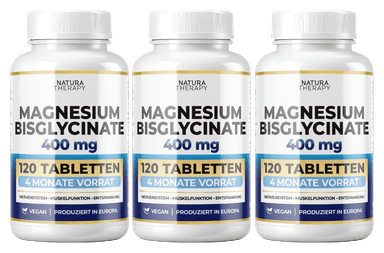
Magnesium Bisglycinate 2+1, three packs for the price of two

2+1 bundle

All four are also available in a 2+1 bundle, three packs for the price of two. Then the bisglycinate comes to about 11 MKD per day, the citrate 4 to 9 MKD, Magnesium + B6 about 4.5 MKD, and Magnesium + Zinc + B-Complex about 5.5 MKD.

Delivery is 150 MKD and free over 1,800 MKD, so the 2+1 bundle covers delivery too.

A water bottle and a folded towel on a wooden park bench after a run, sneakers on the ground, morning sun

Quick pick

  • I don’t know which one, I want one for the long term: Magnesium Bisglycinate, two tablets, in the evening or split between lunch and evening. Our most requested magnesium.
  • I want the best value, and my stomach is fine: Magnesium Citrat or Magnesium + B6, about 7 MKD a day.
  • Demanding period and tiredness: Magnesium + B6, in the morning with breakfast.
  • I want magnesium, zinc and B vitamins in one tablet: Magnesium + Zinc + B-Complex. Zinc contributes to the normal function of the immune system.
  • I work out: magnesium as a base, and for sweat and electrolytes see ISO Max. If you also take creatine, read the creatine guide.
  • Don’t combine two magnesium products from the list at full dose. If, for example, you want bisglycinate in the evening and B6 in the morning, check that the total does not exceed 250 mg of magnesium a day.
11Questions

Frequently asked questions about magnesium

Which magnesium is best?+

For most people, bisglycinate, because it is gentle on the stomach and easy to take over the long term. Citrate is also well absorbed and cheaper. Oxide is the least absorbable.

What is the difference between magnesium citrate and bisglycinate?+

Citrate is bound to citric acid, is well absorbed and can soften stools. Bisglycinate is bound to the amino acid glycine and is the least likely to cause diarrhea. Their absorption is similar.

Are magnesium bisglycinate and glycinate the same?+

Yes, in practice these are two names for the same form: magnesium bound to glycine. “Bis” means that there are two glycine molecules for each magnesium atom.

When should you take magnesium, in the morning or in the evening?+

The most important thing is to take it at the same time every day. Bisglycinate is usually taken in the evening, citrate after a meal, and Magnesium + B6 in the morning or at midday.

How many mg of magnesium per day?+

From all sources, about 350 mg for men and 300 mg for women. From supplements, no more than 250 mg daily. Our products provide 52 to 104 mg per day.

Does magnesium help with sleep?+

Studies show a modest and inconsistent effect, mostly in people who get little magnesium from food. It is not a sleeping pill, but it can be part of an evening routine.

Which magnesium for leg cramps?+

Bisglycinate or citrate. However, the evidence is weak: in older adults magnesium probably does not significantly reduce cramps. If cramps are frequent, have a doctor check the cause.

Why magnesium and B6 together?+

Both contribute to normal functioning of the nervous system and to the reduction of tiredness. In one study in people under severe stress, the combination gave a better result than magnesium alone.

Can you take magnesium with coffee?+

Yes, there is no known harmful interaction. If you drink a lot of coffee, it is better to take magnesium with a meal rather than right with your coffee.

Does magnesium bisglycinate have side effects?+

Rarely. Loose stools or nausea are possible, usually if the dose is exceeded or if it is taken on an empty stomach. Of all the forms, bisglycinate is the least likely to cause diarrhea.

Can magnesium be taken during pregnancy and by children?+

During pregnancy and breastfeeding, only on a gynecologist’s advice, because the doctor decides the dose and the form. Our magnesium products are for adults; for children, see a pediatrician first.

How long can you take magnesium?+

Healthy people who stick to the dose can take it every day for months. If you have kidney disease or take medicines, see a doctor first.

This text is for information only and is not a substitute for advice from a doctor or pharmacist. Food supplements are not medicines and are not a substitute for a varied and balanced diet and a healthy lifestyle. Do not exceed the recommended daily dose. Keep out of reach of children.

Sources 17
  1. Walker A.F. et al., Magnes Res, 2003;16(3):183–191 (PMID 14596323)
  2. Lindberg J.S. et al., J Am Coll Nutr, 1990;9(1):48–55
  3. Firoz M., Graber M., Magnes Res, 2001;14(4):257–262
  4. Schuette S.A. et al., JPEN J Parenter Enteral Nutr, 1994;18(5):430–435
  5. Abbasi B. et al., J Res Med Sci, 2012;17(12):1161–1169 (PMID 23853635)
  6. Mah J., Pitre T., BMC Complement Med Ther, 2021;21:125
  7. Schuster J. et al., Nat Sci Sleep, 2025;17:2027–2040 (doi:10.2147/NSS.S524348)
  8. Lopresti A.L. et al., J Diet Suppl, 2026;23(5):553–581
  9. Garrison S.R. et al., Cochrane Database Syst Rev, 2020;9:CD009402
  10. Luo L. et al., Cochrane Database Syst Rev, 2020;12:CD010655
  11. Makrides M. et al., Cochrane Database Syst Rev, 2014;4:CD000937
  12. Pouteau E. et al., PLoS One, 2018;13(12):e0208454
  13. Boyle N.B. et al., Nutrients, 2017;9(5):429
  14. EFSA NDA Panel, „Dietary Reference Values for magnesium“, EFSA Journal, 2015;13(7):4186
  15. EFSA, Tolerable Upper Intake Levels for Vitamins and Minerals, 2006 (magnesium, SCF 2001)
  16. NIH Office of Dietary Supplements, „Magnesium – Health Professional Fact Sheet“, 2026
  17. Regulation (EU) No 432/2012 (authorized health claims)
RECOMMENDED FOR THIS TOPIC

Related products

We use cookies to analyze traffic and improve your experience. See our privacy policy.