The question people type into a search engine is often “what does aloe vera do for health.” The more honest answer: the plant Aloe barbadensis has a gel rich in water, polysaccharides and enzymes, and a long tradition for skin and digestion. It is not a medicine for chronic diseases, infections or metabolic disorders.
The combination of aloe + vitamin C + D3 + zinc + aronia is a separate, more in-depth article: aloe vera with vitamin C, D3, zinc and aronia. How and when to take the juice is covered in how and when to take aloe vera. Categories: Immunity and Digestive health and detoxification.
What’s in the leaf
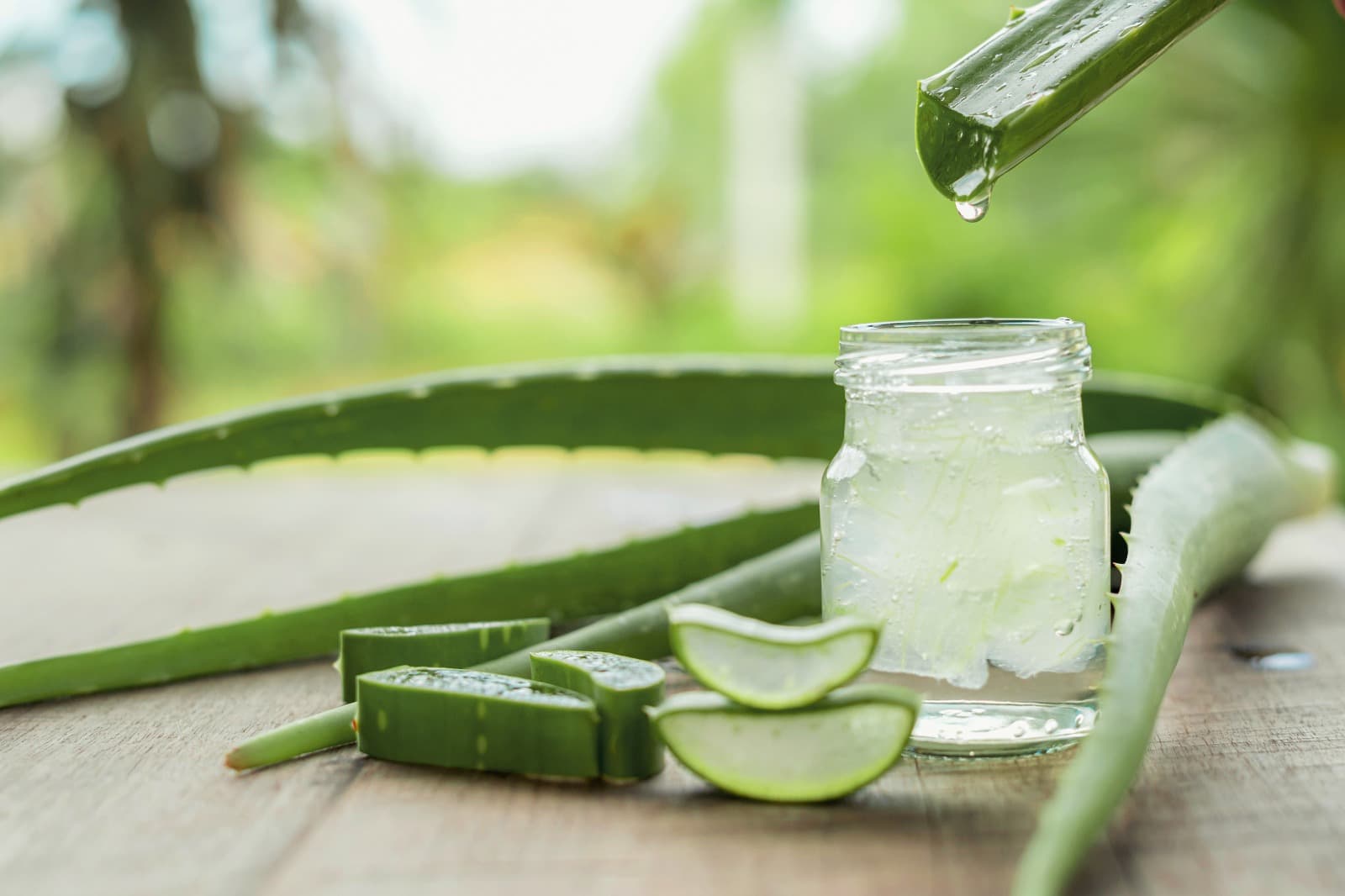
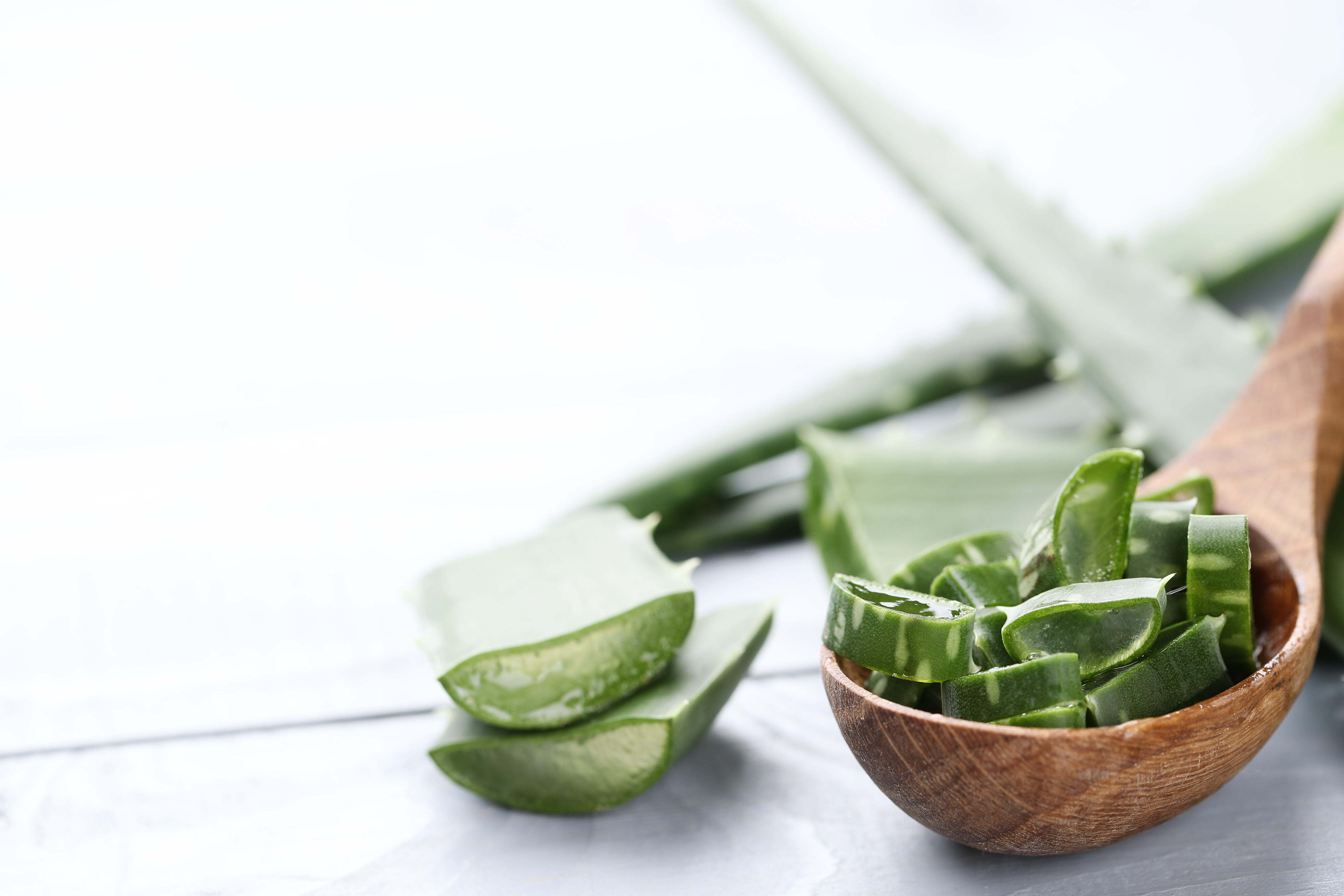
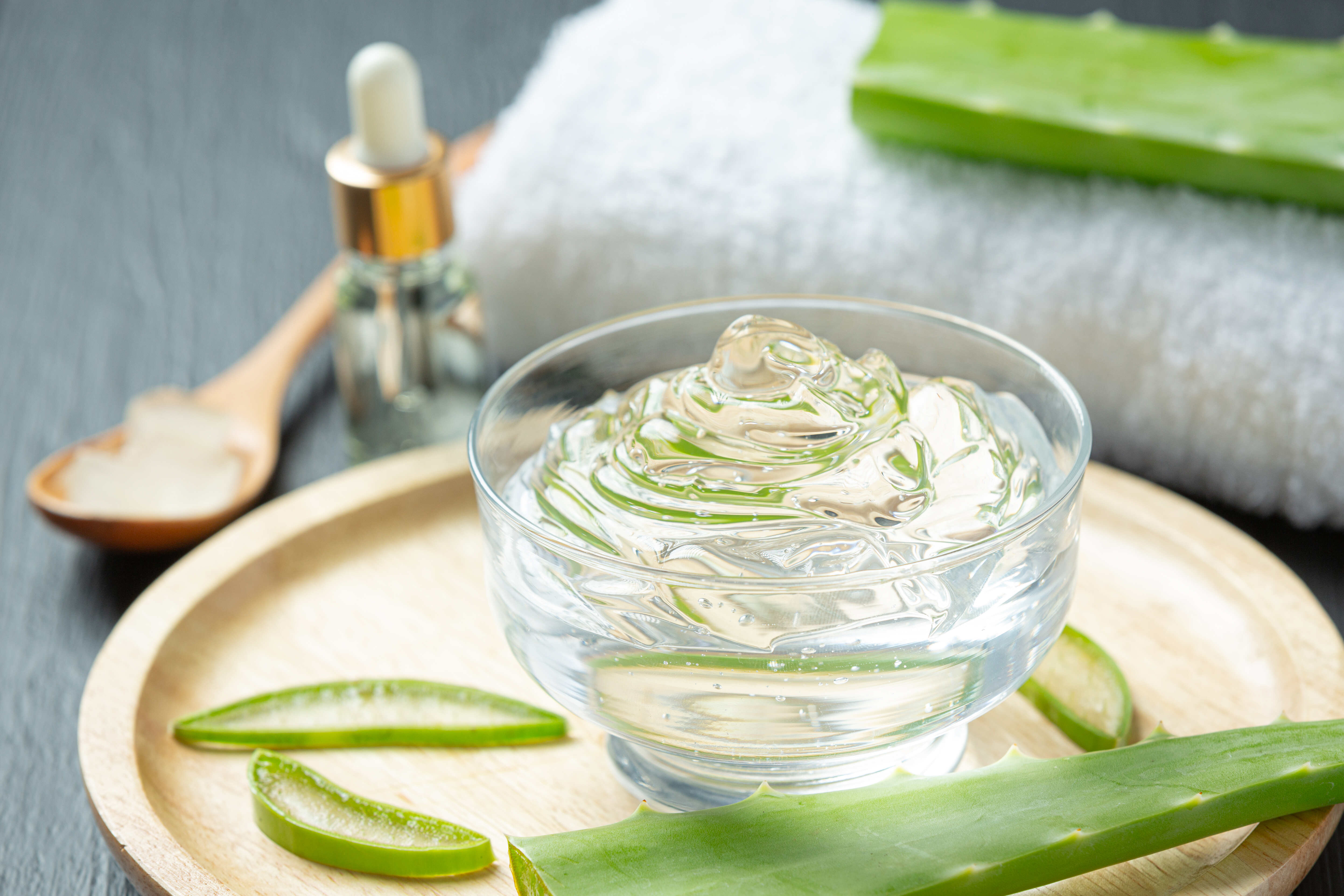
The outer rind carries a bitter latex (aloin) — a purified product for drinking should keep it to a minimum. The clear inner gel is what is sought for internal and external use. Its composition includes acemannan and other polysaccharides, enzymes, amino acids and micronutrients in modest amounts. It is not a multivitamin in a leaf.
- Skin gel — used externally, for comfort after sun exposure, dryness or irritation.
- Juice / syrup for drinking — taken internally, most often for digestion and as part of an immune routine.
- A homegrown leaf from a potted plant — a risk of latex and microbes if you don’t know what you’re doing. For drinking, choose a registered product.
Digestion: realistic expectations
Some people notice a lighter, more comfortable stomach and better regularity. Aloe juice is traditionally used as a gentle stimulus for bowel motility. That may be undesirable with diarrhea, inflammatory bowel diseases or before a colonoscopy without a doctor’s advice.
Don’t promise yourself that the gel will “fix” reflux disease, an ulcer or a Helicobacter infection. Those require a diagnosis. If you have black stools, blood, significant weight loss or pain at night — see a gastroenterologist, not a syrup.
Skin and hair: where aloe is best known
External gel is a classic after sun exposure and for dry, irritated skin. Hydration and the cooling sensation are immediate for many people. For acne, psoriasis or wounds that don’t heal — see a dermatologist. Don’t put gel from a houseplant into an open wound.
Immunity: support, not a shield
The polysaccharides and the antioxidant profile are the reason aloe goes into immune formulas. It is a layer alongside sleep, food and stress — not a substitute for a vaccine or for a doctor when you have a high fever. For a broader list of plants, see 12 natural aids for immunity.
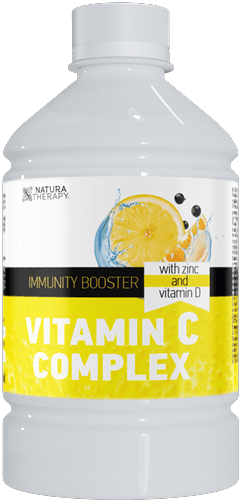
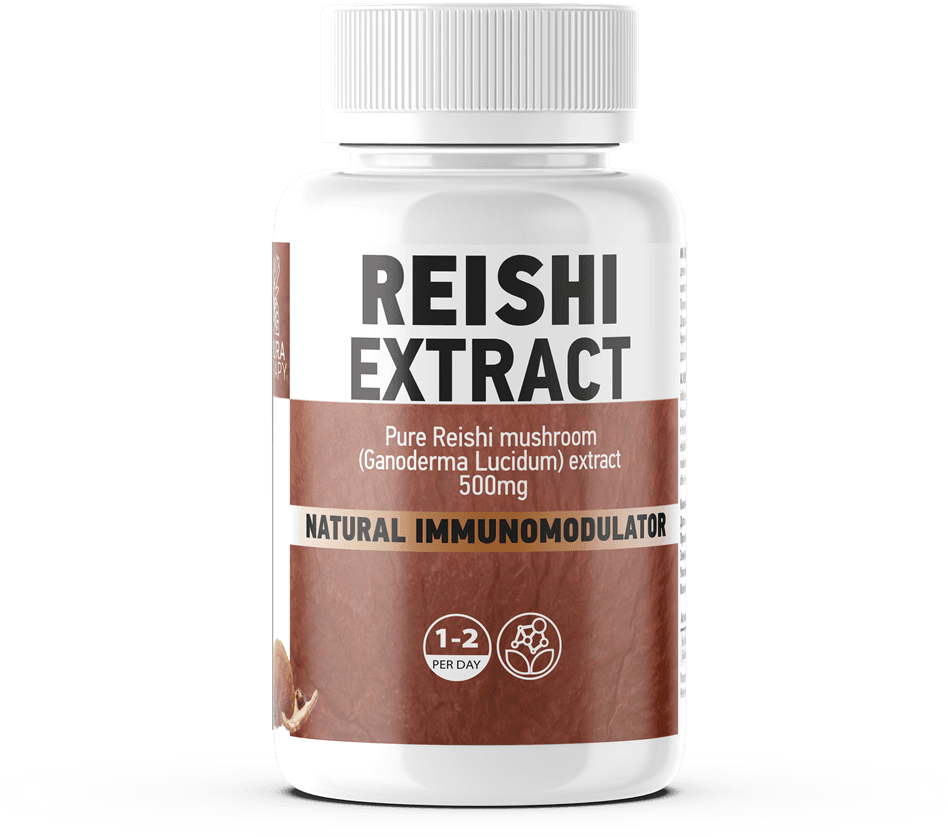
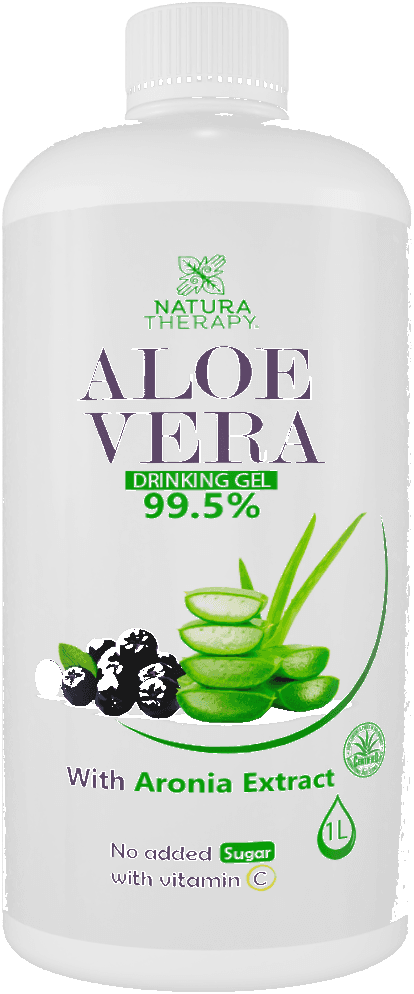
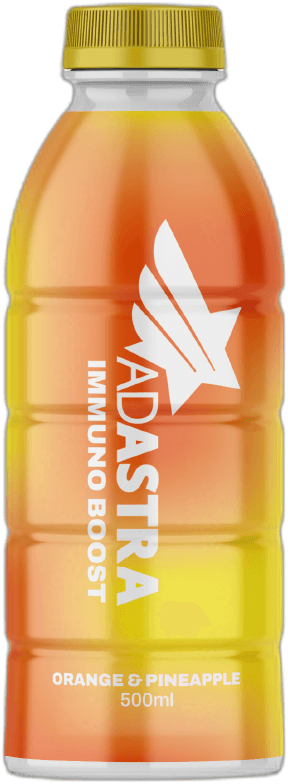
A syrup with aloe and aronia in our catalog: Aloe & Aronia. For an additional immune routine in adults, people often look at Vitamin C Complex, Reishi extract or Immuno Boost — one at a time, according to the label.
How to read a label
Look for the plant species, whether it’s meant for drinking or for the skin, and whether the aloin has been reduced. A long list of vitamins on the label doesn’t make the leaf a multivitamin: the amounts are often token. The sugar in some juices makes the product closer to a beverage than to a supplement.
If the formula already contains vitamin C, don’t double up with a second syrup on the same day without adding up the numbers. For the stack with D3 and zinc, the guide aloe vera with vitamin C, D3, zinc and aronia is still the place to go.
What aloe is not
- It is not a therapy for diabetes, heart conditions or malignant diseases.
- It is not a safe laxative for daily use in large amounts.
- It is not a “risk-free” product. The latex can cause cramps and diarrhea. Allergies do occur.
- Pregnancy, breastfeeding, children, kidney disease, medicines for blood sugar or diuretics — only with a doctor.
Frequently asked questions
- Is aloe vera a medicine?
- No. Food and cosmetic products with aloe do not diagnose and are not medicines. We are talking about support and comfort.
- Gel or juice — which should I choose?
- For skin: a gel for external use. For digestion and a daily routine: a purified juice or syrup with a clear label. Don’t drink gel meant for the skin.
- Why aronia together with aloe?
- Aronia brings anthocyanins and rounds out the plant profile. The full synergy with vitamins is explained in the article on aloe with C, D3 and zinc.
- Can I cut a leaf from a potted plant and drink it?
- Not a good idea: latex, impurities, an unclear dose. For drinking, use a product intended for internal use.
- Does aloe make you lose weight?
- It is not a weight-loss strategy. Any laxative effect is not a healthy way to lose weight and can dehydrate you.
- Where does it fit into my day?
- Questions about timing, an empty stomach and quality are covered in the article on how and when to take aloe vera. Follow the label of your specific syrup.
This article is for informational purposes and does not replace medical advice. Food supplements are not medicines. Consult a doctor before use, especially if you have a chronic illness, are pregnant or breastfeeding, or are taking medicines. Results are individual.