
People look for herbs that will improve blood circulation in the brain when they feel fog, slow recall or a “cold head” after hours in front of a screen. Tradition has candidates. Science is more cautious: the mechanisms are interesting, the clinical effects are modest and individual, and the risks are real for people on blood thinners.
This is not an article about numbness in the feet — that’s 10 herbs for the peripheral nervous system. Nor is it a map of the anatomy: first read brain circulation: everything you need to know. Catalog: Brain and nervous system.
What a single herb can and can’t do
Plant extracts can affect the tone of small blood vessels, platelet aggregation or the antioxidant load. That doesn’t mean they “open arteries” like a stent, nor that they prevent stroke.
- Tea and the kitchen are one risk profile. A standardized extract is another.
- More is not better. High-dose ginkgo is not safer ginkgo.
- If you already take warfarin, clopidogrel, aspirin at a therapeutic dose or newer anticoagulants — doctor first, then the herb.
Ginkgo biloba: the most studied candidate
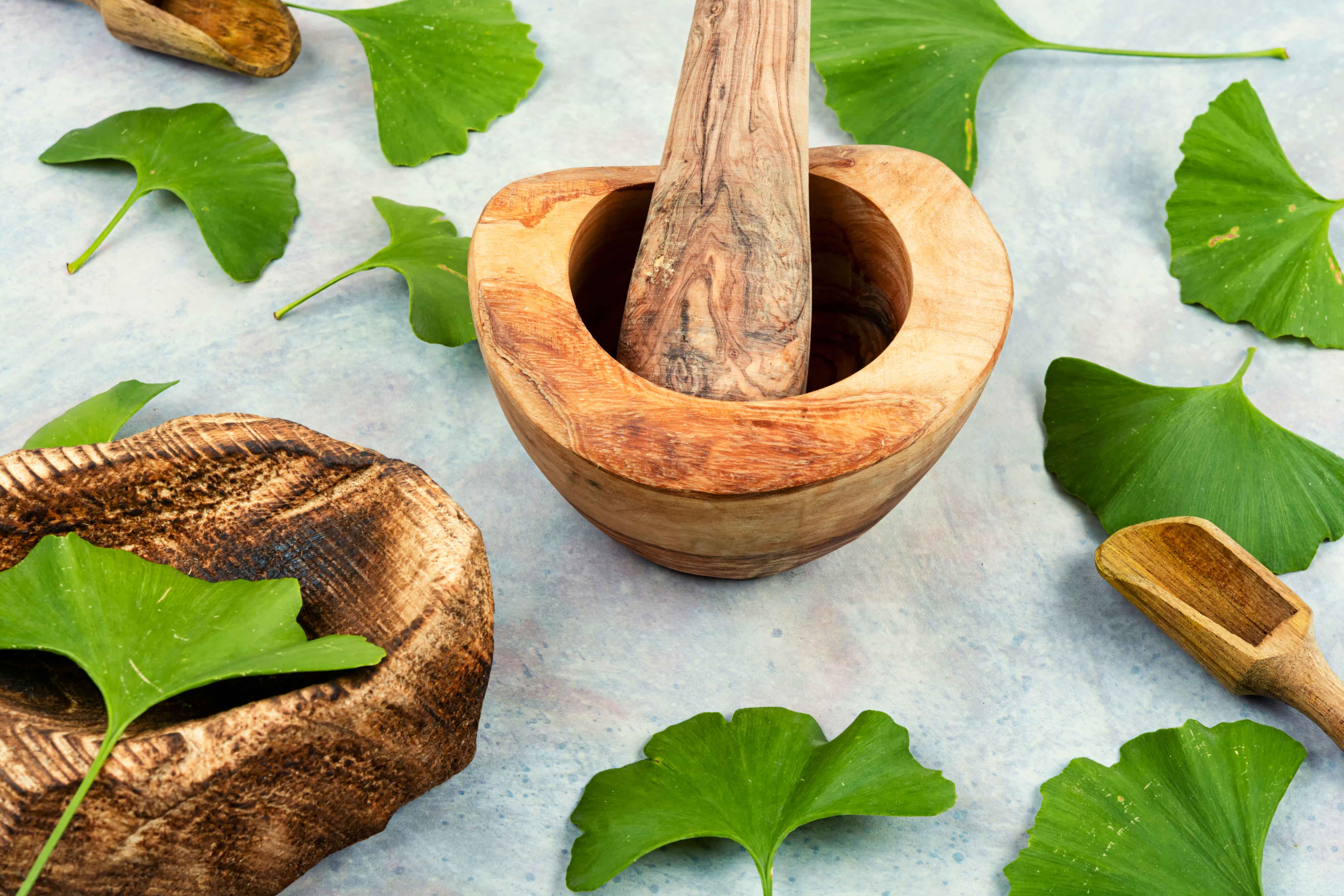
The leaves of Ginkgo biloba contain flavonoids and terpene lactones. Research looks at subjective memory, attention and comfort in adults. The results are mixed: some people report clarity, others nothing, and the quality of the extract varies.
Caution: a greater tendency to bruise, headache, stomach discomfort, interaction with medicines that affect clotting. Before surgery, tell your surgeon. It is not an herb for children, pregnancy or an acute neurological event.
Rosemary, ginger, hawthorn
Rosemary
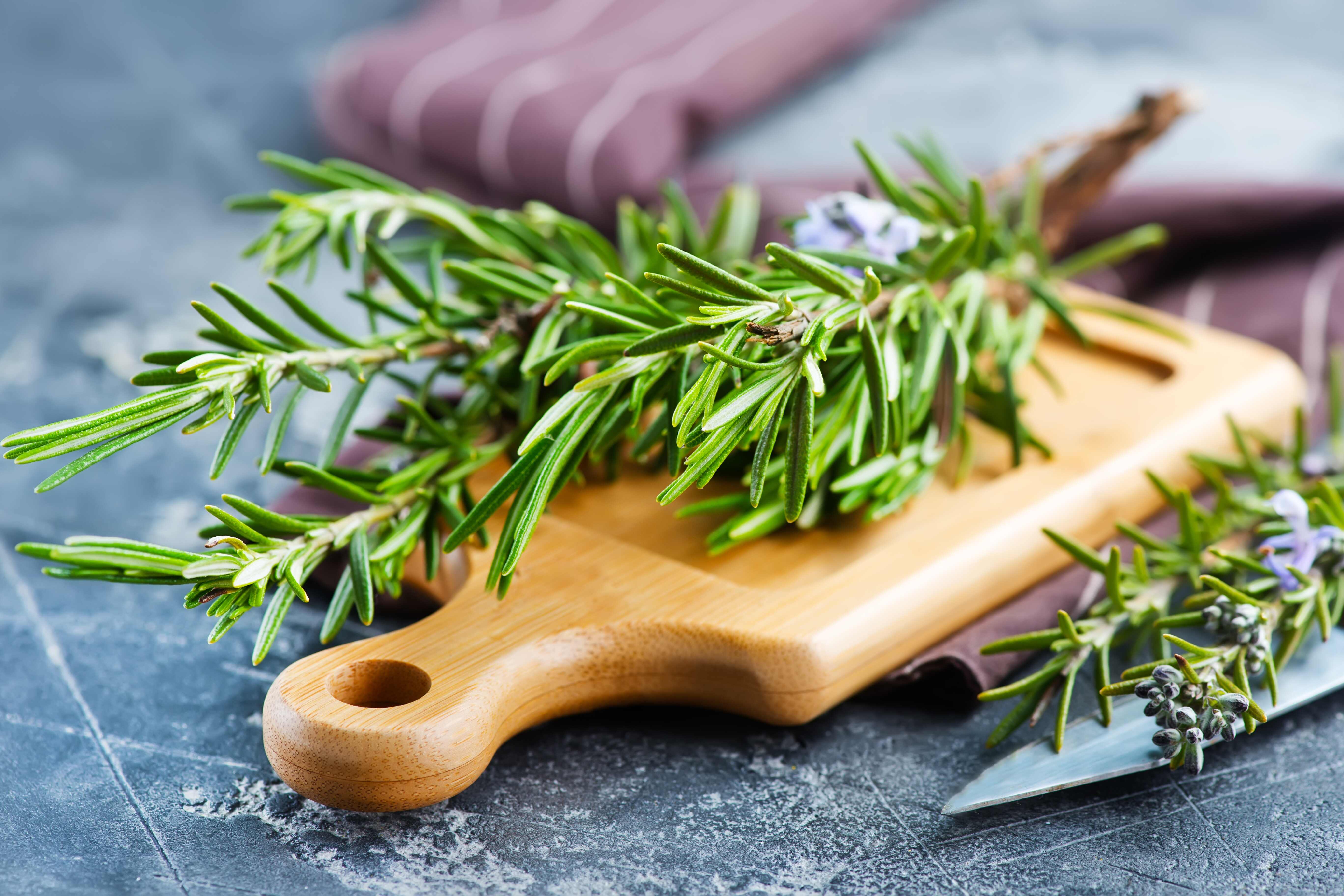
A culinary herb with aromatic oils. In folk culture it is the “herb of remembrance.” Realistically: a pleasant ritual (tea, a seasoning for fish and potatoes), possibly a mild boost to alertness in some people. Don’t expect a clinical effect from a few sprigs in soup.
Ginger
Traditionally used for digestion and a feeling of warmth. It may affect the comfort of blood flow through mild vasodilation and its antioxidant profile. The kitchen is the safest way in. Concentrated capsules — be careful if you have gallstones or take blood thinners.
Hawthorn
Crataegus is a classic for heart comfort in the European herbal tradition. Since the heart is the brain’s pump, the logic is indirect. Don’t combine hawthorn with prescribed heart therapy without a cardiologist: it can overlap with the effect of medicines.
Turmeric, cayenne, adaptogens
Curcumin is being studied for the inflammatory and oxidative load on blood vessels. Absorption is poor without fat and piperine; the stomach doesn’t always agree. Cayenne (capsaicin) gives a feeling of warmth — that is not proof of “open brain arteries.”
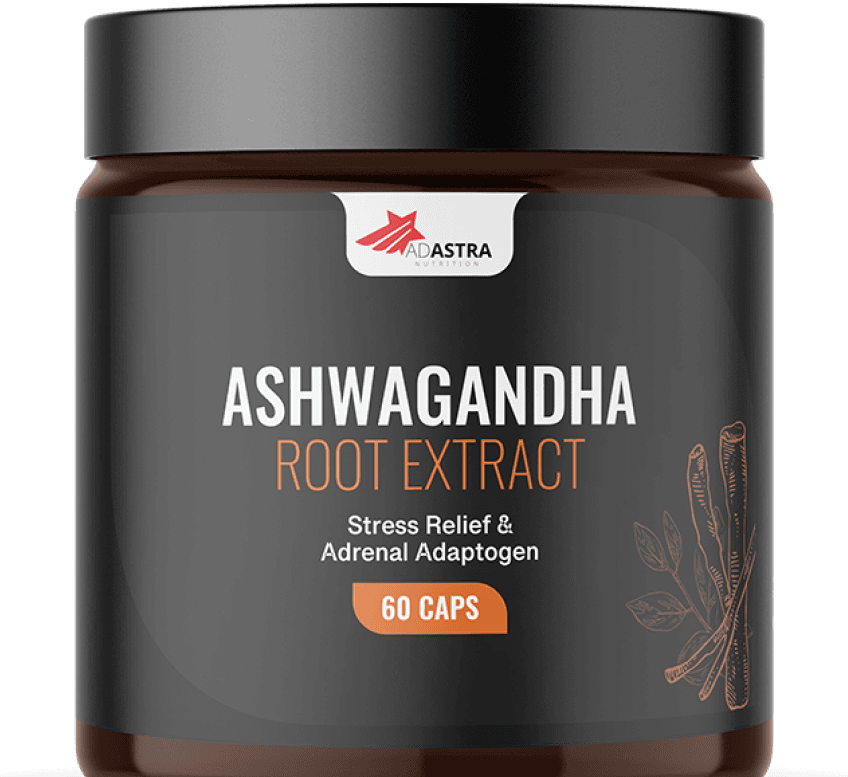
Ashwagandha is not a circulatory herb in the classic sense. It comes into play when stress narrows your attention. If that’s your main problem, see Extract Ashwagandha and the habits in natural approaches to mental concentration.
How to add them without chaos
- Get your blood pressure, smoking, sleep and walking in order. An herb doesn’t make up for cigarettes.
- Choose one direction: the kitchen (ginger, rosemary) or one quality extract.
- Read the label. Standardization (e.g. ginkgo flavonoids) is more useful than a “miracle blend” with no amounts.
- Observe for 2–3 weeks: sleep, bruising, stomach, subjective clarity. Keep notes.
- If you take medicines for the heart, blood pressure or clotting — talk to a pharmacist or doctor before the first capsule.
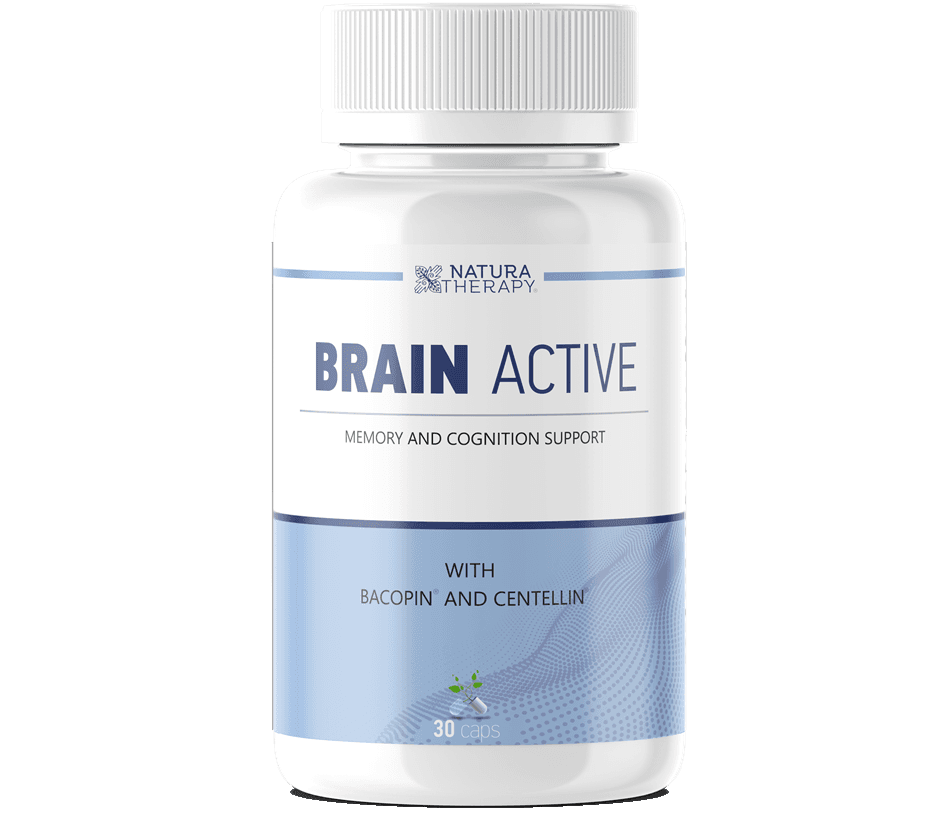
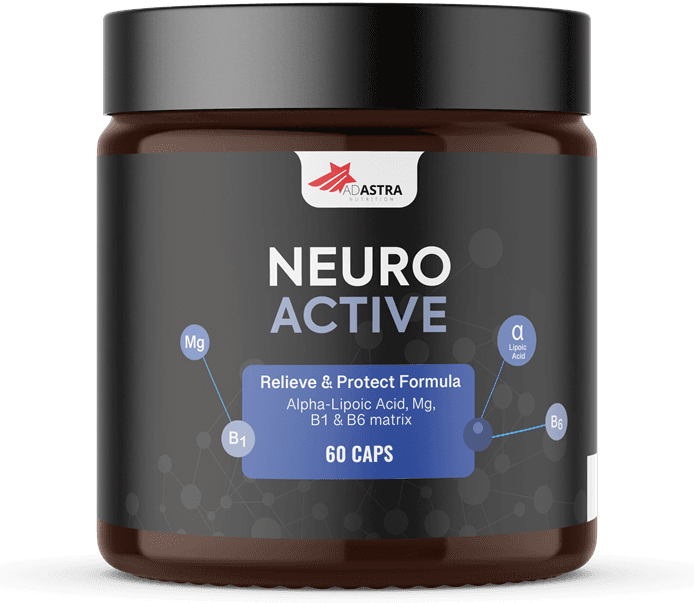
Ready-made formulas for memory and focus in adults: Brain Active. For a broader nervous-system complex — Neuro Active. The food that nourishes the blood vessels is in 13 superfoods for the brain.
Red lines
- Sudden neurological signs — emergency care, not ginkgo.
- Pregnancy, breastfeeding, planned surgery, epilepsy, severe arrhythmia — only with a specialist.
- Children — don’t experiment with extracts made for adults.
- “No risk because it’s natural” is the most common bad advice on forums.
Frequently asked questions
- Which herb is the “best” for circulation in the brain?
- There’s no winner for everyone. Ginkgo has the most research and the most warnings. For many people, the better first step is walking, blood pressure and sleep, plus ginger and rosemary in the kitchen.
- Can I combine ginkgo with Brain Active?
- Check the complex’s composition for overlap. If it already contains ginkgo or other vasoactive plants, don’t add a second extract blindly. If you take medicines — get advice first.
- Is rosemary tea enough?
- As a ritual and an aroma — yes, for some people. As a replacement for medical care or for a standardized extract for a specific indication — no.
- How long before you feel an effect?
- If there is any subjective benefit at all, it usually comes after 2–4 weeks of regular intake, not after one cup. If there’s no change or you get bruising — stop.
- Do these herbs help after a stroke?
- Rehabilitation is a medical plan. Herbs are not a therapy for stroke and can be dangerous together with anticoagulants. Ask your neurologist before taking anything herbal.
- Why shouldn’t I take them all at once?
- Because you won’t know what is affecting your stomach, sleep or bleeding, and because interactions add up. One change, one note.
This article is for informational purposes and does not replace medical advice. Food supplements are not medicines. Consult a doctor before use, especially if you have a chronic illness, are pregnant or breastfeeding, or are taking medicines. Results are individual.