Hypertension is persistently elevated blood pressure — the force with which blood pushes against the walls of the vessels. It often has no clear symptoms until a complication appears. That’s why measuring is more serious than any “natural protocol” from the internet.
This article is for education only. It does not diagnose and does not treat. Do not stop prescribed medicines because of food, tea or a supplement. With chest pain, sudden weakness, difficulty speaking or a severe headache — get emergency help.
What the numbers mean
Blood pressure is written as systolic / diastolic (mmHg). A reference point used by many guidelines:
- around 120/80 — the desired range for most adults;
- 120–129 and diastolic below 80 — elevated, time for habits and monitoring;
- 130–139 / 80–89 — a stage that calls for a talk with a doctor;
- 140/90 and above — hypertension that is managed medically.
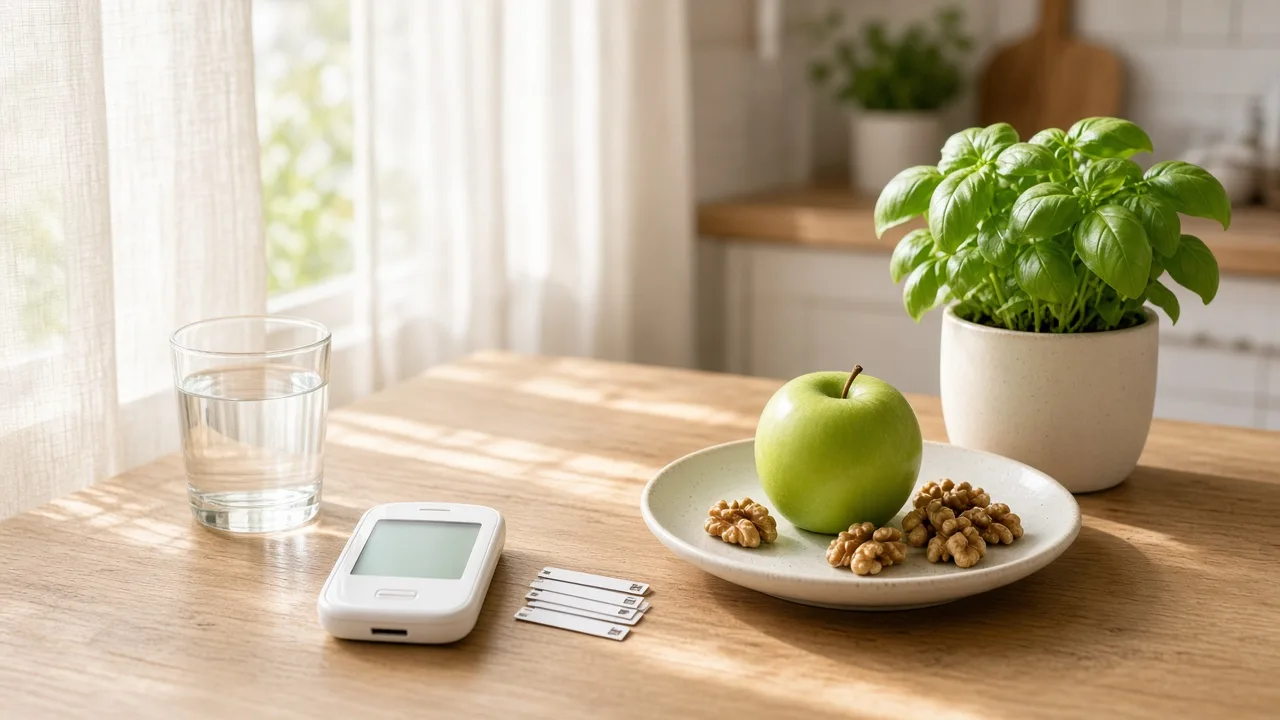
One reading at a pharmacy is not a diagnosis. A home monitor, sitting for 5 minutes, two readings, a log for your doctor.
Why it rises
Primary hypertension has no single cause: salt, weight, lack of sleep, alcohol, tobacco, family history, age, stress. Secondary hypertension has a clear source — the kidneys, the endocrine system, some medicines. A doctor tells them apart, not an article.
Hypertension often goes hand in hand with metabolic syndrome. That’s why the doctor also looks at blood sugar, lipids and kidney function — not just the number on the cuff. Category for cardiovascular context: heart and blood vessels.
Why it is a serious warning
Chronically high blood pressure damages the vessels of the heart, brain, kidneys and eyes. The risk of stroke and heart attack rises with every lasting jump. “I feel fine” doesn’t cancel out the number.

Habits that add to therapy — not replace it
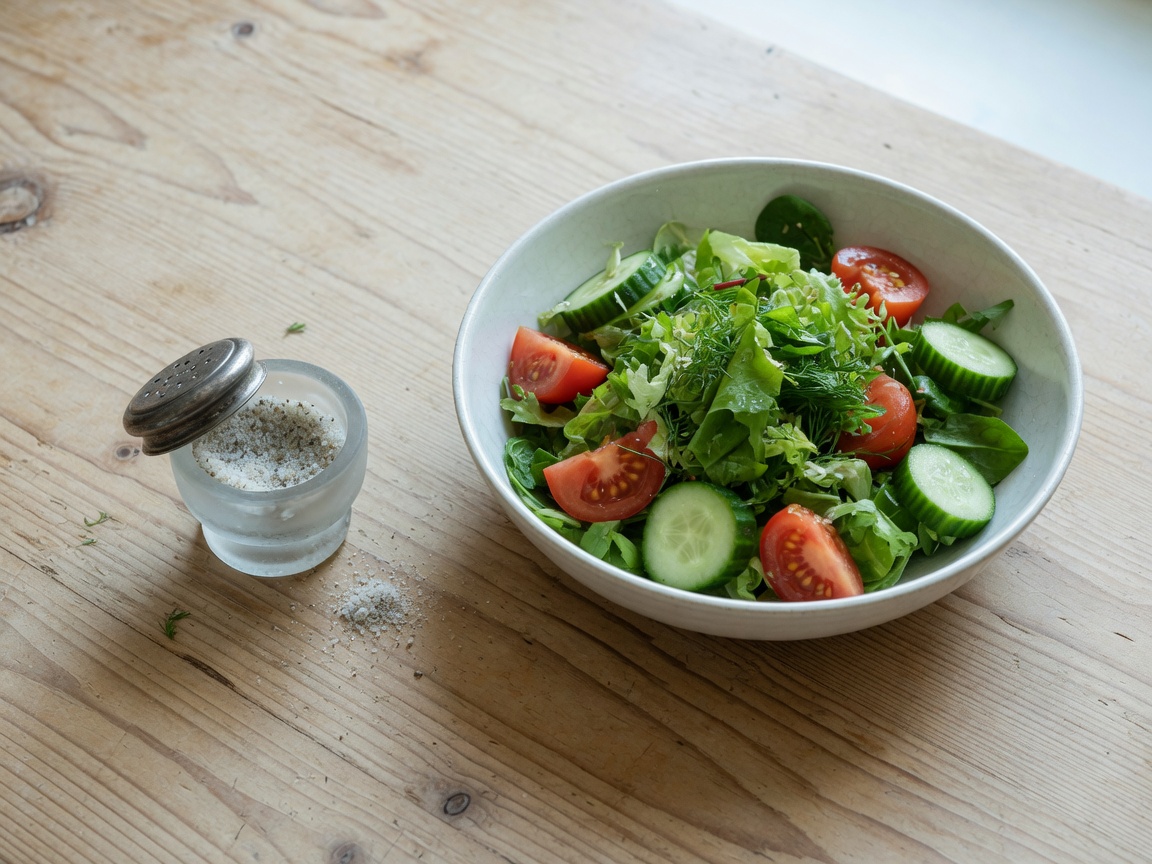
- Salt — fewer ready-made sauces, less deli meat, less bread as the only side; cook with spices.
- Weight — even a 5% reduction improves control in many people. Guide: 7 steps to healthy weight loss.
- Movement — a brisk walk most days; avoid sudden maximal effort without advice if your blood pressure is uncontrolled.
- Tobacco and alcohol — cut down on them; they are not “relaxation” for your blood vessels.
- Sleep and stress — lack of sleep raises blood pressure the next day.
- Potassium from food (potatoes, beans, bananas, yogurt) if your kidneys are fine — your doctor will tell you whether it’s safe.
Where supplements have no place as a “medicine”
Magnesium and potassium are minerals important for muscle and rhythm when intake is low — see magnesium for heart and muscles. They are not antihypertensives. They do not replace an ACE inhibitor, a blocker or a diuretic. Don’t buy an “anti–blood pressure bundle” instead of going for a checkup.
If your doctor has confirmed that your diet is poor and your kidneys allow it, minerals are something to discuss with them — dose, form, interaction with a diuretic.
Frequently asked questions
- Is a headache a sure sign of high blood pressure?
- No. Many people have no symptoms. Measure, don’t assume.
- Can I lower my blood pressure with tea alone?
- Not as the only strategy. Habits help; therapy is managed by a doctor.
- Should I stop my medicine if the number has dropped?
- Not on your own. The drop is often precisely because of the medicine and the habits together.
- When is it urgent?
- Very high readings with chest pain, shortness of breath, confusion, weakness on one side or a severe headache — emergency help, not a supplement.
- Does a supplement treat hypertension?
- No. Food supplements are not medicines and do not treat hypertension.
This article is for informational purposes and does not replace an examination, diagnosis or therapy by a doctor. Food supplements are not blood pressure medicines. Do not stop prescribed therapy. If you suspect an emergency, seek medical help. Results are individual.